A single 400-year-old ancient oak produces 234,000 litres of oxygen a year, and may support more than 2,000 species of bird, insect, fungus, and lichen. More on why trees are awesome: https://t.co/8ogbokj7mk
Are your birdfeeders out in your garden? During autumn, birds like to fatten up as they prepare for coping with the colder months ahead!
#wildlife#nature#gardening
Love nature and wildlife? Agree that a healthy planet is good for people? Then please RT and follow us if you aren't already! Help us grow this little green corner of Twitter, to share positive solutions to the nature and climate emergencies 🐝
Balloon and lantern releases create litter and #plasticpollution in landscapes and seas that can harm the environment, wildlife, livestock. Celebrate special occasions and loved ones by planting trees, wildflowers, or bee & butterfly gardens instead! Pic via @KeepBritainTidy
Hoverflies are important pollinators - with 280 species in the UK alone. Each time you let wildflowers grow, plant nectar-rich plants, allow ivy to flower, or avoid pesticides, you'll be helping these beneficial insects! Pic via @EcoRecording
🐝🐝🐝🐝🐝🐝
Did you know? Bees are responsible for pollinating about one-sixth of the flowering plant species worldwide and approximately 400 different agricultural types of plant.
🐝🐝🐝🐝🐝🐝
Bramble is a great year-round biodiversity booster - some 240 species of insects & mites feed on it. It offers shelter & nesting sites for birds; flowers for pollinating insects; and autumn berries for badgers, foxes, birds & small mammals (and humans too)
Wildlife from kingfishers to water voles to otters depend on healthy rivers. But many of our rivers are polluted, including by plastic - huge amounts of which now reaches the sea from rivers. Reducing plastic use is one easy way to help these precious places 💦
Natural soap is just as effective as liquid handwash in bottles, and is better for the environment and your skin! Here are some eco-friendly soap bars to try - all plastic-free and kinder on our rivers and seas: https://t.co/IoiMNY2am3
Just 3% of our wildflower meadows are left. RT if you think we should give bumblebees a fighting chance by growing more wildflowers in our gardens, communities and green spaces, and not using pesticides and weedkillers 🐝
The irony with weedkiller is it doesn't make green spaces look 'neat & tidy' - it makes them ugly. While 'weeds' (i.e. wildlife-boosting wildflowers) can look beautiful. As these contrasting verges show. Let's give nature a chance! 🐝
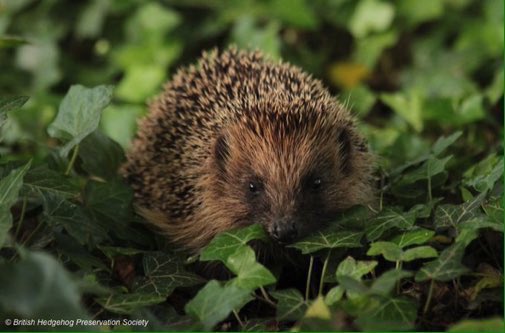
Please say no to poisonous slug pellets, pesticides and weedkillers. Hedgehogs hoover up over 100 invertebrates every night!
#wildlife#gardening#nature