In our latest study from the Consortium on Thyroid and Pregnancy, Sofie Bliddal quantified the association of thyroid antibodies with gestational TSH and FT4 and shows that the association of TgAbs with TSH or FT4 is only driven by concomitant TPOAbs.
https://t.co/WmeA8bLr0b
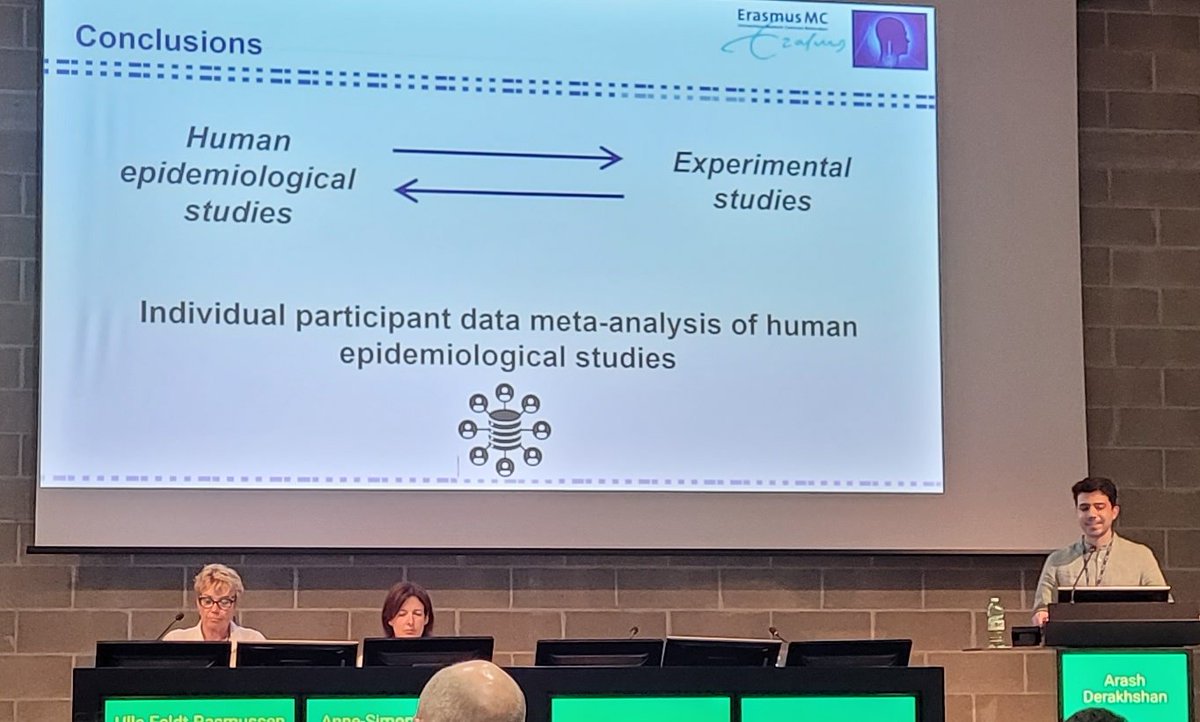
Great talk by Arash Derakhshan showing how human epidemiological studies can be used to translate experimental study results and how the combination of different types of data is key to move forward.
Next step, an EDC consortium!
#ECE2022#EuropeanHormoneDay@ESEndocrinology
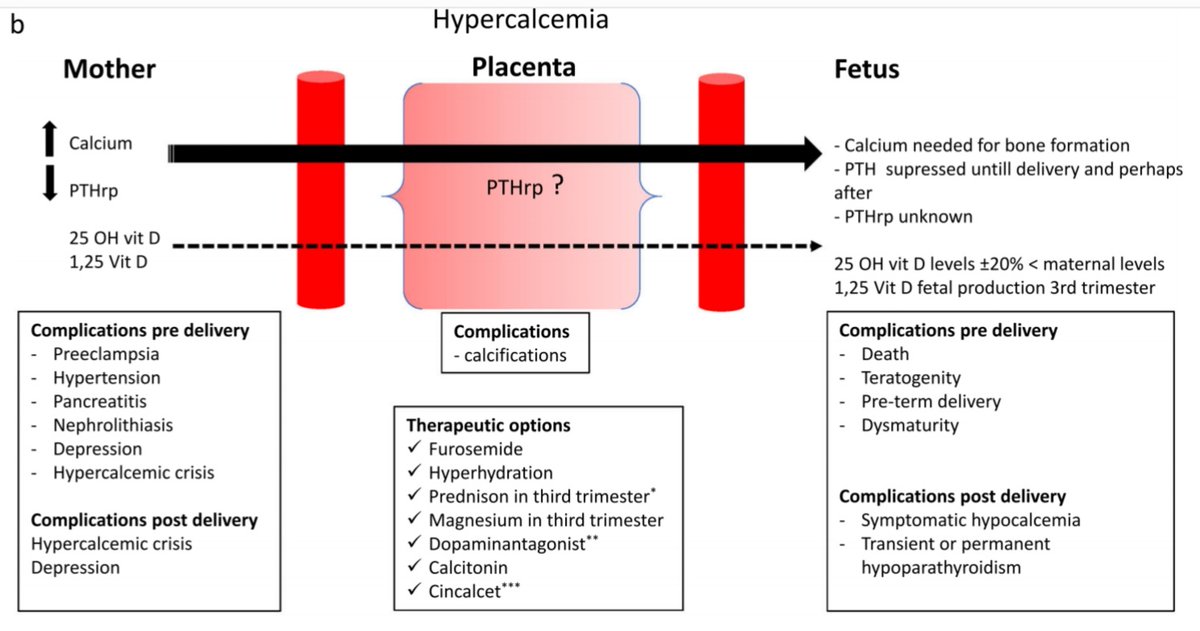
If you missed the fantastic presentation on parathyroid disorders in pregnancy at #ECE2022, make sure to check the recording. Even the overflow room was packed! @BotcentrumLUMC @LUMC_Leiden@ESEndocrinology
https://t.co/dZ1Ne8YKPU
Check out this hot issue in thyroidology guest edited by myself and Megan Haymart now in press! https://t.co/pcFE6ds3t7. Thank you @AngelaLeung9 @TimKorevaar@DrAKotwal@susieQP8 and many others for excellent contributions!
Out now and free to read: Diagnostic and Treatment Considerations for Thyroid Cancer in Women of Reproductive Age and the Perinatal Period
https://t.co/ro0R3rRfOm
Great collaboration with @AngelaLeung9
Evert v Velsen
New research from @Rdam_Thyroid_C, evaluating the use of a two-step age-based cutoff for the UICC/AJCC TNM staging system in patients with papillary or follicular #thyroid cancer by Evert F S van Velsen et al.
https://t.co/SAYj897aWn
Another cool collaborative effort from the Consortium on Thyroid and Pregnancy, this time led by @FJKToloza and @endofellow.
Again results pointing towards a dose-response risk association at the outskirts of the normal range.
@TheLancetEndo@TheLancet#thyroid#pregnancy
Check out our interpretation of the new meta-analysis on thyroid function changes during controlled ovarian hyperstimulation, food for thought! @KeyserToke
Controlled ovarian hyperstimulation as a stress test for the thyroid.
https://t.co/X96XzWqnZx
Following yesterday's @ESEndocrinology postgraduate course on gestational endocrinology:
I wanted to share one of the questions and a quick update on a the strategy to limit antithyroid drug exposure in pregnancy (that is still fairly unknown).
Just read the outstanding study by Irina Bancos et al on:
Pheochromocytomas in pregnancy
A thread!
Based on my fascination for pheochromocytomas, obstetric medicine and these new data.
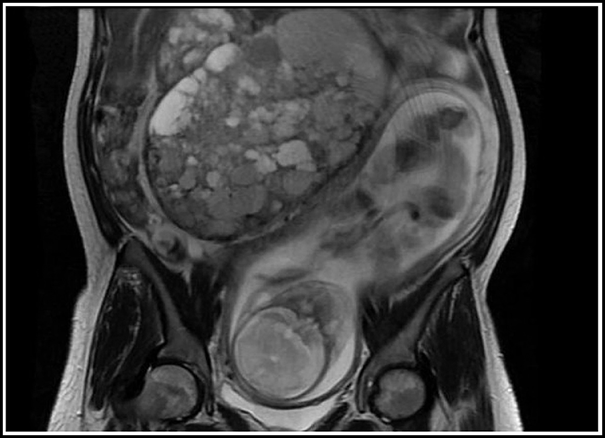
pic=malignant paraganglioma+fetus https://t.co/ZLsoag3xE3
paper: https://t.co/PAccrm3i6j
How about that grey zone?
Guidelines: consider treatment, individualize
Think about:
- Abnormal physiology: subhypo despite high hCG (twin, 8-11 wks)
- High TSH
- High-normal TPOAb titer (https://t.co/SnGVYaMAPk)
- High pretest probability of subhypo related adverse outcomes
If you decide to treat:
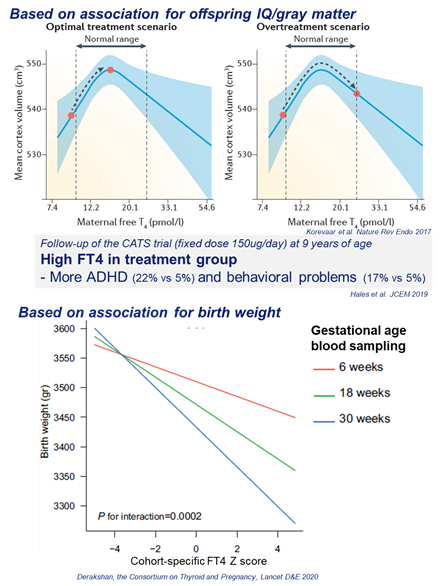
Beware of overtreatment!
High FT4 associated with lower birth weight, child IQ and cerebral gray mass (fig).
For example start with 50ug daily and titrate after 2-4 weeks
Subclinical hypothyroidism during pregnancy:
* Reflects an abnormal physiology
* Use correct reference ranges to diagnose
* Risk stratify: TPOAbs, gestational age etc.
* If you treat ➡️ Don’t overtreat
Check out our recent blog article with gestational endocrinology expert, Dr @TimKorevaar to learn more about his fascinating research and what he will be presenting at #eECE2020. https://t.co/Jzbcap9kYl
I am quarantined in London, so #Tweetorial time💂♂️⏰
Should we treat subclinical hypothyroidism during pregnancy?
A tweetorial on physiology, overdiagnosis, risk stratification and treatment harms.
Do you treat subclinical hypothyroidism during pregnancy?❌✅
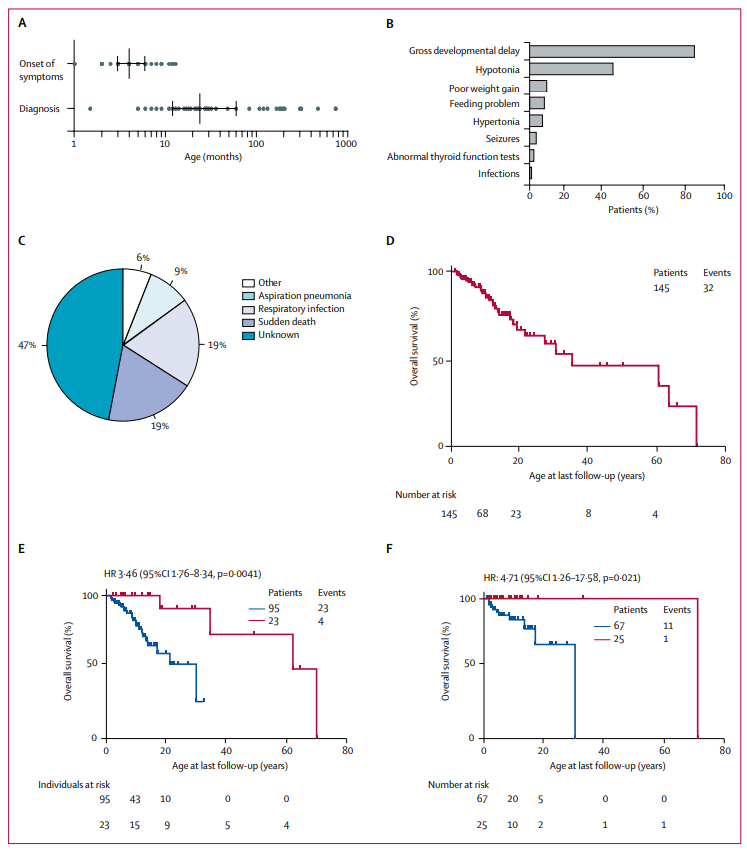
Groeneweg et al describe the disease characteristics of MCT8 deficiency in 151 patients from 47 hospitals worldwide.
This study reveals very poor survival with a high prevalence of treatable underlying risk factors.
https://t.co/1lGKFbG37S
@TheLancetEndo@TheLancet@ErasmusMC