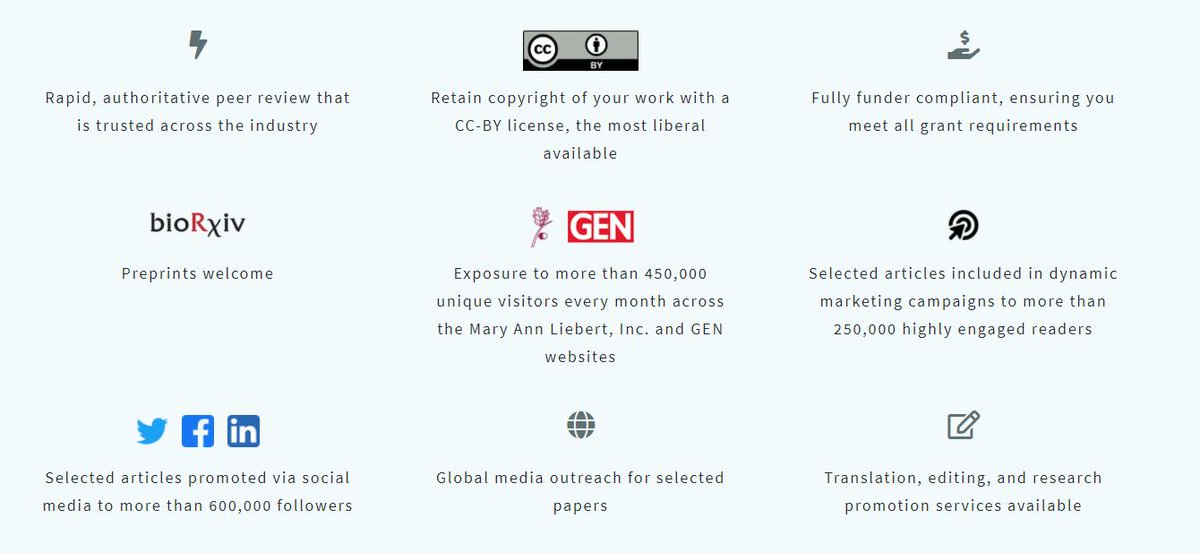
Why publish with us? We bring together the best in publishing - the peer-reviewed journal expertise of @LiebertPub with the media power of @GENbio to make sure your manuscript gets the attention it deserves
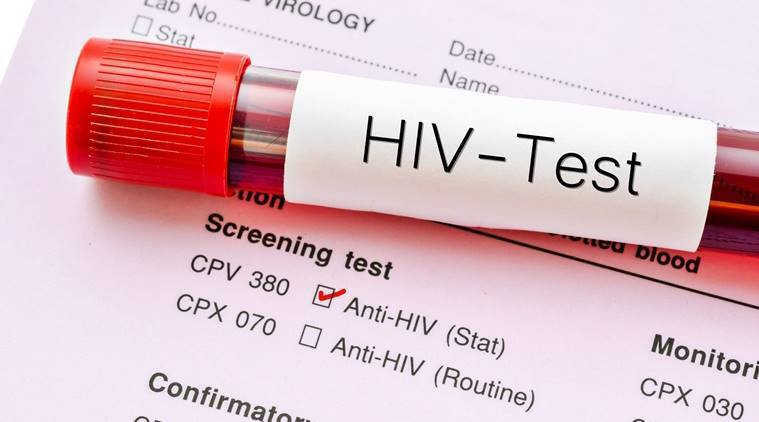
A recently published study in #ReGENopen aimed to report #cancer incidence and mortality in a Brazilian human immunodeficiency virus (#HIV) cohort of 31 years duration and compare cancer deaths with deaths due to noncancer causes.
#OpenAccess: https://t.co/TAz4jjRvGL
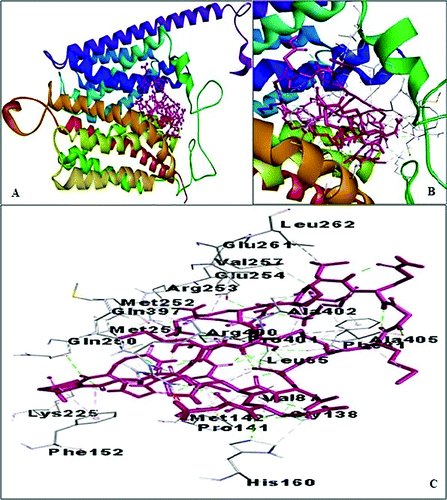
The microscopic examination proved the mode of action of BaCf3 as cell wall acting. In silico docking studies with anticancer target proved that bacteriocin BaCf3 is also a possible anticancer drug candidate. #OpenAccess#ReGENopen
Man who received pig heart transplant has died from a latent virus called porcine cytomegalovirus and which is hard to detect. Scientists are investigating how this virus lead to the failure to make this technology more reliable in near future.
The importance of neural stem cell survival in the appropriate brain function, synapsis formation, and neural cell communication is to the degree that any perturbation in this process leads to many neurodegenerative diseases.
#OpenAcces#ReGENopen https://t.co/OPH8kLNSmH
A ddPCR-based method that can replace the TaqMan qPCR assay for vector copy number analysis is by measuring the number of pro-viral DNA copies per host cell genome in blood samples.
#genetherapy#OpenAccess#ReGENopen
https://t.co/55HG25fXFx
Newly published #OpenAccess article from #ReGENopen aims to assess the appropriateness of a TaqMan® SNP genotyping #assay as a tool to identify the rs4869317 SNP in human samples. #genotypes
https://t.co/vQlhFkb5cB
Submit to @ReGENOpen for #OpenAccess Publication
This exciting new journal is dedicated to publishing advances across all aspects of basic & translational #biomedical research in the form of original articles, reviews, commentaries, & briefs. Learn more: https://t.co/76I9xANxkI
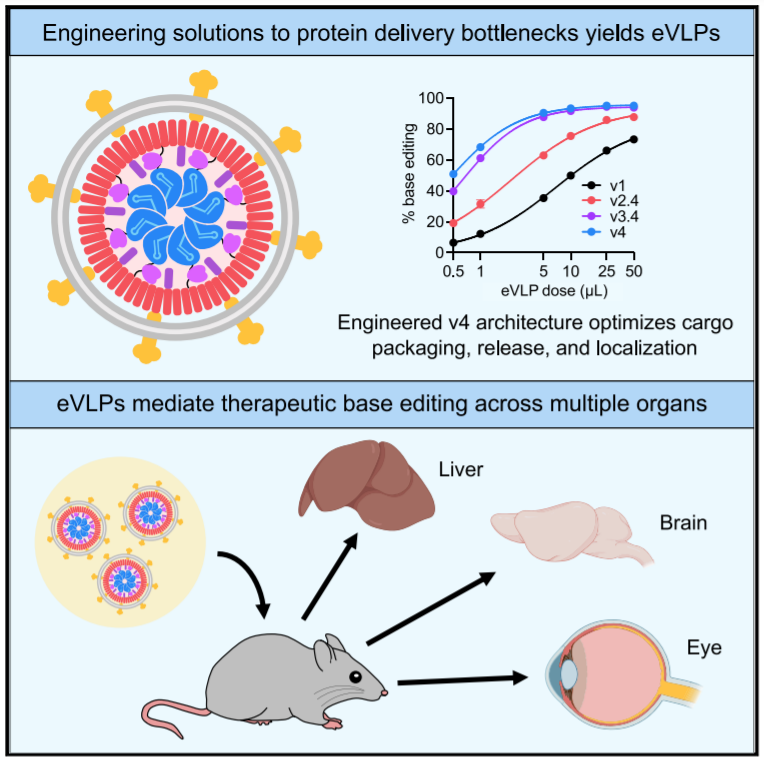
"Engineered virus-like particles for efficient in vivo delivery of therapeutic proteins" - Read more from this @CellCellPress article here: https://t.co/WjrmIFPgFE
@broadinstitute@davidrliu
What scientists have done for the first pig-to-human heart transplant?
-Three genes for enzymes were knocked out to block rejection provoking.
-Six human genes were added.
-A growth hormone receptor gene was removed to inhibit the growth of heart once implanted.
We are now welcoming original articles, reviews, commentaries, and briefs on Cancer Research. Submit your manuscript for publication consideration today: https://t.co/yooFivCMz8
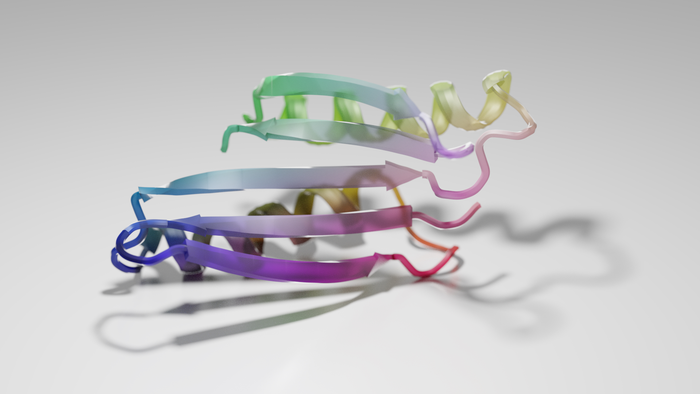
#MachineLearning Algorithm Hallucinates Novel Protein Structures
A #deeplearning network trained to predict protein shapes can also generate proteins with new, stable structures. Learn more: https://t.co/4pisgeFRGH #artificialintelligence