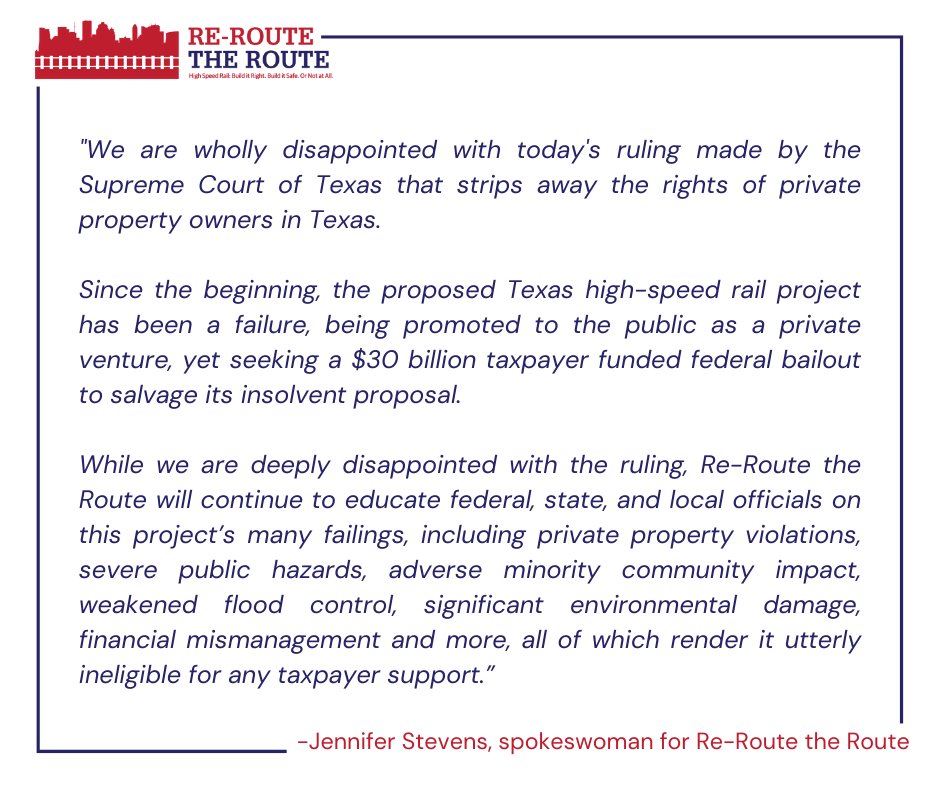
Our statement on today's ruling by the Supreme Court of Texas in the case of Miles v. Texas Central Railroad & Infrastructure, Inc. and Integrated Texas Logistics, Inc. #txlege#highspeedrail
Proposed routes can impact more than transportation. Property rights, taxpayer costs and communities along a proposed route are why they must be built right, or not at all.
Learn more here: https://t.co/Eu2a2DNGSJ
California's high-speed rail project is facing new budget challenges that could lead to a scaled-back plan.
Read more about the latest developments and what they could mean here: https://t.co/Xhp975qPSO
The proposed Houston–Dallas high-speed rail project has been in the works for nearly two decades, yet…
•No tracks have been built
•No trains are running
•Federal funding revoked in 2025
•There is no clear construction timeline
Read more here: https://t.co/LC4VeJbwY9
California’s high-speed rail project is now running into a housing development. Shafter approved plans for roughly 1,200 homes in an area that overlaps the state’s planned rail route.
The city has opposed the alignment.
Read more here: https://t.co/rqW5BA8DEp
Brightline West was pitched as an $8B private high-speed rail project.
Now costs have surged to $21.5B—and the project is seeking a $6B federal taxpayer-backed loan.
If private investors won’t carry the risk, why should taxpayers?
Read more here: https://t.co/1YT8ripdk7
Brightline West's projected cost has jumped nearly 35% — from $16B to $21.5B. The 2028 Olympics deadline is gone, a proposed $6B federal loan is uncertain, and Brightline Florida is struggling with debt and ridership.
https://t.co/YSjdE2aKCQ
Built right or not at all. #RRTR
California’s high-speed rail project could run out of money by December 2027.
The project faces a $9.5 BILLION funding gap. Borrowing that money could add another $3.6–$6.6 billion in interest.
This is what happens when promises get ahead of reality.
https://t.co/gv22rLNFQB
Texans deserve better than having their money spent on untrustworthy rail plans.
We believe responsible rail projects should:
✔️ Protect taxpayers
✔️ Respect private property
✔️ Prioritize safety
✔️ Be transparent and accountable
Built Right. Built Safe. Or Not at All.
Rail investment doesn't have to mean another billion-dollar failure.
DOT just announced $5.3 BILLION for rail safety & infrastructure—including 30+ crossing closures, 1,000+ upgrades, 43 new Amtrak trainsets & 41 locomotive overhauls, with $228M for TX.
https://t.co/96sxfngQ1V
Responsible high speed rail plans should prioritize:
• Safe engineering
• Financial accountability
• Respect for property owners
• Meaningful community engagement
• Long-term sustainability
Texas deserves transportation solutions that meet all of those standards.
Concerning news: A financial data page has tracked a ~$1.4 billion debt load in "Senior Secured Revenue Bonds" to fund Brightline West's high speed rail project. Further, investors initially bought project bonds at 100% of their value, but the price has crashed down to 50%.
#RRTR
Responsible infrastructure should protect what makes Texas strong.
✅ Taxpayer dollars
✅ Private property rights
✅ Local communities
✅ Small businesses
✅ Public safety
✅ The environment
These priorities aren't obstacles, they're part of building projects the right way.
Private property rights have long been one of Texas' defining values.
Infrastructure can be built while respecting landowners, businesses, and communities. Responsible planning means seeking solutions that minimize displacement and unnecessary impacts whenever possible.
#RRTR
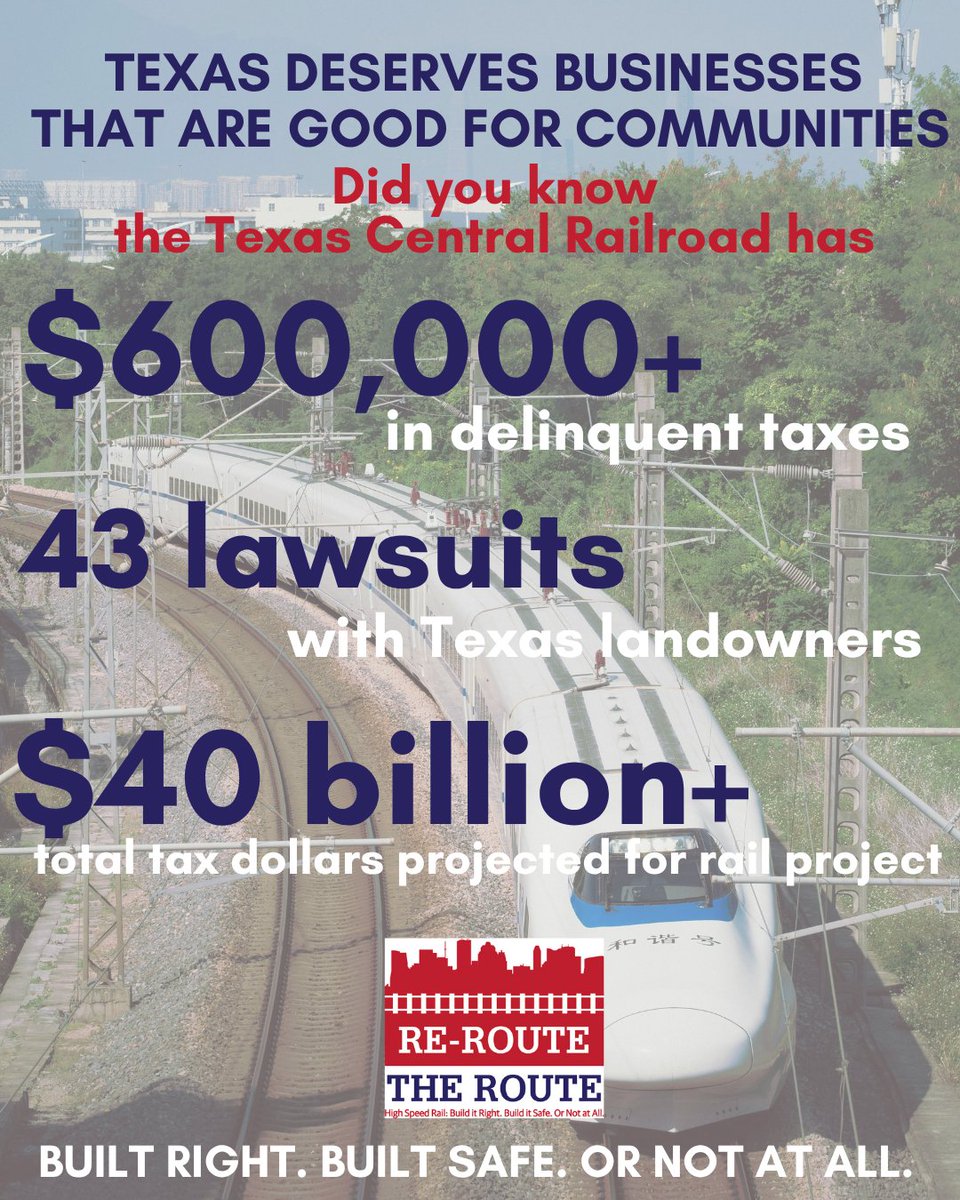
Current discussions about the Texas Central Railway project have raised important facts: More than $600 million in reported delinquent taxes, dozens of lawsuits involving Texas landowners, and tens of billions of dollars in projected public investment.
#RRTR
Major transportation projects should follow existing transportation corridors instead of new paths through neighborhoods, farms, and businesses. Using established rights of way reduces environmental impacts, lowers costs, and minimizes disruption.
Built Right. Built Safe. #RRTR
Austin's expenditures on this rail plan are the opposite of being built right or built safe. Austin must work to create a rail plan that works for communities and Texas' economy.
Build it right, build it safe, or not at all.
#RRTR
Austin is building a train. By the city's own math, construction alone runs about $244,000 per rider.
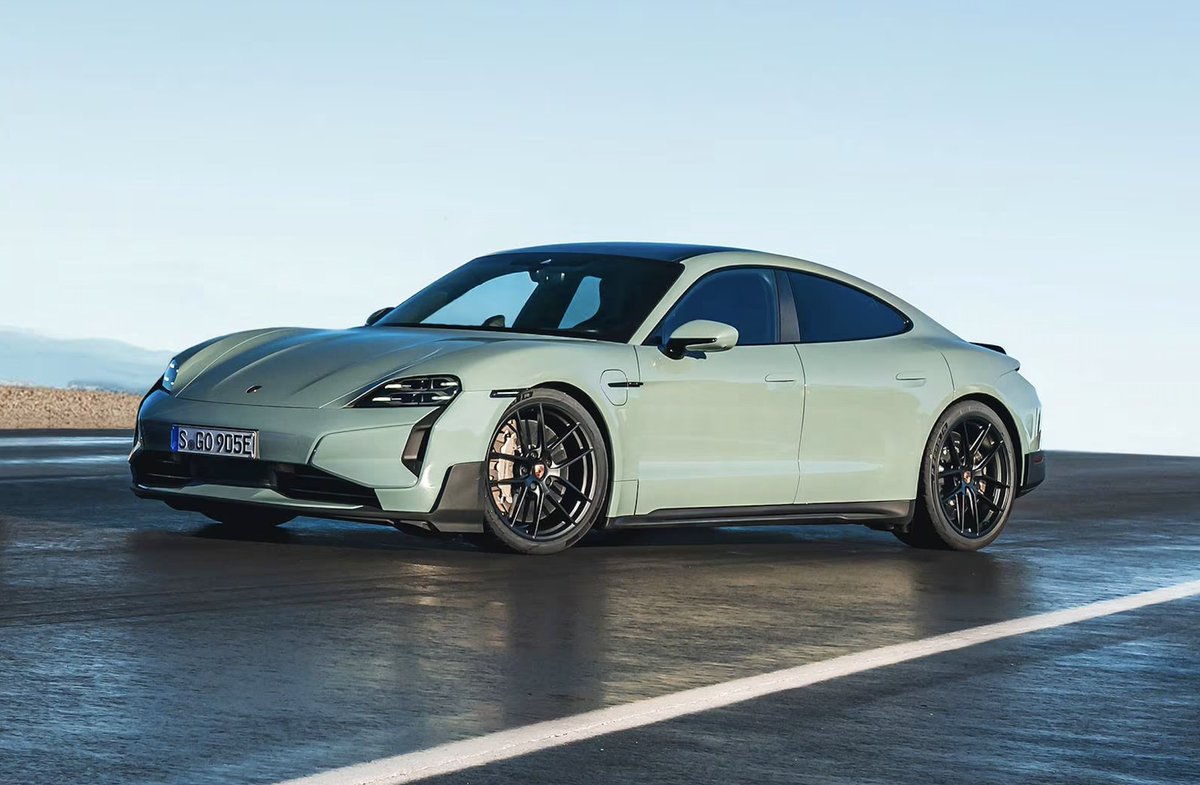
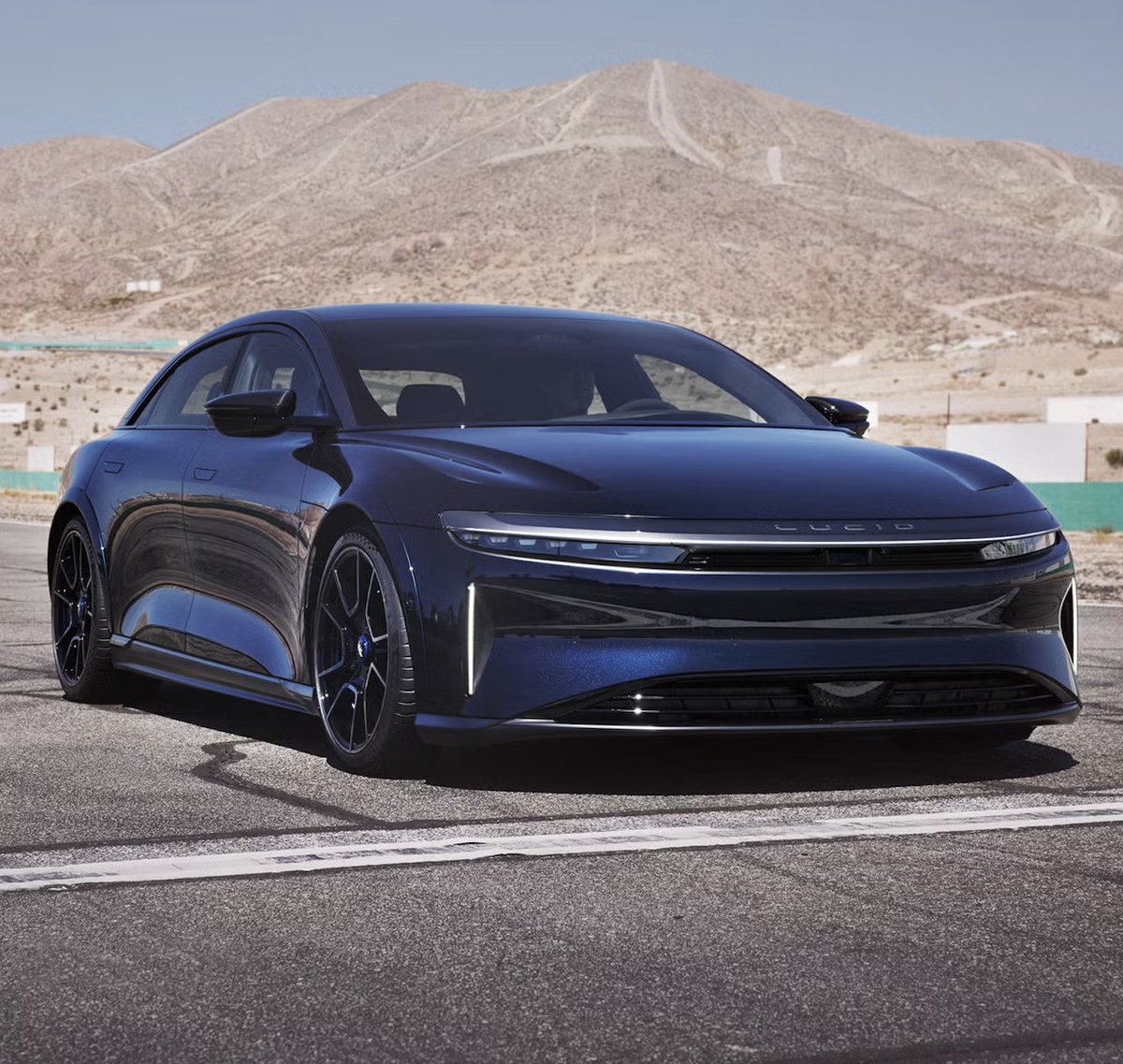
For that money, Austin could skip the train and buy every rider one of these:
- Aston Martin DBX707
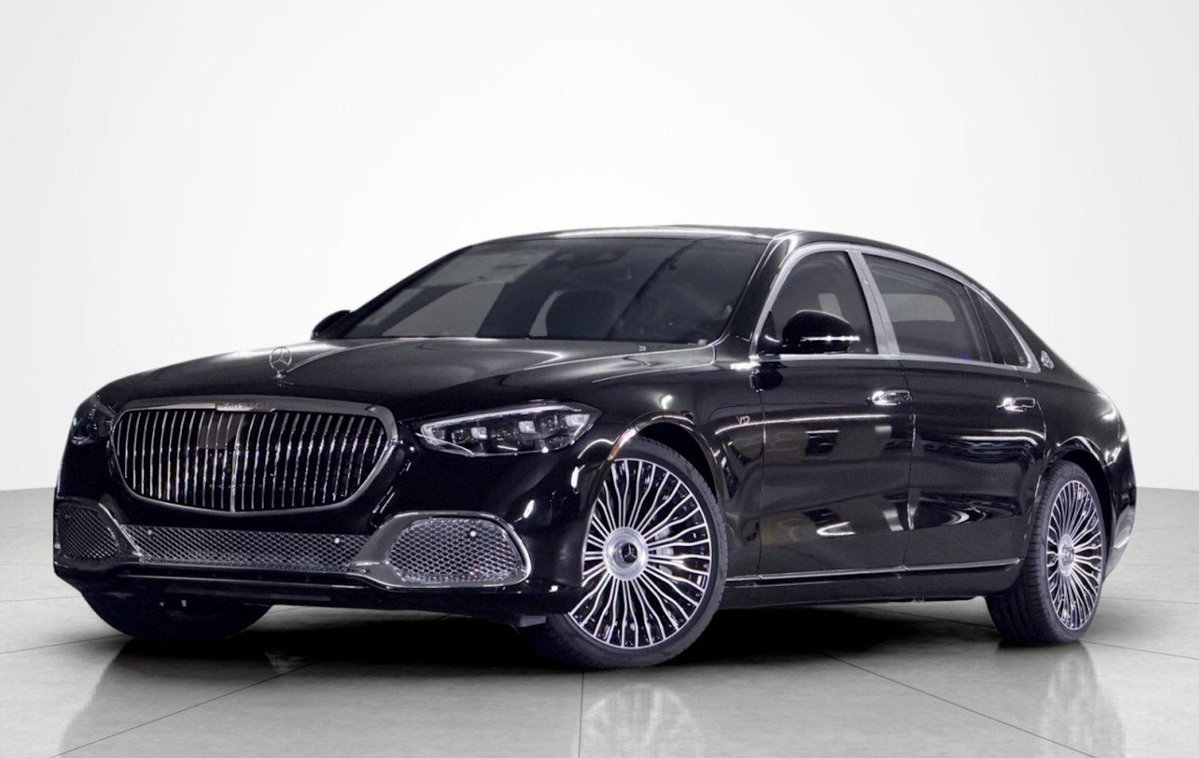
- Mercedes-Maybach S 680 4MATIC
- Lucid Air Sapphire
- Porsche Taycan Turbo GT
Each one seats at least four, leaves when you want, is free of dangerous knife-wielding vagrants, and never stops at Oltorf
Austin is building a train. By the city's own math, construction alone runs about $244,000 per rider.
For that money, Austin could skip the train and buy every rider one of these:
- Aston Martin DBX707
- Mercedes-Maybach S 680 4MATIC
- Lucid Air Sapphire
- Porsche Taycan Turbo GT
Each one seats at least four, leaves when you want, is free of dangerous knife-wielding vagrants, and never stops at Oltorf
These statistics are concerning when it comes to Austin's new transportation plan. Plans like this must keep Austin residents, business owners and commuters in mind, and work for the best economic solution for all.
Austin's plan must be built right, built safe, or not at all.
Austin's Project Connect is the most disastrous transportation plan in America. All you need to know:
- In 2020, Austin asked voters to permanently raise everyone's property taxes for a train.
- The pitch: $7.1 billion, 20 miles of light rail, 26 stops, a downtown tunnel, a direct ride to the airport.
- It passed with 58%. The tax is permanent.
- Then the plan changed. No tunnel and no airport. Half the length and just 15 stations. And it costs much more: $8.23 billion.
- That's $840 million per mile. Most expensive transit project per mile in Texas history. Second-most-expensive light rail project in America
- Half the money ($4 billion) is supposed to come from DC. No grant awarded and no signed agreement.
- The rest is your property tax, plus loans repaid with your property tax, plus bonds repaid with your property tax.
- The FTA reviewed the financial plan and said the revenue assumptions are bogus and there's no reserve for overruns.
- First passengers ride in November 2033.
- Does it fix traffic? Projected effect on regional driving in 2045: a 0.044% reduction. Four hundredths of one percent.
- Ridership is so low it works out to $244,000 in construction cost per daily rider.
- The city's own analysis says congestion gets worse with the train.
- Morning rush hour bottlenecked intersections will increase about 33%. 71 businesses displaced and hundreds of homes affected.
- Parking will get much more expensive -- 607 parking spaces to be eliminated downtown, on South Congress, etc.
- Meanwhile the city spent $255 million on 197 electric buses. The batteries couldn't handle Austin heat so many sitting in storage.
- ATP, the agency spending your money, is run by five appointed board members. You vote for none of them. The CEO makes $405k. They tried to lease fancy downtown office space for $32 million in rent, and only dropped it after people noticed and pressured city council.
- Transportation experts call this one of the most wasteful transportation plans they’ve ever seen
If the 2020 ballot had read "9.8 miles of rail, no tunnel, no airport, $8.2 billion, a quarter million dollars per rider, worse traffic, less parking, first passenger in 2033" -- would it pass?
Is this truly the best way to provide a new Austin transportation system? This is yet another example of faulty rail plans that detriment communities and families.
These plans must be built right, built safe, or not at all.
#RRTR
Austin is building an $8.23 billion train, paid for by permanent residential property tax that will follow all Austin residents until they meet their death or move out
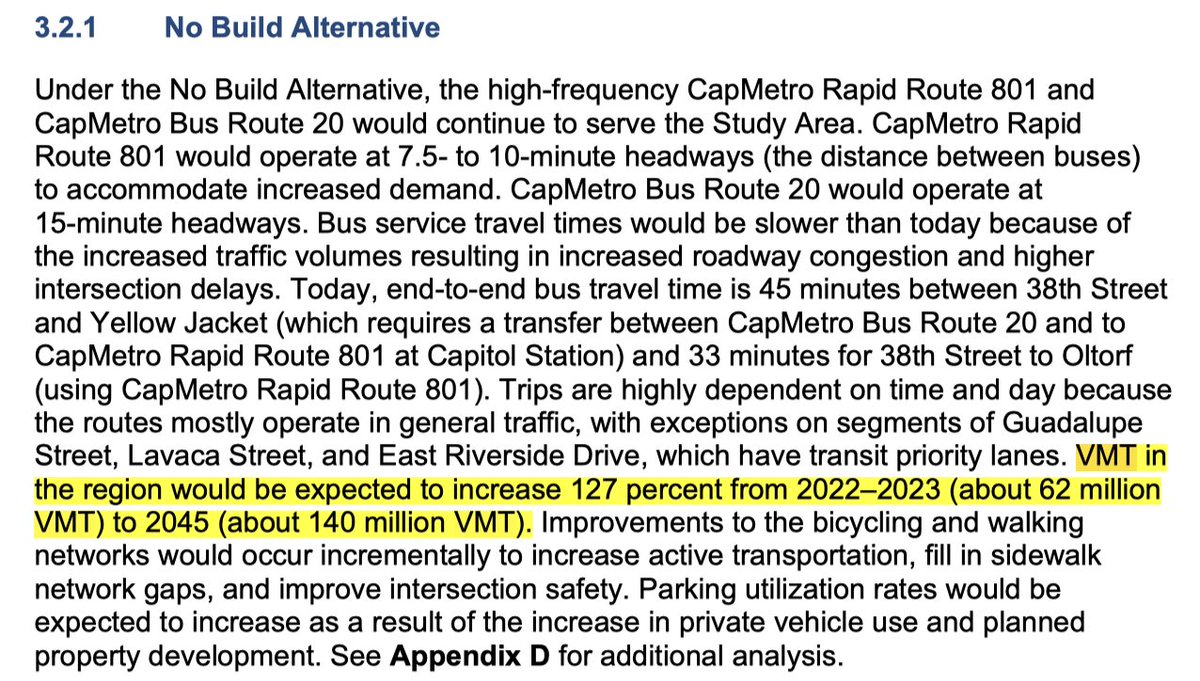
The city sold the train as traffic relief. Consider its own numbers...
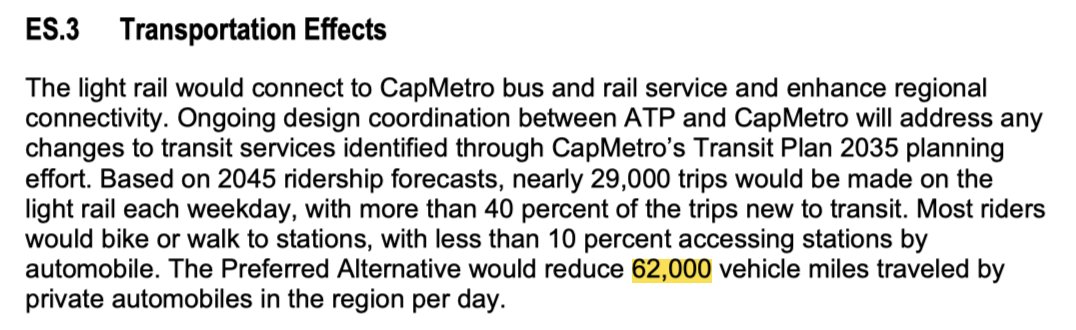
By 2045, Austin will drive 140 million miles a day. The train will take 62,000 of those miles off the road, so 4.5 for every 10,000 driven. So theoretically a .0045% reduction in cars on the road
To get there, the city will remove traffic lanes all over the busiest areas in town (Guadalupe, Trinity, E Riverside, etc), and eliminate more than 600 parking spaces.
Will this improve congestion?