Mahmud Gāmi gazed into the future—his poetry on the life of Prophet Yusuf (written in the 18th century) now mirrors the grief of Kashmir’s enforced disappearances.
Arundhati Roy has raised her voice for Kashmir’s right to self-determination but a closer look reveals several anxieties. This also calls into question the wider impact of divorcing the movement from its roots and the realities on the ground.
They might plant their tanks in the bellies of her women and children, or they might toss her into the sand, into the sea, into blood.
But:
Gaza will not repeat the lies.
Gaza will not say yes to the conquerors.
— Mahmoud Darwish
They might plant their tanks in the bellies of her women and children, or they might toss her into the sand, into the sea, into blood.
But:
Gaza will not repeat the lies.
Gaza will not say yes to the conquerors.
— Mahmoud Darwish
It is doubtful that Mir Sayyid Ali Hamadani visited Kashmir three times; nor does he seem to have really stirred the Valley during his brief visits. This however, should not delude us into believing that Sayyid Ali’s role was negligible.
— Kashmir's Transition to Islam
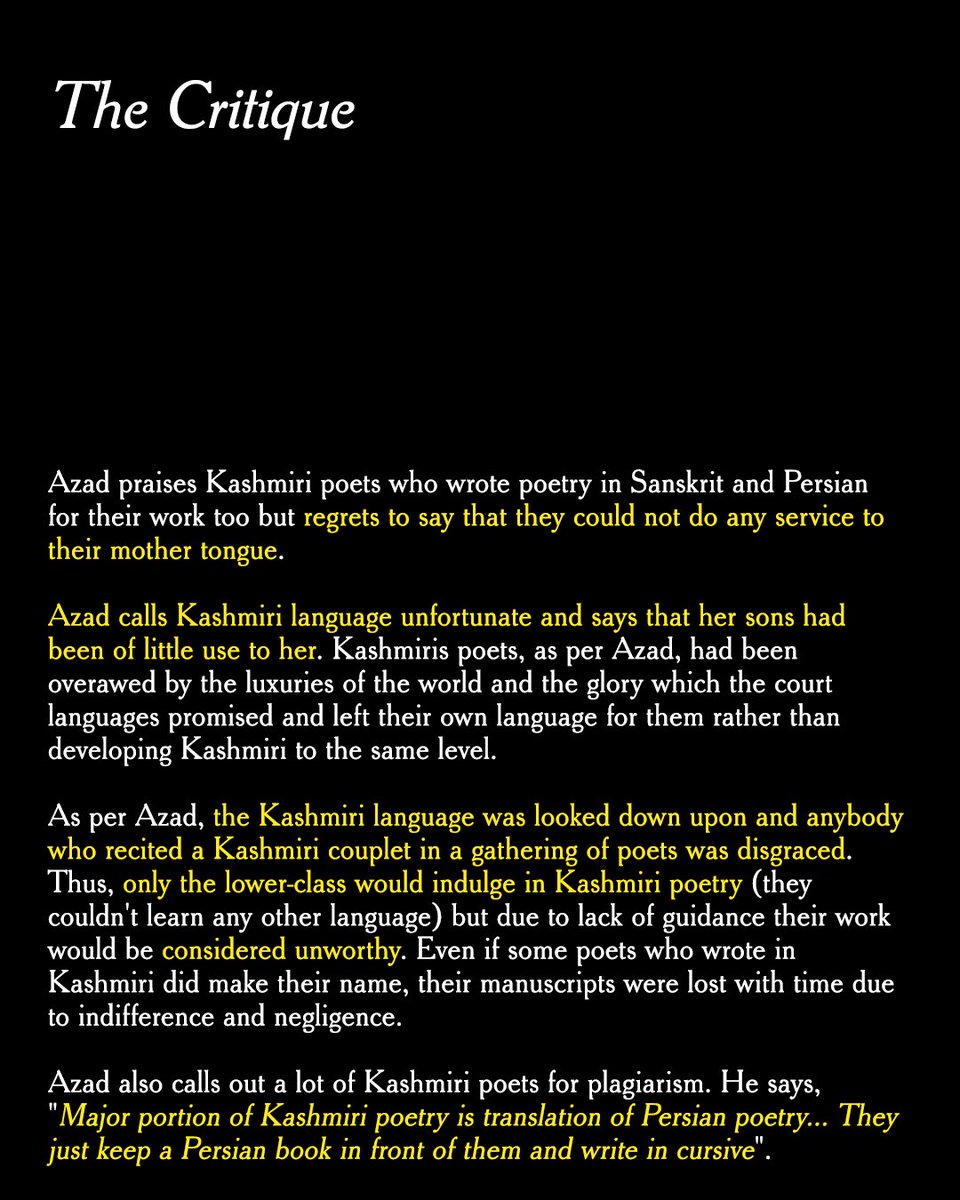
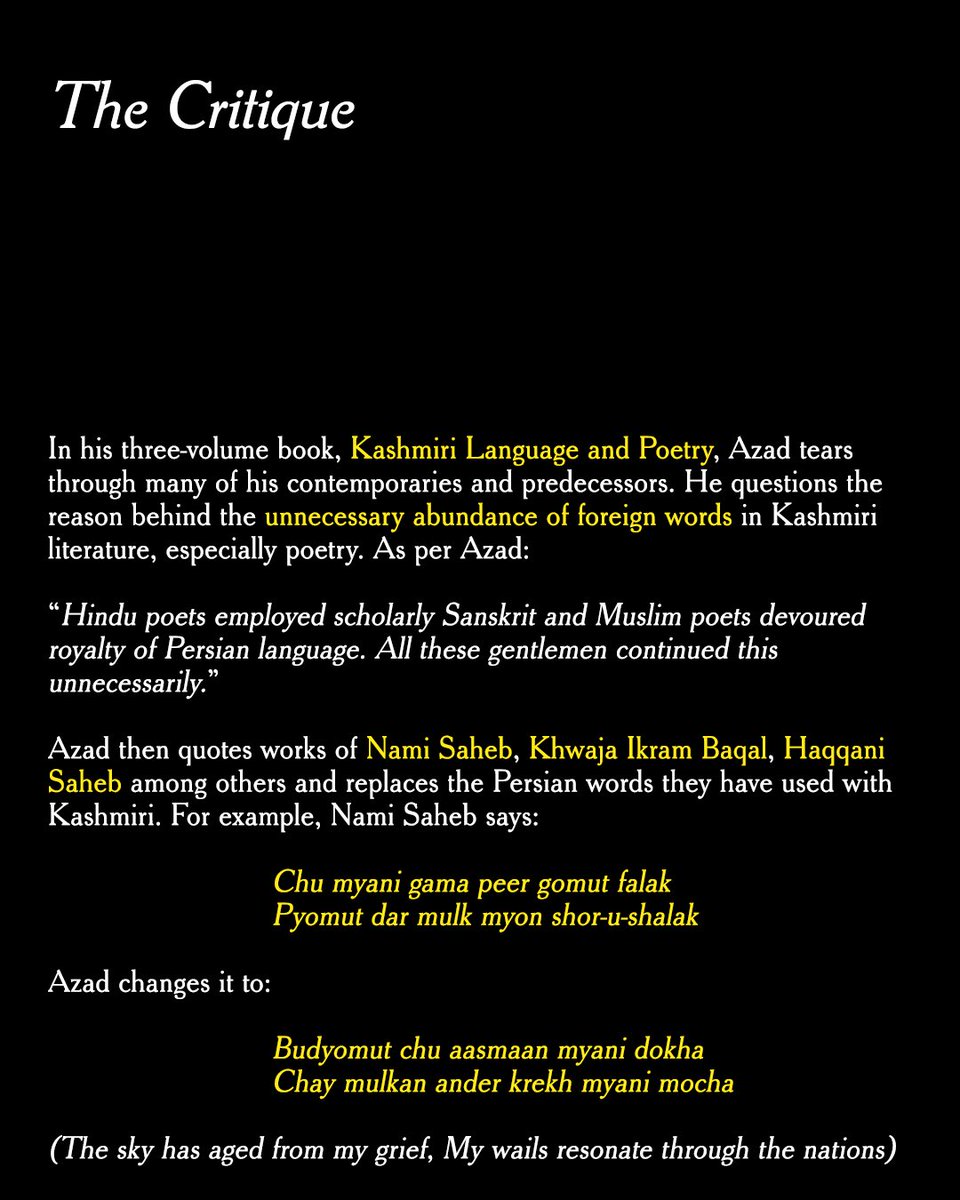
Azad’s work is the first description of Kashmiri language and literature, first history of it and presumably the first criticism too. He was also the first researcher to research the lives and poetry of Kashmiri poets.
#Kashmir
Libya's iconic resistance leader, Omar al Mukhṭār, also known as "The Lion of the Desert" was hanged on 16 Sept 1931 (at the age of 70). He was a Qur'an teacher-turned-general, the leader of resistance in Cyrenaica, Libya under Senussids, against Italian colonization of Libya.
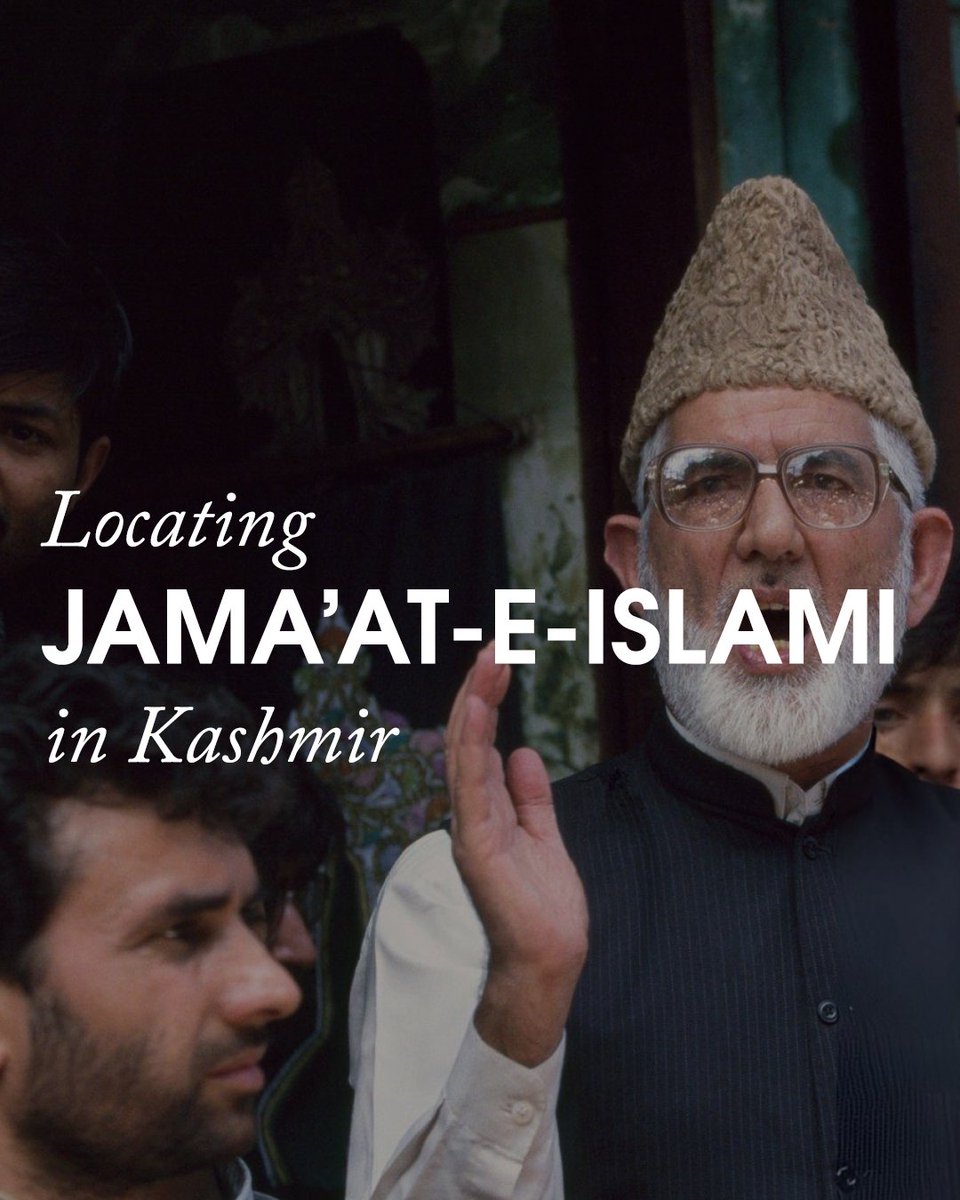
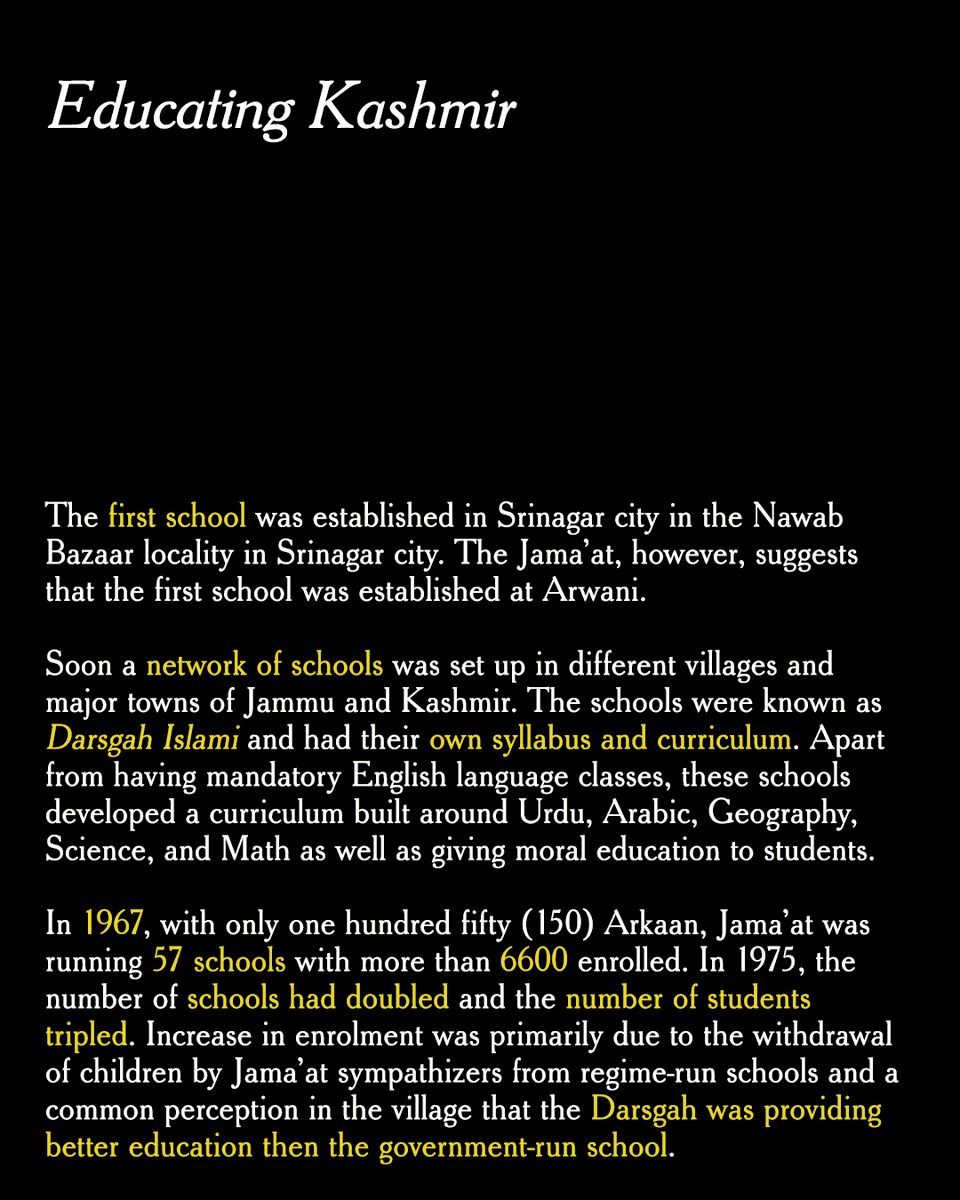
An introduction to Jamaat e Islami Kashmir—exploring its ideology, historical roots, and contributions. Understand the movement’s core principles and its role in shaping Kashmir’s socio-political landscape.
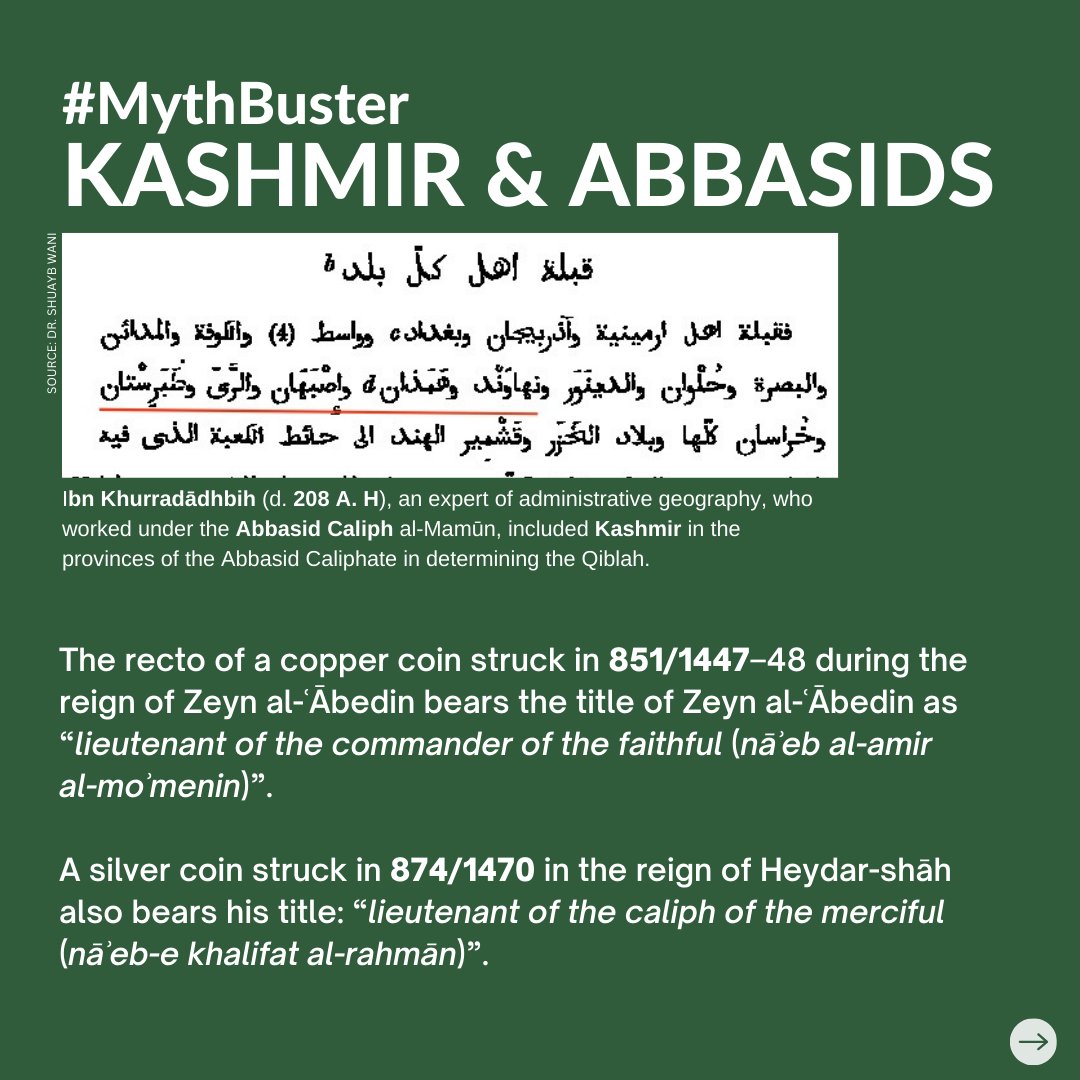
When did Muslim rule really come to Kashmir? Ibn Khurradädhbih, who died in 208 AH (823 AD) mentioned it as a part of the Abbasid Caliphate.
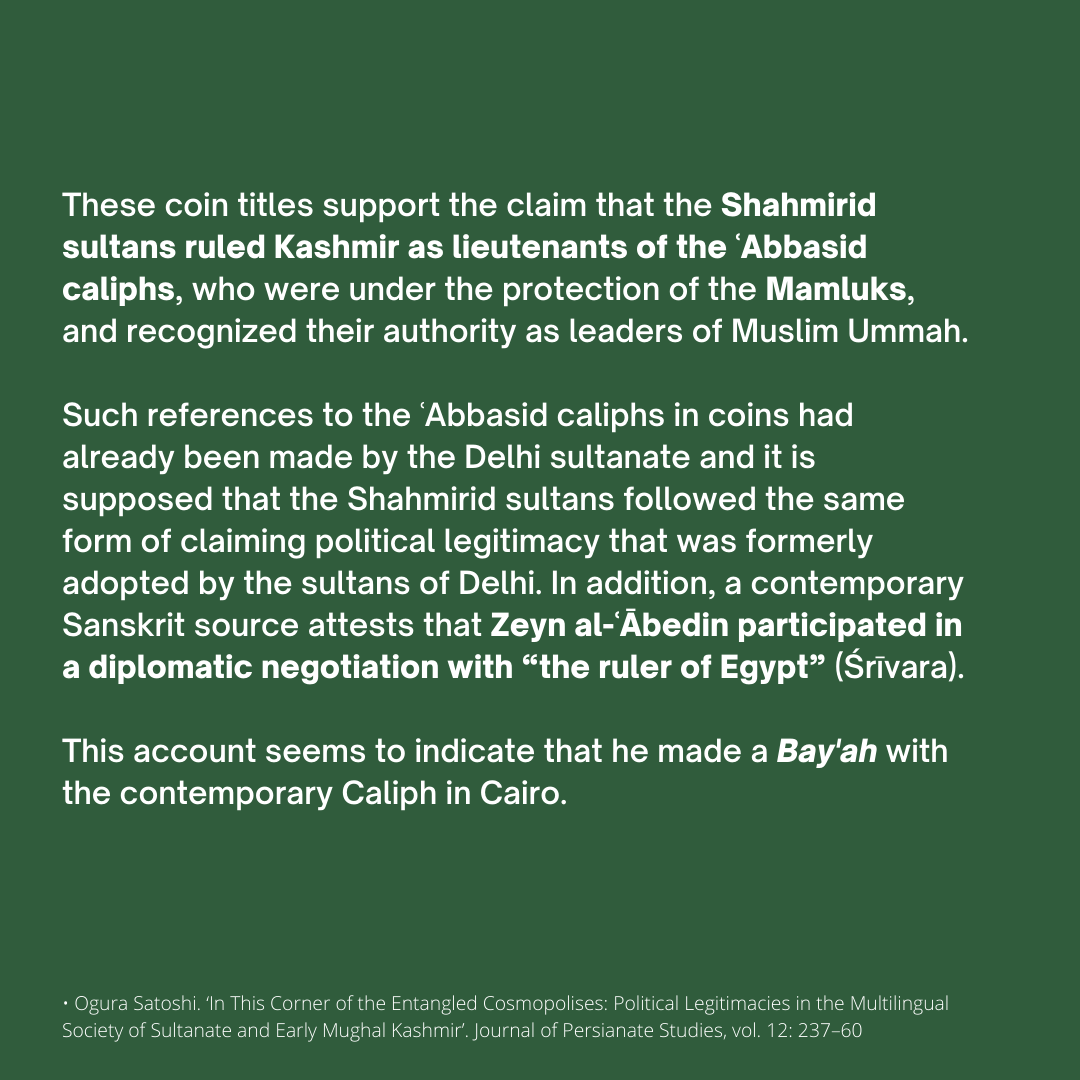
Hundreds of years later, Kashmiri Muslim rulers were (still) deriving religious legitimacy to rule from the Abbasids.
"Zindaan aakhir zindaan hi toh hai. Rahi hathkariyaan, yeh toh hamara dil pasand zewar hai."
This excerpt is from a letter written to Dr. Farooq Haider, who was a very close friend of Maqbool Bhat, and an important political associate. Maqbool Bhat wrot… https://t.co/vtIpahzZ6y
Perhaps no account of Bakshi’s rule was as damning as Rehman’s satirical poem in Kashmiri, Maefi Nama (Apology). Rehman joined the bureaucracy under Bakshi, and took part in Jashn-e-Kashmir and the other cultural projects of the state. However, it appear… https://t.co/6sIp6aJhGK