An open book review site published by the American Academy of Religion (@AARWeb). We provide up-to-date coverage of scholarly publishing in religious studies.
After careful consideration, the American Academy of Religion has decided that Reading Religion will cease operations on May 31, 2026.
Reviews will continue through May, after which the site will become a public archive.
Official statement: https://t.co/LaW9I1EAGb
This is Reading Religion’s final social media post.
Thanks to everyone who read, reviewed, wrote, shared, and supported our work over the years. While no further posts will be made, this account will remain available as an archive.
Thank you for being part of the conversation.
Here is Reading Religion’s final newsletter.
Thank you to everyone who read, reviewed, wrote, published, and supported Reading Religion over the years. We are grateful for the community that made this work possible.
https://t.co/jWtmus2NAJ
For nearly a decade, Reading Religion has served as a scholarly and public resource for reviews of books, films, and review essays in religious studies.
Thank you to the editors, reviewers, authors, publishers, and readers whose care and labor sustained this work.
Four books that rethink how religion shapes human connection and community — from Howard Thurman’s insights on the disinherited to intercultural feminist theology. A powerful list on human relatedness and religious ethics.
https://t.co/H644qL4wjc
New on Reading Religion: a review essay rethinking Charlemagne, religious politics, and the Carolingian legacy—through texts, objects, and historical memory. https://t.co/XYMpyu8MN6
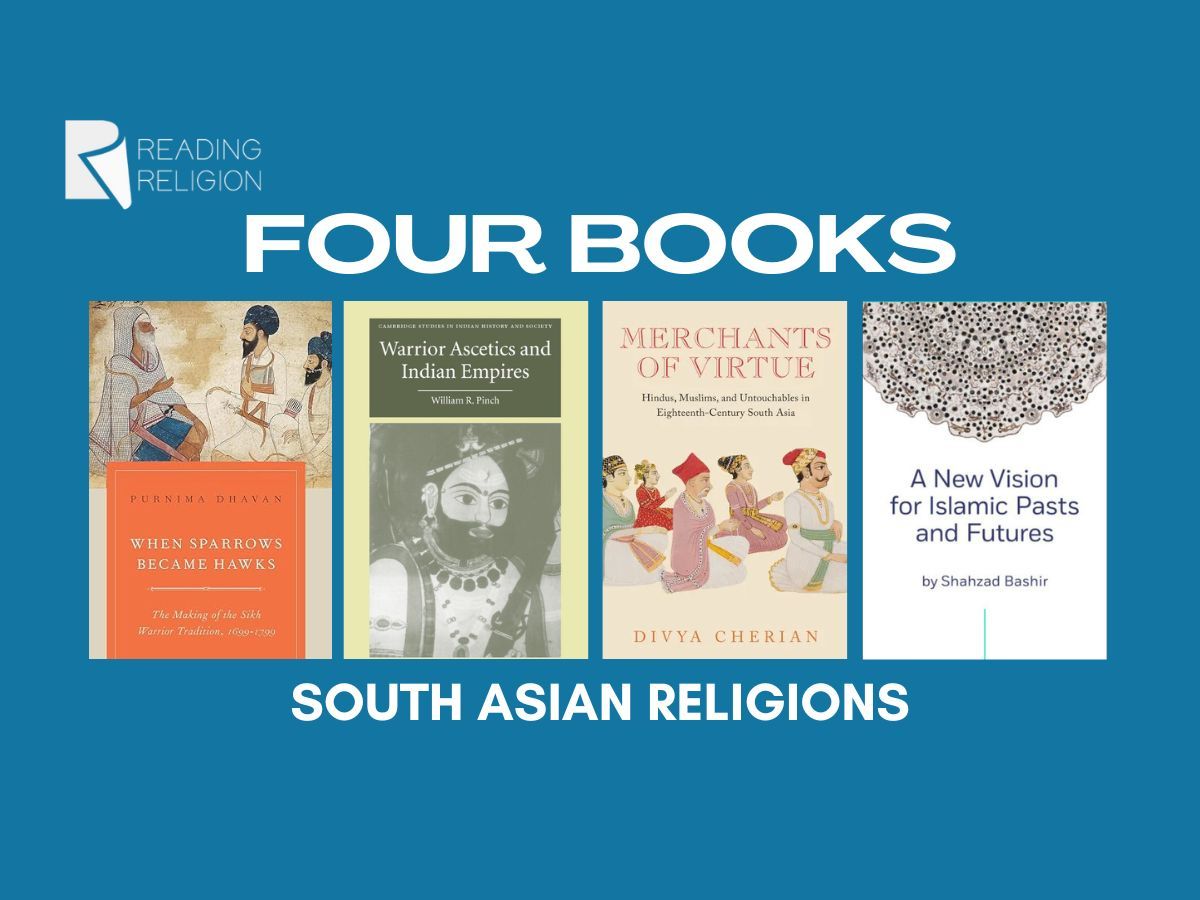
Our latest Four Books installment explores scholarship that reshapes how we understand South Asian religions—from Sikh warrior traditions to caste, empire, and Islamic futures.
Discover the full list: https://t.co/Cxnvhv0LXv
Davyda M. Hammond reviews 'Black Religion in the Madhouse: Race and Psychiatry in Slavery's Wake' by Judith Weisenfeld (@NYUpress) https://t.co/oP6BA1jhyM
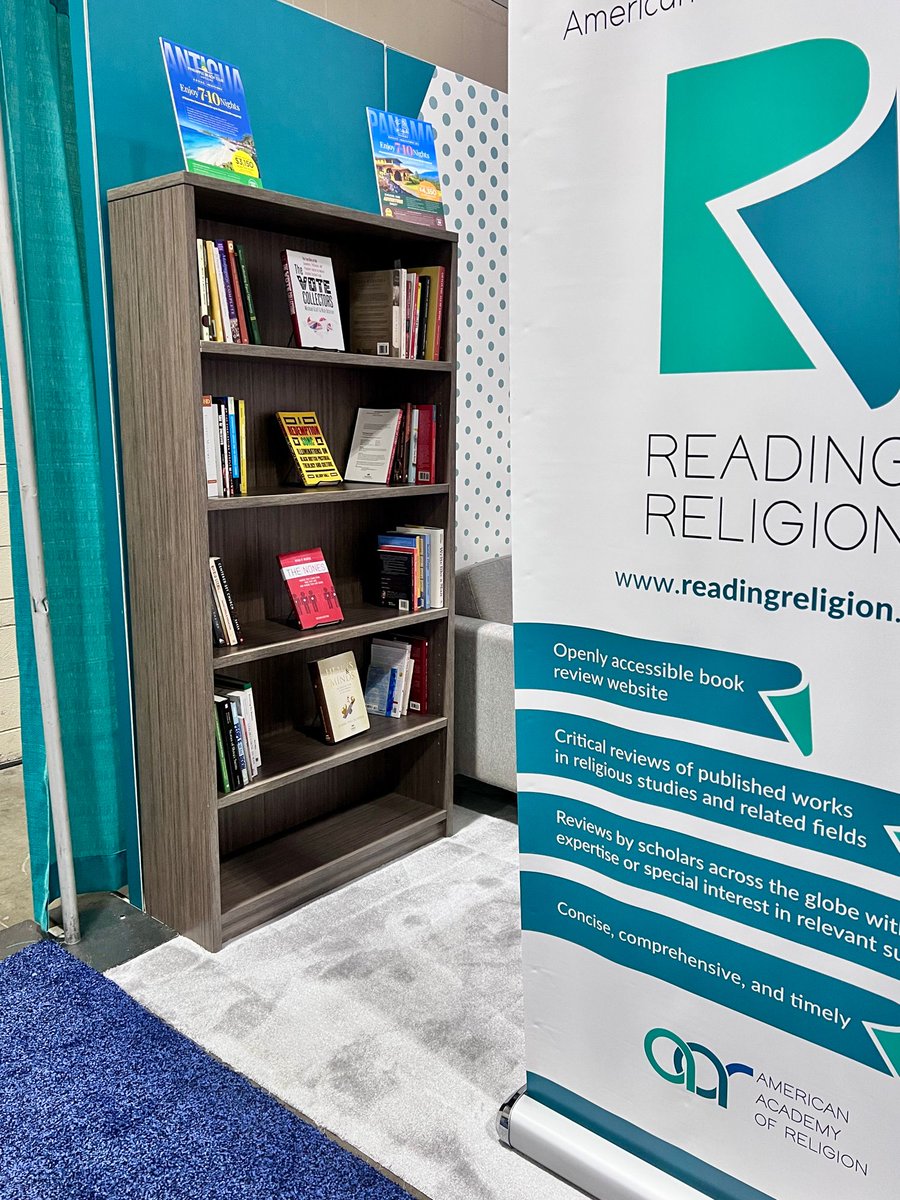
Coffee, conversations, and free books at the AAR/SBL Annual Meetings!
Visit the AAR exhibit booth, sign up for the Reading Religion newsletter, and pick out a free book (while supplies last). #ReadingReligion#AARSBL25
As #AARSBL2025 meets in Boston, we join colleagues raising urgent concerns about ICE enforcement in and around sacred spaces. Please read the AAR Board’s statement and share know-your-rights “red cards” with communities who need them.
🔗 https://t.co/wd2i9iJcze
#ReligiousStudies
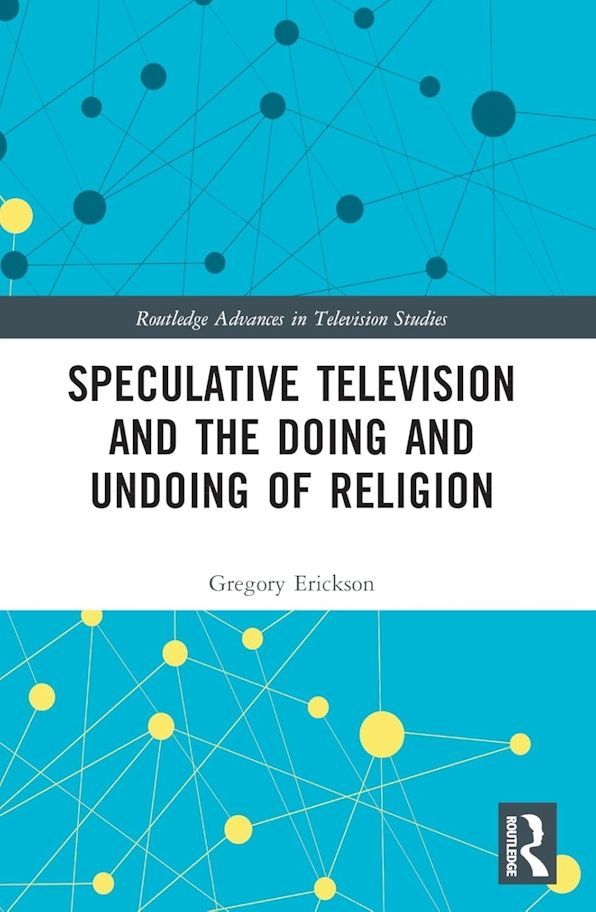
How does speculative TV “do” and “undo” religion?
Gregory Erickson explores how shows from Buffy to Westworld become stages for faith, doubt, and new sacred meanings.
Read the review: https://t.co/izGLGA0M2t
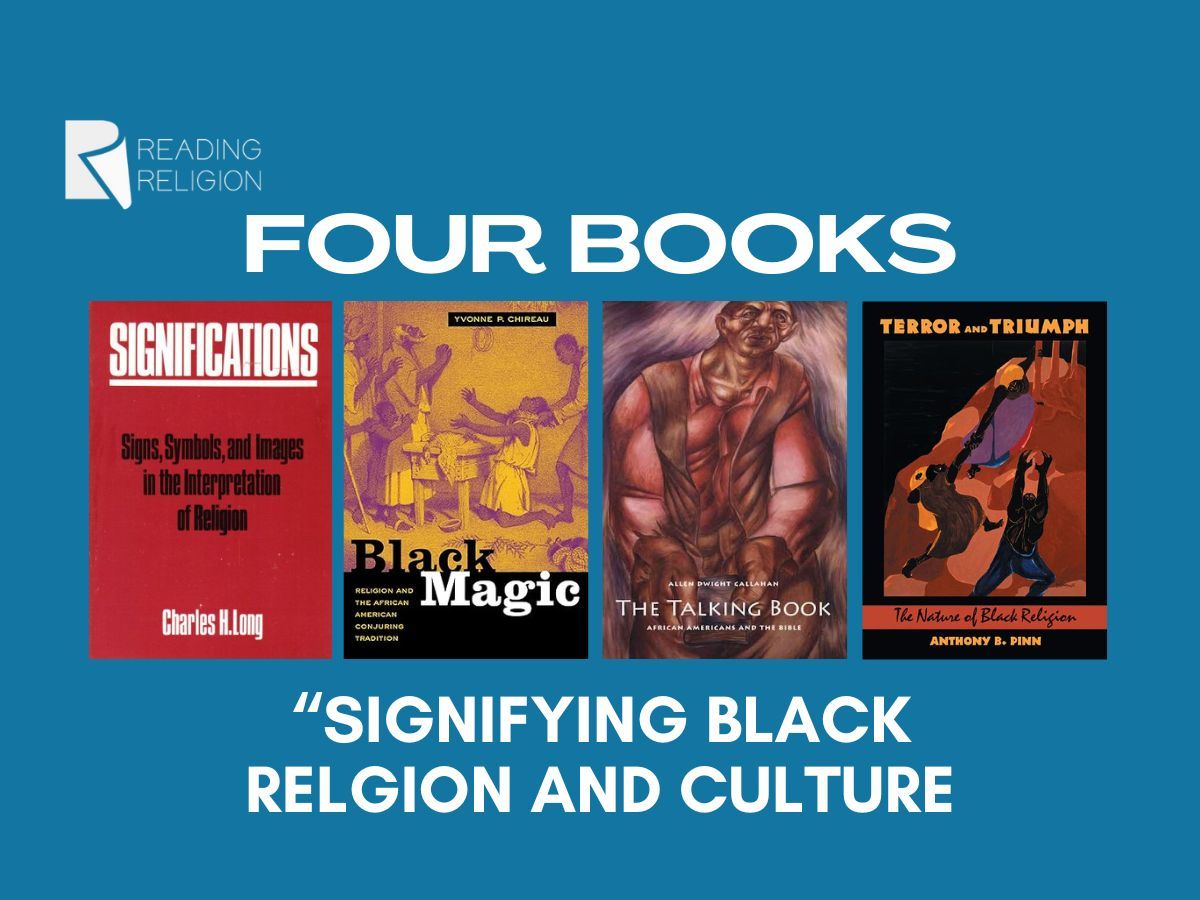
What does it mean to signify Black religion?
Juan M. Floyd-Thomas explores four key works that trace how Black religious life reshapes symbols, meaning, and culture.
Read: https://t.co/bwwiQsAVIw
Shu-chen Hsu Hsiung reviews 'Negotiating the Christian Past in China: Memory and Missions in Contemporary Xiamen' by Jifeng Liu (@PSUPress). https://t.co/iNFaLUsbb2
What happens when pop idols become shamans?
Minjung Noh’s review of K-Pop Demon Hunters explores how the film turns Korean shamanism into pop spectacle—where fandom becomes faith and music becomes ritual.
Read more: https://t.co/7lDfvdFd3d
#Religion&Culture #KPop#FilmReview
Ethan Doyle White reviews 'Vernacular Religion: Collected Essays of Leonard Norman Primiano' by Deborah Dash Moore (Editor) (@NYUpress) https://t.co/UIfiwL3nSg
For #NativeAmericanHeritageMonth, we revisit Sugarcane — a documentary confronting the legacy of residential schools and the persistence of Indigenous care.
Read our review → https://t.co/RdpkmXBd4f
#FilmReview#IndigenousStudies
Our October newsletter is here! Explore our Four Books essay on Buddhist modernism, a new reading list on magic, horror, and the supernatural, plus the latest reviews and titles available for review.
Read now → https://t.co/VMbF2dhSWr
#Religion#ReligiousStudies