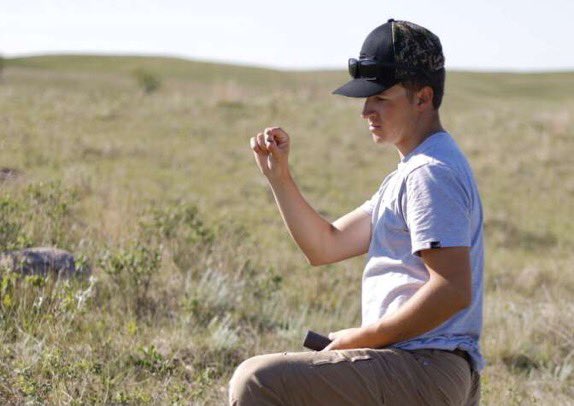
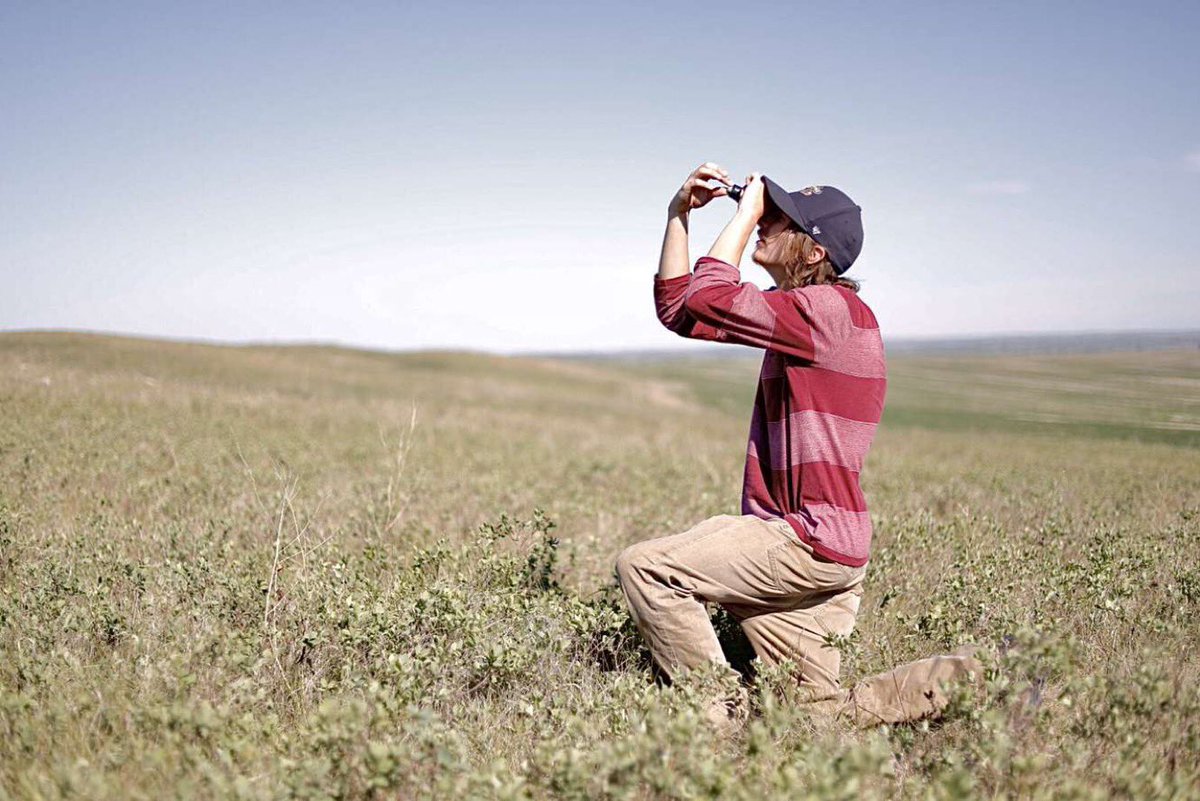
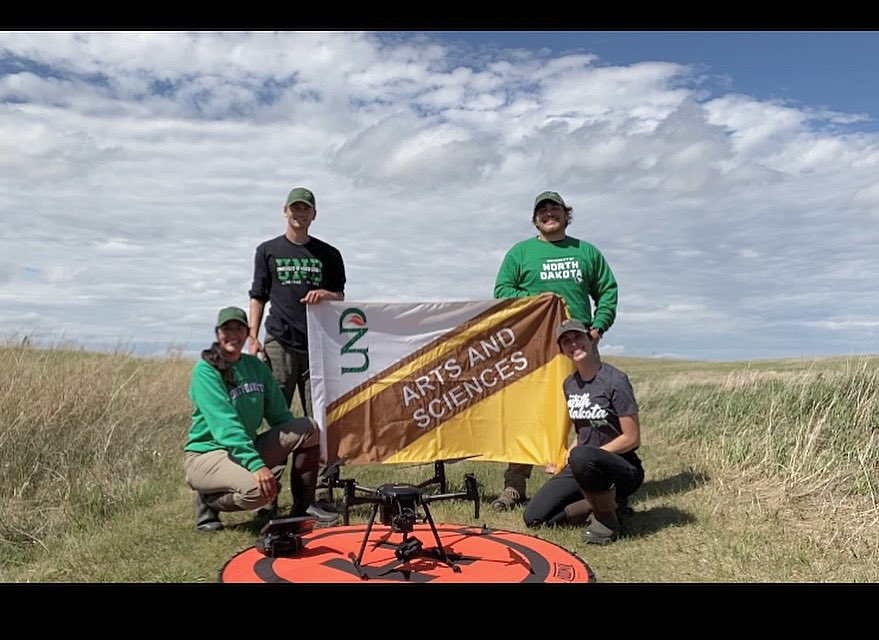
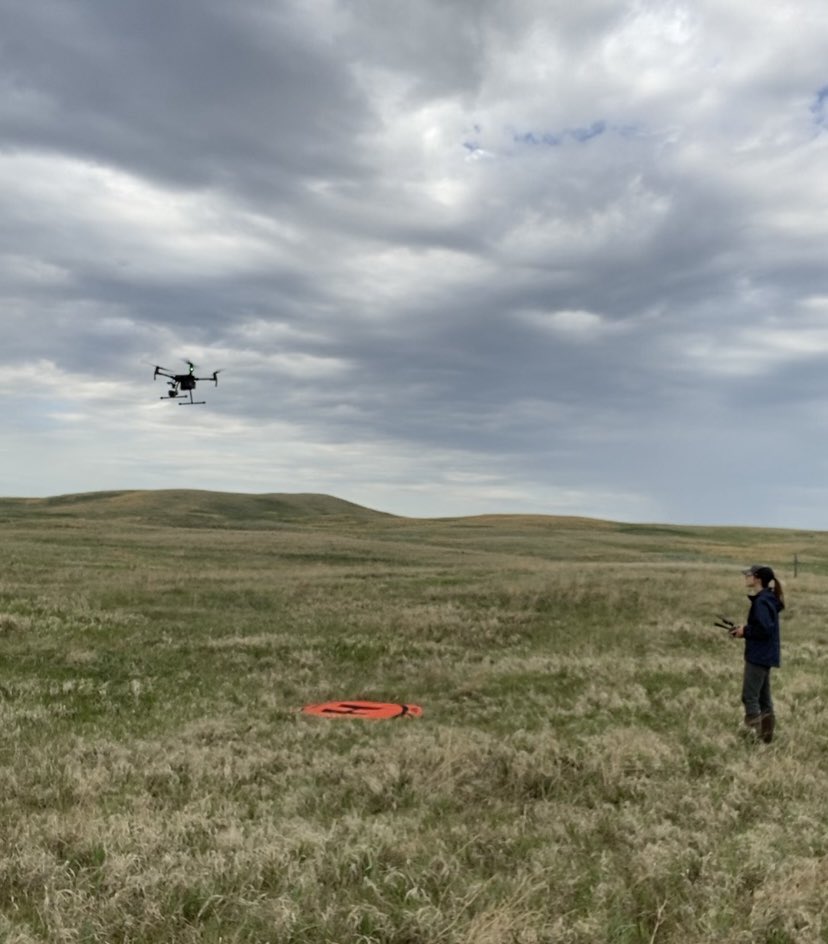
Student researchers from @myUND gathering data about ducks, their young and the wetlands that support them with help and support from @DucksUnlimited and @USGS.
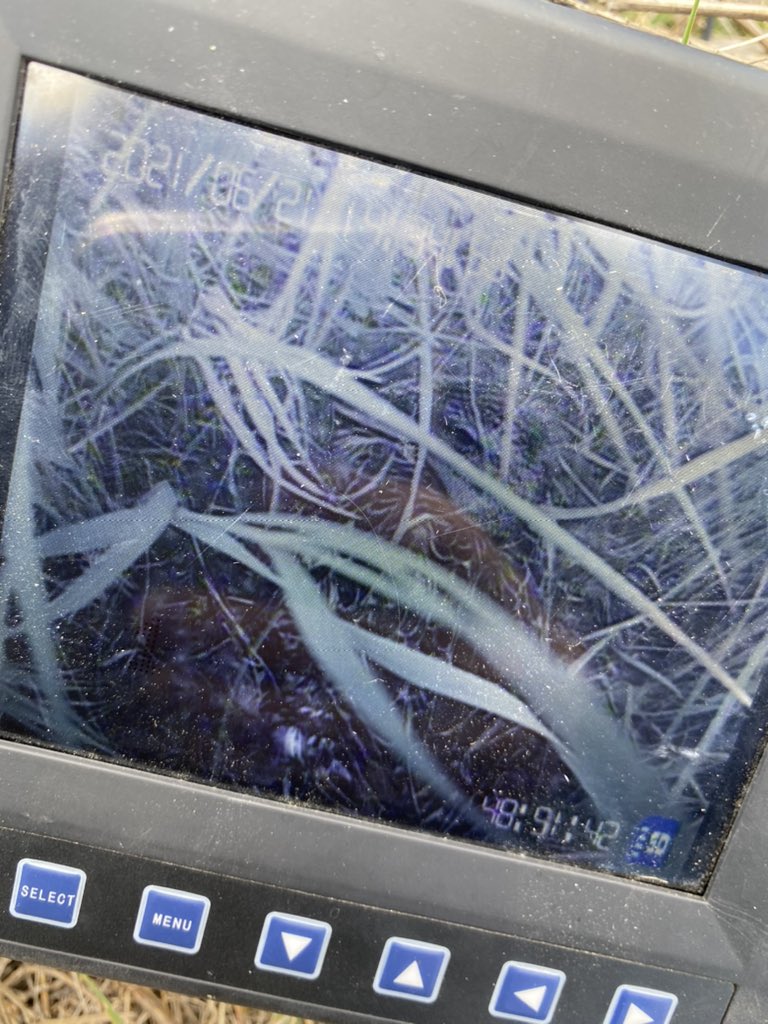
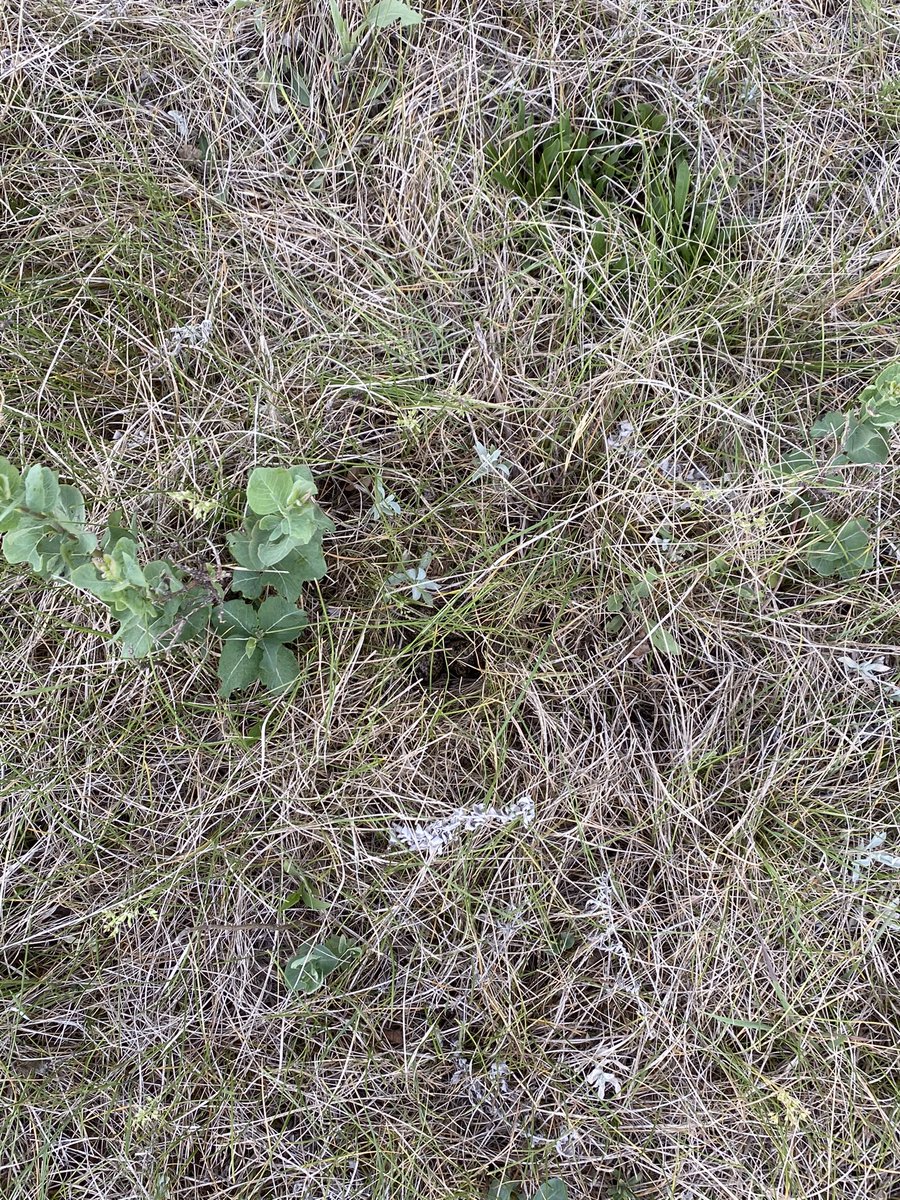
As summer comes to an end, so does the heat! We are sure that this hen is thankful for the fall weather that is approaching. #DYK hens pant just like other animals to stay cool in the sun while laying in her nest.
#DucksUnlimited#ducknest#hen#fallweather#summerheat
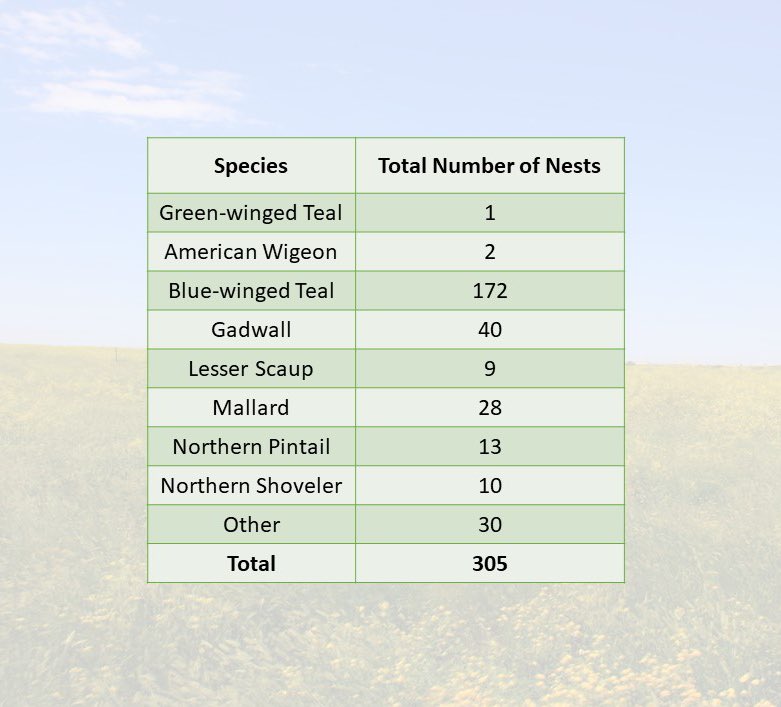
Here is our #species breakdown of nests located this summer! Our most common nest was #BWTE with a total of 172 nests! The second most common was #GADW with 40 nests!
Can you guess what bird species we found that would have fallen into the “other” category?
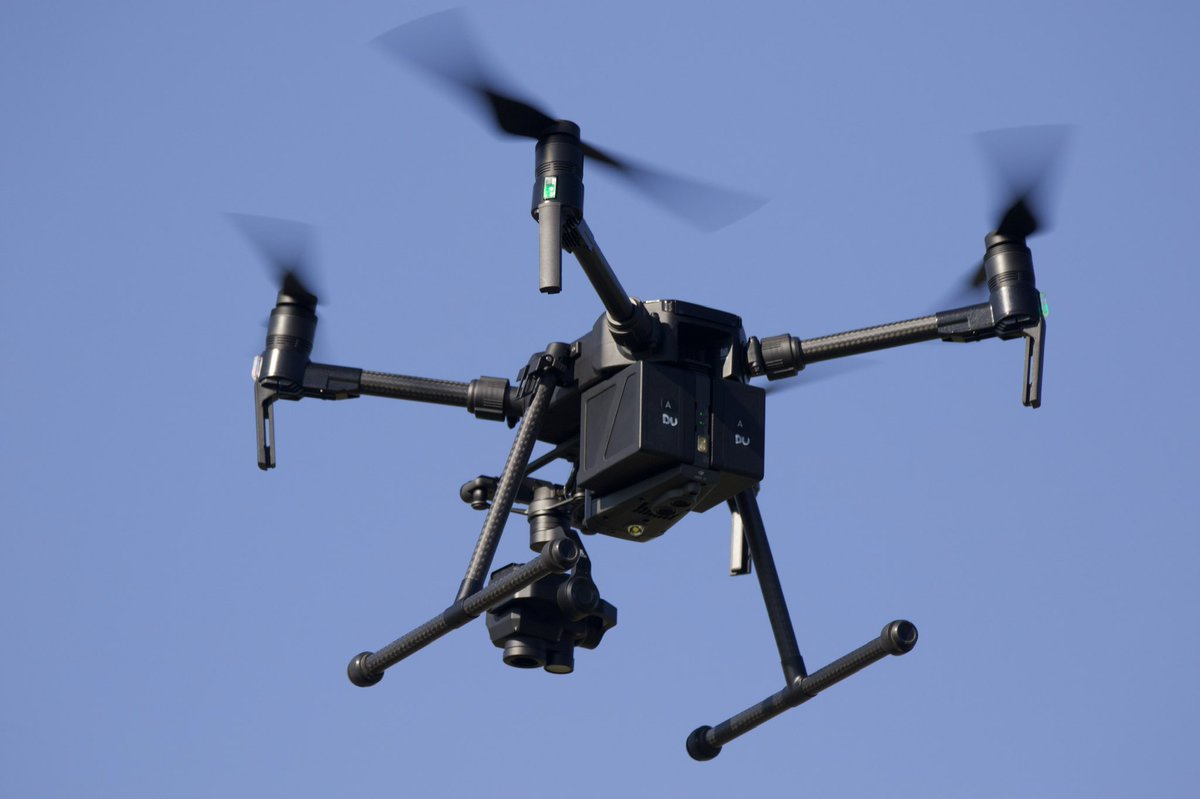
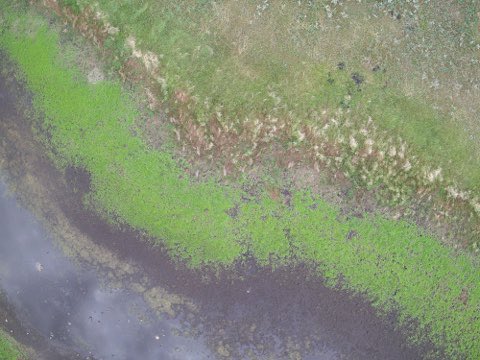
A true birds eye view!
#DYK that in recent years #drones have become an increasingly popular tool to survey and capture imagery of #wildlife and their landscapes?
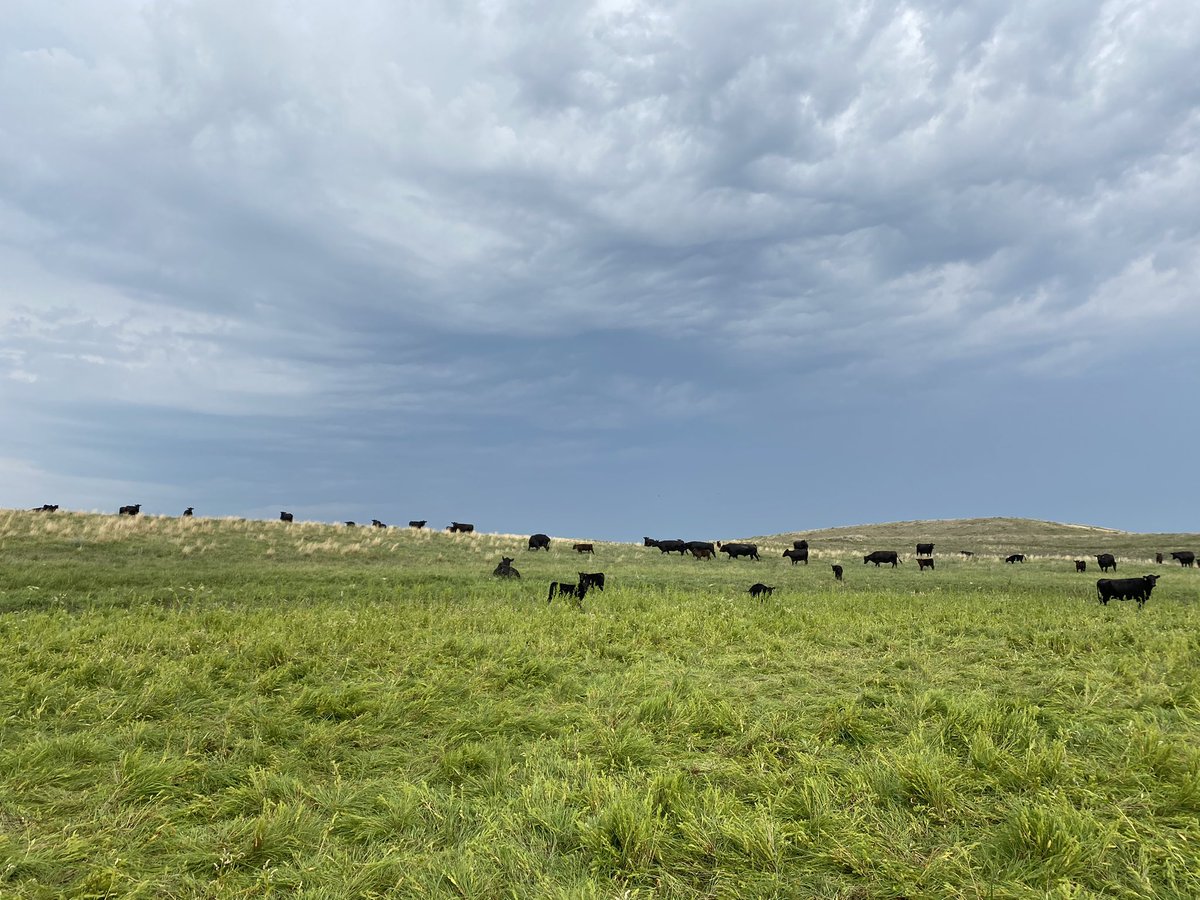
#DYK that #grazing animals such as cattle prevent overgrowth of vegetation which encourages nutrient cycling to keep the vegetation productive and the soil and #wetlands healthy for #waterfowl and other native species?
#DYK that on average it takes at least 12 hours for a duck egg to #hatch and up to 48 hours once it starts #pipping? Pipping is a crucial stage in #development as it allows the #duckling to build up strength to eventually leave the nest and make the journey to a nearby #wetland!
Our nest #dragging season has come to an end! Despite the #drought conditions our Real Duck Tails team found a total of 295 #duck and #shorebird nests! Our most common species was #BWTE with estimated 166 nests!
The Virginia Rail is a secretive marsh bird that commonly wanders along #marsh edges and in #reeds. They are easily detected by their call, but we were able to locate a #best during one of our #wetland surveys.
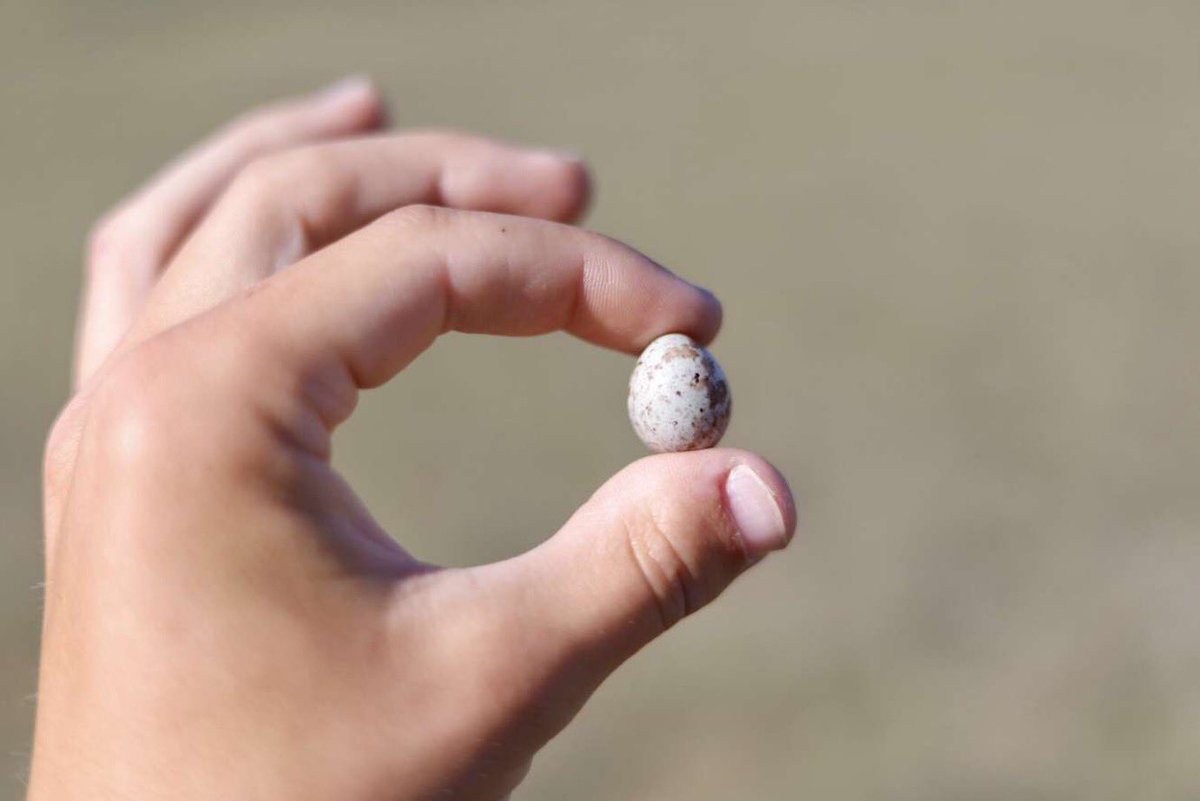
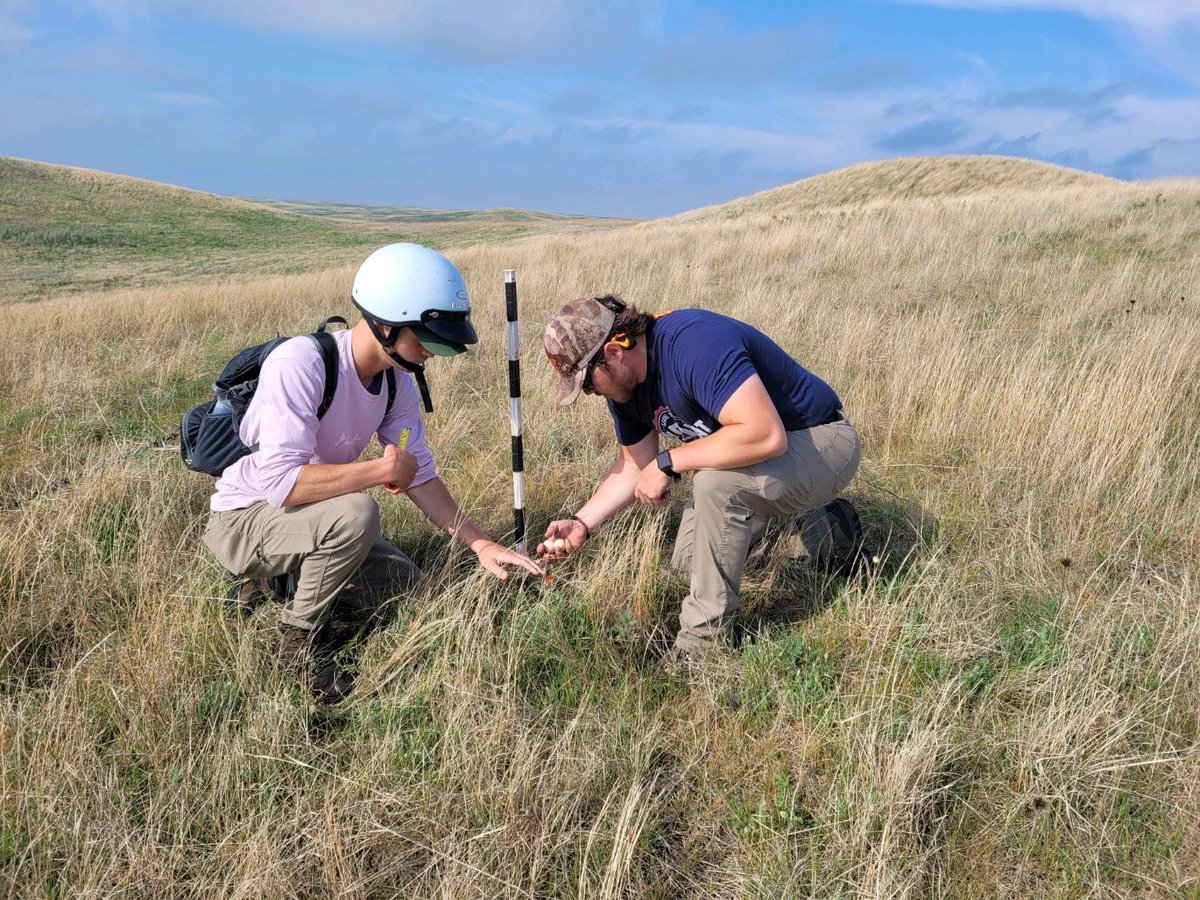
UND #grassland technicians working on studying effects of high intensity short duration #grazing on grassland bird nests. They are candling #songbird eggs to monitor embryo development.
#ducks use small, shallow #wetlands early in spring. These Type I wetlands are the first to warm and therefore the first to produce #invertebrates on which birds can feed.
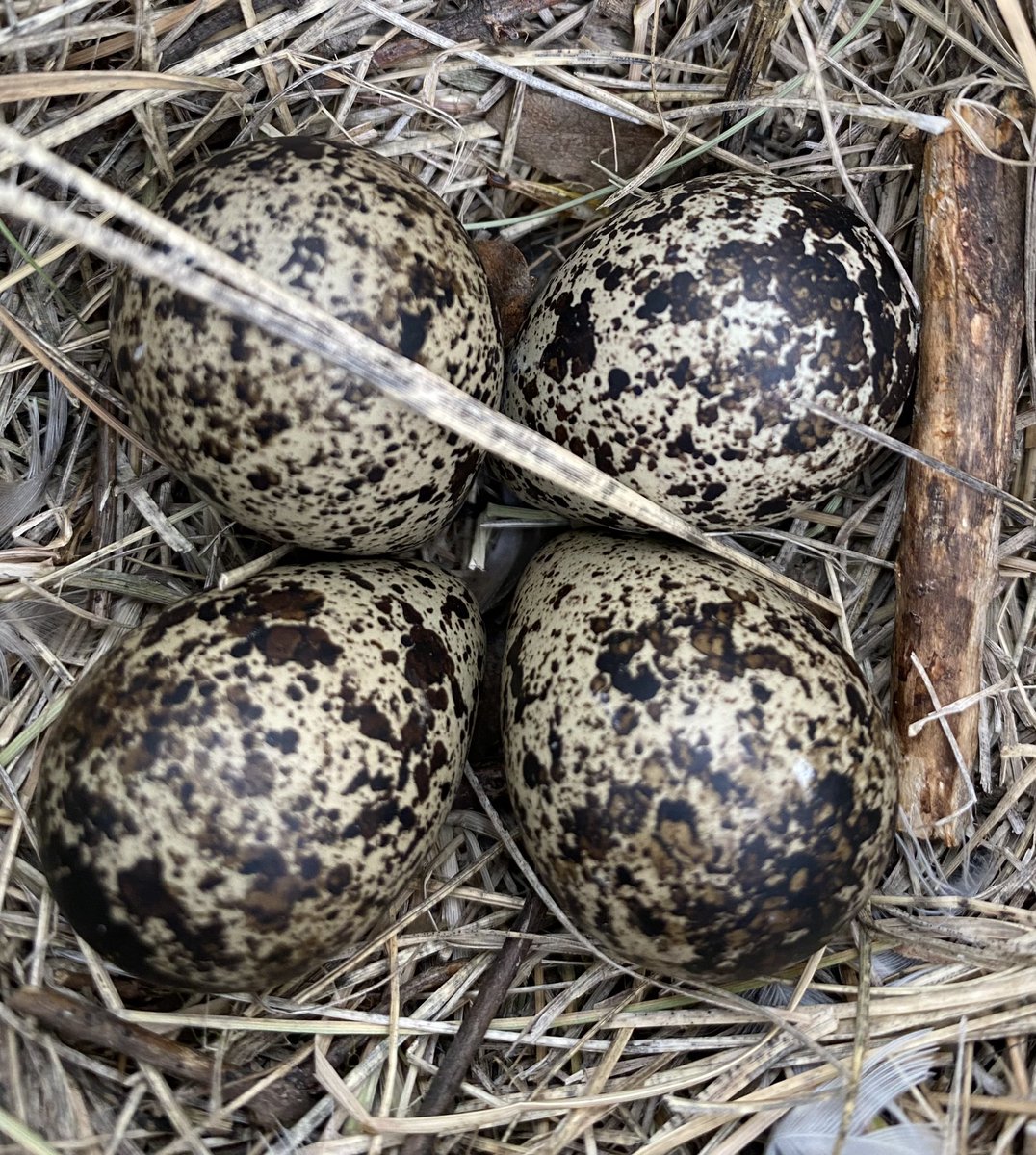
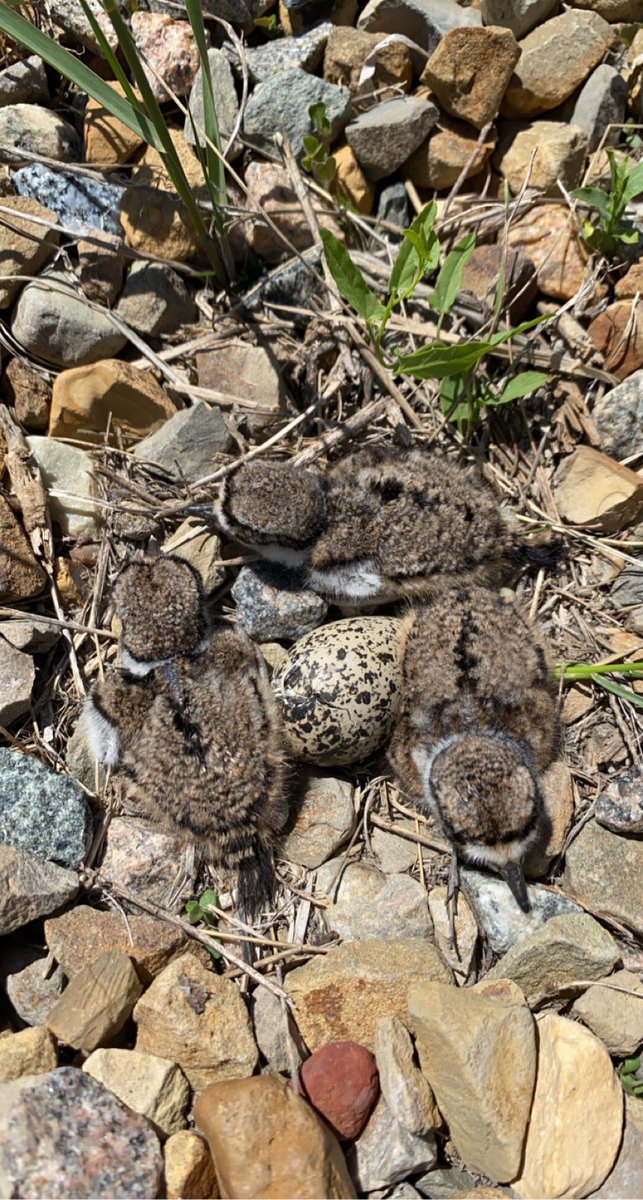
Our third week of nest searching is complete! We have found a total of 124 nests! Today we got to see this #killdeer nest with three #chicks and one hatching egg! #precocial#ducknest