Documentarian, Hollywood Historian, Professional Researcher, and Producer - The Asta: Cinema’s First International Star - NTR’s Hauntings and Tragedies
Mary Pickford had just celebrated her 20th birthday when news of the Titanic's sinking reached New York in April of 1912.
This week let's explore how Mary's life influenced the making of the 1996 film Titanic and later I will offer a DVD of one of Mary's recently restored films.
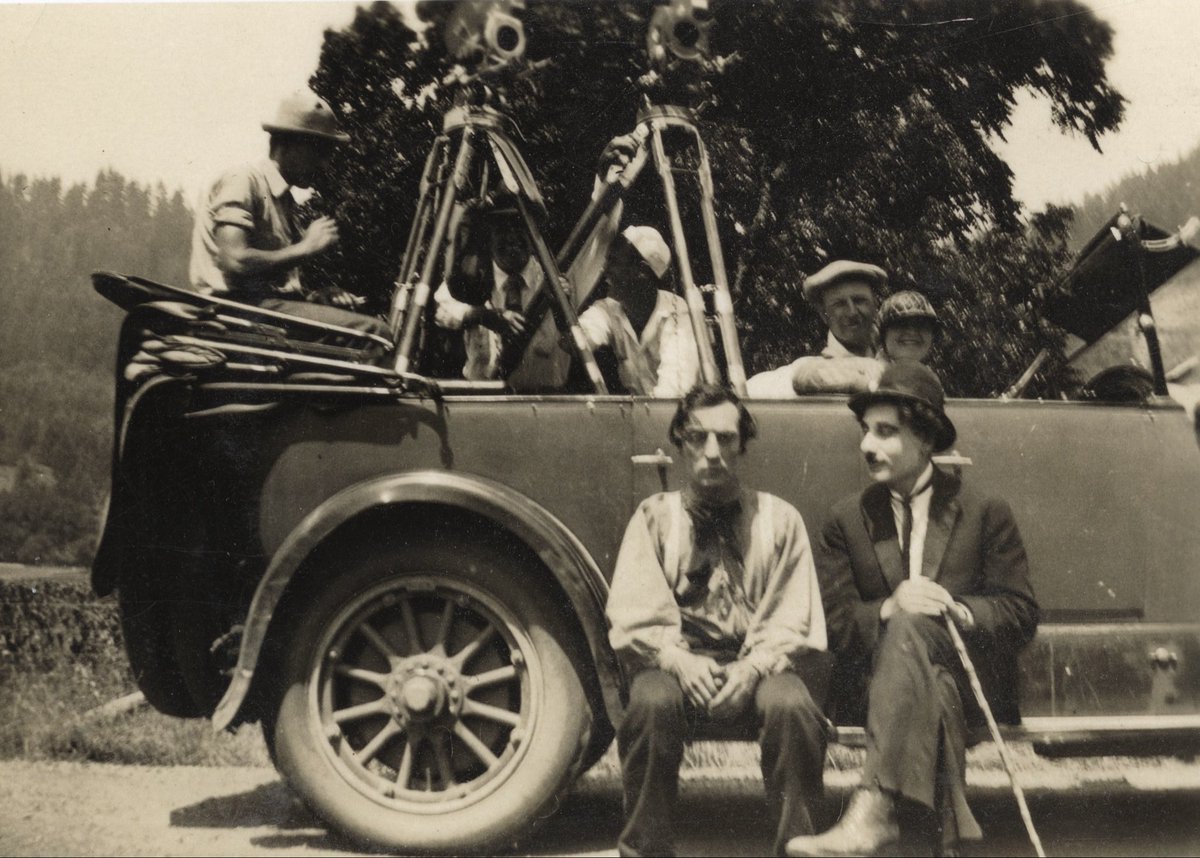
In 1926, while filming The General in Cottage Grove, Oregon, Buster Keaton’s friends would show up from time to time during filming to pull some harmless pranks. Please enjoy this slightly blurry image of Lew Cody surprising Keaton one day on set. #busterkeaton#charliechaplin
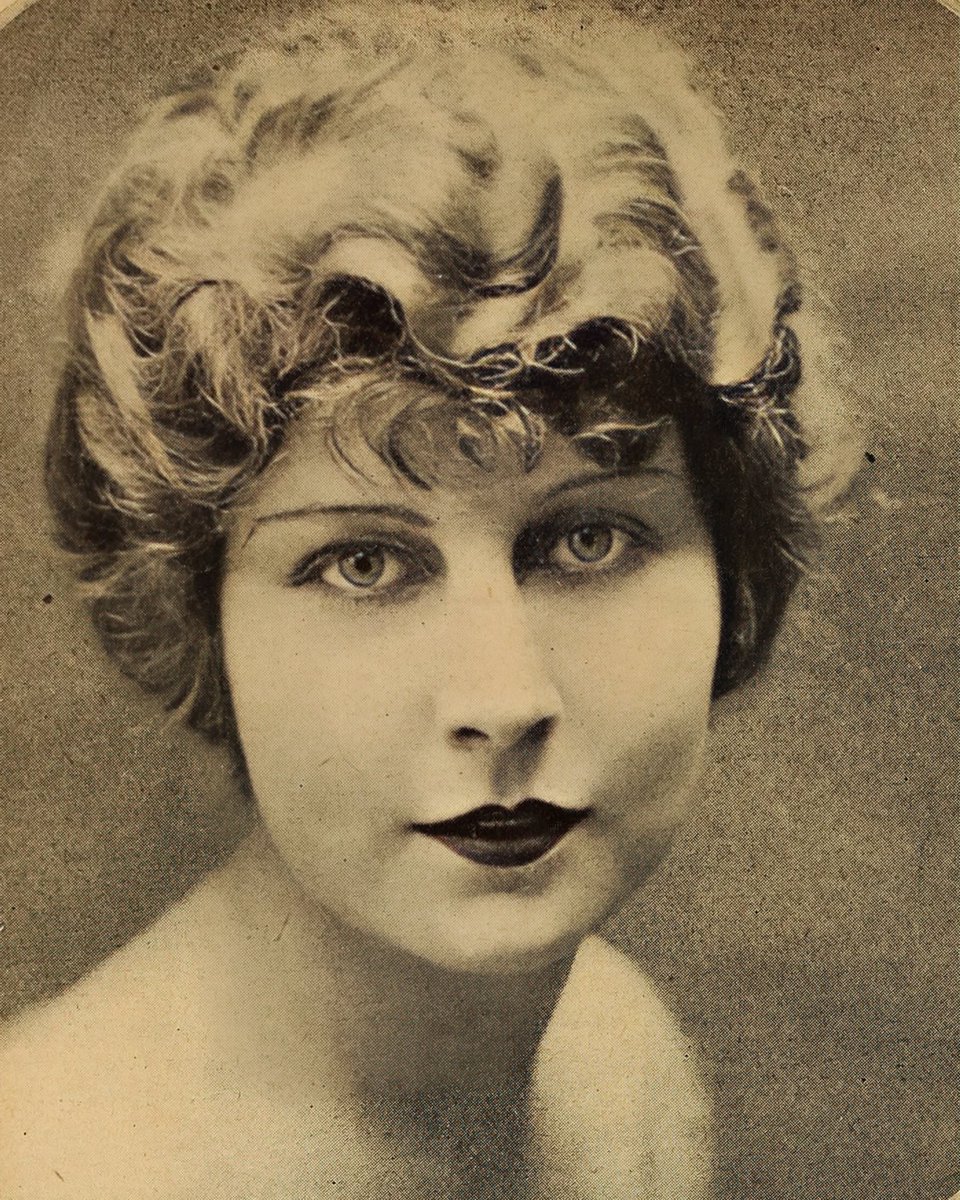
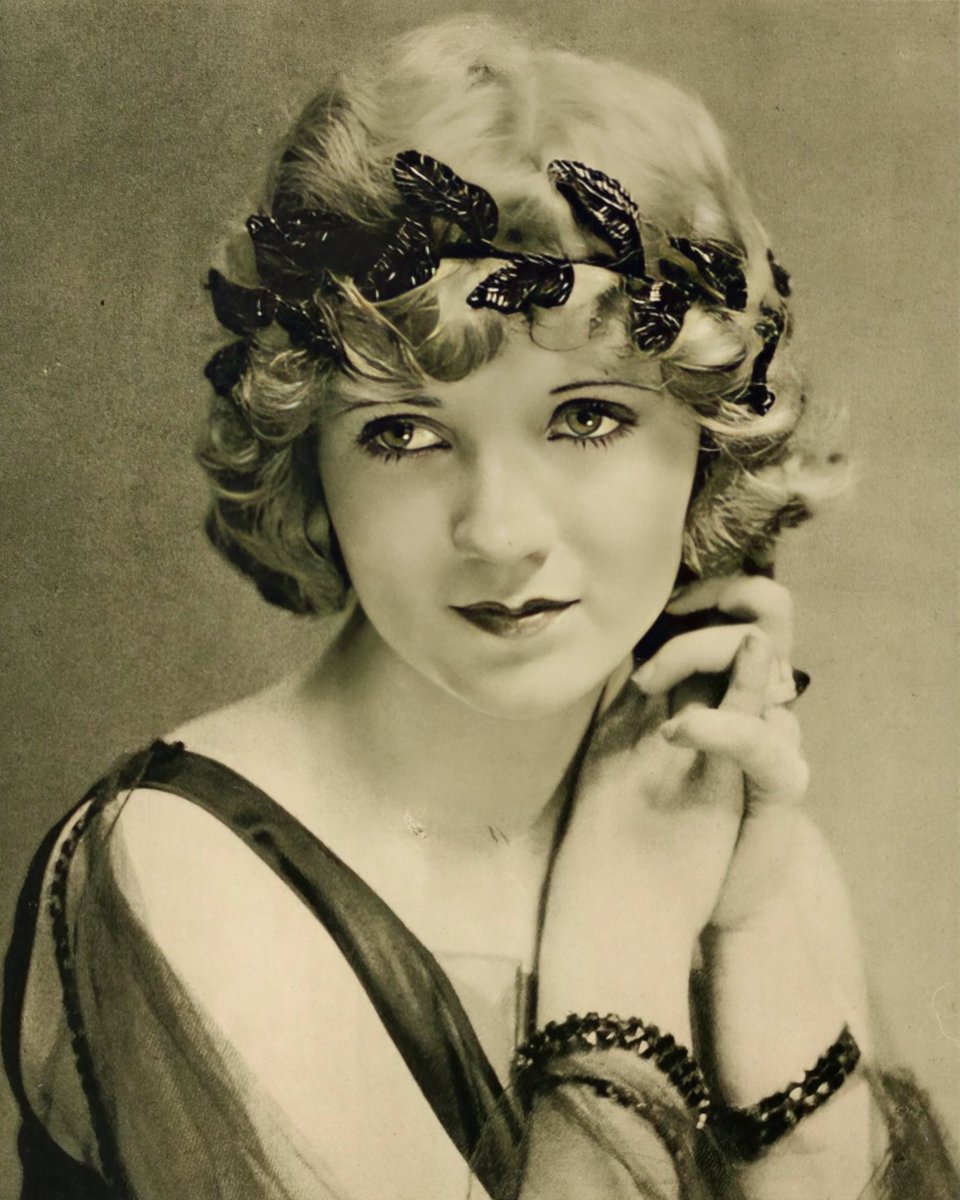
(1/3) She was dubbed by the Thanhouser Company as, “The Second Mary Pickford,” during Mignon Anderson’s six year contract with that film studio. Mignon was quoted as saying, “I was supposed to look like Mary Pickford, I really didn’t.”
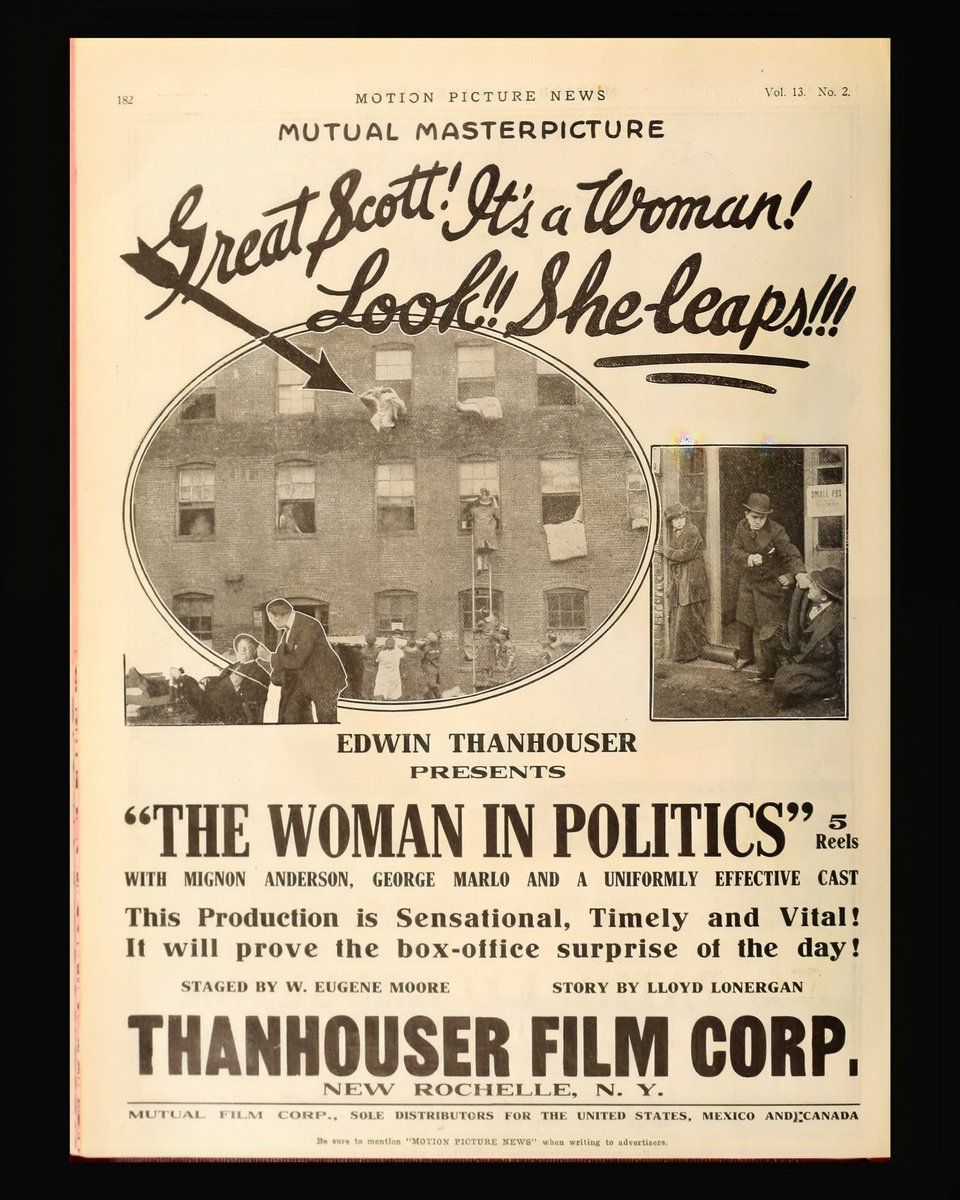
(2/3) On this day in 1916, her film, “The Woman in Politics,” was released. Mignon played the character of, Dr. Beatrice Barlow, a woman with a conscience, medical training, and the courage to expose grafting and criminal politicians to rid her city of boss rule.
(4/4) Dorothy said, “I don’t dream often, but I can honestly say that when I do, the dream always comes true.” In 1922 she would star with Rudolph Valentino in “Moran of the Lady Letty” and then with Jack Holt in her final film, “The Lone Wolf” in 1924.
(1/4) Writer Richard Bishop, of Motion Picture Magazine in 1922 said, “Dorothy Dalton is an extremist and you like her. She is different - very different.”
(3/4) She was described on screen as being able to display remarkable versatility, covering parts from comedy to the heaviest emotional roles. Her early acting career started in vaudeville and quickly began playing the leading ingenue rolls on the stage.
(2/2) Not just any silent films. Films that celebrated top talent like Douglas Fairbanks, Constance Talmadge, Dorthy Dalton, Richard Dix, and Wallace Berry.
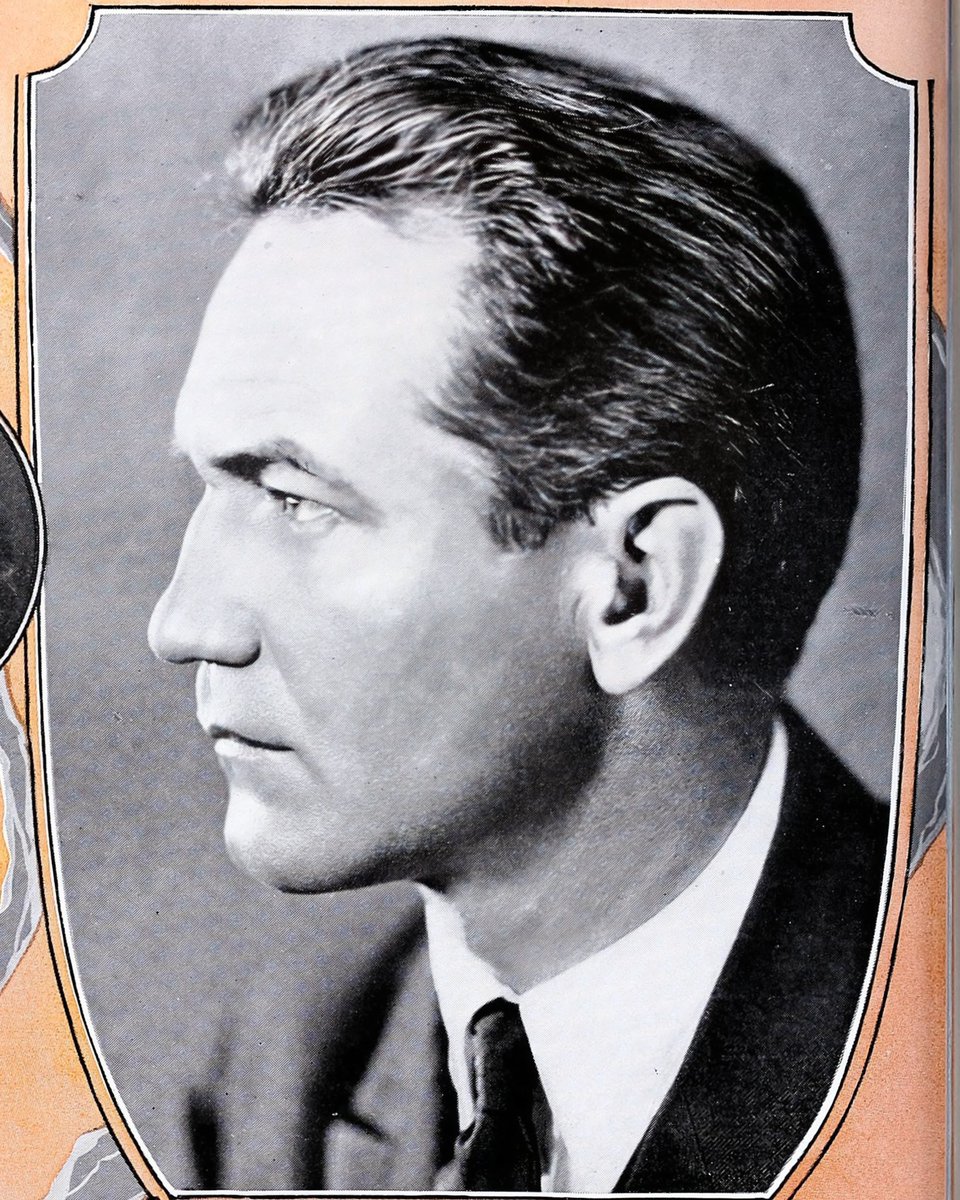
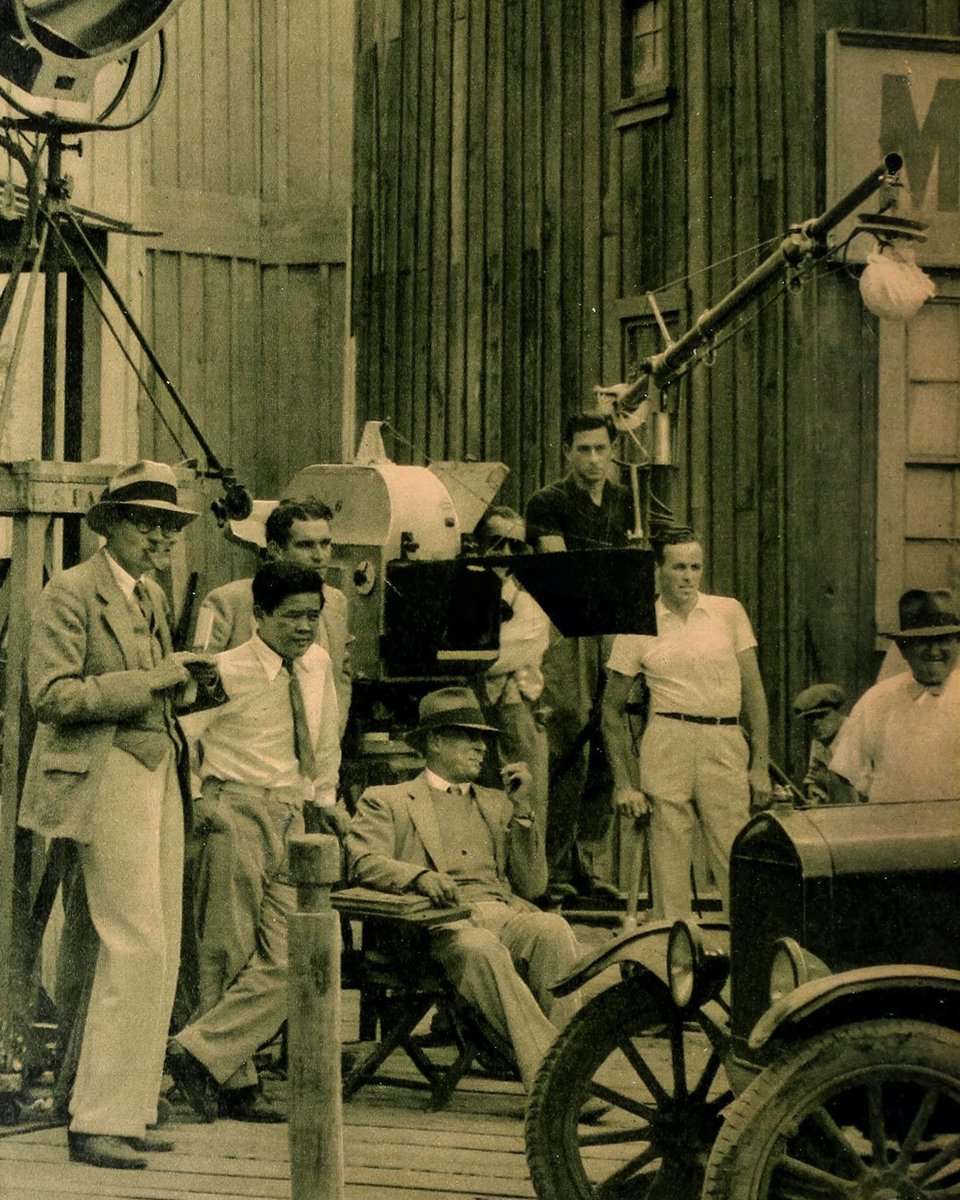
(1/2) Victor Fleming, the director known for The Wizard of Oz and Gone with the Wind passed away on this day in 1949 of a heart attack. What not many people know is that Fleming started out directing silent films in the early 1920s.
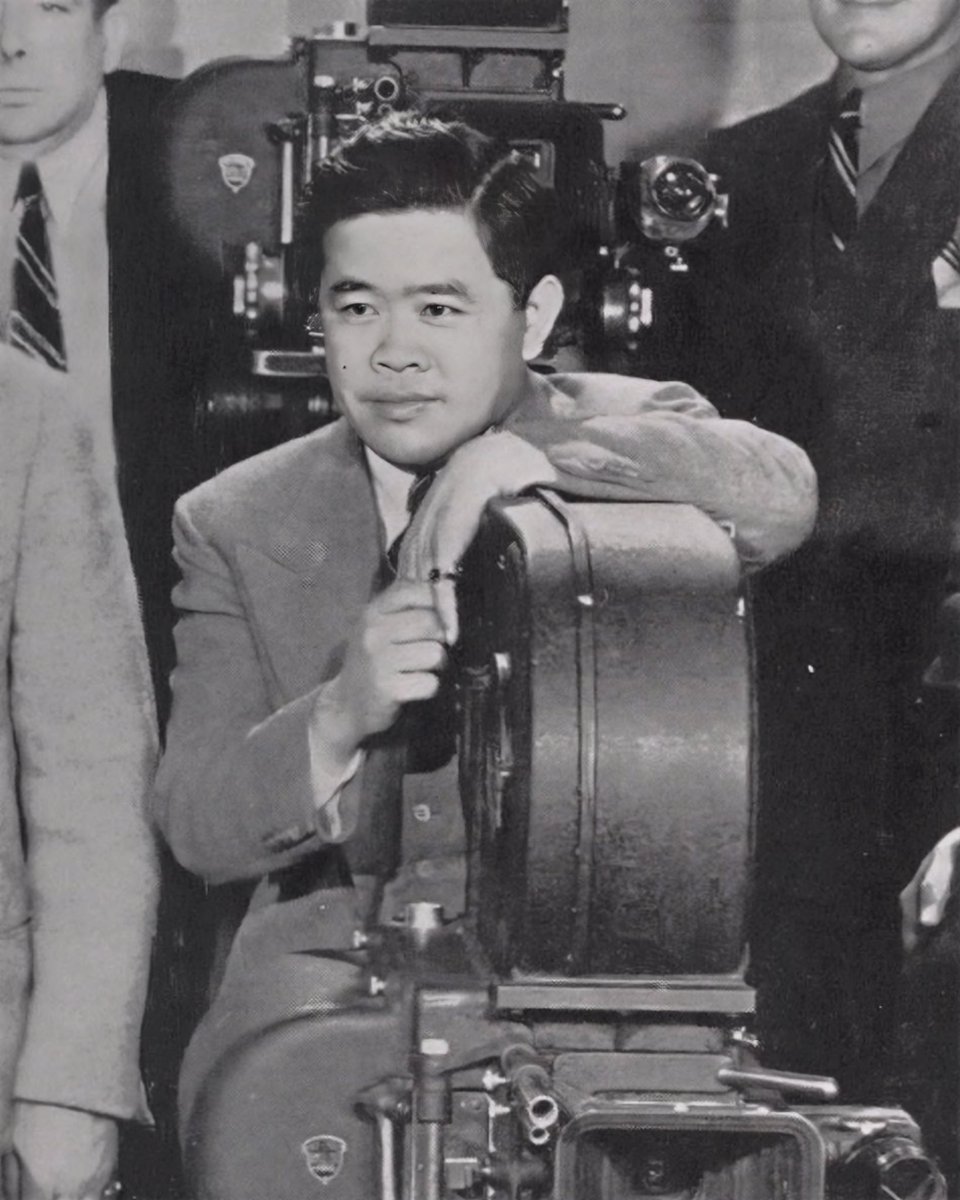
(1/4) By 1941, James Wong Howe was not just Hollywood’s only Chinese director of photography, he was recognized as one of the greatest camera artists of the world. He would focus more on composition, rather than just lighting a room.
(4/4) Howe discovered that if he had Mary look at a black velvet curtain during close-ups, the reflection gave her eyes the desired results. He was never out of work from that day forward.