California foster parent Mohamed Bzeek has spent over 25 years caring for terminally ill children abandoned by their families, ensuring no child dies alone.
Every second, the Sun ejects 1.5 million tons of material into space at hundreds of miles per second, but Earth's magnetic field protects it from the solar wind.
[🎞️ NASA Goddard]
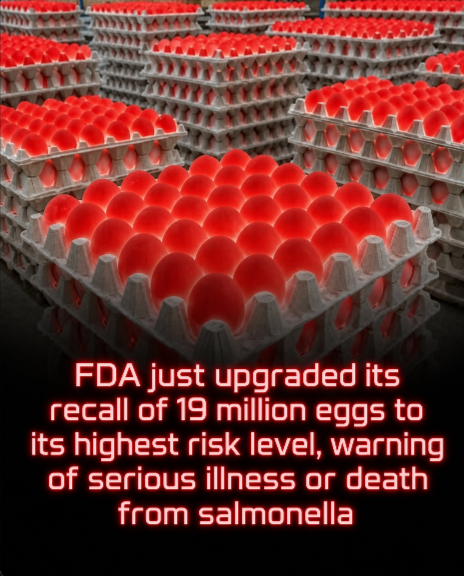
FDA upgrades recall of 19 million eggs to its most urgent classification.
If you currently have eggs in your refrigerator, check the carton immediately. The FDA has raised a recall involving more than 19 million eggs to Class I, its highest-risk category, while investigators examine a multistate salmonella outbreak.
A Class I designation indicates a reasonable probability that exposure to the product could result in serious health consequences or death. To date, 98 people across 17 states have been infected with the outbreak strain, and 26 of them have been hospitalized. No deaths have been reported.
The recalled eggs were produced by Midwest Poultry Services at farms in Texas and distributed under several well-known brand names, including Kroger, Simple Truth, Brookshire’s, Country Morning, and Cal-Maine Sunups. Not every carton from these brands is included in the recall.
The affected products are specific white and brown cage-free shell eggs carrying sell-by or best-by dates from July 20 through August 17, 2026. Consumers should examine cartons for the codes P-1950 or 0840962 and a Julian date between 157 and 184.
These eggs reached retail stores and food-service outlets in Texas, Oklahoma, and Louisiana. Consumer sales have also been confirmed in Arkansas, Mississippi, and New Mexico, and officials note that distribution may have extended farther.
Investigators have established a strong connection between the outbreak and the eggs. Of 44 patients interviewed about their food history, 40 reported eating eggs before becoming ill. Testing at the Texas farms detected Salmonella, and genetic sequencing confirmed that the isolates matched the outbreak strain.
Salmonella infection typically produces diarrhea, fever, and stomach cramps that begin within 12 to 72 hours after eating contaminated food. Most people recover without treatment, yet the illness can become far more severe in young children, older adults, and individuals with weakened immune systems.
The FDA advises that recalled eggs should not be consumed, even if they appear and smell normal. Discard them or return them for a refund, and thoroughly clean any surfaces or containers they may have contacted. Given the scale of this recall, verifying the codes and dates printed on the side of the carton is essential.
Your tattoo isn’t just decorative ink: it’s a permanent trigger that keeps your immune system locked in a lifelong cycle of chronic inflammation.
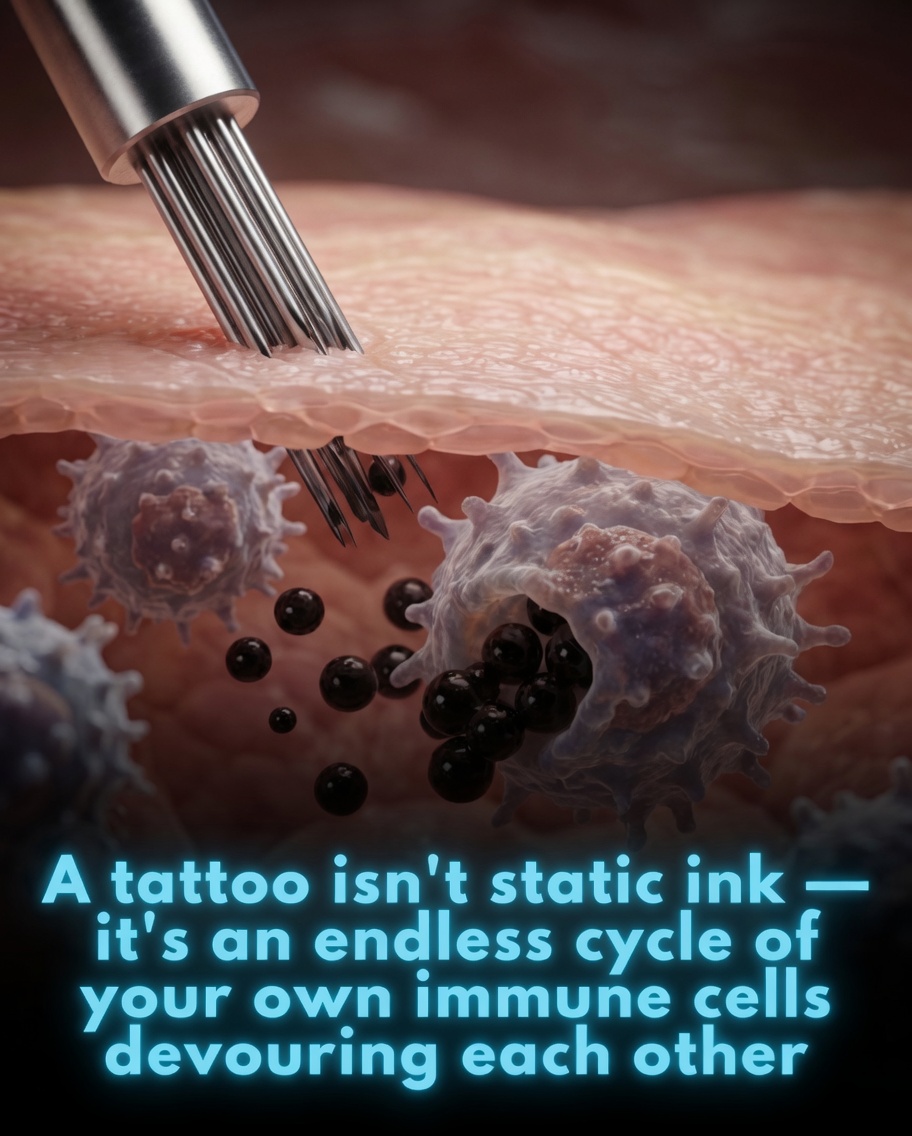
As soon as the ink is injected into your skin, your body recognizes the pigment particles as foreign invaders. Immune cells called macrophages immediately swarm the area and attempt to swallow them up. But because they can’t actually break down the ink, the macrophages eventually die, releasing the pigment back into the surrounding tissue — only for a new wave of macrophages to arrive and repeat the process.
This endless cycle is what keeps the tattoo permanently visible, while also maintaining a state of ongoing, low-level inflammation in the skin.
Over time, some of these ink particles migrate through the lymphatic system and accumulate in the lymph nodes, placing constant stress on the body’s defense mechanisms. Emerging research suggests this internal ink buildup may interfere with normal immune function, potentially reducing the effectiveness of certain vaccines, including mRNA types. Additionally, many tattoo inks contain heavy metals like nickel and cobalt. Combined with the chronic inflammation, this has been linked to a modestly elevated risk of lymphoma and skin cancer.
While tattoos remain a powerful form of self-expression, they represent a complex, decades-long biological conflict between your immune system and foreign substances embedded in your skin.
[Nielsen, C., Jerkeman, M., & Jöud, A. S. (2024). Tattoos as a risk factor for systemic lymphoma: A population-based case-control study. eClinicalMedicine]