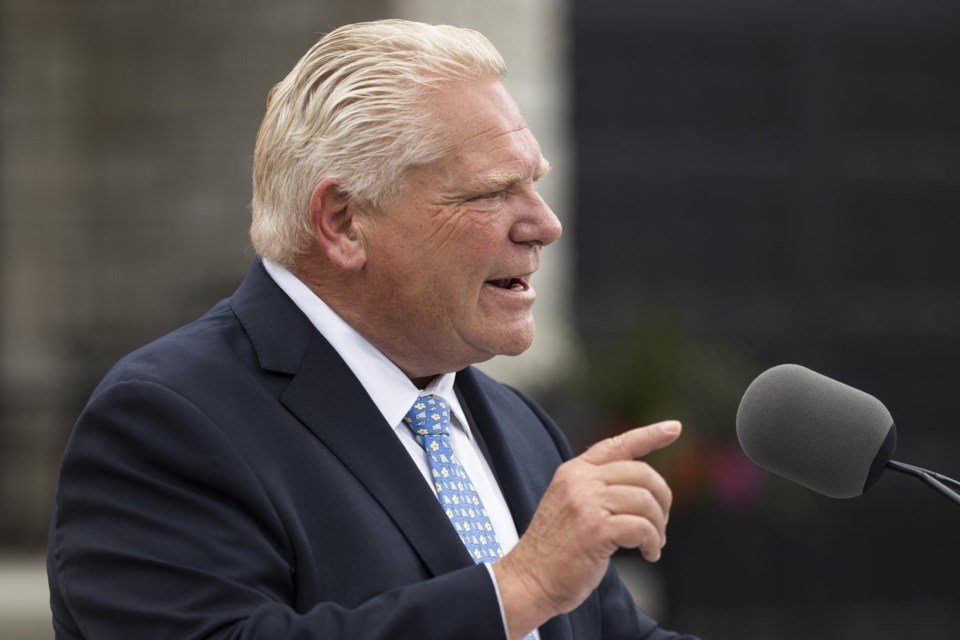
Doug Ford told Toronto to “read between the lines.” His office said he never endorsed Olivia Chow.
That’s the story.
Sept. 16: Ford is asked about the mayor’s race. He says he and Chow have a “phenomenal” relationship, the province will keep supporting her, she’s doing an “incredible job,” then: “read between the lines.”
Rivals and headlines treated it as an endorsement.
Sept. 17: His office says he did not endorse Chow and will not endorse anyone before Oct. 26. Ford later said people “took it and ran with it.”
A real endorsement, he said, would be said out loud.
What got mixed up:
Working with the mayor is not backing her campaign
Provincial money is not a vote
Getting along on files is not a party switch
In 2023 he called a Chow win an “unmitigated disaster.” They still clash on bike lanes, cameras, and the airport. They also cut deals because City Hall and Queen’s Park have to.He praised the working relationship. He did not put his name on her campaign.
Toronto votes Oct. 26.
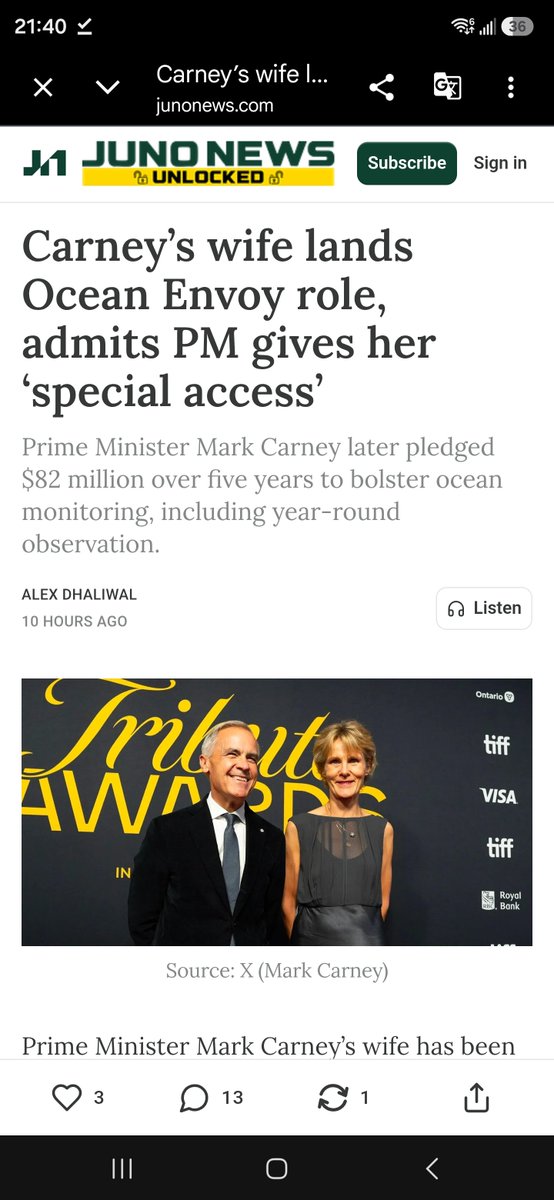
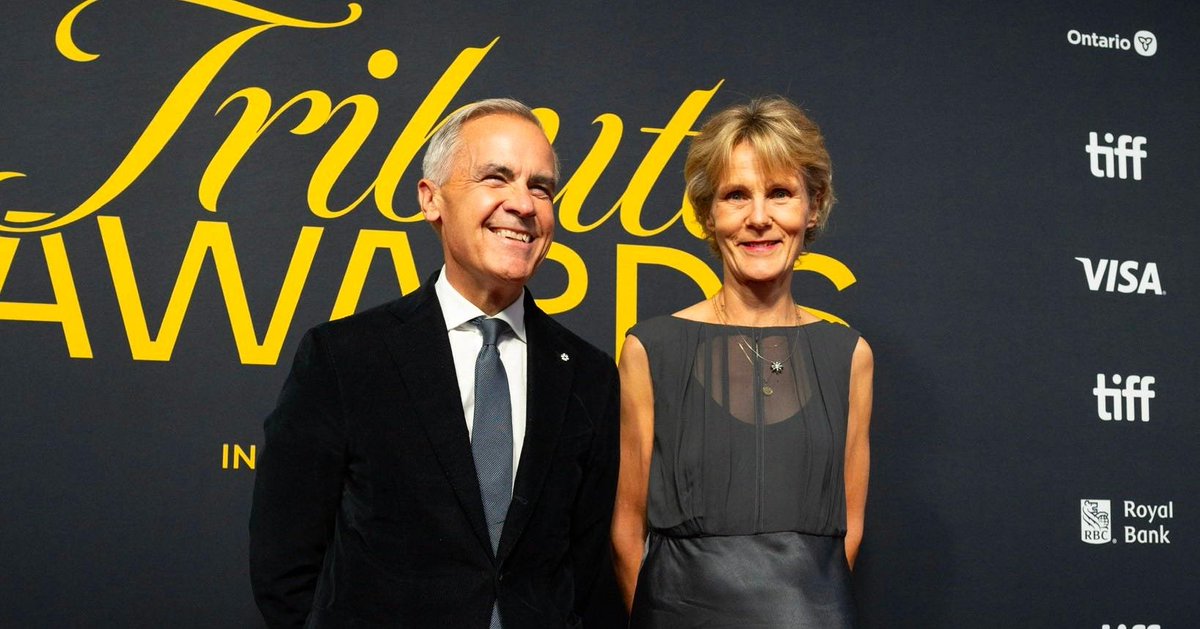
Sept 9. Diana Fox Carney, on The
Honest Talk:
“I meet people and have access to conversations and things that I wouldn’t necessarily have if I didn’t have him.”
“I am very aware that there are opportunities for me now that other people don’t have.”
Sept 16. Fisheries Minister Joanne Thompson names her Canada’s Ocean Envoy and chair of the 2027 Our Ocean Conference in Halifax.
Ottawa’s line: the job is “volunteer and non-remunerated.”
Her official statement:
“I am honoured to take on the role of Canada’s Ocean Envoy and to help convene the Our Ocean Conference in Halifax.”
Sept 23. At the UN, PM Carney introduces her:
“Canada’s special envoy is here. Diana — let me make sure I get the last name right — Fox Carney.”
Then he pledges $82 million over five years for ocean monitoring.
What we still don’t have: how she was chosen, who else was considered, and whether staff, travel, or other costs sit on the public dime.
The title is unpaid. The $82 million is public money. The access is her own words.
Canadian voters can decide if that is fair.
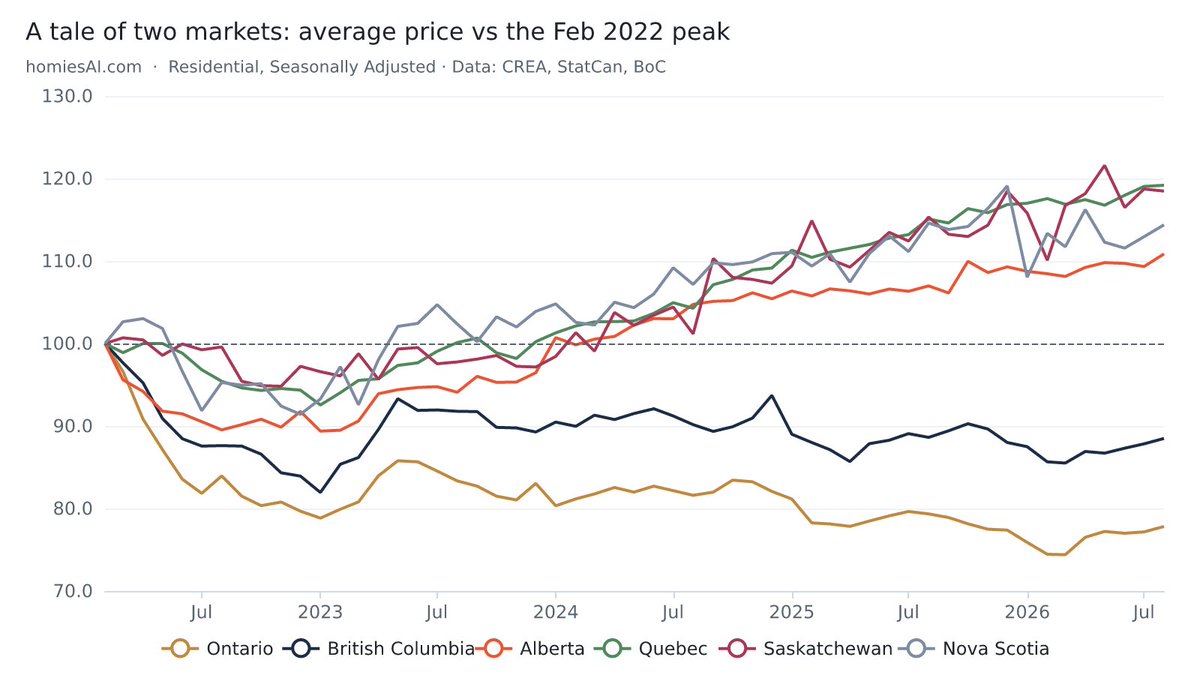
Canada housing, last 3 years: two markets, not one.
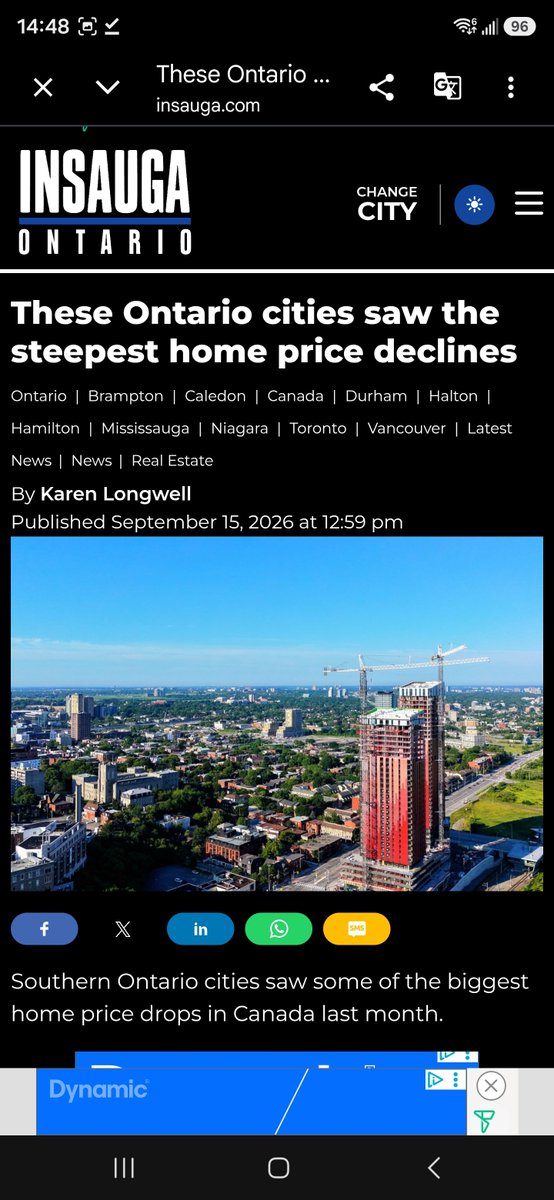
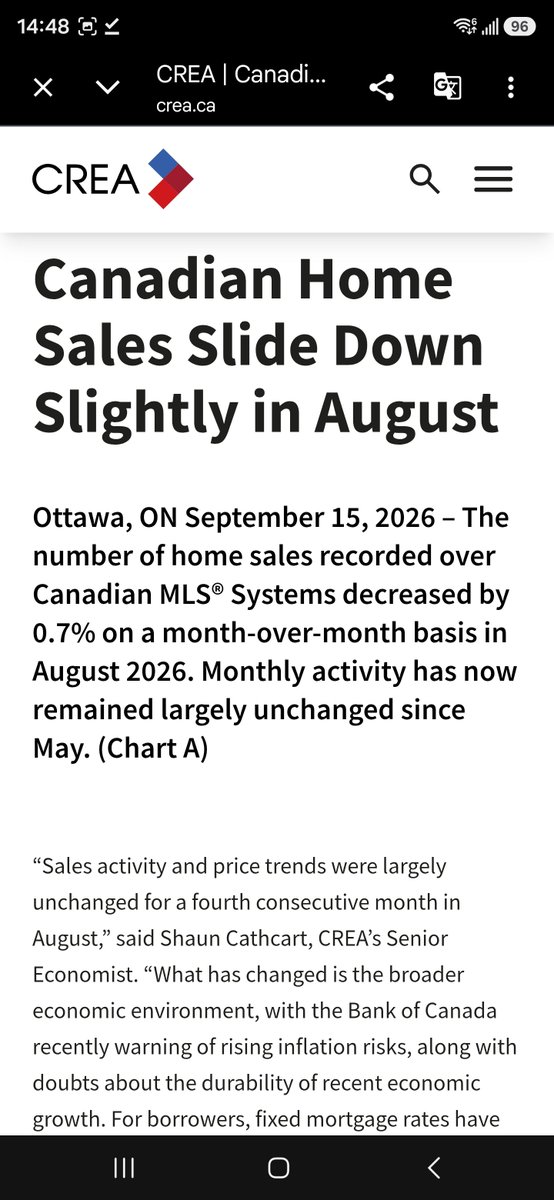
National average sale price in August was about $668,000 — up a sliver year-over-year (+0.6%), but the mix-adjusted MLS Home Price Index is still down about 3% from a year ago. Teranet’s big-city index is down 3.6% YoY and at its lowest since April 2023. From Sept 2023 (~$730k average) to now, the national average is roughly 8–9% lower. That “national” number hides the split.
Where prices went down:
▪️ Toronto / GTA / Hamilton / Waterloo / Fraser Valley: still the correction zone.
Benchmarks are roughly 6–7% lower than a year ago in several southern Ontario cities and 20–30% below the 2022 peak. Condos are softer than detached. Vancouver is down about 5–7% YoY and roughly 8–12% off its peak.
▪️ More listings, slower sales. Buyers have leverage. Sellers who need to move are cutting.
Where prices went up or heldQuebec City, Montreal, Prairies, much of Atlantic: the other Canada. Quebec City has been a standout (double-digit gains in some readings). Montreal, Regina, Saskatoon, parts of Alberta and Newfoundland have posted gains, not losses. Affordability + migration beat the high-rate hangover.
Buying and selling right now
August sales were down 6.9% from a year earlier. New listings jumped. National sales-to-new-listings fell to about 49% — buyer-leaning, not a crash. Months of inventory around 4.8. Expensive markets: more choice, longer days on market, price cuts. Cheaper markets: tighter supply, sellers still have the upper hand.
Impact
▪️Buyers in the GTA and Metro Vancouver: more negotiating room than in 2021–22, but payments are still heavy versus incomes.
▪️Sellers there: equity from the peak is gone; listing high and waiting is a losing strategy.
▪️Owners in Quebec/Prairies/Atlantic: paper gains continued; selling is easier.
▪️First-time buyers: slightly better prices in the expensive cities, but rates decide the payment more than the list price.
Mortgage rates: policy steady, fixed rates not
Bank of Canada overnight rate is 2.25% — held since October 2025 (seven holds). Prime sits at 4.45%. Variable mortgages are roughly 3.4–3.5%. Five-year fixed is about 4.3% on the best insured quotes, closer to 4.8%+ at the big banks.
https://t.co/gZ9YDh82sE
Variable rates have been steady because the policy rate has not moved. Fixed rates have drifted up this year as 5-year bond yields rose. Markets are now pricing a possible hike as soon as Oct. 28. CREA’s line: the hike is “back on the table” and already showing up in fixed pricing. Direction from here is not “rates keep falling.” It’s hold-with-upside-risk.
Year-end read: no national rebound. Ontario and B.C. grind sideways-to-down. The rest of the country stays firmer. If bond yields stay high or the Bank hikes, sales stall again and the expensive cities stay a buyer’s market into 2027. If yields ease, activity picks up — prices still don’t snap back to 2022. Location is the whole story.
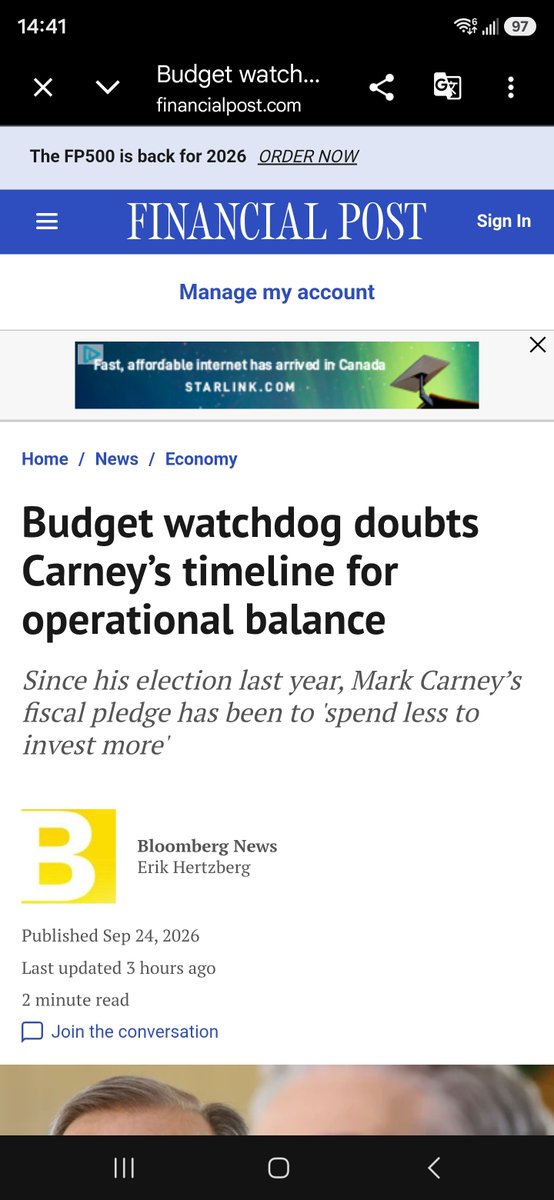
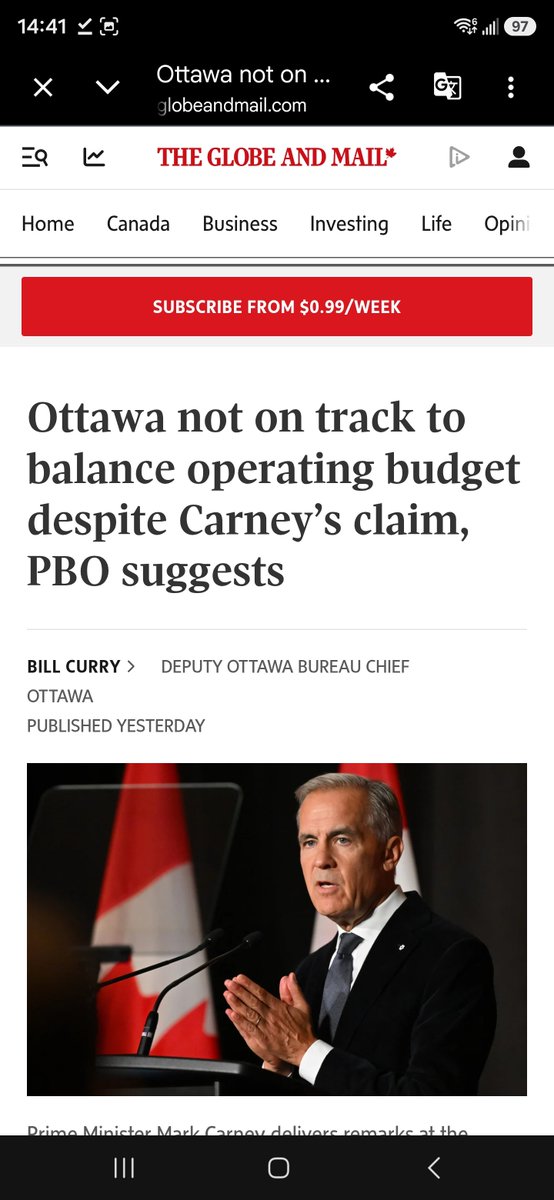
Carney vs PBO: “Ahead of schedule” operating balance vs the numbers that actually landed.
Budget 2025 pledged to balance day-to-day operating spending with revenues by 2028-29 while running large overall deficits for capital, defence, housing, and tax measures. On Sept. 15 Carney said the government was “on track to balance the operating budget next year” (2027-28), a year early.
PBO’s Sept. 24 report says the opposite on the government’s own data: operating balance is more likely in 2029-30—a year late versus the original target and two years later than the latest claim. Classifications of operating vs. capital are “subjective” and inconsistent (film tax credits as capital, journalism credits as operating; similar farm programs split). A $500 million restraint on operating items would have been enough to hit 2028-29 under PBO’s adjustment.
A balanced operating ledger is not a balanced budget. Spring Economic Update still pointed to a ~$65 billion overall deficit this fiscal year. There is no timeline to eliminate the traditional deficit.
Q2 snapshot (calendar Q2 / early 2026-27 fiscal year):
StatsCan: federal deficit $4.1 billion in Q2, $1.1 billion worse than a year earlier—expenses grew faster than revenue. Groceries and Essentials Benefit and other transfers drove much of the spending jump. General government (including provinces and social security) showed a headline surplus; strip social security and it is a $17.2 billion deficit. Federal net debt is still rising.
Year-end implication: Fall Budget 2026 will be the next official reset. On current tracks, overall deficits stay in the $50–65 billion range for years, debt-service costs keep climbing, and the “spend less to invest more” story depends heavily on how items are labelled. If classifications stay elastic, the operating target can be declared met while the cash deficit and interest bill do not shrink on the same schedule.
Watch the fall numbers—not the slogans.
The Gordie Howe deal is a good example of how this usually works, not a unique conspiracy.
Canada paid the entire $6.4 billion construction cost under the 2012 agreement with Michigan. That deal let Canada keep all net tolls until the debt was repaid. In 2026 a side agreement was added so Canada would send 50% of net revenues (after operating costs, not after debt service) to a U.S.-controlled fund for 15 years. Carney’s early public comments described the sequence as “we collect first, repay debt, then share what’s left.” The published text of the side deal does not work that way. The delay in opening was first called “technical.” Later federal answers said it was about governance and the financial framework.
That pattern is common in high-stakes Canada-U.S. files: negotiations stay closed while they are happening, then the public version of events is cleaned up after the fact. The people who “weaponize” it are the ones who control the timing of disclosure — the government of the day, officials who prefer quiet deals over messy public debate, and counterparts (in this case the U.S. administration) who can delay the project until they get better terms.
Politicians do not forget they work for Canadians; they calculate that most voters will not follow the details of a bridge financing agreement unless it immediately raises their taxes or closes a border crossing they use.
Public anger exists, but it is concentrated among people who already follow the file (Windsor MPs, opposition parties, local truckers). Most people treat infrastructure finance as distant until the costs become visible.
That is not laziness so much as attention: people react strongly to grocery prices and housing, less strongly to the difference between “gross revenue” and “net after operating costs” on a new crossing.
It’s each person’s call whether X should pay the fine. The bigger question is what kind of internet and public square we actually want.
Do we want a system where governments keep moving the line on what people are allowed to say and see? The official reason for this penalty is transparency rules. The larger DSA and hate-speech push goes further: platforms are expected to police “systemic risk,” and speech about sex and gender is increasingly treated as a protected-identity issue rather than an open debate. In some European countries, hate-speech laws already cover gender identity. Council of Europe texts have urged bans on “conversion practices” defined broadly enough that critics say questioning a declared gender can be framed as harm. That is not the same as an EU-wide law that jails you for saying there are two sexes — but the direction is clear: more categories, more enforcement, less room for disagreement.
Once the state and platforms decide which facts are too dangerous to state, the bottom line keeps moving. Today it is verification badges and researcher access. Tomorrow it is which views about sex, government, or science are allowed to circulate.
That is not a free public square. It is managed speech. If you don’t like a post, you can block it. If the government and the platform decide you cannot see it or say it, that is a different system.
@AdelaNadler@CTVNews Private jokes leaking and then triggering real-world punishment trains people to treat even casual speech as a liability.
The next step is self-censorship before the joke is even made.
He committed a crime.
He secretly filmed two co-workers without their consent.
Giving him a free pass so he can avoid a record and stay in the country sends the wrong message. The victims already said it changed their lives. A conditional discharge treats the offense like it barely happened.
That’s not okay.
CTV left out the actual sequence.
Family took a normal photo Sept 11 at Detroit airport, ran it through ChatGPT as a joke about the Lake Ontario rename, and Jane Smith posted it privately with an AI label. Her sister later screenshot it, dropped the AI tag, and posted it publicly after they landed in Halifax. No one ever wore those sweatshirts.
The credit union then moved her out after the backlash and death threats, without saying if she was fired or quit.
That’s the part the headline skips.
Bob Rae’s comment comparing the U.S.–Canada tariff fight to World War II is a bad analogy.
World War II killed tens of millions of people, destroyed cities, and included death camps. Families lost sons and fathers. A trade dispute involves higher tariffs on steel, aluminum, and dairy. No one is dying. The two situations are not the same.Rae’s own record makes the remark harder to accept. As Ontario premier from 1990 to 1995 he ran large deficits, more than doubled the province’s debt, dropped a major campaign promise on public auto insurance, and imposed unpaid “Rae Days” on public workers. His own unions turned against him. Voters rejected the NDP in a landslide in 1995.
A politician with that history should be more careful about using the Second World War as a talking point. Calling a tariff fight “the battle of our lifetime” that requires Canada to “fight again” cheapens the real war and the people who lived through it.
The comparison is sloppy. The record does not help it.
Hate speech or free speech, you can't have both❗️
Hate speech laws sound like protection until you see who writes them. Once the state decides which opinions are illegal, the accusation itself becomes enough. You don’t need proof that someone is dangerous — you only need to label them.That’s how the witch trials worked. A neighbor pointed a finger, courts accepted “spectral evidence,” and denying the charge was treated as further proof of guilt. People were executed, their property seized, and families destroyed on the word of an accuser.
The same pattern appeared under Soviet law: “anti-Soviet agitation” sent thousands to the Gulag for jokes, letters, or questioning official history. The terror wasn’t only the prison. It was knowing one complaint could end your life or career, so most people stayed silent.
When politicians hold that power, it stops being about safety and becomes a weapon. The goal is not debate. It is compliance.
Protect free speech while you still have it. Once questioning the official story becomes a crime, freedom of expression is already gone.
Once you make it a crime to question the official story, the incentive changes. All they have to do is keep the claim alive, call anyone who asks for proof a racist, and wait for the government to move land, money, or policy their way. Five years later still no confirmed remains at Kamloops and they want jail time for noticing. That’s not reconciliation — that’s locking the narrative so it can’t be checked.
Bob Rae’s comment comparing the U.S.–Canada tariff fight to World War II is a bad analogy.
World War II killed tens of millions of people, destroyed cities, and included death camps. Families lost sons and fathers. A trade dispute involves higher tariffs on steel, aluminum, and dairy. No one is dying. The two situations are not the same.Rae’s own record makes the remark harder to accept. As Ontario premier from 1990 to 1995 he ran large deficits, more than doubled the province’s debt, dropped a major campaign promise on public auto insurance, and imposed unpaid “Rae Days” on public workers. His own unions turned against him. Voters rejected the NDP in a landslide in 1995.
A politician with that history should be more careful about using the Second World War as a talking point. Calling a tariff fight “the battle of our lifetime” that requires Canada to “fight again” cheapens the real war and the people who lived through it.
The comparison is sloppy. The record does not help it.