Germany scapegoated Ozil for the group stage elimination at the FIFA WC 2018 just because he was a Turkish Muslim. They forced their captain Gundogan who is a Muslim to put on a public statement before the match along with his team for the human rights in Qatar despite him not wanting to do it along with the few other players.
Suddenly as the World Cup is being held in USA, their captain Joshua Kimmich says that the team is not interested in politics despite teams getting last minute visas, some players and refs not even getting it along with the fans.
Germany is by far the most hypocritical nation in the world.
Hi darling @ToniKroos
You spent months criticizing Qatar and talking about every possible issue before and during the 2022 World Cup, yet it turned out to be one of the best-organized tournaments in history. Public transportation was free, fans could travel easily between stadiums some fans saw 4 matches in the stadium in same day, and the overall organization was praised by millions of visitors.
Now, when concerns are being raised about visa delays, strict entry procedures, and travel difficulties surrounding tournaments in the United States, we don't hear the same level of criticism from you. There have also been complaints about organizational decisions and match arrangements that many fans consider unnecessary or difficult, yet your voice is nowhere near as loud as it was when Qatar hosted the World Cup.
If your criticism is truly based on principles, then the same standards should apply to everyone. But when Qatar receives endless criticism while similar concerns elsewhere are met with silence, people are naturally going to question whether your issue was really about organization at all.
Fuck you.
Exam room unajieka your favoured leftback position alafu invigilator anakuinvert into midfield knowing very well you dont have the technique to receive in between the lines.
In my intern days. I'd walk from town to Kilimani to save money. I would then meet my boss who had been chauffeured to work at the entrance and he would tell me, "Young man, try use the stairs not the lift, it's healthier."
The Arabs in old times used to say:
Four things separate brothers:
wealth, women, jealousy, and death.
Four things make you lose your value among people: talking too much, laughing too much, lying, & gossiping.
Four things by which a wife ruins her home:
stubbornness, anger,
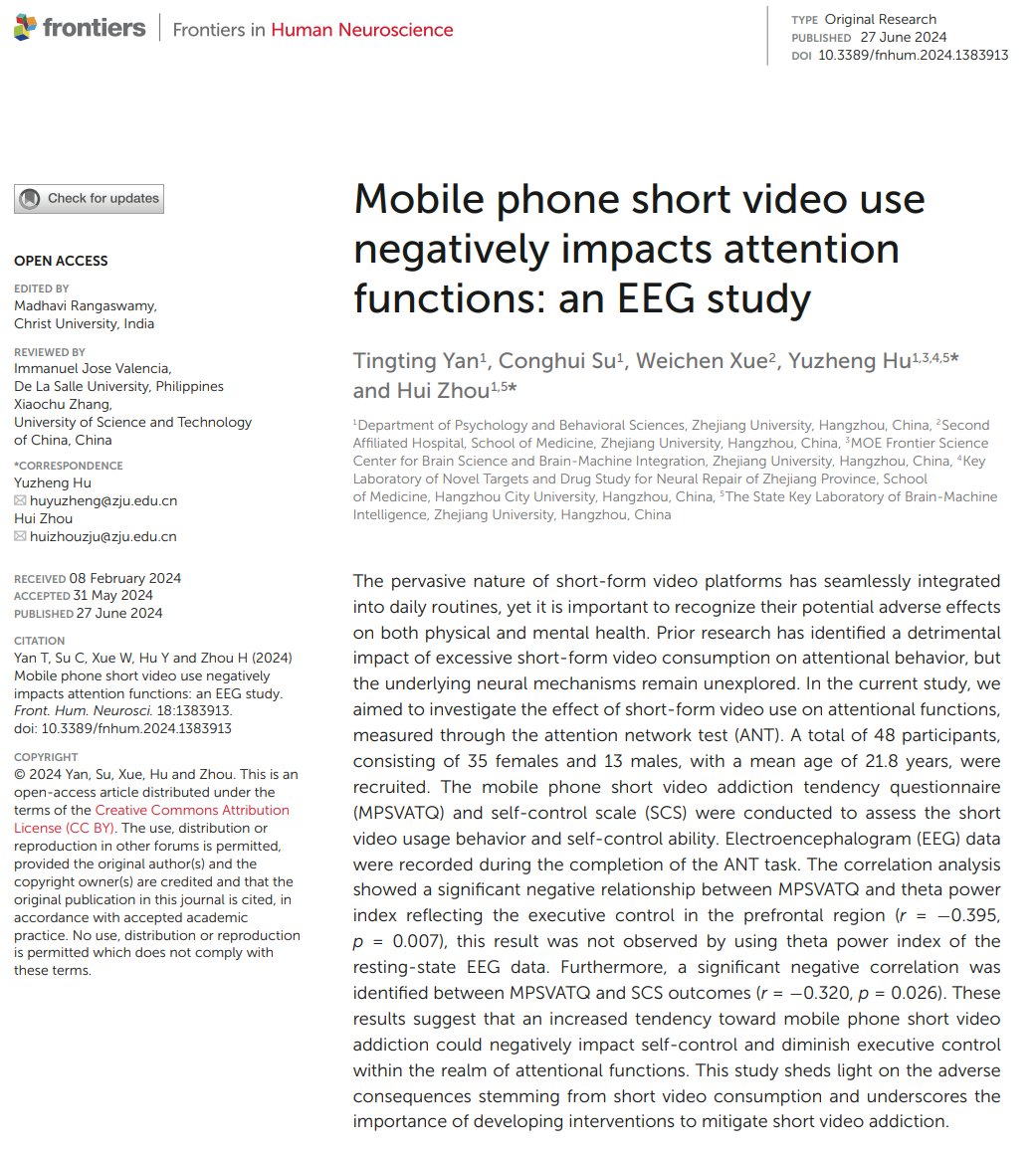
7 minutes after you finish studying, your brain quietly runs a file-transfer process. Columbia scientists caught it on a brain scan, and repetition is what speeds it up.
In the study, 29 people went into an fMRI machine and saw flashcards pairing words with pictures. Some flashcards appeared once. Others appeared three times. After the flashcards, participants closed their eyes and rested for 7 minutes, still in the scanner, while the researchers watched what their brains did next.
The hippocampus (a seahorse-shaped chunk deep in your brain that handles new memories) replayed the flashcards at the same rate whether people had seen them once or three times. The scan showed no difference between the groups in that region.
Three other brain regions went the other way. All three belong to your brain's long-term storage network, the system that keeps memories around for years. Those regions replayed the repeated flashcards way more than the once-seen ones. One of them also started firing in sync with the hippocampus more often when replaying the repeated cards, like two colleagues confirming a file had been saved.
Textbooks describe memories moving from the hippocampus to long-term storage as a slow process, one that takes weeks, months, or sometimes years. This study caught that process starting within the first 7 minutes after closing your eyes, with repetition speeding it up dramatically.
When a flashcard had been shown three times, the long-term storage regions replayed the most recent viewing. Your brain treats each repetition as an update.
The hippocampus was doing its own kind of work. For the flashcards people saw only once, the more the hippocampus replayed them during that 7-minute rest, the more likely people were to remember them on the test afterward. The hippocampus was picking up the slack for the weaker memories, while the long-term regions took over the stronger ones.
The paper was edited by Robert Bjork at UCLA, the guy who coined "desirable difficulties," the idea that when learning feels harder in the moment, the memory tends to stick longer. This study adds a mechanism. Repetition works by moving a memory, fast, in the minutes right after you stop looking at the thing.
PSA: if you're a student or starting out, ignore this.
On my PhD, somebody once told me to learn tensorflow because industry used it. Apart from being BS, I wasted a year using a tool I loathed. When I got a job, I frequently ended up doing tensorflow work, which I obviously loathed too.
Learn the tools you need to solve the problems you want to. If learning them feels good, learn more. Some tools are hard to learn, which is to be expected, but some tools just don't click for every mind. That's ok!