ACM #RecSys2027 is officially announced: August 23–27, 2027 in Hawaii. Website is up https://t.co/fg9vxaCZLu, logo done, and my take on it here: https://t.co/DWyGv3HtXm #recsys27
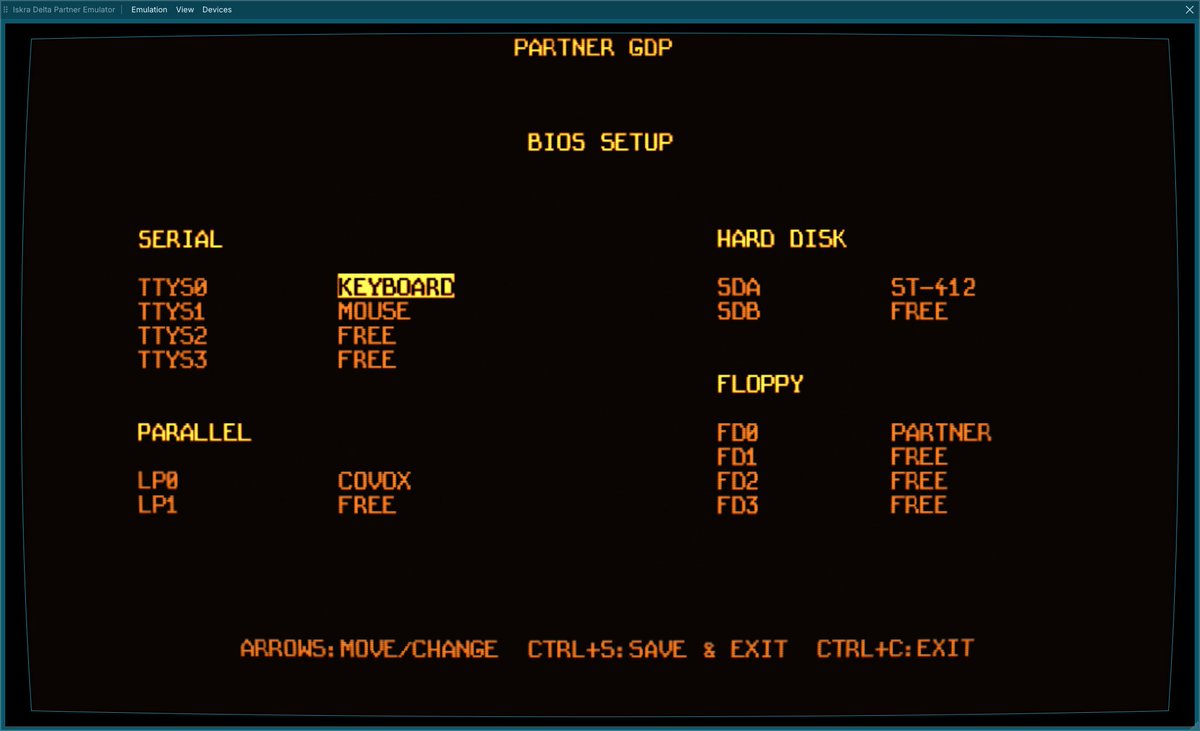
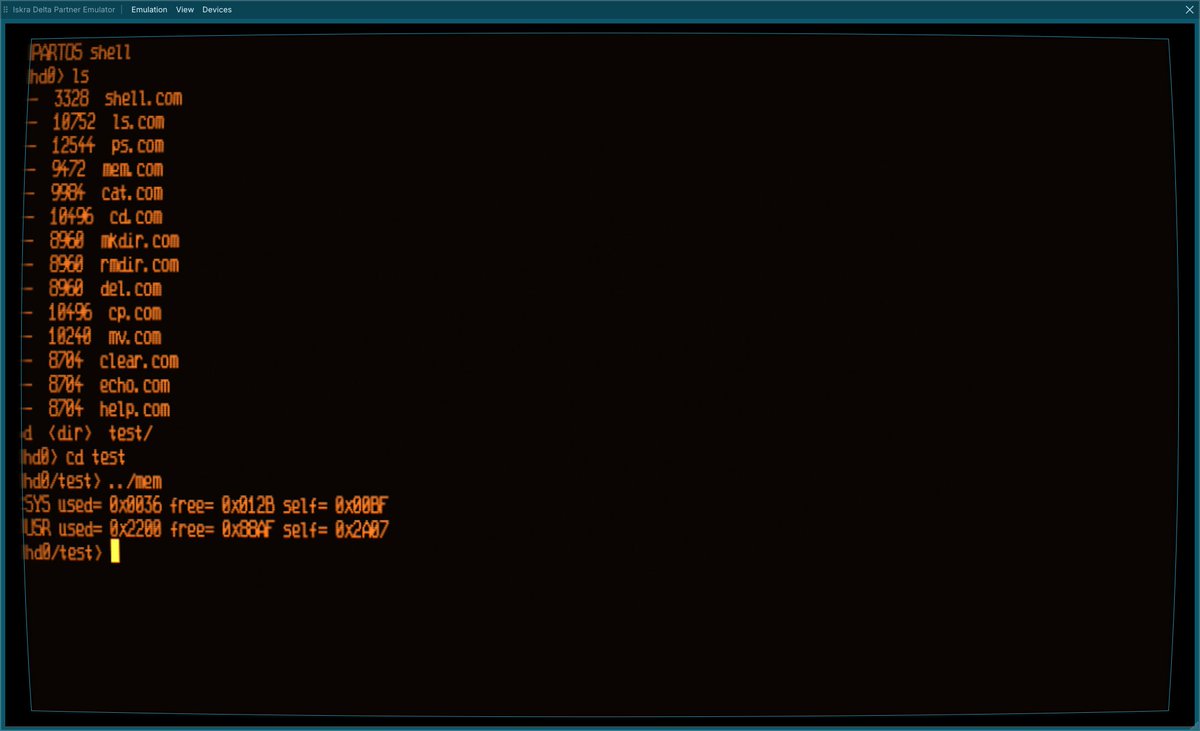
Zaživel je PARTOS, moj tribute računalniku, na katerem sem se na Srednji računalniški šoli v Ljubljani učil programirati in inženirjem Iskre Delte, ki so v skoraj nemogočih razmerah z neskončnim entuziazmom in ljubeznijo do računalništva uspeli narediti prvi slovenski osebni računalnik, čeprav tako poln konstrukcijskih napak kot Yugo.
PARTOS je operacijski sistem za Iskra Delto Partner. Sestavljen je iz treh delov:
- ROM,
- jedro (kernel) in
- operacijskegi sistema (OS).
Za razliko od originalnega Partnerja, ROM deluje na vseh modelih Partnerja in vsebuje BIOS nastavitveni program, s katerimi lahko prilagodite konfiguracijo svojih naprav. Tega sicer nikoli nihče ni naredil, toda partnerjev vmesnik omogoče priključevanje različnih naprav, npr. 3.5" diskov.
Jedro in OS se naložita s floppy diska ali trdega diska. Format zapisa ni več CP/M, ampak FAT12 in FAT16. Z ustreznimi napravami zna brati DOS, Atari ST in druge diskete.
Pod površjem je PARTOS pravi večopravilni operacijski sistem s procesi, nitmi (threads), sistemskimi klici, dogodki, locks, upraviteljem pomnilnika in podporo za obe pomnilniški banki, sistemskimi objekti, upravljalcem prekinitev ter gonilniki naprav.
S pomočjo povezovalnike xld lahko z xcc ali s SDCC za PARTOS pišete prenaslovljive programe. Na voljo je standardna C knjižnica, piše pa se okensko okolje zanj.
PARTOS teče na emulatorju idp-emu z integrirano podporo za razhroščevalnik C in Z80 kode.
@eevblog I don't think max wealth is the right metric, inequality is better. The Gini index could be better than an arbitrary wealth cap. The question isn't How rich is the richest person? but How well is society working for everyone else?
Moderated the ISFMF 2026 panel on AI and the future of film, gaming, and media arts.
Excellent discussion with Mark Ulano, James Mather, Laia Casanovas, and Alex Serdiuk on authorship, synthetic voices, and emotional authenticity in AI-assisted media.
Two postdoc position in CS https://t.co/iykoOBNW5M Applications are centralized - want to work with me? Say so in your application. I’m interested in user modelling grounded in cognition, affect & experience — beyond surface behaviour. DL: March 31, 2026
@TechOperator Today it's also great for moving files between old DOS machines (there is a parallel version), new windows machines (USB) and early Macs (SCSI)