Obesity & Diabetes: India's New Health Challenge
1. India has made progress against undernutrition
Stunting in children has declined.
Wasting has declined.
Underweight prevalence has declined.
Maternal and child health indicators have improved.
This reflects progress in tackling traditional forms of malnutrition.
2. Anaemia remains a major unresolved problem
Despite improvements in several nutrition indicators, anaemia continues to affect a large proportion of women and children.
3. Obesity is rising rapidly across India
Overweight/obesity among women increased from 24.0% to 30.7%.
Overweight/obesity among men increased from 22.9% to 27.3%.
The increase is being seen across multiple states.
4. Some states have obesity rates approaching or exceeding 40%
Among women:
Andhra Pradesh: 44.7%
Tamil Nadu: 40.4%
Goa: 39.8%
These are among the highest rates reported and indicate a substantial metabolic health burden.
5. High blood sugar is increasing
The prevalence of elevated blood sugar/diabetes has increased compared with previous NFHS rounds.
The article identifies diabetes as one of India's emerging public health challenges.
6. India faces a "double burden" of malnutrition
India is now dealing with two problems
simultaneously:
Persistent undernutrition and micronutrient deficiencies.
Rising obesity, diabetes, and other non-communicable diseases.
7. Public health priorities must evolve
India cannot focus only on undernutrition anymore.
Policies must now address obesity, diabetes, and metabolic diseases while continuing efforts against undernutrition.
India is gradually winning the battle against undernutrition, but obesity and diabetes are emerging as the country's next major health challenge.
The most striking message from the article is that while traditional malnutrition indicators are improving, some states already have 4 out of every 10 women overweight or obese, signaling a major shift in India's disease burden toward metabolic disorders.
https://t.co/LW3wz0IsIy
Type 2 Diabetes remission requires constant awareness and consistency.
Staying alert helps you stay on track.
10 years of remission has not happened “just like that.”
It comes from daily attention to food choices, monitoring, discipline, and long-term lifestyle correction.
No big talks.
No hiding of numbers.
My glucose data, HbA1c, insulin, lipids, and other markers have always been transparent.
What we measure consistently, we can correct consistently.
Dr Robert Cywes @carbaddictiondr hosted me on this YouTube channel and discussion was on my 10 years Type2 Diabetes remission.
Do check this out
https://t.co/qE5pxYp7K2
I am starting Online Personal Training Sessions.
If you are a beginner, struggling to follow a schedule, confused or clueless about exercise, or you need supervision when working out, this is for you.
Home workouts and Gym workouts whatever is convenient for you.
Offline Personal Training is also available for anyone who is living in Mumbai.
DM me to know more
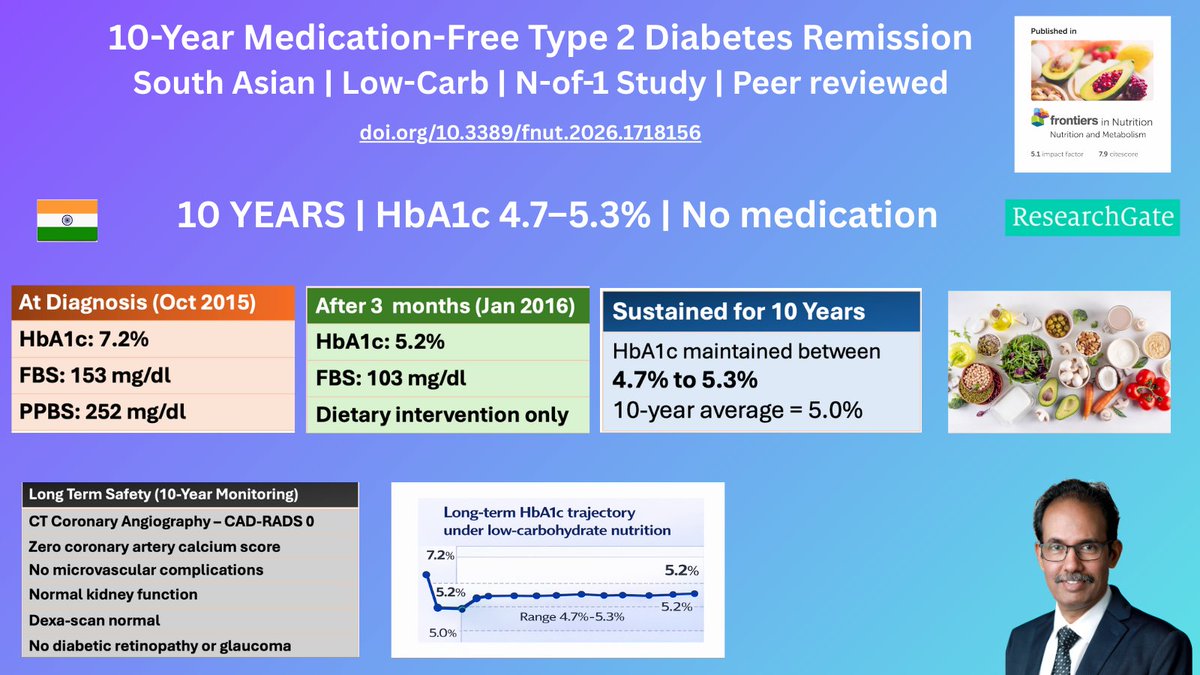
To our knowledge, this is the first study of its kind documenting sustained remission of type 2 diabetes for over 10 years on ketogenic / low-carbohydrate nutrition.
Published in Frontiers in Nutrition and indexed on ResearchGate.
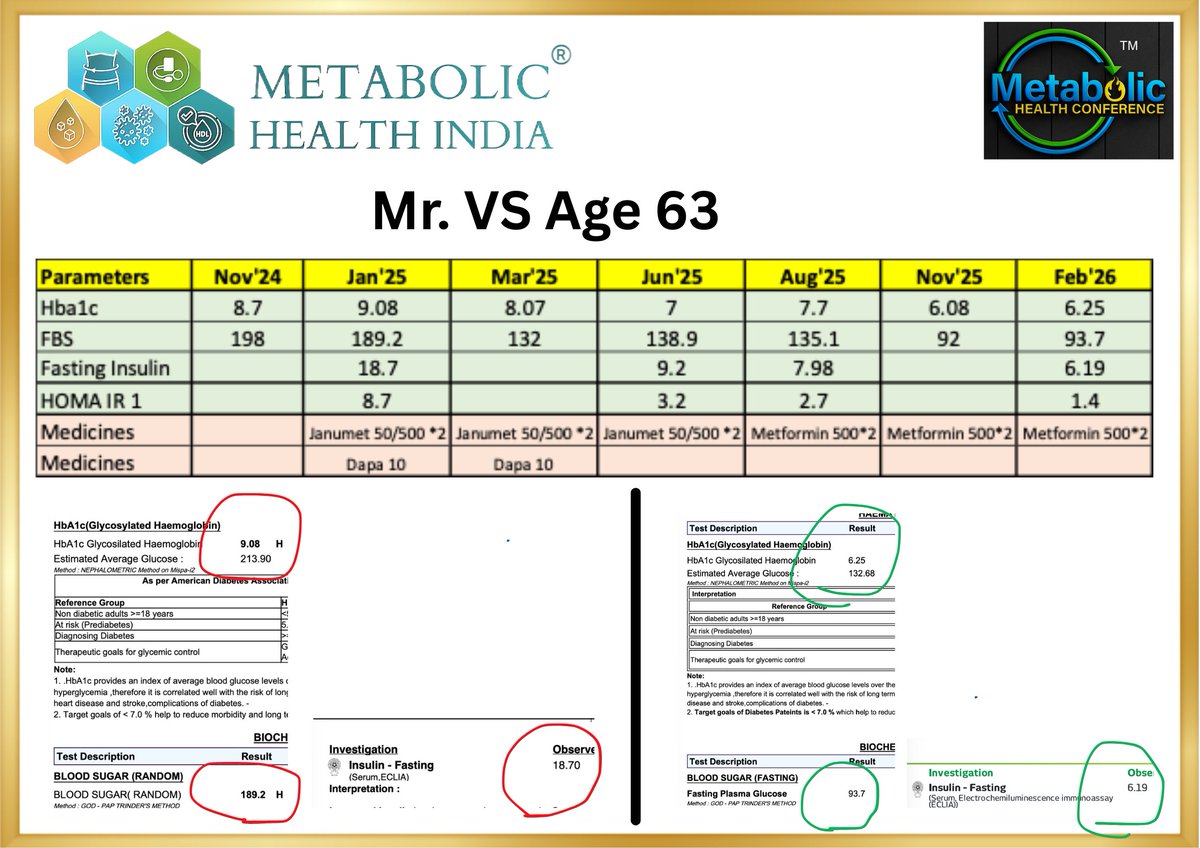
Mr. VS (Age 63) - From HbA1c 9 to 6.25 in One Year
Mr. VS had worked with me till Jun'25 and later continued on his own. Even after going off program formally, he kept sending me his lab reports regularly, a sign of discipline and accountability.
We also talk over phone once a month.
He started low-carb in the first week of January 2025.
Baseline – Jan 2025
HbA1c: 9.08
Fasting glucose: ~189
Fasting insulin: 18.7
HOMA-IR: 8.7
He was put on Janumet 50/500 (twice daily) + Dapa 10 by his doctor.
In 6 months he managed to lower his Hba1c to 7 and also got off dapa 10.
One Year Later - Feb 2026
HbA1c: 6.25
Fasting glucose: 93.7
Fasting insulin: 6.19
HOMA-IR: 1.4
Medications Lowered:
Janumet stopped
Dapa 10 stopped
Now only Metformin 500 mg twice daily
(All medication adjustments were done by his treating doctor)
Long-term adherence to low-carb works. By how own admission he follows around 75% of what i recommended with deviations while travelling
He is happy doing low-carb in his style and does not mind taking metformin 2 or even 3 times a day.
His goal was control with minimal medications. He does not have the desire for total remission and as a coach i have to respect his desires and goals for diabetes control.
Well done, Mr. VS.
- Metabolic Health India
https://t.co/1TRvM6D5lg
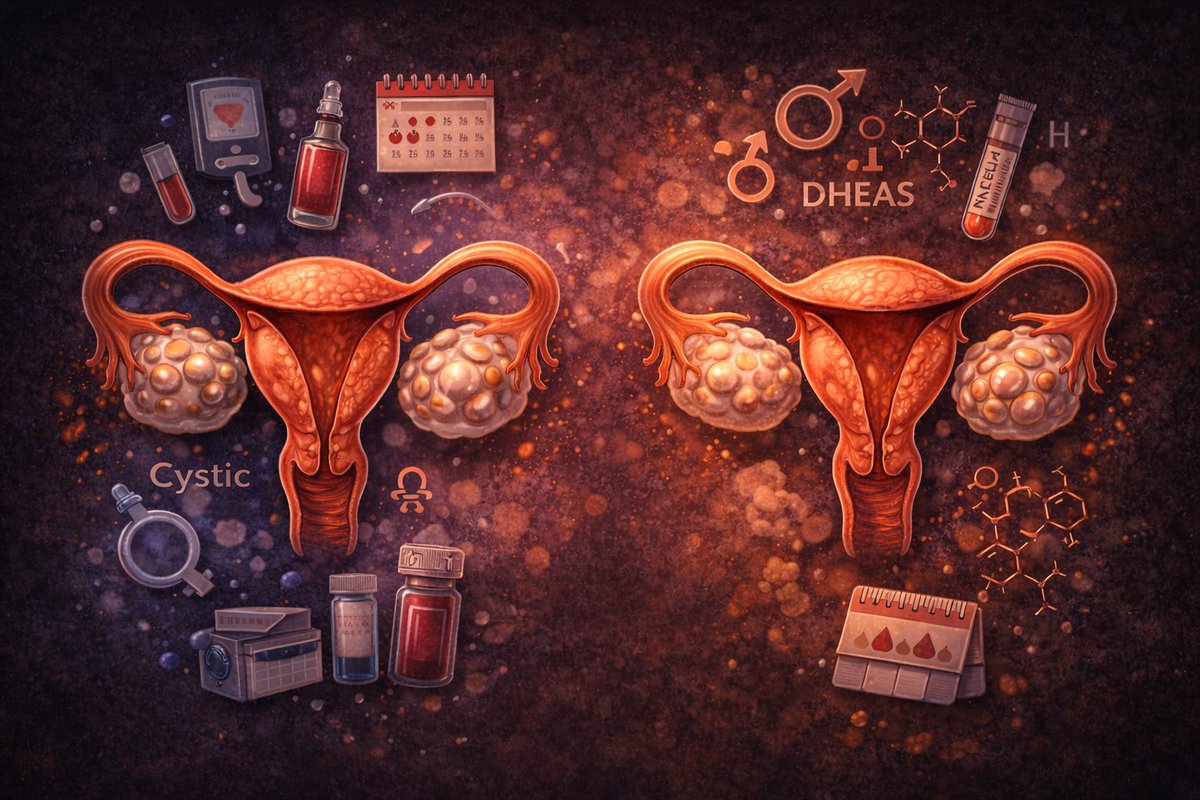
PCOS: AN EVIDENCE-BASED DIAGNOSTIC BREAKDOWN
India is currently facing a “PCOS epidemic,” with prevalence rates higher than the global average (approximately 1 in 5 Indian women).
Day 2 or Day 3 of your menstrual cycle:
Hormonal blood tests must be done on Day 2 or Day 3 of the menstrual cycle. Testing at random times renders hormonal data unreliable and often useless.
Lean PCOS:
Unlike Western textbooks that associate PCOS strictly with obesity, many Indian women have “Lean PCOS” they are normal weight but have high insulin resistance and irregular periods.
Rotterdam Criteria:
PCOS diagnosis is not based on just one test. It requires meeting 2 out of 3 specific diagnostic criteria, explained below.
This is the most Detailed post/thread on Artificial Sweeteners you will find anywhere.
I have analysed all the Sweeteners based on scientific studies and mentioned under what Doses they are generally Safe.
Do Read and Bookmark
Category A: Synthetic High-Intensity Sweeteners
(Hundreds of times sweeter than sugar)
1. Aspartame (Equal, NutraSweet, Coke Zero)
Mechanism
•Dipeptide of phenylalanine + aspartic acid with a methyl group.
Controversies
•Cancer
•Neurotoxicity
Evidence
•One of the most extensively studied substances in the food supply.
•Strong overall safety record.
Metabolism
•Breaks down into amino acids and a very small amount of methanol.
•A glass of tomato juice produces more methanol than a diet soda.
Cancer Classification (2023)
•IARC: “Possibly carcinogenic to humans” (Group 2B).
•Context matters: this group also includes pickled vegetables and aloe vera.
•JECFA reaffirmed safety at current intake levels.
ADI
•50 mg/kg body weight
•A 70 kg adult would need ~15–20 cans of diet soda daily to reach the limit.
Contraindication
•Phenylketonuria (PKU): must strictly avoid.
2. Sucralose (Splenda)
Mechanism
•Modified sucrose with chlorine atoms, preventing carbohydrate metabolism.
Concerns
•Gut microbiome changes
•Heat stability
Evidence
•Generally safe at normal intakes.
Microbiome
•Rodent studies show changes at high doses.
•Human data: inconsistent and mostly minimal effects.
Heat Stability
•Heating above 120°C (248°F) may degrade sucralose into chloropropanols.
•Best used in cold beverages, not baking or roasting.
ADI
•5 mg/kg body weight
•~23 packets/day for an average adult.
3. Saccharin (Sweet’N Low)
Mechanism
•Sulfimide compound.
Cancer Fear
•Originated from 1970s rat studies.
Debunking
•Bladder cancer effect was due to a rat-specific urine reaction.
•Does not occur in humans.
•Removed from carcinogen lists.
ADI
•15 mg/kg body weight
Practical Limitation
•Bitter, metallic aftertaste.
4. Acesulfame Potassium (Ace-K)
Mechanism
•Potassium salt.
Evidence
•Not metabolized; excreted unchanged.
•High safety profile.
•Often blended with other sweeteners to mask bitterness.
Category B: Sugar Alcohols (Polyols)
These provide fewer calories than sugar but may cause digestive symptoms.
1. Erythritol
Mechanism
•Absorbed but not metabolized; excreted in urine.
Tolerance
•Best tolerated polyol.
•Minimal gas or bloating.
2023 Concern
•Observational study linked high blood erythritol levels with cardiovascular risk.
Clarification
•People with metabolic disease naturally produce more erythritol.
•Does not prove dietary erythritol causes clots.
•Moderation advised until RCTs are available.
Calories
•0.24 kcal/g (effectively zero)
2. Xylitol
Benefits
•Anti-cariogenic (prevents tooth decay).
•Oral bacteria cannot metabolize it.
Side Effects
•Osmotic diarrhea at high doses.
CRITICAL WARNING
•Highly toxic to dogs
•Can cause fatal hypoglycemia and liver failure.
3. Maltitol (The “Villain”)
Why It’s Common
•Sugar-like texture in “sugar-free” chocolates and candies.
Why to Avoid
•Glycemic Index: 35–52
•Raises blood sugar and insulin.
•Not keto-friendly.
•Causes significant gas and laxative effects at low doses.
4. Systemic Effects: The Big Debates
A. Insulin Response (Cephalic Phase Response)
Theory
•Sweet taste alone triggers insulin release.
Evidence
•Weak and inconsistent
•Most human trials show non-nutritive sweeteners do not spike insulin alone.
•Some emerging data suggests pairing sweeteners with carbs may affect insulin sensitivity long-term, but evidence is not settled.
I guarantee if you watch this video you will be able to make 40 percent better choices for your Health
I was invited to give a lecture to a group of Traders on health few months ago.
This video covers why Protein and Resistance Training is Important in the most layman terms possible.
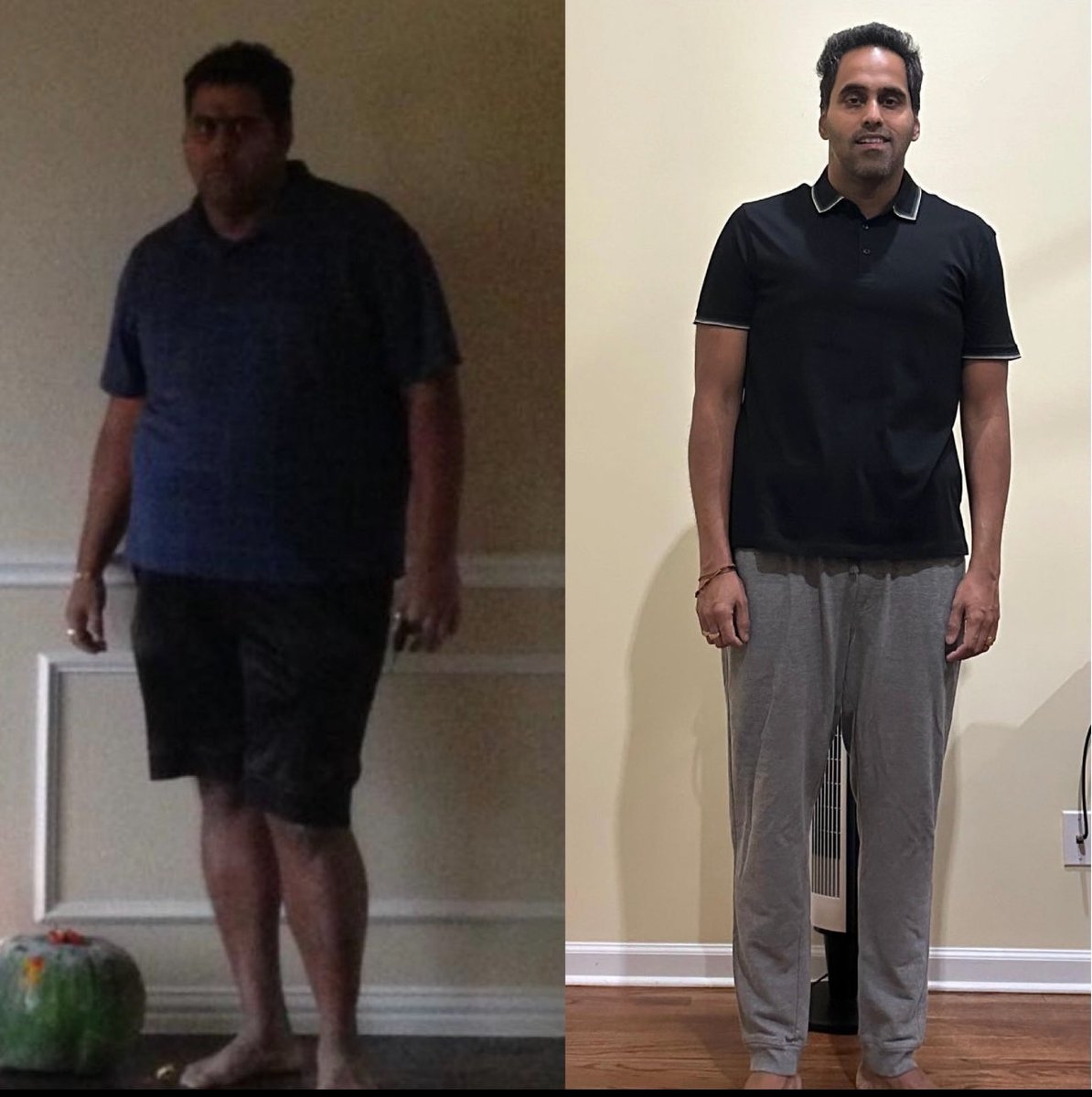
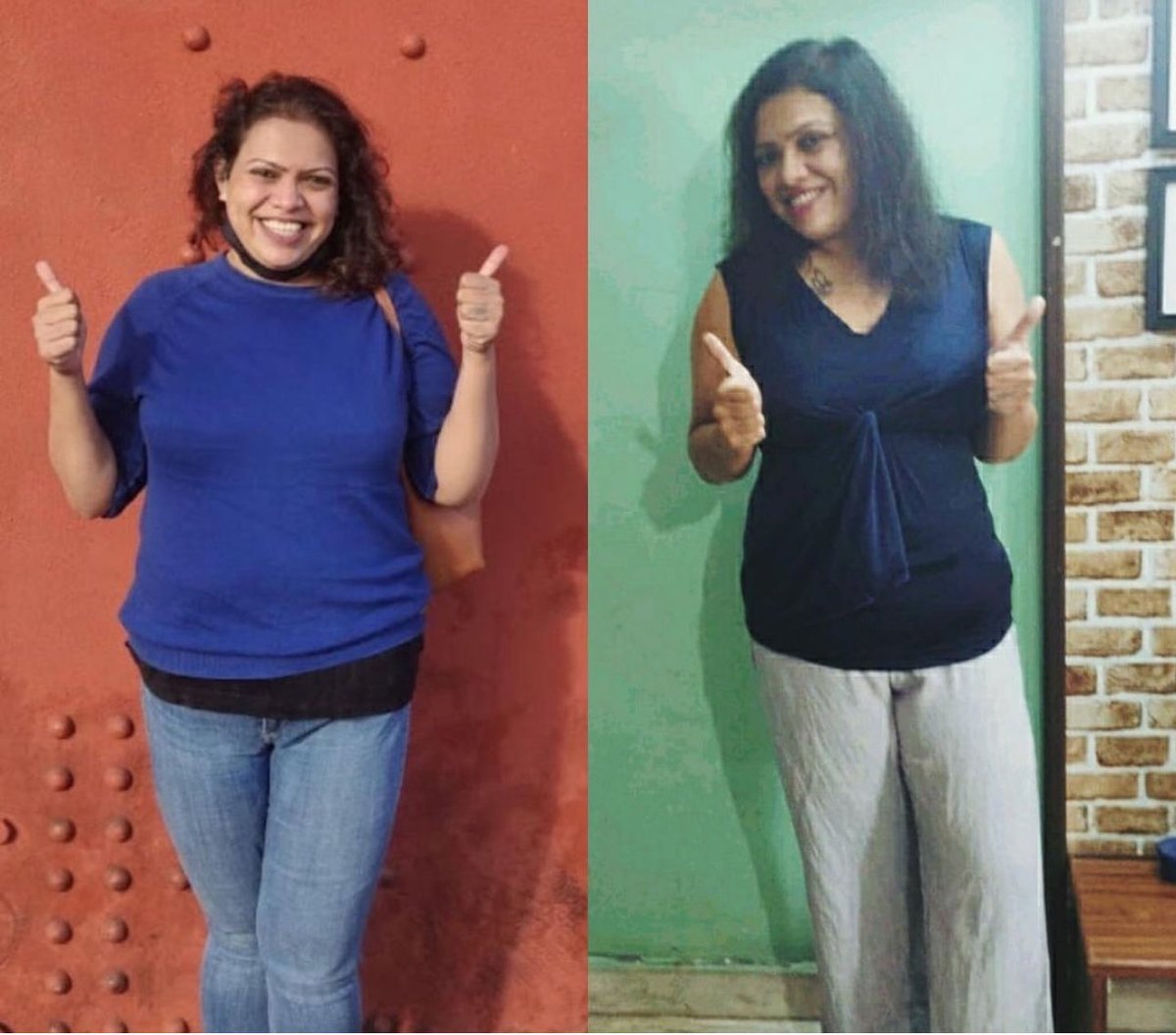
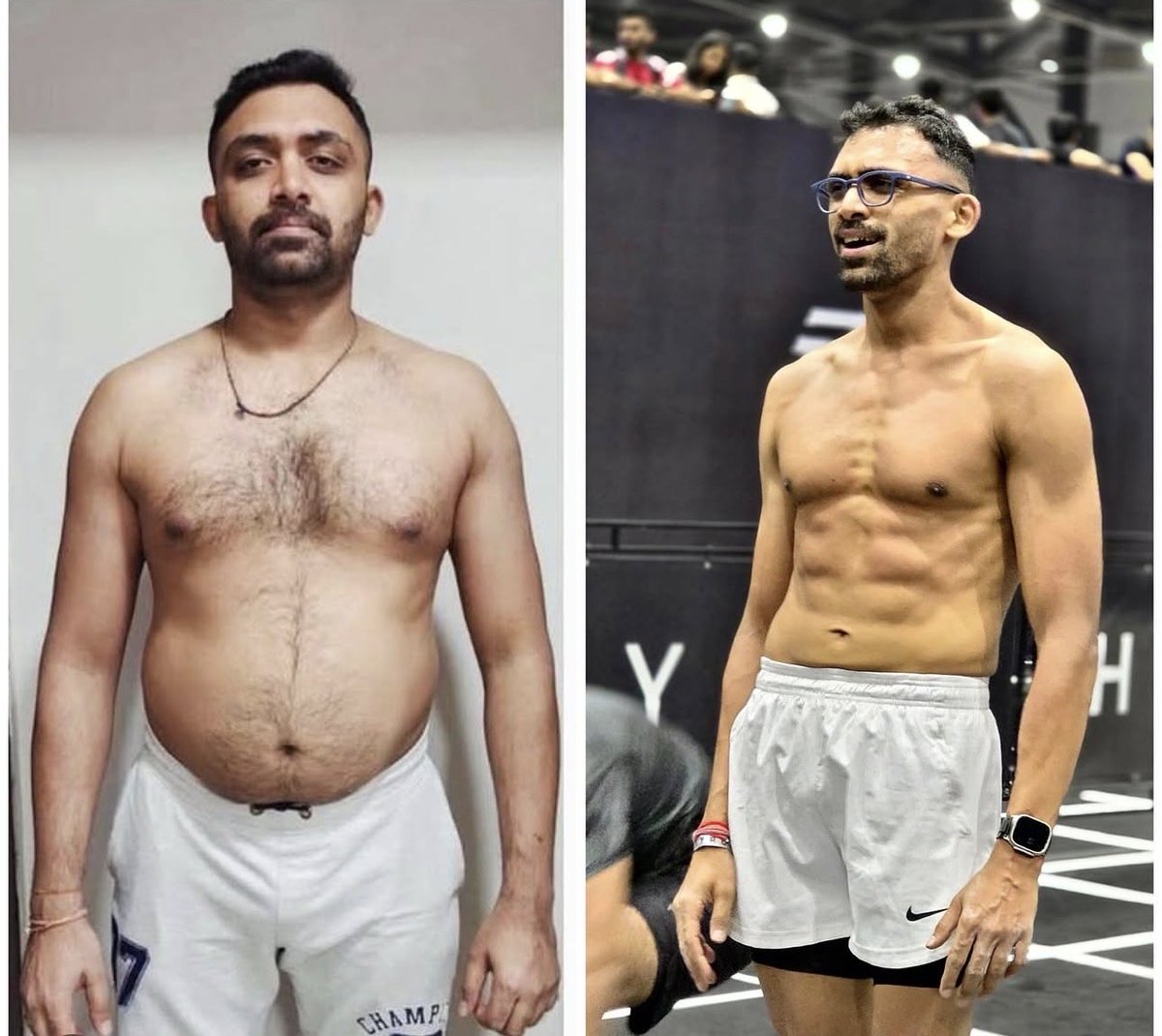
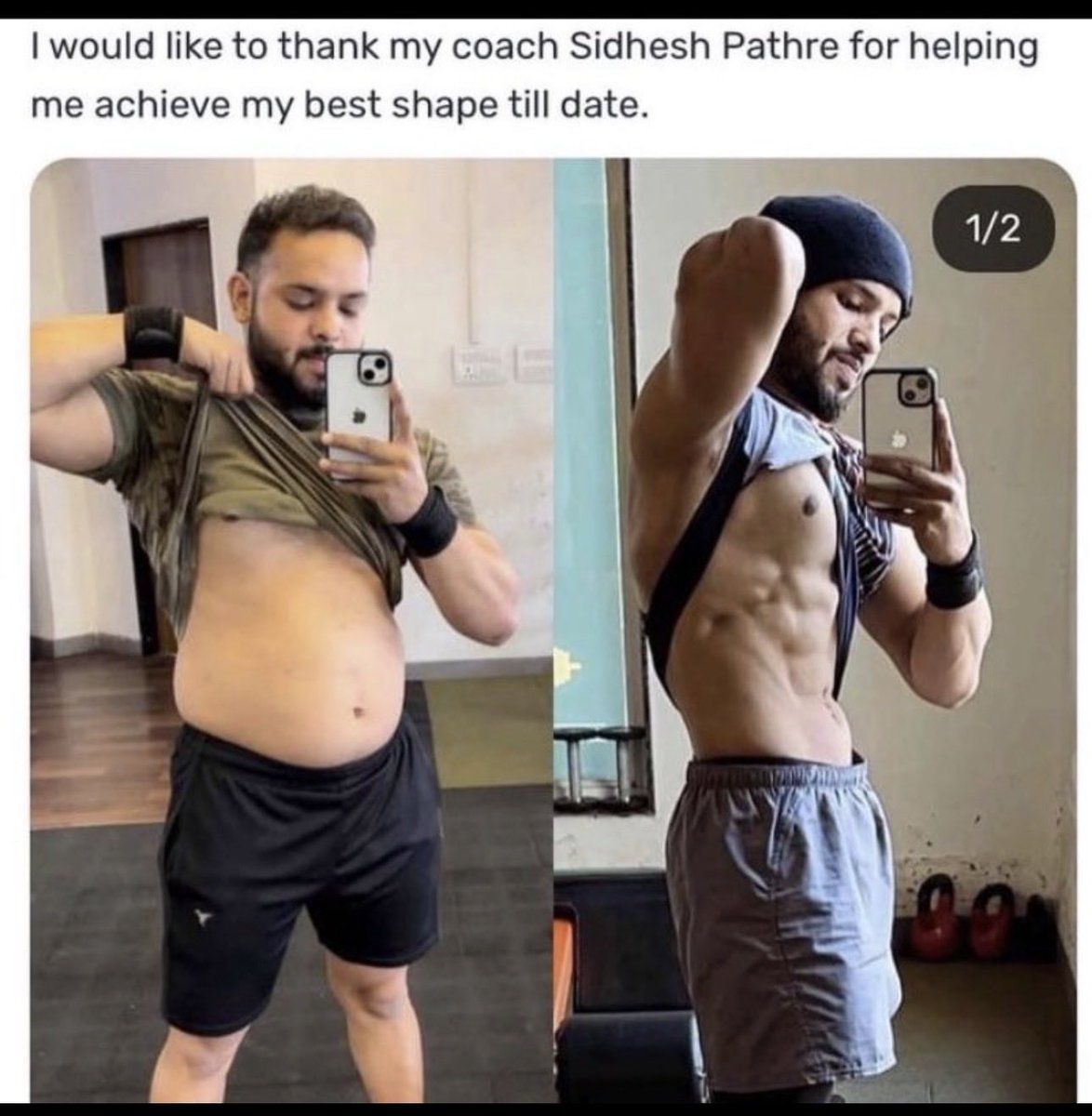
Here are some common insights from my most successful Client Transformation
Most of my clients didn’t lose fat by “just tracking food”
They lost fat by removing decision fatigue and maintaining data consistency.
We built a repeatable meal structure same meals, same times, same macros.
Because the body adapts to predictable input, not random fluctuation.
Here’s why it works 👇
Same meals = calorie precision without daily logging
Repetition = consistent digestion and measurable feedback (easy to identify what causes bloating or energy dips)
Stability = more reliable progress tracking and faster adjustments
You don’t need variety to make progress you need consistency long enough to gather real data.
Once the body is stable, then we reintroduce variety strategically.
Diwali is here and so are Diwali parties, the one with family, the one with friends, the one with cousins and the list goes on…
Well you can enjoy all these parties by making smart choices at the restaurant and following these tips whenever you go out.
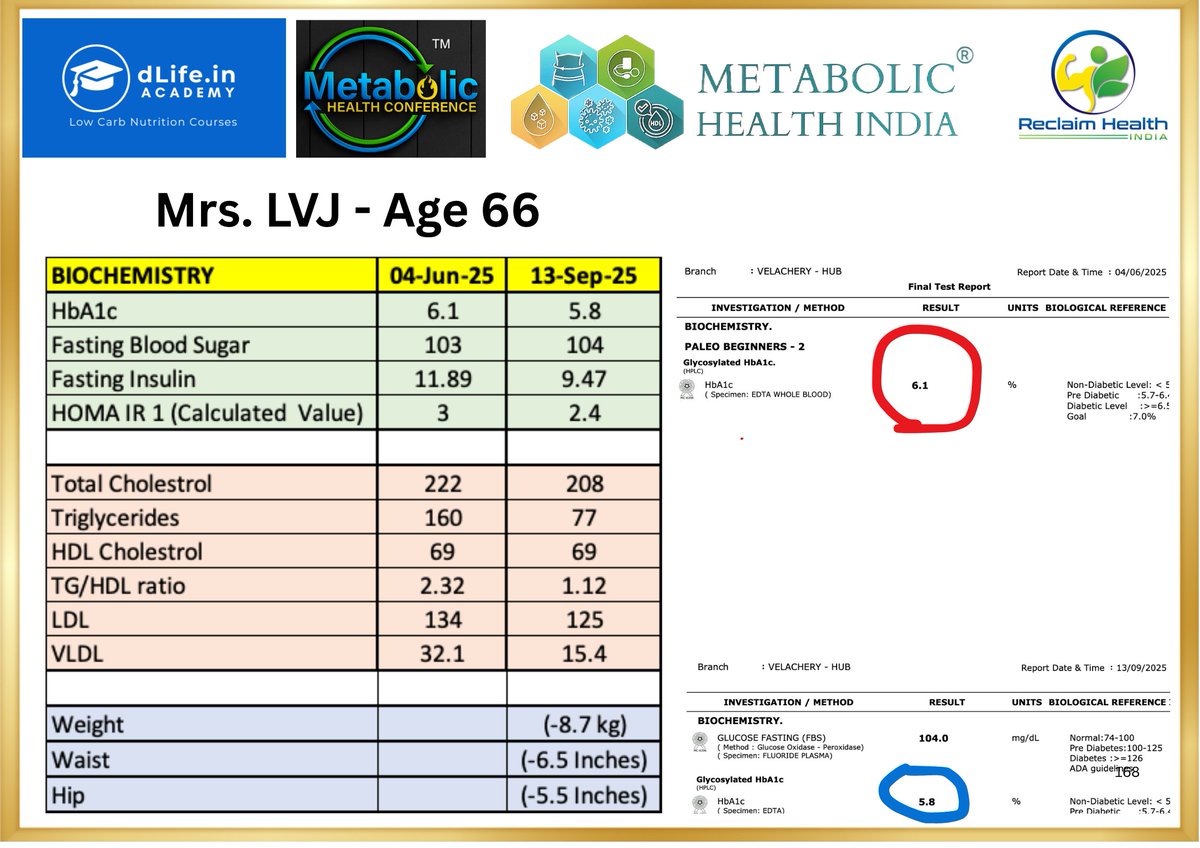
A heartfelt testimony from a happy client who came to me for a Metabolic Reset. I had shared her success story earlier, and now, with her permission, I am posting the full emailed testimony under her name. It’s a lengthy one.
"My metabolic health recovery journey with Mr Shashikant Iyengar has been a game-changer for me. I am truly grateful to my diet coach for the remarkable, data-driven, and scientific approach he applied throughout my 3-month coaching journey. A complete blood work was done to capture a comprehensive snapshot of my current health/nutritional status/risk factors. He identified insulin resistance, prediabetes & high triglycerides as unidentified and unaddressed health issues.
After trying numerous diets over the years- ranging from South Beach, Ford diets, low salt regimen and even an Ayurveda-based 7-day coconut water fast with only marginal results and quick rebounds. Through his guidance, I was able to significantly increase my protein & lower down carbohydrates into my diet.
I was unable to climb up the stairs in the past.
Currently I am able to negotiate steps comfortably while in the past I used to navigate flight of steps by only using one good leg. That too without getting breathless.
Over these three months, I successfully lost more than 9 kilos, which felt like a complete reset for my body. Additionally I lost 6.5 inches off my waist and 5.5 inches off my hips. This is a massive change I seen for the first time.
The constant "food noise" in my mind has quietened, and all cravings for unhealthy munchies have disappeared. Sometimes when I was feeling low whenever I feel my weight loss appeared to plateaued, Mr. Shashikant would constantly encouraging me by focusing on indicating areas of improvement that I have shown be it bone strength and BMI rather than just the scale.
This holistic, supportive, and personalised approach kept me motivated and confident in my progress. I was consistently doing cardiovascular activities, weights, resistance band training and isometric exercises.
At nearly four months now, I feel healthier, stronger, and more in control of my eating habits than ever before. My insulin level has dropped and so also my HbA1c.
Triglycerides have dropped from 160 to 77 in spite of eating more fats. This came as a surprise to me as I am used to hearing from doctors that eating more fat will increase triglycerides and cholesterol.
Thanks to Shashikant my Insulin resistance and TG/HDL ratio dropped into safer range thereby lowering risk of heart disease.
And yes, I forgot to mention that I am 66 years old and a full-time consultant with a leading organisation serving people with developmental disabilities.
I highly recommend his expert coaching for anyone serious about sustainable and meaningful health transformations"
L. V. Jayashree (Mrs.) - Chennai, Tamil Nadu.
Gratitude to Mrs Jayashree for the big testimony and my guru Anup @dlifein
cc @TheIraSahay@ReclaimHealth_I
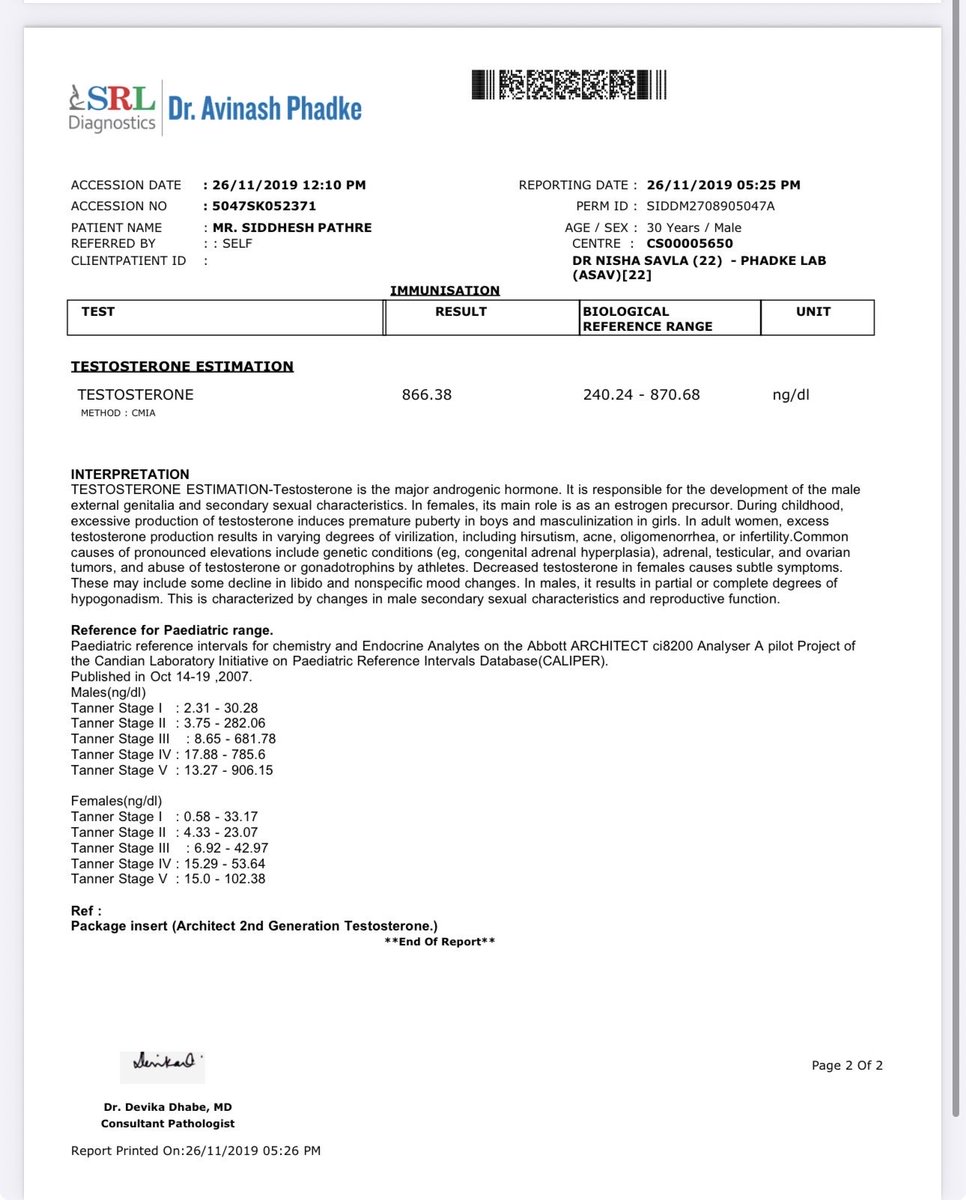
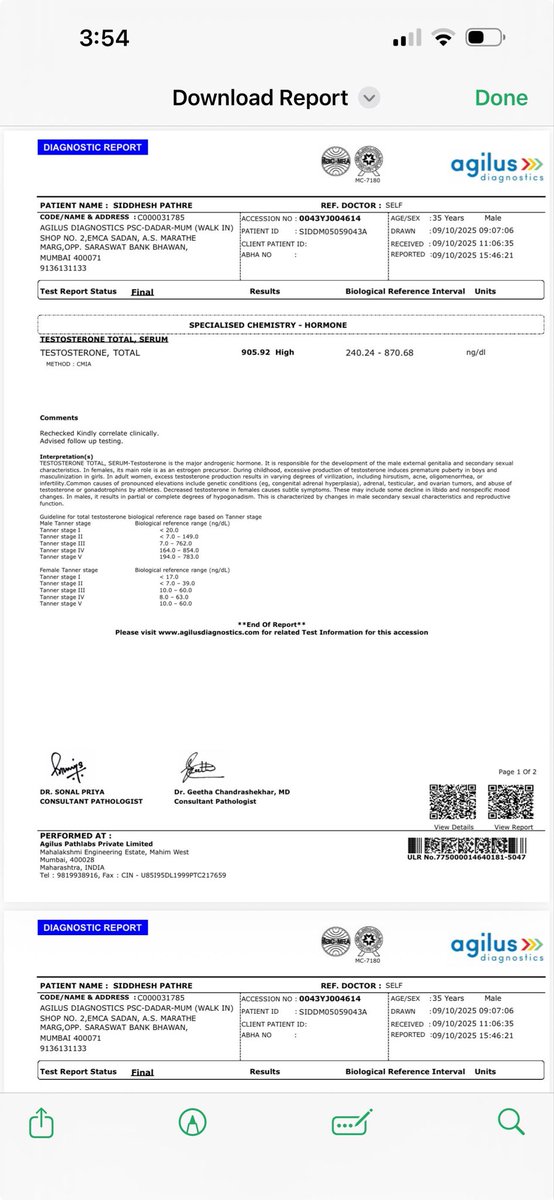
My Testosterone Levels over the years
2019- 866
2021- 930
2022-828
2024- 1082
2025- 905
Never took any supplements that claim to boost testosterone, just made sure that i am eating enough Protein, Weight Training, Staying Active and getting proper sleep consistently.
Mr. AS – Age 39 | Pure Vegetarian | From 12.6 → 6.8 HbA1c in 5 Months - Update
When Mr AS, a 39-year-old pure vegetarian professional, came to me in April 2025, his HbA1c was 12.6%, with FBS 219 mg/dL and PPBS 328 mg/dL — classic signs of advanced uncontrolled diabetes. He was started on Gemer 0.5 OD and Istamet 50/500, but his blood sugars remained erratic.
He decided to give low-carb vegetarian nutrition a serious try - and within two weeks, his sugars started improving enough for his doctor to stop all medications after he convinced him that he will change his lifestyle
Despite frequent work-related travel and managing only ~75% adherence, his progress has been remarkable:
📉 HbA1c: 12.6 → 7.3 → 6.8
📉 FBS: 219 → 116 mg/dL
Medications: All diabetes drugs stopped by mid-May
✅ More energy throughout the day
✅ Sharper cognition & mental clarity
✅ Improved stamina, even with travel and irregular schedules
His case beautifully demonstrates that low-carb is fully compatible with a pure vegetarian lifestyle.
From a dangerously high HbA1c of 12.6% to 6.8% in just 5 months, this transformation proves that even partial consistency in the right direction can yield massive results.
“You don’t need perfection - you need persistence.”
It's still a work in progress.
@dlife.in - where science meets real Indian vegetarian nutrition.
@TheIraSahay@ReclaimHealth_I
Mr NB – Age 52 | From Green Juices to Real Nutrition
For years, Mr NB believed what most are told - that a “green juice, low-fat, vegan-style diet” is the path to good health.
Despite his discipline, his HbA1c stubbornly stayed above 6.4, his triglycerides remained high, and his waistline refused to shrink.
After following my posts on X for months, he decided to switch to a low-carb, higher-protein, healthy-fat plan - built on real food, not liquid greens. Within a few months, the transformation began:
✅ HbA1c: 6.2 → 5.5
✅ Triglycerides: 197 → 122
✅ HDL: 39 → 46
✅ TG/HDL ratio: 5.05 → 2.65
✅ LDL: 220 → 168 (😂)
✅ Total Cholesterol: 298 → 238 (😂)
✅ Liver enzymes (SGPT/SGOT): improved remarkably — fatty liver resolving
✅ Uric Acid: 6.5 → 5.8
✅ Waist: reduced by 3 inches
✅ Energy, cognition, and alertness: much better
✅ Cravings: gone completely
And here’s the part that surprises most doctors and “gym bros”:
➡️ On a high-fat, low-carb diet, his lipid profile actually improved - not worsened.
Can these Doctors and Gym bros please explain what happened here?
The liver, no longer overloaded by fructose and insulin spikes, begins to heal, which explains why his fatty liver markers normalised and uric acid dropped even with higher dietary protein.
This is not a fluke - it’s a pattern I see repeatedly in my clients.
Real food heals when you stop fearing natural fats and start correcting the root cause - insulin resistance.
Today, Mr NB feels lighter, sharper, and stronger - proof that the right nutrition, not fear-based restrictions, drives true metabolic recovery.
From green smoothies to real food, from “detox” myths to metabolic truth this is what sustainable health looks like.
Check out what he has expressed below 😀😀
@dlifein protocol used.
@TheIraSahay@ReclaimHealth_I
Online Personal Training sessions have begun
Morning and Evening slots available
If you are a beginner, struggling to follow a schedule, confused or clueless about exercise, or you need supervision when working out, this is for you.
Home workouts and Gym workouts whatever is convenient for you.
Offline Personal Training is also available for anyone who is living in Mumbai.
DM me to know more
My 6 Non-Negotiables After 7 Years of Training
1. Train full body, not body parts.
Forget chest day and arm day.
I train movements push, pull, hinge, squat, carry.
Why?
Because life doesn’t isolate muscles it demands function.
2. 130-150gm protein daily non-negotiable.
You can’t build muscle or recover without enough protein.
It doesn’t matter if you’re veg or non-veg.
You need to hit your numbers consistently not occasionally.
3. Sleep is a performance enhancer.
7 hours min.
If I don’t sleep well, I don’t train hard.
Sleep resets hormones, repairs muscle, and keeps hunger in check.
You can’t out-train poor recovery.
4. I walk daily even on rest days.
Steps = the most underrated fat-loss tool.
It improves blood flow, digestion, recovery, and mental clarity.
If you’re not walking, you’re leaving progress on the table.
5. I log my workouts. Always.
Tracking reps, sets, rest — this is how you progress.
You can’t improve what you don’t measure.
I don’t chase soreness. I chase numbers.
6. I train when I don’t feel like it.
Discipline beats motivation.
Some of my best workouts happened on days I almost skipped.
The win isn’t always in performance — it’s in showing up.
7. I hydrate with intent, not just water.
Hydration isn’t just about drinking more water it’s about retaining it.
I add a pinch of salt or electrolytes once or twice a day, especially around workouts.
This keeps energy stable, prevents fatigue, and improves performance.
You’re not tired you’re probably under-mineralized.
Conclusion:
After 7 years, I’ve realized:
There’s no magic.
No hacks.
Just structure, repetition, and patience.
I am starting Online Personal Training Sessions. If you are a beginner, struggling to follow a schedule, confused or clueless about exercise, or you need supervision when working out, this is for you.
Home workouts and Gym workouts whatever is convenient for you.
Offline Personal Training is also available for anyone who is living in Mumbai.
DM me to know more
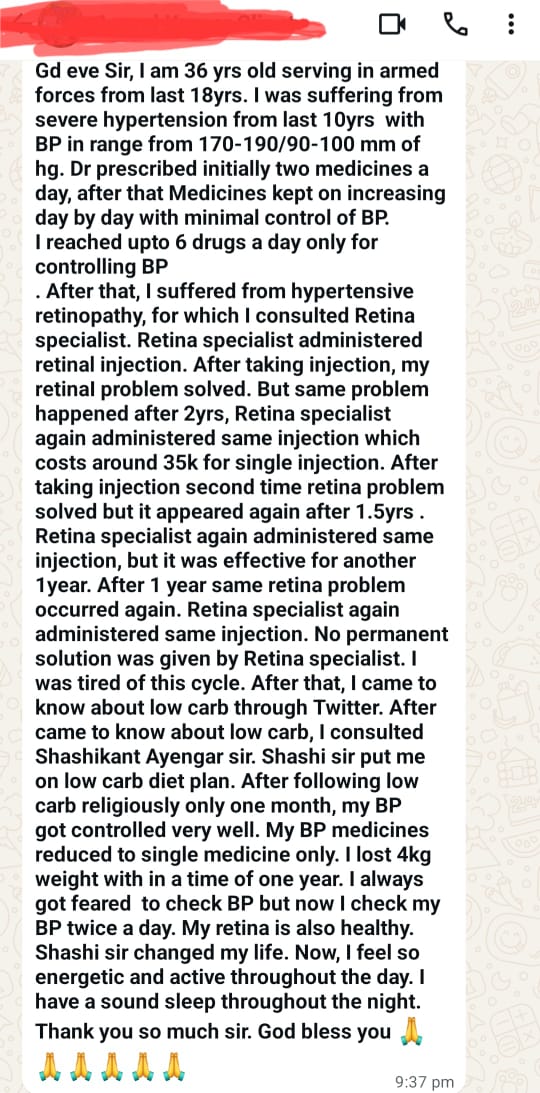
Mr. AA – Age 36 | Serving the Armed Forces | Resistant Hypertension
When Mr. AA, an active armed forces officer, came to me a year ago, he was battling uncontrolled hypertension for over 10 years.
Despite being on six different medications daily - including Prazopress, Aldactone, Met XL AMT (2 times a day), Aculip H, and Atorvastatin - his BP still stayed at a higher level, exceeding 140/100
The uncontrolled hypertension had also led to hypertensive retinopathy, requiring repeated retinal injections costing lakhs, but without any permanent solution.
I put him on a low-carb plan.
But like many, he still indulged in more carbs and sweets frequently, which hampered his progress.
Gradually, his BP started stabilising, and with his doctor’s supervision, multiple medications were phased off.
Now, after 1 year:
Only one medication (Met XL AMT) remains, reduced to a single daily dose.
All other drugs have been phased out.
Ocular issues improved with stable BP.
Shifted to 2 meals a day with intermittent fasting.
He has started losing weight and is already down by 4 kg. (Finally, after a long time)
Feels energetic, active, and hopeful for the future.
He is now serious about doing low-carb well and following this lifestyle for the rest of his life.
Serving the metabolic health of a military professional like Mr. AA is truly an honour for me.
This is yet another example of how carbohydrate reduction transforms health, where medicines alone couldn’t.
Best wishes to Mr AA, who will be reading this.
Special blessing to Anup @dlifein from Mr AA
@TheIraSahay@ReclaimHealth_I