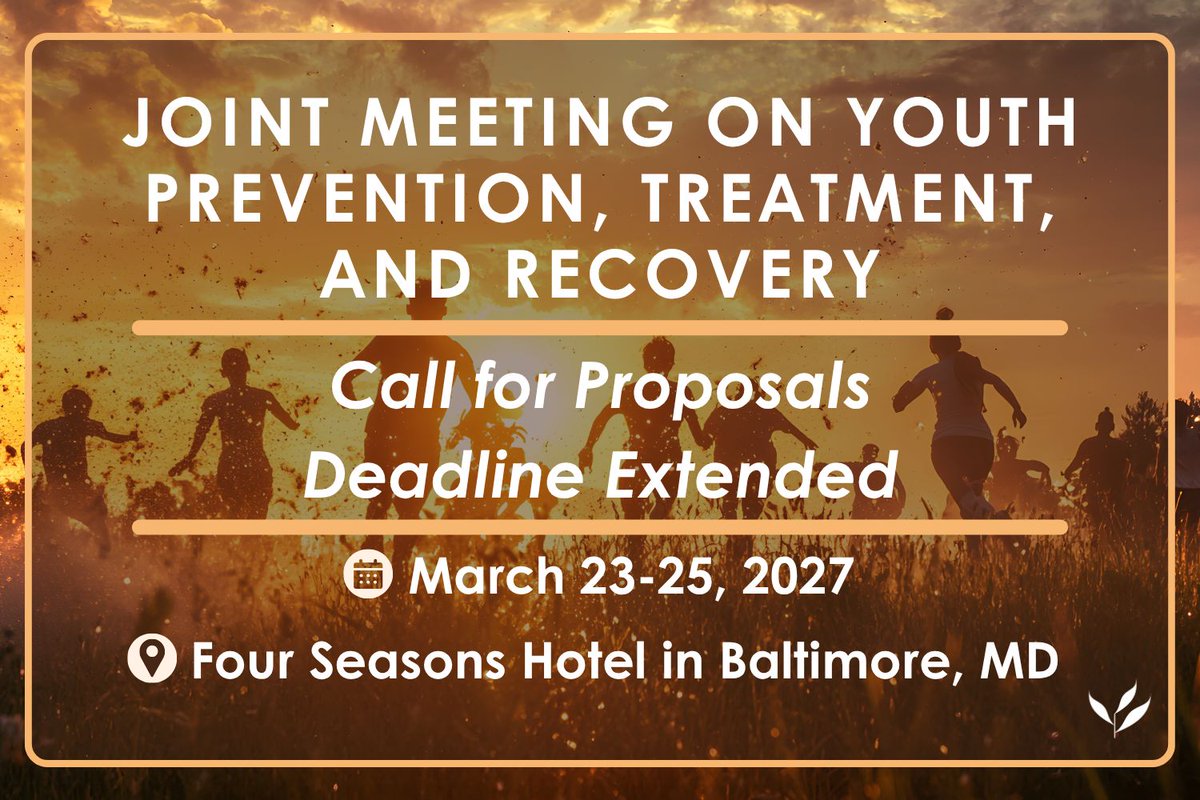
The 2027 JMYPTR Call for Proposals deadline has been extended to October 20, 2026.
📍 Baltimore, MD
📅 March 23–25, 2027
Submit your proposal: https://t.co/gd3i5VdpCu
#JMYPTR2027#RecoveryThroughScience#addiction#science
Have you submitted your proposal yet? The deadline for submissions for 2027 JMYPTR is just two weeks away on October 6, 2026!
Learn more and submit your proposal here: https://t.co/qfqWxcAfNs
#addiction#recovery#science#RecoveryThroughScience#JMYPTR2027
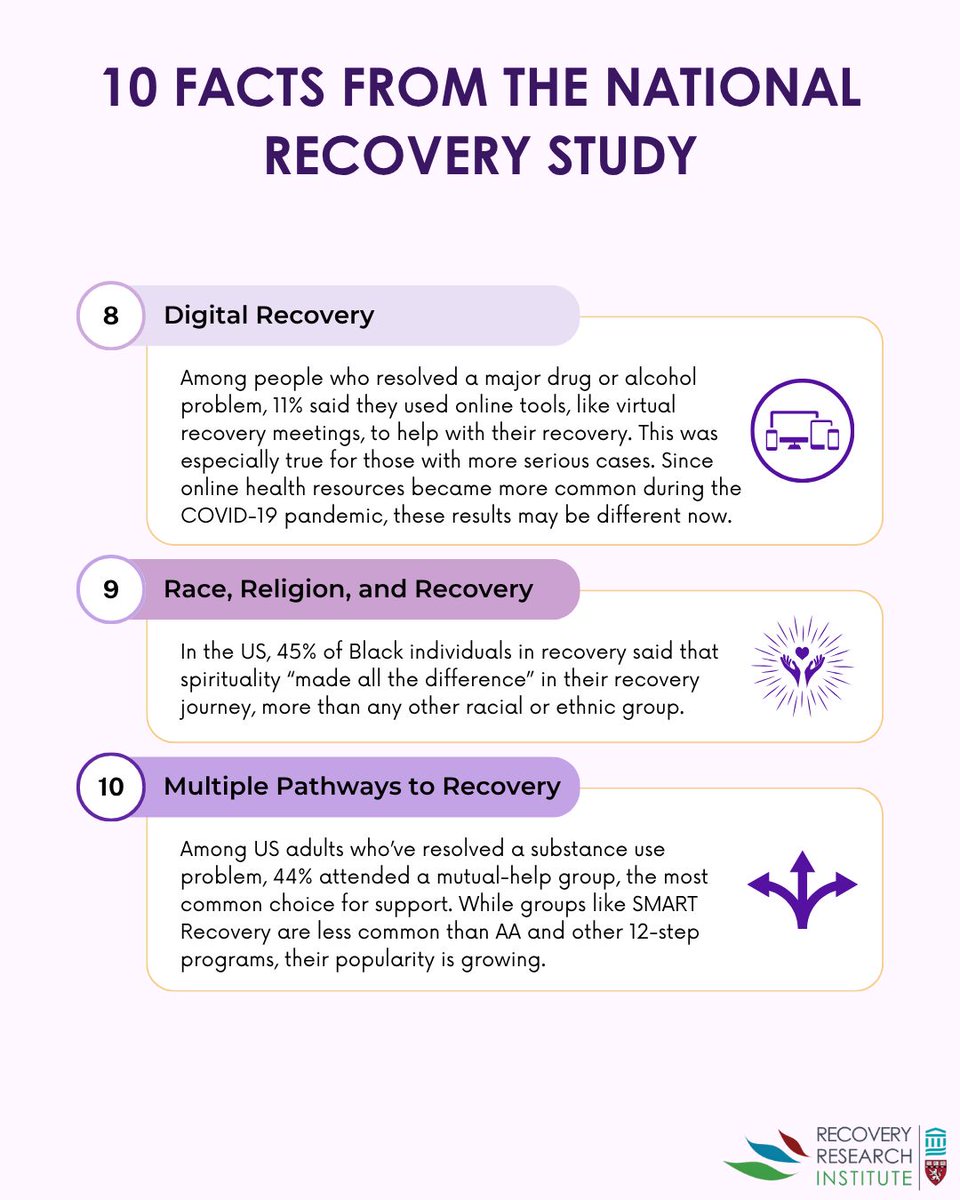
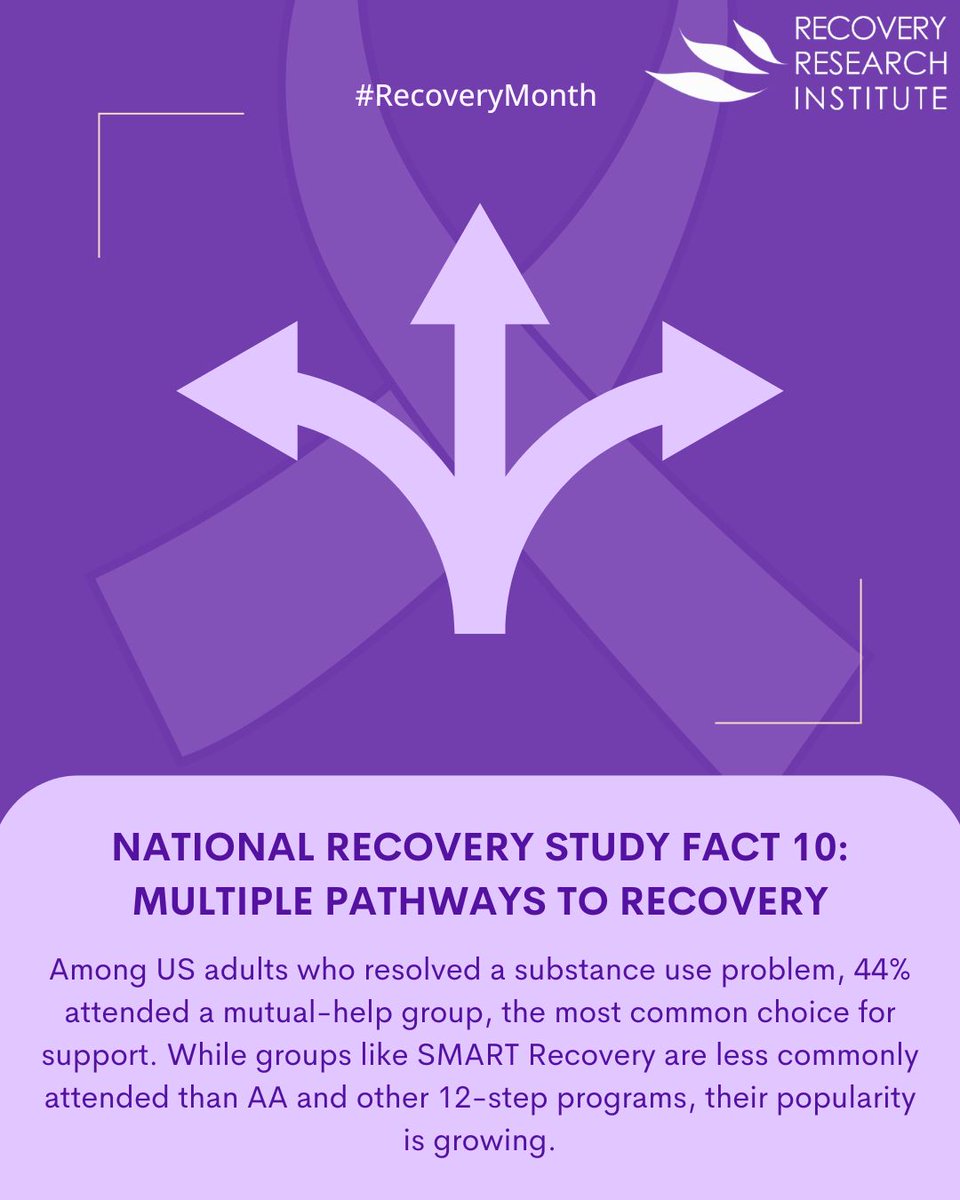
Among US adults who resolved a substance use problem, 44% attended a mutual-help group, the most common choice for support. While groups like SMART Recovery are less commonly attended than AA and other 12-step programs, their popularity is growing.
#recoverymonth
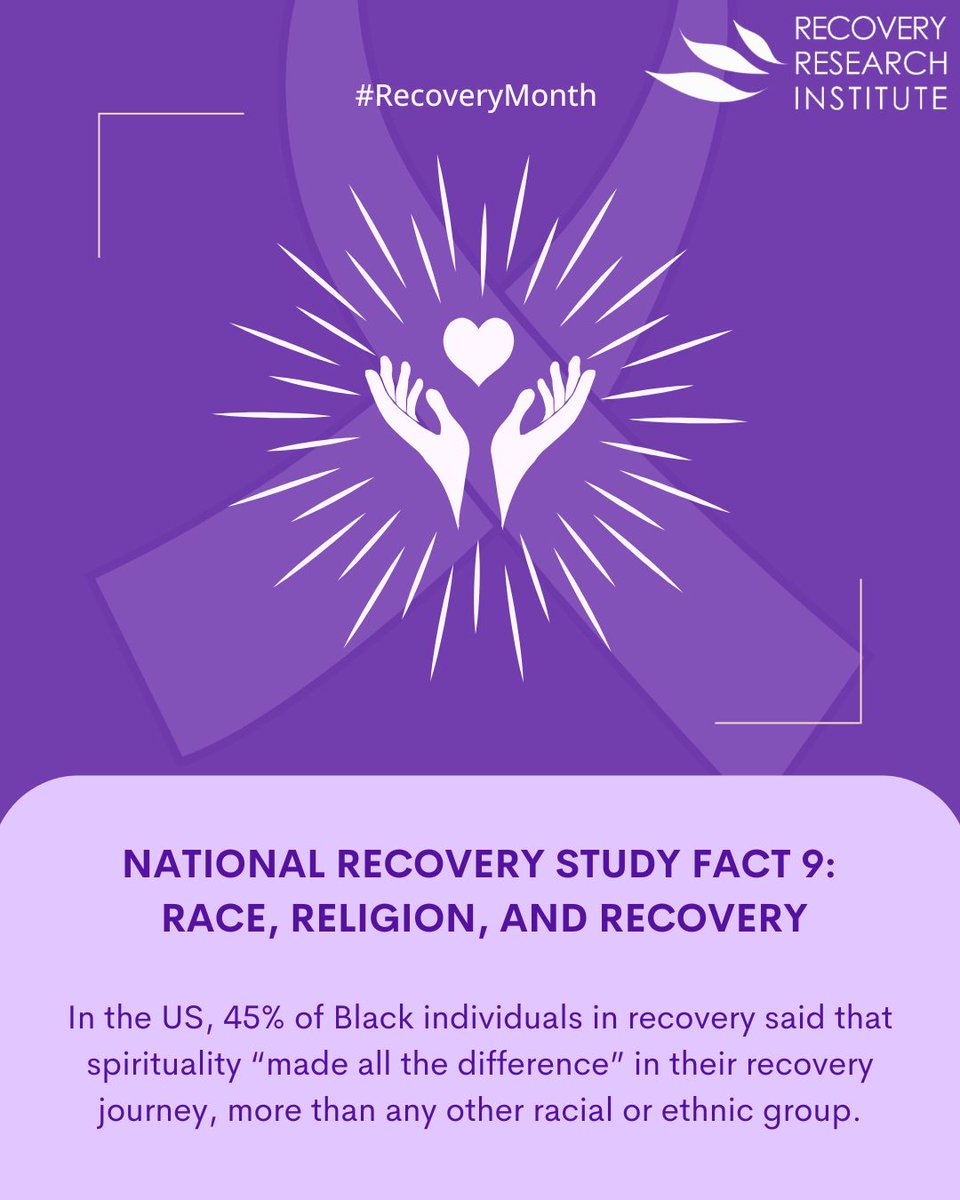
In the US, 45% of Black individuals in recovery said that spirituality “made all the difference�� in their recovery journey, more than any other racial or ethnic group.
People recovering from opioid use are less comfortable talking about their substance use history compared to those recovering from other drug problems suggesting there is more self-stigma around opioid use than other primary substances.
Among people who resolved a major alcohol or drug problem, 11% said they used online tools, like virtual recovery meetings, to help with their recovery. This was especially true for those with more serious substance use histories. Since online health resources became more...
For people who resolved a substance use problem, many said drugs like opioids, stimulants, or cannabis was their primary substance. However, most people —51%—say that alcohol is their primary substance reflecting the high prevalence of alcohol use disorder.
#recoverymonth
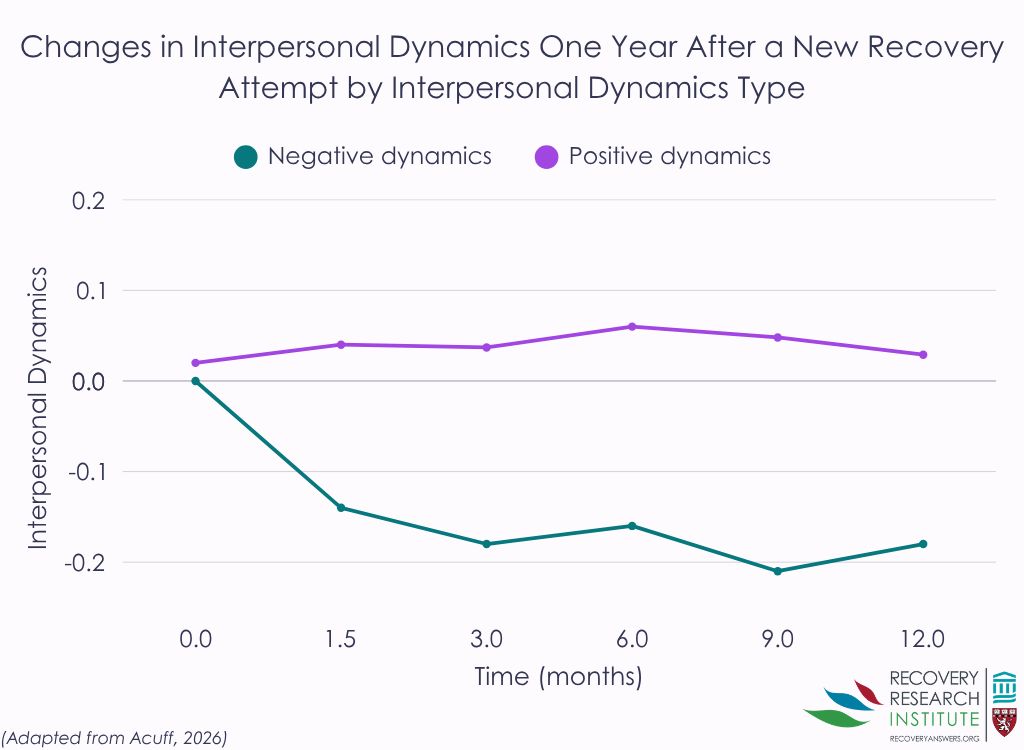
During the first year of recovery, negative interactions with family and friends decreased, while positive interactions remained relatively stable. This suggests early recovery may bring less conflict, though increasing positive interactions may take longer than 1 year.
About one-third of people in the National Recovery Study said they had dreams about alcohol or drug use. However, these dreams happen less often as people stabilize and build more time in recovery.
#recoverymonth#RecoveryThroughScience#recovery
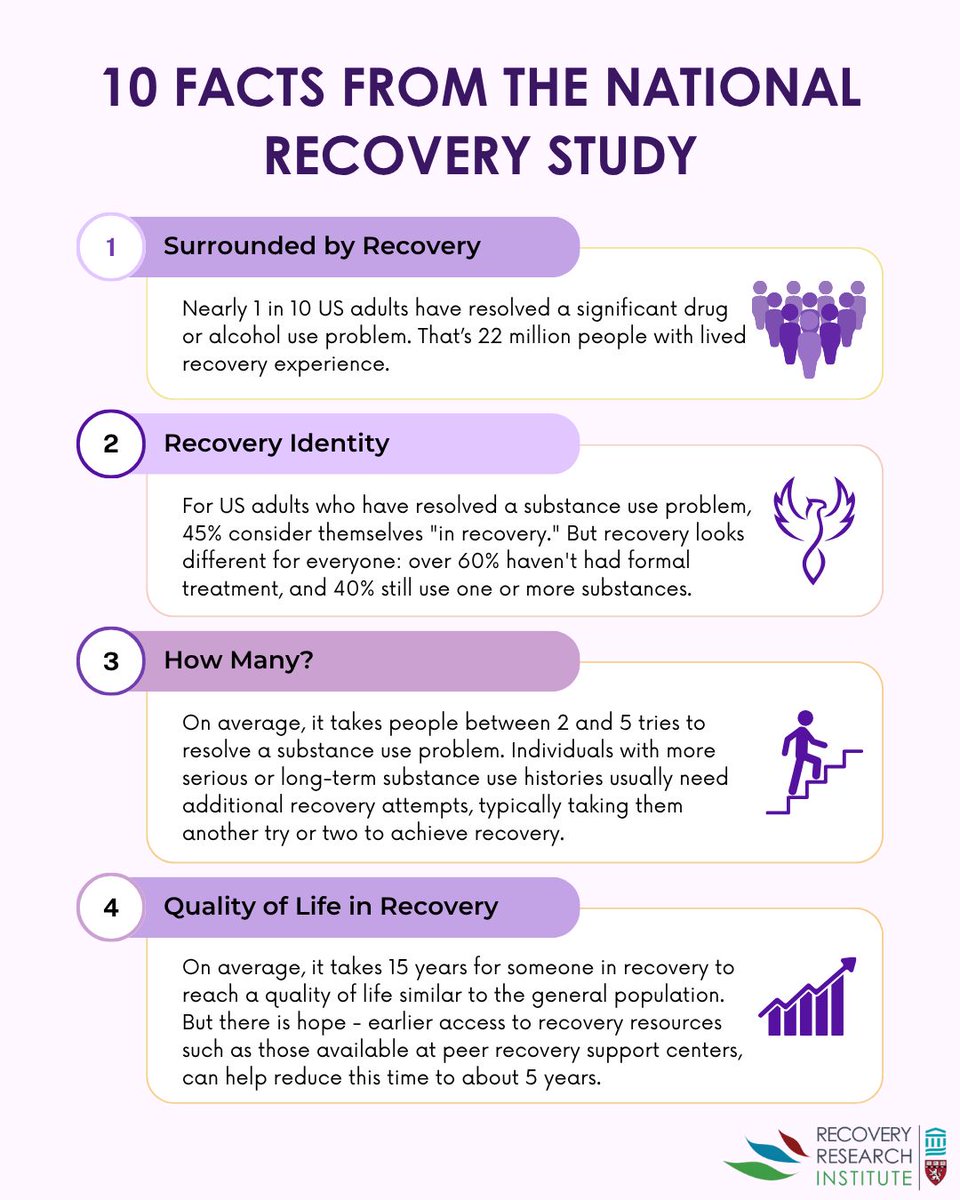
On average, it takes 15 years for someone in recovery to reach a quality of life similar to the general population. But there is hope - earlier access to recovery resources such as those available at peer recovery support centers, can help reduce this time to about 5 years.
A recent study found that, when connecting people with medications for opioid use disorder, recovery coaches had more success in rural community programs and less success in rural criminal-legal settings.
Learn more here: https://t.co/1MFxM5Swvy
#RecoveryThroughScience
On average, it takes people between 2 and 5 tries to resolve a substance use problem. Individuals with more serious or long-term substance use histories usually need additional recovery attempts, typically taking them another try or two to achieve recovery.
#recoverymonth
Please join the Recovery Research Institute for our upcoming Monthly Colloquium featuring Bruce S. Liese, PhD, ABPP.
Date: Tuesday, September 15, 2026
Time: 1:00–2:30 PM ET
Location: Virtual
Click here to join the session: https://t.co/MGY8DzvEeC
Passcode: RRI
Join us at NCARS to hear @JohnKellyMGH, @KeithNHumphreys, Lindsey Martin, and Tisha Wiley discuss ways to enhance the policy and public impact of addiction recovery science. Their keynote panel will be 9/24 at 4:30pm ET. Learn more: https://t.co/d0B8XLqnGn
#2026NCARS#Recovery
For US adults who have resolved a substance use problem, 45% consider themselves "in recovery." But recovery looks different for everyone: over 60% haven't had formal treatment, and 40% still use one or more substances.
Alcohol and other drugs were involved in 1 in 5 youth deaths in 2022, compared with fewer than 1 in 10 adult deaths. While adults had more substance-involved deaths overall, substances made up a much larger share of deaths among young people.
https://t.co/us35Yu2UOa
#recovery