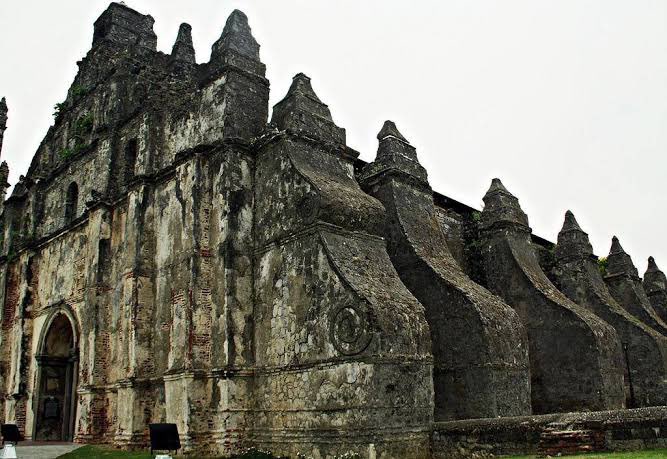
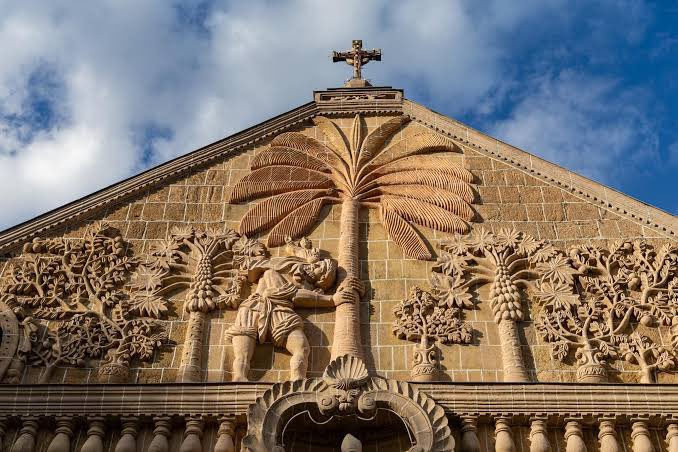
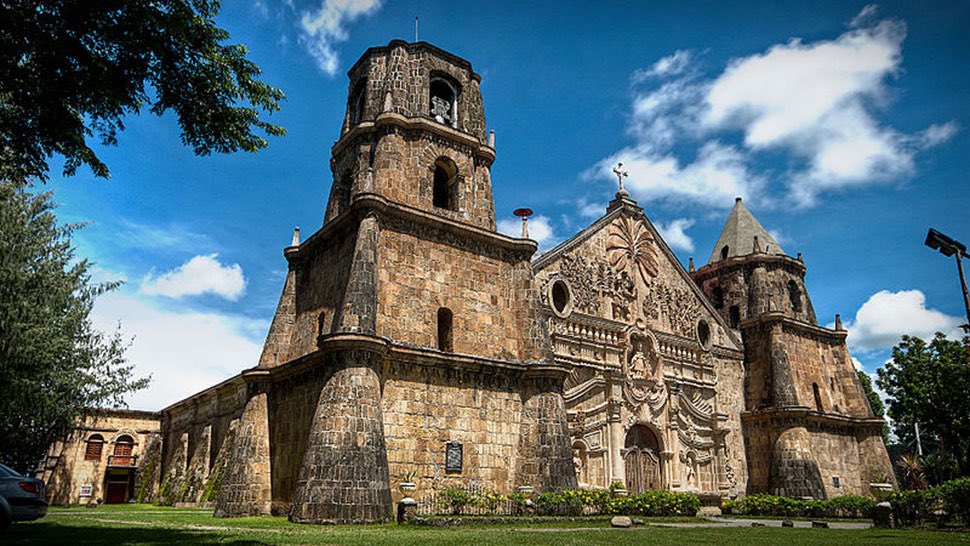
Spanish friars in the Philippines, particularly the Augustinians, developed the architectural style called the “earthquake baroque” that can withstand frequent seismic activity. It is characterized by robust, squat and fortress-like structures with thick and massive walls.
A FRONT ROW MOMENT
Celebrate 10 years of vivo Philippines with the all-new vivo V60, now available nationwide!
With its powerful 50 MP ZEISS Super Telephoto Camera, every shot brings you closer—like you’re always in the front row.
A forgotten and neglected history:
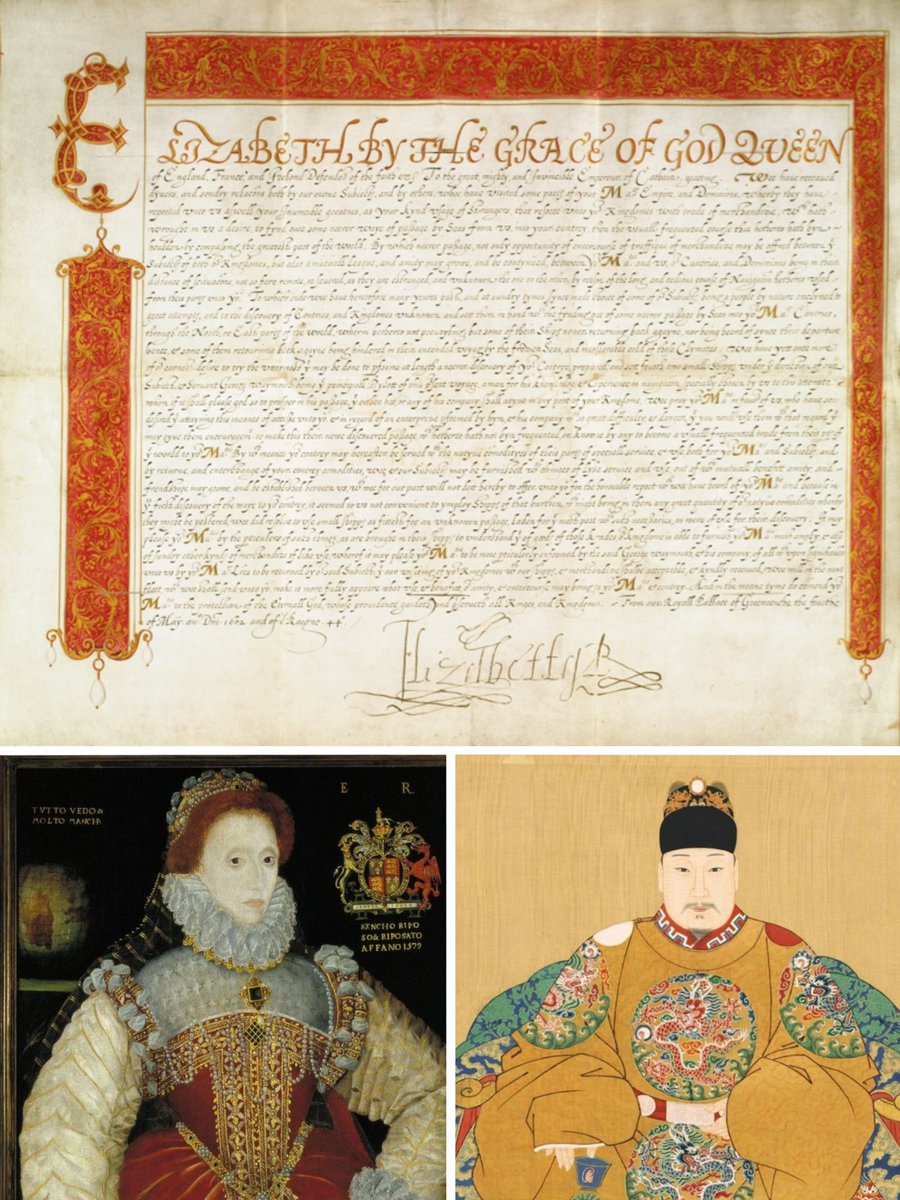
Queen Elizabeth I sent letter to the Wanli Emperor of China in 1602, seeking trade with China, but these attempts failed as the envoys perished at sea, never reaching the Emperor.
The letter was discovered centuries later from a shipwreck and eventually presented to China by Queen Elizabeth II in 1986.
The original text of the letter is shown below, in modern English form:
Elizabeth, by the grace of God, Queen of England, France and Ireland, Defender of the Faith to the great, mighty and invincible Emperor of Cathay, greetings.
We have received divers and sundry reports both by our own subjects and others, who have visited some parts of Your Majesty’s empire. They have told us of your greatness and your kind usage of strangers, who come to your kingdom with merchandise to trade.
This has encouraged us to find a shorter route by sea from us to your country than the usual course that involves encompassing the greatest part of the world.
This nearer passage may provide opportunity for trade between the subjects of both our countries and also amity may grow between us, due to the navigation of a closer route. With this in mind, we have many times in the past encouraged some of our pioneering subjects to find this nearer passage through the north. Some of their ships didn’t return again and nothing was ever heard of them, presumably because of frozen seas and intolerable cold.
However, we wish to try again and have prepared and set forth two small ships under the direction of our subject, George Waymouth, employed as principal pilot for his knowledge and experience in navigation.
We hope your Majesty will look kindly on them and give them encouragement to make this new discovered passage, which hitherto has not been frequented or known as a usual trade route.
By this means our countries can exchange commodities for our mutual benefit and as a result, friendship may grow.
We decided for this first passage not to burden your Majesty with great quantities of commodities as the ships were venturing on a previously unknown route and would need such necessities as required for their discovery.
It may please your Majesty to observe, on the ships, samples available from our country of many diverse materials which we can supply most amply and may it please your Majesty to enquire of the said George Waymouth what may be supplied by the next fleet.
In the meantime, we commend Your Majesty to the protection of the Eternal God, who providence guides and follows all kings and kingdoms. From our Royal Palace of Greenwich, the fourth of May anno Domini 1602 and of our reign 44.
Elizabeth R
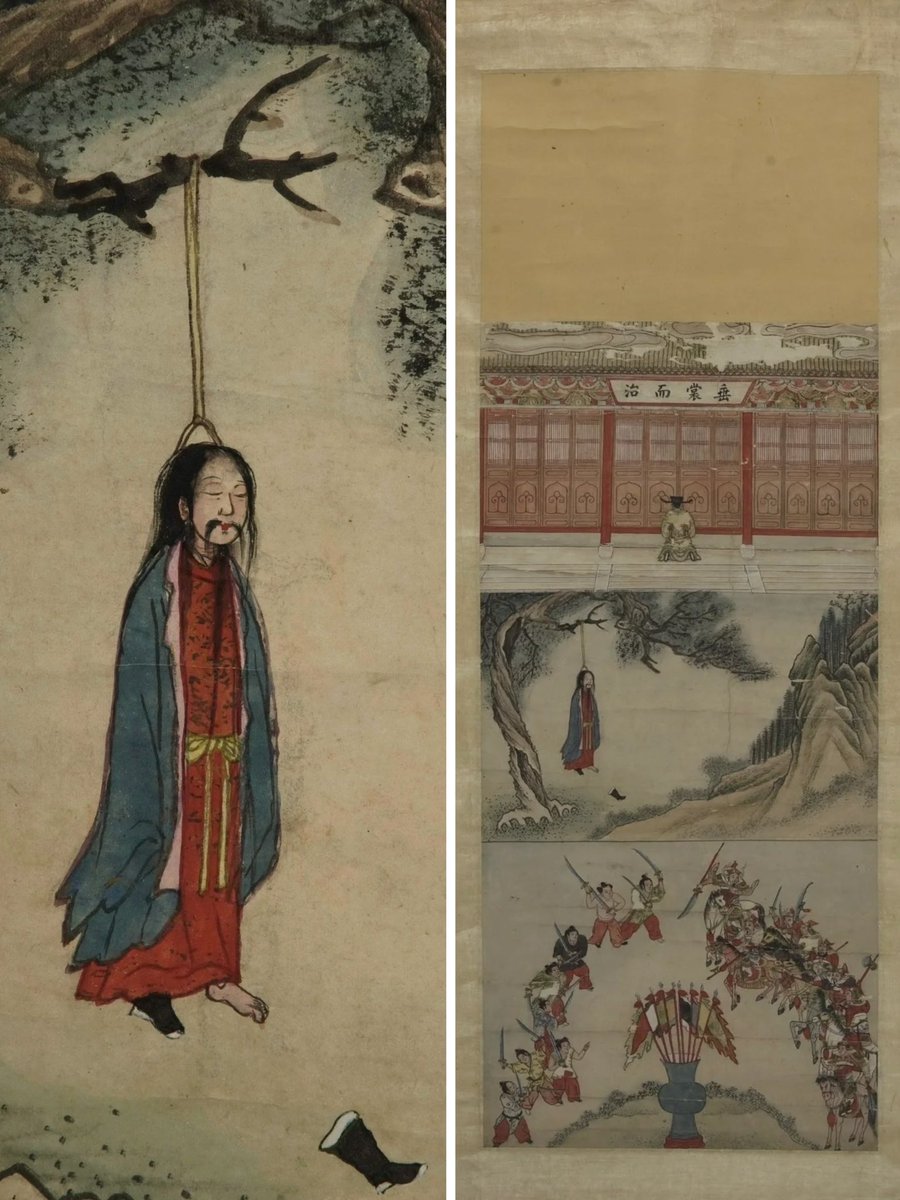
Rare painting of "Chongzhen Emperor's Martyrdom"崇祯帝殉国图, anonymous Artist, Qing Dynasty, Collection of Shandong Museum.
On March 19, 1644, as rebel forces led by Li Zicheng breached the capital, the Ming Dynasty's Chongzhen Emperor took his own life by hanging himself on Coal Hill (now Jingshan Park) behind the Forbidden City.
At only 33 years old, his death marked the tragic end of the Ming Dynasty—founded by Zhu Yuanzhang and spanning 276 years—ushering in a profound transition in Chinese history.
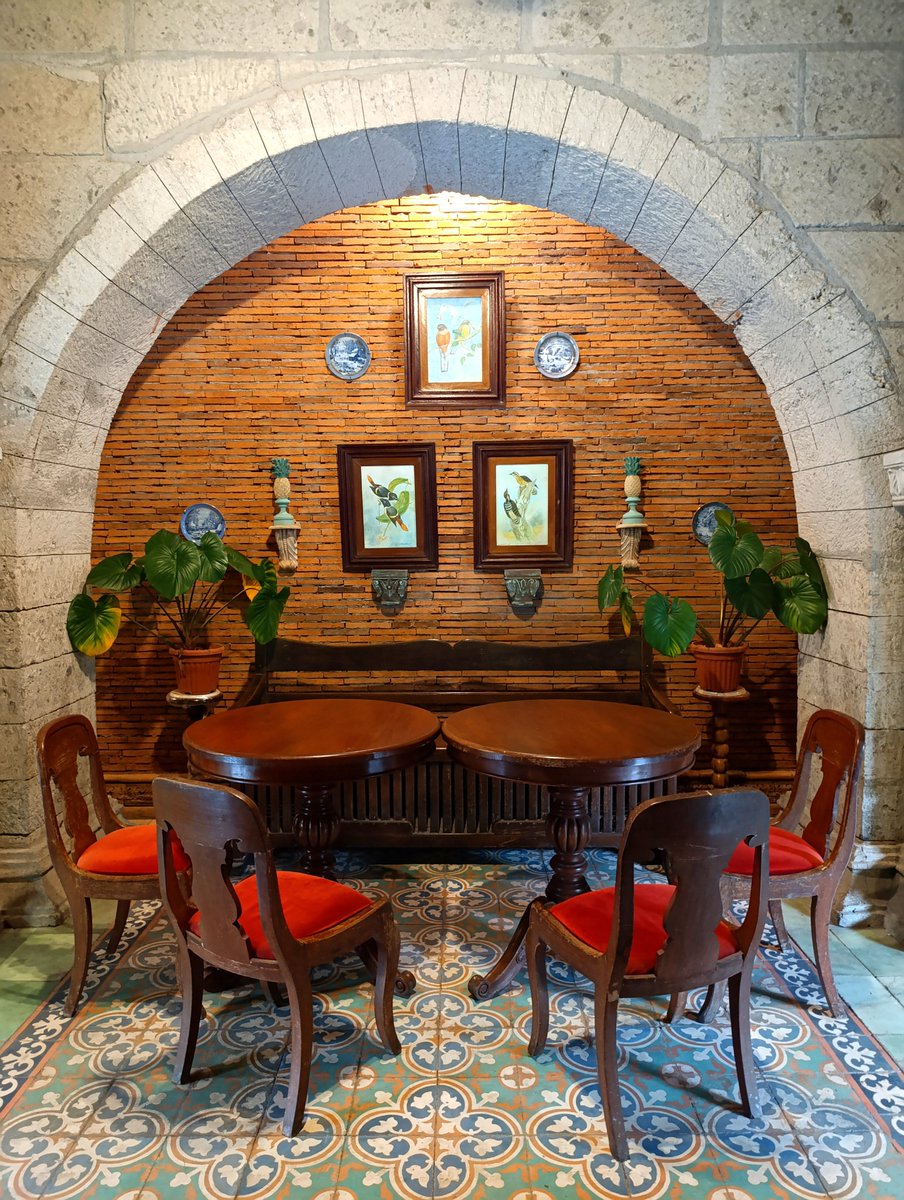
Adobe arch walls, brick walls, and colored cement tiles create a hard finish that beautifully complements painted walls and hardwood interiors. A symmetrical layout adds a touch of drama. #Arch#Bricks#Adobe#CementTile#NarraFurniture
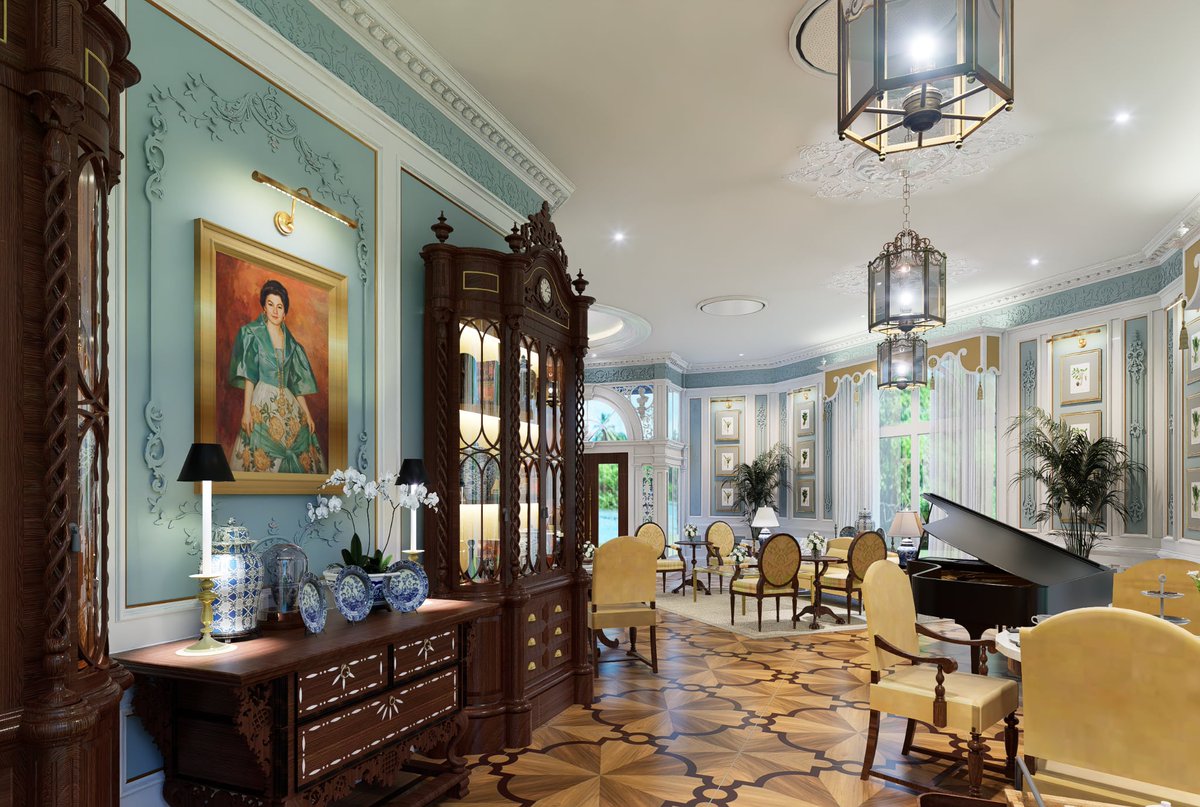
A Neo-Classical Revival–style hotel lobby infused with a touch of Filipiniana elegance — featuring a Batangas mesa altar table and an original Fernando Amorsolo painting of Ms. Teresita Tambunting. 🇵🇭✨
#SketchUp#Design#SKP#PhilippineFurniture#Filipiniana
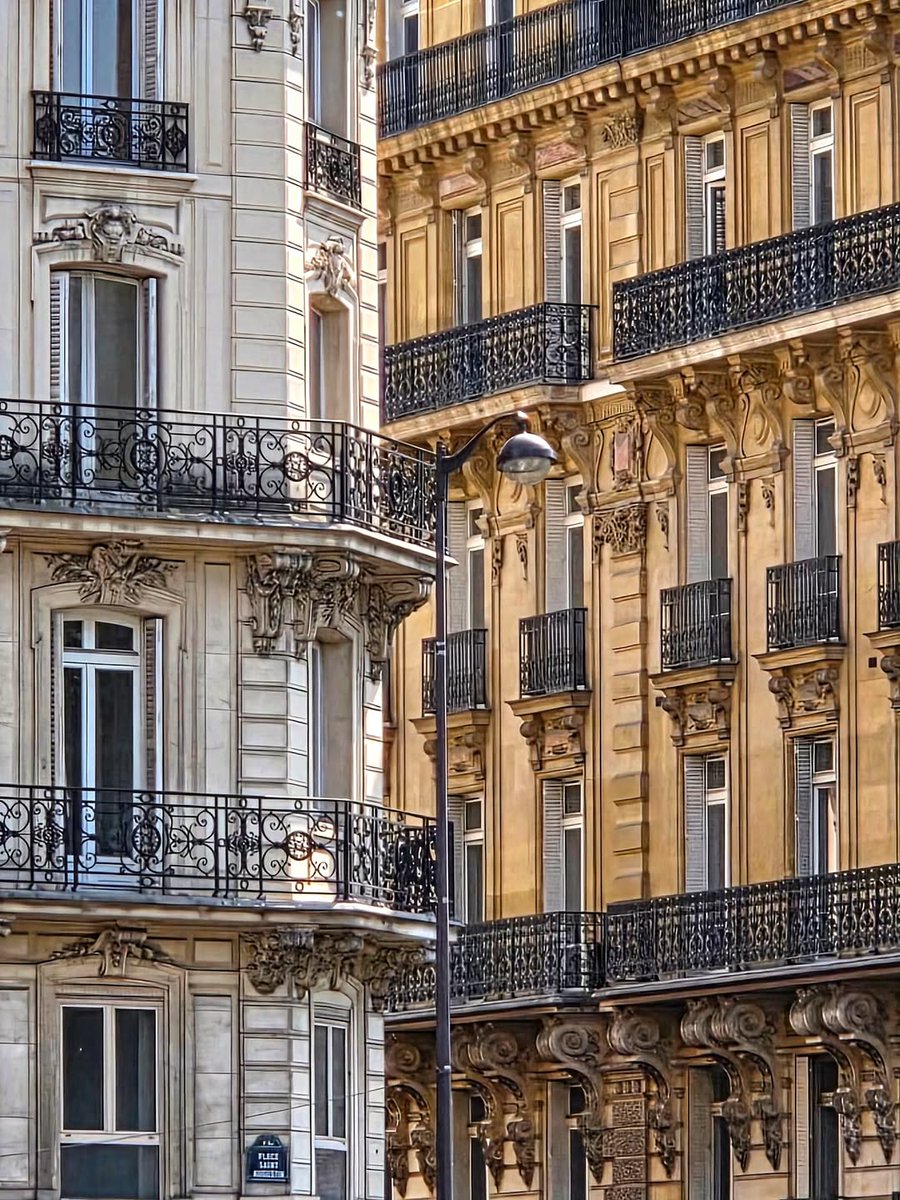
The honeycomb blocks of Paris have small courtyards. Not enough to provide recreational green space, but enough to provide good light and ventilation for dual-aspect units.
Importantly, these Haussmann-era buildings (mid-19th century) are usually 5-6 stories, with 2-4 apartments per floor (larger ones on lower floors, smaller ones on top).
Each building might contain 8-15 units, which is a social scale that even parents with kids are comfortable with.
The post-WWII social housing blocks, by contrast, can have 50-200+ units per building, which is a social scale that has frankly ruined the notion of "apartment blocks" in the public imagination.