What's The Difference Between Incandescent Chicken Bulbs And Those Expensive Red Light Therapy Panels?
I've seen people posting about incandescent heat lamps that have been available for decades at about $20 each.
They want to know if it's basically the same as “those expensive red light therapy panels?”
Incandescent bulbs are not photobiomodulation…
Here's the truth…
In this thread, we’ll get into the weeds on the major differences between them…
Most People Use Red Light Therapy On Their Eyes At The Wrong Distance
They're scared red light therapy will damage their eyes.
It won't.
But the fear isn't totally wrong.
There's a real risk, it's just not the one people think.
The light isn't the problem.
The distance is.
but here's the part nobody tells you...
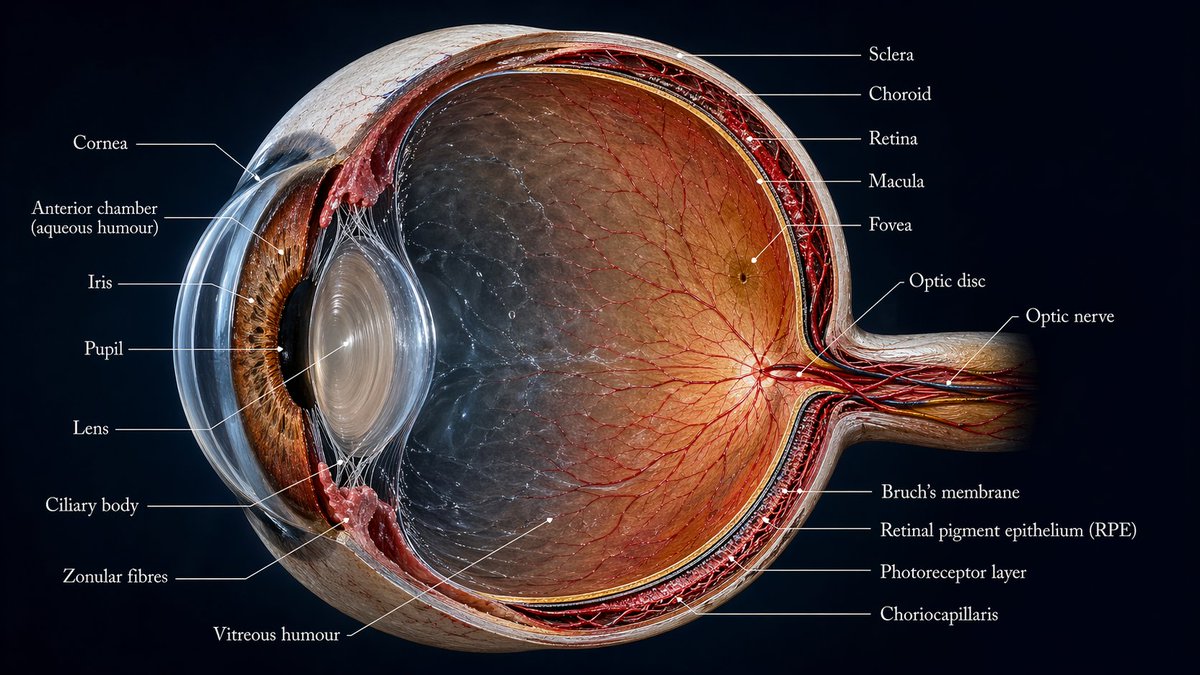
Your retinal cells have mitochondria.
The same tiny power plants sitting in every other cell in your body.
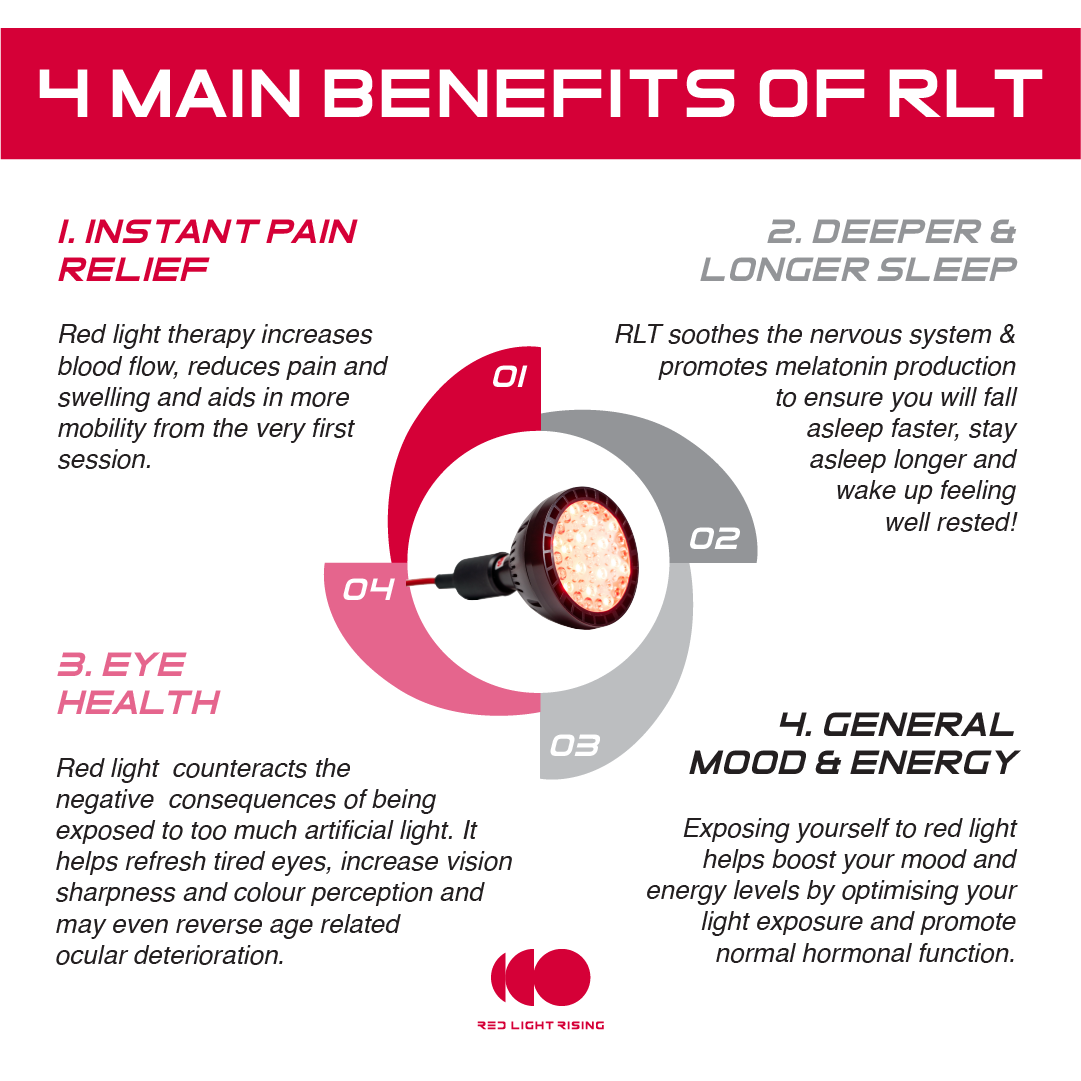
So when red and near infrared light reaches them, those mitochondria produce more energy, and your eyes work better because the cells powering them have more fuel.
So when is red light therapy actually risky for your eyes?
Only when the device is too close to your face.
We evolved to get red and infrared light from the sun every single day.
So your eyes are built to receive it.
What they're not built for is a powerful device too close to them
(Blue light, by the way, is far more dangerous for your eyes, even at low doses.)
How to do it safely...
Start with the light roughly an arm's length from your face.
At that distance the power and brightness drop enough to be perfectly safe.
If that feels comfortable, you can move it slightly closer over time.
5 minutes a day is all you need.
Morning is better. But anytime works,
Your eyes can be open or closed.
If you want a light built for exactly this, the one I reach for on my own eyes is the Target Light 3.0.
It has 660, 810 and 850nm.
It's battery operated, and it comes with a small stand so you can set it at the right distance and let it shine on your face without holding it.
So it's totally safe if you use it correctly.
What's actually stopped you from trying red light on your eyes ? Reply and tell me.
Chicken lamps are trending on the health circuit as cheap red light therapy.
I've had thousands of customer conversations about these devices over 9 years.
Here's what you need to know.
❌ Strictly speaking, they're not red light therapy.
They’re mostly mid and far infrared light which has a different cellular effect.
✅ True red light therapy is red and NEAR infrared only.
Totally different thing.
True RLT gives off almost no heat, which means it’s totally safe and convenient to treat sensitive areas like face and eyes.
You can also get it much closer to your skin for deep tissue penetration.
I’ve wittten extensively about the differences, so if you want to read the full article, let me know in the comments and I’ll send it.
Stop These 8 Lighting Mistakes Before They Ruin Your Sleep
If you're struggling to sleep, you're probably doing something wrong before bed, and it has nothing to do with caffeine.
I've been obsessed with light for 9 years now, and I keep watching the same pattern ruin people's sleep night after night.
Thats beacuse our modern light environment makes our brains think it's daytime 24 hours a day.
So that means, your brain never gets the signal that it's nighttime and it never has time to prepare your body for sleep…
You miss out on crucial deep and REM sleep night after night, week after week for years and years.
So getting the right light at the right time isn't optional. It's crucial.
Here's 8 mistakes you need to stop making...
Mistake 1. You're not getting morning sun on your face.
Wake up as close to sunrise as you can and get that bright natural light into your eyes within the first hour of being awake.
This is the single biggest signal your body uses to set the day's clock.
If you can't reach morning sun where you live, a quick red light therapy session as soon as you wake up acts as your supplementary sunrise.
Mistake 2. You're hiding indoors all day.
Your brain uses daylight to gauge the time of day and countdown to nightfall.
Even on cloudy days, outdoor light is way times brighter than anything indoors.
So step outside for 10 minutes every couple of hours, no excuses.
Mistake 3. You're soaking in blue light from screens all day.
Phones and laptops fire a steady blast of blue light at your face for hours on end.
This is exactly the kind of light that keeps your brain wired and alert no matter what time of day it is.
So when you suddenly try and switch off and go to sleep, your brain is confused and tries to keep you awake.
So experiment with blue blocking glasses during the workday.
They cut excess blue light and help keep your brain relaxed and focused.
Mistake 4. You're skipping the sunset cue.
One Of the things that makes sunrise and sunset so good for you is the high concentration of red and infrared light, just like what you get from red light therapy.
Around sunset, give yourself another blast of red light therapy.
This acts as your supplementary sunset, the signal your body has been waiting for to start winding down.
Mistake 5. You're using overhead lights after dark.
Using bright lights overhead at night mimics the Sun, it's bright light coming down on you from above.
So as soon as the sun sets, Switch off all overhead lights,
Instead, use some warm lamps and keep them below eyelevel.
Warm lighting coming at you from below, will not disrupt your circadian rhythm and won't interfere with sleep.
We made the Dusk Lamp exactly for the reason.
Mistake 6. You're doom scrolling before bed.
Phones in the 2 hours before sleep keep your brain locked in daytime mode.
The light that comes from these devices keeps you wired and awake.
So put the devices down, grab a book, or put on some calm music.
Your nervous system needs time to drift into the slower rhythm of night.
Mistake 7. You're skipping blue blockers at night.
If you absolutely have to use a screen after dark, use blue blockers.
They block the green and blue wavelengths that suppress melatonin the most.
Mistake 8. You're sleeping next to glowing LEDs.
Every single tiny source of light in your bedroom when you're trying to go to sleep can disrupt it.
Even if it doesn't go in your eyes, I've seen studies that suggest that even if it lands on your skin it can send the signal to your brain to stop melatonin production which will make your sleep worse.
Sleep in a pitch black room, every single device must be unplugged with no light shining.
Try a few of these tonight and tell me which one made the biggest difference.
I'm curious which one moves the needle for you.
@__TheEscobar Looking good.
Red light therapy is fantastic for health!
Increased cellular energy.
Less inflammation!
I wrote about red light therapy exclusively if anyone wants to learn more!
https://t.co/yt5HjRiIn3
I've been using, manufacturing and selling red light therapy for nearly 9 years.
Here’s the top 15 most common questions I've been asked…
This is your shortcut to understanding red light therapy better than 99% of people.
* this post is for information purposes only, not medical advice.
What Does Red Light Therapy ACTUALLY Do?
You’ve evolved with almost all your cells being able absorb red and near infrared light, even cells deep inside you.
Other light types get reflected at the skin surface.
Your mitochondria absorb this light and 3 things happen:
✅ Increased cellular energy,
✅ Decreased inflammation,
✅ Improved blood flow.
When your body has more energy, less inflammation, and better circulation, things tend to get better.
That's why it helps with so many different conditions.
It's working at the cellular level.
Does Red Light Therapy Need To Be Hot And What If Yours Isn't?
Some people expect red light therapy to be a heat based treatment… but it's not exactly accurate…
To make it more confusing, infrared saunas and infrared lamps are a heat based treatment and are often confused with red light therapy.
Here's the truth…
➡️ Modern red light therapy uses cold lasers (expensive) or LED based lightbulbs.
➡️ Traditional infrared lamps (aka chicken lamps / heat lamps) create a lot of heat to the point of being a burning risk
Most people think of these bulbs when they think of red light therapy and therefore they expect modern red
light therapy to be heated as well.
❌ Heat is not a primary mechanism of red light therapy.
➡️ The most important thing about modern red light therapy is the actual wavelengths that come out of your
device…
You want at least two of the following and up to 5 maximum - 630, 660, 670, 810, 830, 850.
Many of them overlap in their benefits so you might not even need all of them.
➡️ It's true that some high powered red light therapy devices emit some heat.
This is a side-effect of being a high-powered device and is not the primary thing you are paying for.
A little bit of heat on a cold winters morning is a welcome addition.
The traditional infrared lamps and infrared saunas are useful but are not the same as red light therapy and will not deliver the same kind of mitochondria benefits that LED based red light therapy does.
@theophilus_cmpr Yip, currently kicking back as we speak.
I write about red light therapy exclusively, you might enjoy my page if you’re doing research.
Does Red Light Therapy Need To Be Hot And What If Yours Isn't?
Some people expect red light therapy to be a heat based treatment… but it's not exactly accurate…
To make it more confusing, infrared saunas and infrared lamps are a heat based treatment and are often confused with red light therapy.
Here's the truth…
➡️ Modern red light therapy uses cold lasers (expensive) or LED based lightbulbs.
➡️ Traditional infrared lamps (aka chicken lamps / heat lamps) create a lot of heat to the point of being a burning risk
Most people think of these bulbs when they think of red light therapy and therefore they expect modern red
light therapy to be heated as well.
❌ Heat is not a primary mechanism of red light therapy.
➡️ The most important thing about modern red light therapy is the actual wavelengths that come out of your
device…
You want at least two of the following and up to 5 maximum - 630, 660, 670, 810, 830, 850.
Many of them overlap in their benefits so you might not even need all of them.
➡️ It's true that some high powered red light therapy devices emit some heat.
This is a side-effect of being a high-powered device and is not the primary thing you are paying for.
A little bit of heat on a cold winters morning is a welcome addition.
The traditional infrared lamps and infrared saunas are useful but are not the same as red light therapy and will not deliver the same kind of mitochondria benefits that LED based red light therapy does.
9 years in the red light therapy industry and I still see people buying the wrong devices.
They want heat because they think that's how red light therapy works.
Wrong.
You need specific wavelengths -
630, 660, 810, 830, 850 nm.
Maximum 5 wavelengths, minimum 2.
These penetrate your cells and support mitochondrial function.
Heat lamps can't do this.
LED technology can.
The wavelengths are everything.
🚨 👀 Age Related Macular Degeneration & Red Light Therapy: What Does The Science Actually Say?
I’ve had thousands of people ask me if red light therapy can be good for their particular eye condition…
I decided to take a deep dive into what the science actually says,
And I was shocked…
Mega Thread Incoming… (Save this, it’s MASSIVE)
(The 3rd slide will give you a summary and the last slide is “How To Do It At Home”)
After 9 years in red light therapy, here's what I know about the side effects...
The scientific literature (and my direct experience with thousands of clients) shows almost zero side effects from thousands of studies.
This is natural light humans have been exposed to for millions of years.
You can overdose, but it's extremely rare.
Signs are
😷 Feeling fatigued,
😷 Headaches,
😷 Nausea,
😷 Trouble sleeping.
If that happens, just take a few days off and reduce your exposure time.
The negative symptoms clear up quickly.
It's incredibly safe when used properly.