Christian, Husband. Joseph son of Jacob is my fav Bible story. Hebrews 11 is my all-time fav chapter in the Bible. Faith in Christ, all things are possible!!
$NWBO
It was Thomas Owen McCaffrey who told the Hollensbes about @NorthwestBio’s DCVax-L platform and introduced them to Dr. Linda Liau at @UCLAStrokeNSG
Thomas is an 11-year glioblastoma survivor after taking part in a Phase 3 clinical trial run by Dr. Liau.
@ThomasOwenMcCa1 was 39 years old and a new dad when he suffered a Grand Mal seizure in his Sherman Oaks, California kitchen
His son Jake was just three months old at the time.
He will turn 12 in December.
And Thomas has been there for the moments glioblastoma tried to steal from him.
@SpimacoAddwaeih@aljedai@MHRAgovuk@UKParliament@FDA
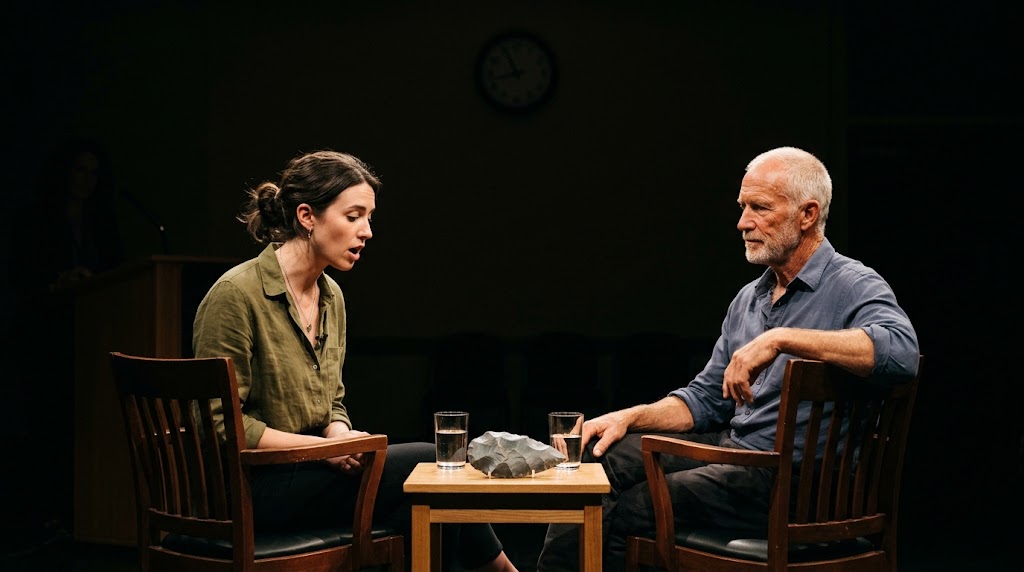
University debate, "Were humans built to eat meat?", same two chairs, same clock.
Vegan: "Anatomically we're closer to the gorilla than the lion. Flat molars, long gut. A gentle plant-eater with delusions."
Paleoanthropologist: "Then explain the acid."
Vegan: "Which acid?"
Paleoanthropologist: "Your stomach runs at a pH of about 1.5. A lion's sits nearer 3.6. Yours is stronger than the animal you've just been contrasted with, by a factor of about a hundred."
Vegan: "Stomach acid digests food."
Paleoanthropologist: "A cow's rumen sits at about 6.5. That's a compost heap with a pulse. Yours strips the zinc off a coin. Why would a gentle plant-eater carry that?"
Vegan: "Protection."
Paleoanthropologist: "From what? Lettuce doesn't fight back."
Vegan: "Bacteria."
Paleoanthropologist: "Which bacteria live in a leaf at a level that needs a pH of 1.5? Name the salad."
Vegan: "..."
Paleoanthropologist: "The animals that run acid as low as ours are the scavengers. Vultures. Things that arrive at a carcass on the second day and need to kill what's already living in it. We're not built like the lion. We're built like the bird that waits for the lion to finish."
Vegan: "Flattering."
Paleoanthropologist: "It's a picture of a species with a rock, a sharp flake and no claws. You don't get the fresh kill. You get the femur nobody could open, forty hours late, and you'd better have the acid for it."
Vegan: "Acid that strong is dangerous. Look how many people are on tablets for it."
Paleoanthropologist: "The only animal on earth that pays to switch its stomach off. You've spent sixty years pouring cereal onto a carcass digester and now you're medicating the digester for doing its job."
Vegan: "So your argument is that we're vultures."
Paleoanthropologist: "My argument is a number. Yours is a feeling about gorillas. The gorilla eats for most of the day and its gut is a fermentation tank. Yours is done in a few hours and runs on acid. One of you is designed for leaves."
Moderator: "Thirty seconds."
Paleoanthropologist: "She can keep them. I'm still waiting on the salad."
𝗧𝗵𝗲 $NWBO 𝗗𝗖𝗩𝗮𝘅-𝗟 𝘁𝗿𝗶𝗮𝗹 𝗶𝘀 𝗮𝗹𝗿𝗲𝗮𝗱𝘆 𝗱𝗼𝗻𝗲. 𝗧𝗵𝗲 𝗙𝗗𝗔 𝗵𝗮𝘀 𝗮𝗹𝗿𝗲𝗮𝗱𝘆 𝘄𝗿𝗶𝘁𝘁𝗲𝗻 𝘁𝗵𝗲 𝗽𝗹𝗮𝘂𝘀𝗶𝗯𝗹𝗲 𝗺𝗲𝗰𝗵𝗮𝗻𝗶𝘀𝗺 𝗽𝗮𝘁𝗵𝘄𝗮𝘆. 𝗪𝗵𝗮𝘁 𝗶𝘀 𝗹𝗲𝗳𝘁 𝗶𝘀 𝘁𝗼 𝗮𝘀𝘀𝗲𝗺𝗯𝗹𝗲 𝗶𝘁 𝗮𝗻𝗱 𝗳𝗶𝗹𝗲.
#DCVax-L is a vaccine made for each patient from their own dendritic cells, the immune cells that teach the rest of the immune system what to attack, loaded with their own tumor. It treats #glioblastoma, the deadliest brain cancer. An American company developed it, yet Americans have to go to Europe to get it.
#DCVaxForBraelyn
The FDA has spent the past year writing down how it wants to judge treatments like this one. The core evidence it asks for already exists.
One question decides this: can the FDA evaluate DCVax-L for approval under the plausible mechanism framework, on the evidence already generated?
Read against every document the agency has published on the framework, the answer is yes.
𝗧𝗵𝗲 𝗽𝗹𝗮𝗻 𝗶𝗻 𝘁𝗵𝗿𝗲𝗲 𝘀𝘁𝗲𝗽𝘀
1. File the biologics license application (BLA) and ask the FDA's biologics center (CBER) for review under the plausible mechanism framework. A BLA is not another trial.
It is the dossier the FDA decides on, and the framework changes what counts as sufficient inside it. The framework itself needs no new statute and no special designation. A sponsor asks for it.
2. Ask for full approval on survival, with no new randomized trial. The completed phase 3 is the pivotal study.
Mechanism, a related product, a related stage of the disease and independent natural history are the confirmatory evidence. A registry of every treated patient supplies the follow-up.
3. Open access alongside the filing. An expanded access treatment protocol does not have to wait for the BLA; it can begin 30 days after the FDA receives it. Filing the BLA satisfies Right to Try's application condition.
𝗪𝗵𝗮𝘁 𝘁𝗵𝗲 𝗙𝗗𝗔 𝗵𝗮𝘀 𝘄𝗿𝗶𝘁𝘁𝗲𝗻 𝗱𝗼𝘄𝗻
Nov 2025, NEJM, Prasad and Makary: the plausible mechanism framework. Five questions.
Built for cell and gene therapies first, and available for common diseases, particularly those "for which there are no proven alternative treatments."
Feb 2026, NEJM: one adequate and well-controlled study plus confirmatory evidence is the FDA's default basis for approval.
Feb 2026 draft guidance: an externally controlled study against a well-characterized natural history can be the pivotal study.
Confirmatory evidence includes mechanism, target engagement and "exposure-response on biomarkers and clinical outcomes."
The product can target "a well-characterized downstream or compensatory mechanism with a clear mechanistic rationale."
June 2026 draft guidance: six conditions under which an external control supports effectiveness. The plausible mechanism framework named as an example of FDA regulatory flexibility in critical settings.
"Even small effects may be clinically meaningful when the effect is on survival or irreversible morbidity."
Why it exists: to bring regulatory flexibility to individualized therapies where the conventional model does not fit.
The guidance names gene and RNA therapies, then says "the general concepts may apply to other types of individualized therapies": therapies that target "a specific pathophysiologic abnormality serving as the root cause of a disease."
The FDA's own announcement: the guidance "leaves open the potential that this framework may apply to additional tailored therapeutics provided they directly address the underlying specific cause of the disease."
The framework is not a new approval standard. It is how the FDA reads evidence under the standard that already exists. That is exactly why it can be asked for today.
𝗪𝗵𝘆 𝗴𝗹𝗶𝗼𝗯𝗹𝗮𝘀𝘁𝗼𝗺𝗮 𝗶𝘀 𝘁𝗵𝗲 𝗰𝗮𝘀𝗲 𝗶𝘁 𝘄𝗮𝘀 𝘄𝗿𝗶𝘁𝘁𝗲𝗻 𝗳𝗼𝗿
No proven alternative: recurrent GBM has no established standard of care. Of 400+ trials since 2005, only one phase 3 in newly diagnosed and none in recurrent disease had shown a survival benefit.
High and predictable mortality: the exact case FDA regulations name for historical controls, "certain malignancies."
Life-threatening in the regulation's own terms: a disease "where the end point of clinical trial analysis is survival."
Individualized: a different product for every patient, made from their own cells and their own tumor, aimed at the root cause, the broken instruction layer.
Orphan designation in the US and Europe.
𝗧𝗵𝗲 𝗽𝗶𝘃𝗼𝘁𝗮𝗹 𝘀𝘁𝘂𝗱𝘆 𝗶𝘀 𝗰𝗼𝗺𝗽𝗹𝗲𝘁𝗲
331 patients, 94 sites, randomized, double blind. 64 of 99 placebo patients crossed over at recurrence, so survival was measured against 2,006 contemporaneous matched control patients from 15 randomized trials.
Newly diagnosed: 19.3 vs 16.5 months, HR 0.80, p=.002. Alive at 5 years: 13.0% vs 5.7%.
Recurrent: 13.2 vs 7.8 months, HR 0.58, p<.001. That is a 42% lower risk of death.
The benefit widened over time, and it was largest in the patients who fare worst.
Why no second trial?
The completed trial, the crossover and the survival evidence make the case, and the FDA's June guidance names the ethical stake: after "a substantial decrease in mortality," a second trial "would generally present significant ethical concerns."
𝗧𝗵𝗲 𝟮𝟬𝟮𝟲 𝗿𝗲𝗮𝗻𝗮𝗹𝘆𝘀𝗶𝘀
The phase 3 paper named its own limitation: without patient-level control data, "propensity score matching could not be performed."
The critics named the missing methods: "propensity score matching or inverse probability weighting."
In 2026 Northwest obtained individual patient data from three independent randomized trials and had independent statisticians run exactly those two methods.
Propensity score matching pairs each DCVax-L patient with control patients who had the same prognostic profile, so like is compared with like. Presented at BNOS in July 2026; peer-reviewed publication is the next step.
Propensity score matching: HR 0.69 to 0.77. Median survival +3.4 to +6.3 months. p .004 to .027. The original cohort-level analysis showed +2.8.
When the matching got finer, the benefit got bigger. The survival advantage held under both patient-level methods and was larger than the original cohort-level estimate.
Northwest reports sensitivity analyses for hidden confounding; the published paper should give the values.
The method has been tested in this exact disease. In May 2026, the INSIGhT investigators replaced their own randomized control arm with propensity-matched external controls.
For three drugs that had failed randomized testing, the method also found no benefit: HR 1.00, 0.93, 0.88. "Carefully matched external controls" produced "treatment effect estimates that were similar" to the randomized analyses.
The method did not invent a benefit. Applied to DCVax-L, it found one.
And the authorship closes the loop. In 2023, Dana-Farber statisticians Rahman, Ventz and Trippa wrote that they were "not aware of independent validations of these analytic methods in a GBM trial context."
Rahman and Trippa are the senior authors of the 2026 INSIGhT validation. The critics asked for patient-level data and a validated method. By 2026 both existed.
That supports the method the DCVax-L reanalysis used; publishing that analysis in full is step one.
And it is the form a BLA requires: FDA guidance says applications "must include" patient-level data for the external control arm.
𝗧𝗵𝗲 𝗙𝗗𝗔'𝘀 𝘀𝗶𝘅 𝘁𝗲𝘀𝘁𝘀 𝗳𝗼𝗿 𝗮𝗻 𝗲𝘅𝘁𝗲𝗿𝗻𝗮𝗹 𝗰𝗼𝗻𝘁𝗿𝗼𝗹, 𝗮𝗻𝘀𝘄𝗲𝗿𝗲𝗱
1. Well-defined natural history: 2,006 controls from 15 randomized trials.
2. Very similar populations: 14 prespecified criteria, chosen by an independent firm, validated against all 15 source trials, now matched patient by patient.
3. Similar treatments: in newly diagnosed disease, surgery, radiation and temozolomide in both groups.
4. Objective endpoint: death.
5. Comparable start: survival from randomization after radiotherapy in both groups. Drop the two control trials that admitted early progressors: HR still 0.80.
6. An effect too large to be bias: five-year survival more than doubled, HR 0.58 at recurrence, and the effect grew when matching tightened.
𝗧𝗵𝗲 𝗽𝗹𝗮𝘂𝘀𝗶𝗯𝗹𝗲 𝗺𝗲𝗰𝗵𝗮𝗻𝗶𝘀𝗺 𝗰𝗿𝗶𝘁𝗲𝗿𝗶𝗮, 𝘄𝗼𝗿𝗱 𝗳𝗼𝗿 𝘄𝗼𝗿𝗱
The FDA's five elements, quoted exactly from its February 2026 draft guidance (https://t.co/xB3S6xowm8, lines 26 to 32), each answered:
1. "Identifying a specific genetic, cellular, or molecular abnormality with a clear connection between specific alteration and disease indication." (line 26)
✓ Met: in GBM, the dendritic cells that should teach T cells what to attack are overridden by suppressive immune cells. A tumor never presented for attack grows unopposed.
2. "Developing a therapy that targets the underlying or proximate pathogenic biological alterations." (line 28)
✓ Met: DCVax-L supplies the patient's own dendritic cells, loaded with their own tumor and prepared outside the suppressive tumor environment, to restore tumor-directed T-cell instruction.
3. "Relying on a well-characterized natural history of the disease in an untreated population." (line 30)
✓ Met: 2,006 controls from 15 randomized trials, patient-level data from three more, no time-trend in survival 2012 to 2022.
4. "Confirming that the target was successfully drugged or edited or both." (line 31)
✓ Platform evidence documented; product-specific bridge required.
After DC vaccination, cytotoxic T cells increased inside the tumor, and infiltration correlated with survival (P = 0.047); T cell infiltration in the UCLA vaccine-first arm.
The FDA is open to confirmation "for a subset of patients"; the BLA should supply DCVax-L's own immune-monitoring results and the bridge to these studies.
5. "Demonstrating improvement in clinical outcomes or course." (line 32)
✓ Met: longer survival, five-year survival more than doubled, a bigger benefit under patient-level matching.
The eight considerations attached, each answered:
1. An individualized therapy aimed at "a specific pathophysiologic abnormality"
2. A "compensatory mechanism with a clear mechanistic rationale"
3. Substantial evidence from "a single adequate and well-controlled clinical investigation with confirmatory evidence"
4. A natural history that lets the effect be "reasonably distinguished from natural variability"
5. An improvement not attributable to "alternative treatments or natural variability"
6. Prespecified analysis plans
7. A reason a new RCT is not feasible
8. A product that "can be manufactured to regulatory quality standards," made for every phase 3 patient: manufacturing experience documented, US CMC review required
13 of 13, every one in the FDA's own words, every one answered from the record, every open step named.
𝗧𝗵𝗲 𝗰𝗼𝗻𝗳𝗶𝗿𝗺𝗮𝘁𝗼𝗿𝘆 𝗲𝘃𝗶𝗱𝗲𝗻𝗰𝗲, 𝗶𝗻 𝘁𝗵𝗲 𝗙𝗗𝗔'𝘀 𝗼𝘄𝗻 𝗰𝗮𝘁𝗲𝗴𝗼𝗿𝗶𝗲𝘀
Mechanism: in the DCVax-Direct phase 1 (a different product: activated dendritic cells injected into diverse solid tumors), more IL-8 and IL-12p40 from each patient's cells went with longer survival, p=0.023 and 0.024.
Exposure-response, in the FDA's words.
Related product: UCLA's 46-patient randomized phase 1 trial of its own tumor lysate DC vaccine, at EANO this Friday. Both arms got the vaccine; the order was randomized. Vaccine first, 555 days. Checkpoint first, 271. HR 0.32.
The order matters: priming before checkpoint release more than doubled median survival.
Across the class, a 2024 meta-analysis of seven dendritic cell vaccine trials, 3,619 patients, found HR 0.71 for survival, "indicating a true-positive result."
Related indication: the FDA's own example is "a different stage of the same disease." DCVax-L worked at both stages.
Independent natural history: national cancer registries, separate from the trial controls, as the guidance requires. Real-world data is expressly allowed.
𝗧𝗵𝗲 𝗽𝘂𝗯𝗹𝗶𝘀𝗵𝗲𝗱 𝗰𝗿𝗶𝘁𝗶𝗰𝗶𝘀𝗺𝘀, 𝗮𝗻𝘀𝘄𝗲𝗿𝗲𝗱
Three published critiques set out the case against the trial. Each point, answered from the record:
Endpoint switched to survival? Progression could not be read: 256 of 494 scans needed adjudication.
The critics agree: progression-free survival "is not an adequate endpoint for immunotherapy studies because of the phenomenon of pseudoprogression." Survival is the "gold standard," in their words.
Cohort-level controls? The critics named the fix: propensity score matching or inverse probability weighting on patient-level data. That is exactly what 2026 did, and the benefit grew.
Never validated in GBM? Two of the critics who raised it led the 2026 study showing patient-level external controls reproduce randomized results.
Selection? Dropping the control trials that admitted early progressors changed nothing, as above. The benefit was larger in patients with more residual tumor, the opposite of what selection would produce.
IDH, a tumor mutation linked to longer survival? Tested centrally in every DCVax-L patient. The gap is in the older control trials.
Chosen after the fact? An independent firm, prespecified criteria, validation as above. Then a larger effect against different trials at the patient level.
Company author? Data held by independent CROs, analyzed by independent statisticians.
Run another trial? The completed program, crossover and survival evidence make a repeat unnecessary; the FDA's guidance names the ethical concern; the BLA documents why a new randomized design is not feasible or ethical.
𝗠𝗮𝗻𝘂𝗳𝗮𝗰𝘁𝘂𝗿𝗶𝗻𝗴
The framework also requires that the product "can be manufactured to regulatory quality standards."
DCVax-L was made for every patient in a 94-site phase 3, and in 2023 the UK regulator licensed the Sawston facility for commercial manufacturing, with products that "may be exported globally."
A UK license is not US approval: FDA inspection and the potency assay go on the table at the pre-BLA meeting.
𝗕𝗲𝗻𝗲𝗳𝗶𝘁 𝗮𝗻𝗱 𝗿𝗶𝘀𝗸
Longer survival in a disease with no proven alternative at recurrence. 2,151 doses, 5 serious events even possibly related, no autoimmunity, no cytokine storm. It is the patient's own immune system, with one broken link rebuilt.
A repair, judged the way a repair should be judged.
𝗧𝗿𝗲𝗮𝘁𝗶𝗻𝗴 𝗽𝗮𝘁𝗶𝗲𝗻𝘁𝘀 𝘄𝗵𝗶𝗹𝗲 𝘁𝗵𝗲 𝗙𝗗𝗔 𝗿𝗲𝘃𝗶𝗲𝘄𝘀
Right to Try covers a product that has completed phase 1, is in active development and not on hold, and has an application on file. Filing the BLA satisfies the application condition; the others must still hold at that time.
Patients must have a life-threatening disease, have exhausted approved treatments, be unable to join a trial and consent, and the manufacturer must choose to provide it. No separate FDA approval of each case.
Build the program before filing.
An expanded access treatment protocol (21 CFR 312.320) requires completed trials, active pursuit of approval and phase 3 evidence. The trials are complete and the phase 3 is published, so it does not have to wait for the BLA.
Treatment can begin 30 days after the FDA receives the protocol, absent a hold.
The usual reason a manufacturer holds back is risk: a serious event in a very sick patient gets blamed on the product.
The FDA answered that in its April 2026 guidance: it "does not intend to deny, delay, or refuse to approve" a BLA "based solely on an adverse event occurring in the context of expanded access use," and "is not aware of any instances" where one prevented approval.
Access is the bridge. Approval is the destination.
This is not new for DCVax-L: it has been provided under Germany's hospital exemption and the UK Specials pathway.
𝗦𝗲𝗲𝗸 𝘁𝗿𝗮𝗱𝗶𝘁𝗶𝗼𝗻𝗮𝗹 𝗮𝗽𝗽𝗿𝗼𝘃𝗮𝗹, 𝘄𝗶𝘁𝗵 𝗮 𝗽𝗿𝗼𝘀𝗽𝗲𝗰𝘁𝗶𝘃𝗲𝗹𝘆 𝗱𝗲𝘀𝗶𝗴𝗻𝗲𝗱 𝗿𝗲𝗴𝗶𝘀𝘁𝗿𝘆
The framework's guidance: approval is traditional or accelerated "depending on the endpoints used." Survival is the endpoint, so the request is traditional, full approval, with no confirmatory-trial requirement.
The FDA can still require postmarketing studies, and the framework's authors named the tool: "collecting real-world evidence to confirm continued preservation of efficacy."
A registry of every treated patient, designed before approval.
If accelerated approval becomes the route, the regenerative medicine advanced therapy (RMAT) statute lets post-approval requirements be met through registries and "postapproval monitoring of all patients treated with such therapy prior to approval."
Every patient treated under Right to Try or expanded access counts.
𝗪𝗵𝗮𝘁 𝗵𝗮𝗽𝗽𝗲𝗻𝘀 𝗻𝗲𝘅𝘁
Northwest has pursued the UK first. Its application there has been under review since late 2023, and in July 2026 the UK regulator confirmed it "remains under its initial regulatory review, has not been refused."
The US filing is the step that remains.
1. Publish the patient-level reanalysis.
2. Lock in the patient-level control data rights the FDA requires.
3. Report the central IDH results and publish the phase 3 immune data.
4. Request RMAT designation now. FDA must answer within 60 days.
5. File the treatment protocol and build the Right to Try program.
6. Pre-BLA meeting with CBER: plausible mechanism review, six external-control tests answered, manufacturing and potency package.
7. File the BLA with priority review.
8. Build the registry.
Approving DCVax-L this way would be the framework's proof beyond genetic disease: an individualized cell therapy, aimed at the root cause of the deadliest brain cancer, carried by a completed phase 3. A win for patients first.
𝗧𝗵𝗲 𝘁𝗿𝗶𝗮𝗹 𝗶𝘀 𝗱𝗼𝗻𝗲. 𝗧𝗵𝗲 𝗳𝗿𝗮𝗺𝗲𝘄𝗼𝗿𝗸 𝗶𝘀 𝘄𝗿𝗶𝘁𝘁𝗲𝗻. 𝗧𝗵𝗲 𝗽𝗮𝘁𝗶𝗲𝗻𝘁𝘀 𝗮𝗿𝗲 𝘄𝗮𝗶𝘁𝗶𝗻𝗴. 𝗪𝗵𝗮𝘁 𝗶𝘀 𝗹𝗲𝗳𝘁 𝗶𝘀 𝘁𝗼 𝗮𝘀𝘀𝗲𝗺𝗯𝗹𝗲 𝗶𝘁 𝗮𝗻𝗱 𝗳𝗶𝗹𝗲.
Disclosure: long $NWBO. Commentary on published and presented data and public FDA documents. Not medical, legal, regulatory or investment advice. DCVax-L is investigational and not approved in the US.
Regulatory strategy is the sponsor's decision.
🚨INCREDIBLE: During a multi-vehicle collision on the Route 90 bridge in Ocean City, Maryland, a 2-year-old girl was ejected from a pickup truck, falling nearly 30 feet into the Assawoman Bay below.
Jonathan Bauer, who was driving across the bridge with his teenage daughter when the crash occurred, rushed over to inspect the wreckage. Looking down into the water, he saw the toddler floating face down and becoming unresponsive.
Without hesitation, Bauer instructed his daughter to flag down first responders, removed his shoes, and leapt off the bridge into the bay. He swam to the little girl, lifted her onto his shoulder, and patted her back until she coughed up water and began breathing again.
A passing pontoon boat quickly navigated toward them, pulling both Bauer and the toddler out of the water and transporting them to shore, where emergency personnel were waiting. The child was airlifted to a regional medical center for evaluation and released the following day in good condition.
Bauer was later honored by local law enforcement and civic leaders for his decisive actions and selflessness.
The cause of #cancer is the loss of the type-1 polarized immune state. Mutations create abnormal cells; loss of that state is what allows them to survive, expand, and become cancer. That is the upstream failure. $NWBO is uniquely positioned to restore that state at scale, with #DCVax and the manufacturing infrastructure already in place through #AdventBioServices. #DCVaxForBraelyn
🚨WOW!!!
A Bronx pizzeria owner saw a woman eating out of his GARBAGE.
He walked outside, took her by the hand, led her in, and pulled a hot slice straight from the oven for her.
She sat down and cried. He said: "Don't cry. Eat. I don't want you eating out of a garbage." ❤️
His name is Daniel Romano.
He owns D'Romano's Pizza in the Throggs Neck section of the Bronx.
He didn't shoo her away.
"I grabbed her by the hand and I led her to the pizzeria and I went in the oven and I got her a fresh slice and gave it to her. Sat down and she started crying. I said, 'don't cry, eat. This is not a problem.'"
In that moment, he decided he'd never let it happen to anyone again.
So he grabbed a marker, wrote a sign by hand, and taped it in his window for the whole neighborhood to see:
"To the people eating out of my garbage, I have more love for you than you think. Please come in and tell me you're hungry. I will forever give you a slice and fresh water to drink."
When they asked him why, his answer was simple.
"Right now, I think this world is shot. There's too much hate. Too much negativity. Why not put a smile on someone's face?"
And it turns out this runs deep for Daniel.
It goes all the way back to his mother, Carmella.
"She had a saying in Italian. She used to say, 'a desperate person will always make a better decision on a full stomach than on an empty.'
"It always stuck with me. So I feed people."
A desperate person makes a better decision on a full stomach.
That handwritten sign has traveled way past the Bronx now.
Daniel says people are calling him from Texas, Arkansas, Hawaii, even Alaska, all wanting to chip in and buy slices for hungry strangers they'll NEVER MEET.
"Don't ask me, I didn't even know Alaska had a phone."
It all started with one slice.
One woman.
One man who did something kind.
GOD BLESS Daniel Romano. 🇺🇸🇺🇸🇺🇸
🚨WOW!!!
Absolutely BEAUTIFUL footage has emerged of over 100 Amish men and women singing hymns in the caves of Chimney Rock NC after a day of rebuilding homes and businesses.
They are STILL HERE rebuilding, nearly TWO YEARS after Hurricane Helene.
GOD BLESS THE AMISH!!!!!!
🚨WOW!!!
A mother suffered a medical emergency going 60mph, totally unresponsive, with her little boy strapped in the backseat...
...a total stranger saw what was happening and used HIS OWN CAR to pin her SUV against the barrier and bring it to a stop, SAVING THEIR LIVES!!!
His name is Paul Jackson.
On Tuesday, Paul was driving down I-5 near Fife when he saw a white SUV cut across THREE lanes of traffic and start bouncing off the concrete divider...
Over and over.
He pulled up next to it and looked inside.
The driver was out cold, eyes rolled back in her head, completely unresponsive at highway speeds.
In the backseat he saw a TERRIFIED little boy strapped into his car seat.
"Somebody had to do something."
So Paul did what almost nobody would do: he used his own car to gently pin her SUV against the barrier and slowly squeezed it to a stop.
He slowly and carefully... glided her car to safety.
Then he jumped out, threw the car in park, got the little boy to safety, and stayed with the mother until EMTs arrived.
Paul was on his way to pick up his wife's BIRTHDAY CAKE when all this happened.
He sent her pictures from the scene as proof he wasn't making up an excuse for being late. 😂
"Had to have proof for my wife."
When asked why he did it, Paul didn't hesitate:
"God put me there to do that, I knew I was going to stop this vehicle no matter what."
THIS IS THE AMERICA I KNOW!!! 🇺🇸🇺🇸🇺🇸
🚨#BREAKING: A 14-year-old boy on a bike ride is being hailed as a hero after he SAVED THE LIFE of a grandmother with dementia who was LOST, wandering the road in 103-degree Arizona heat.
The boy stopped, walked her into the shade and then he gently helped her remember her son's phone number and called him.
She has dementia.
She was MILES from home.
He saved her life. ❤️
The 14-year-old's name is Royal Cothrun, from Gilbert, Arizona.
He was riding his bike in triple-digit heat when he saw 75-year-old Teresa Morgan on the side of the road and something just told him to stop.
"She just looked like something was wrong, so I started talking to her."
Teresa was recently diagnosed with dementia, and she'd gone to the grocery store, gotten disoriented, and wandered miles from home in the intense heat.
Royal got her into the shade and sat with her... and patiently, gently, helped her pull her son's phone number out of her memory.
On the video, you can hear him: "Maybe we can try to call him on my phone?"
He called her son. Her son raced over. The fire department got there right after.
Her son's words: "It's incredible what he did. It's so fortunate that he ran across her... and he CARED enough to stay with her."
The fire captain said the outcome "would have been much, much worse" without him.
And his mama? "Super proud, obviously. He was calm. He was compassionate."
She says helping people is just who her boy IS.
The fire department and the Air National Guard are honoring him.
The next generation isn't lost, folks, some of them are out here saving our grandparents.
GOD BLESS Royal Cothrun and God bless the mamas raising boys like this.
THIS IS THE AMERICA I KNOW!!!! 🇺🇸🇺🇸🇺🇸
A 4-year-old boy whose father left him, stood outside every single day for months waving at strangers... just hoping somebody would say hi back, in North Carolina.
Then one neighbor walked across the street to meet him.
Now an ENTIRE NEIGHBORHOOD shows up for his soccer games, his swim lessons, his birthday parties.
Roman Butzlaff is 4 years old, from Concord NC, just outside Charlotte.
His mom says he wakes up every single morning excited to say "hi" to somebody. It's the very first thing he wants to do.
But behind that big smile was a hurting little heart. His parents split about a year ago and his dad moved away.
Then a neighbor named Wade Fulgum did the simplest, most powerful thing in the world.
He just walked across the street... and met the little boy who was always waving at him.
And it spread.
Now about a DOZEN neighbors, people who barely knew each other's names, show up for Roman's soccer games.
His basketball games. His swimming lessons. Even his preschool open house. His birthday party guest list was basically a map of the block.
One neighbor said it best: "If the world was like this child, what an awesome, awesome place it would be."