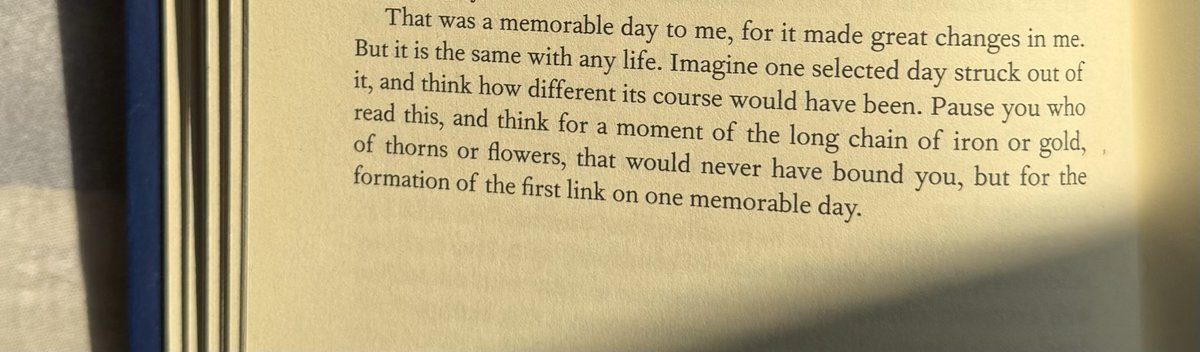
أغلب الناس يحاولون اتخاذ افضل قرارات بالنسبه لهم من المكان اللي هم فيه على حسب تجاربهم، نظرتهم للحياة، ووعيهم.
هذا مو مبرر، لكنه يخليني أتعامل مع الحياة بتعاطف أكثر واستياء أقل.
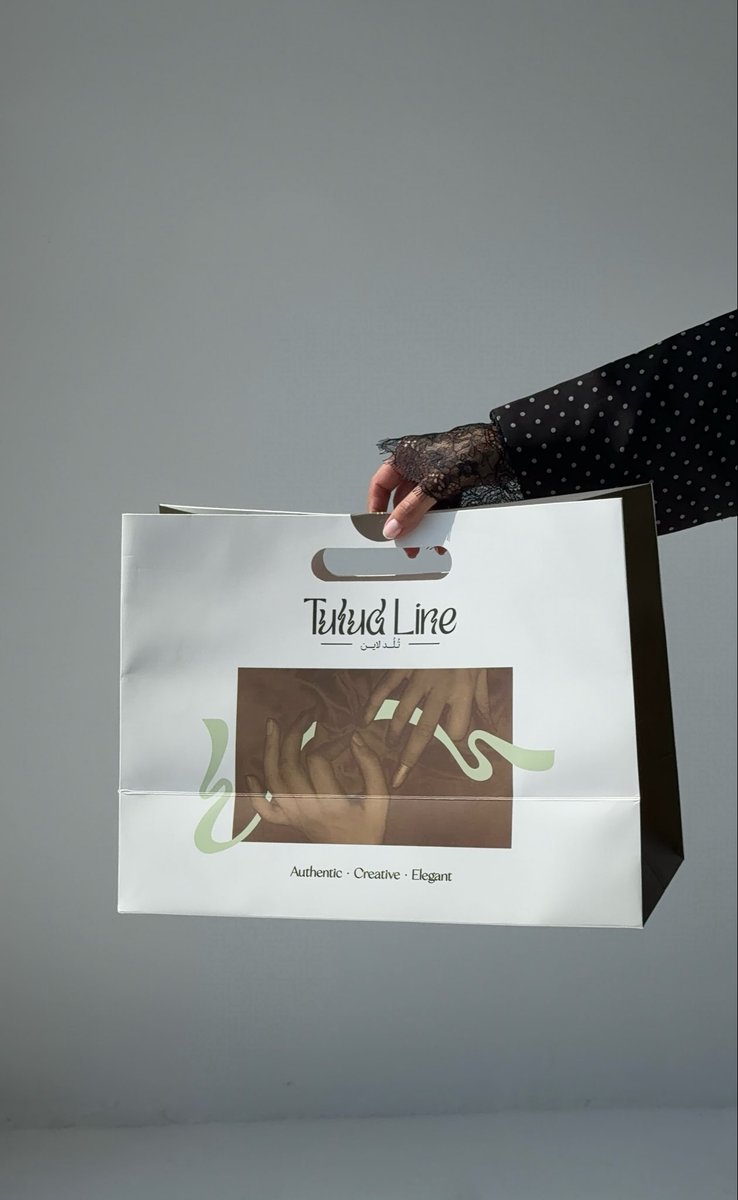
Tulud Line — a name that blends authenticity with timeless elegance.
Our brand is inspired by tradition, with a modern feel.
comfortable ever after!!🖤
https://t.co/PeNFzlHGW6
Tulud Line — a name that blends authenticity with timeless elegance.
Our brand is inspired by tradition, with a modern feel.
comfortable ever after!!🖤
https://t.co/PeNFzlHGW6
يمكن للإنسان أن يرى الحياة من ثقب إبرة، فتبدو ضيقة وبائسة. كما يمكنه أن ينظر إليها بعين الوفرة والامتنان والاندهاش، فتبدو ملونة ومتنوعة وتمتد احتمالاتها واختياراتها إلى ما لا نهاية. فالحياة تشرق وتتسع بنا، كما أنها تظلم وتضيق بنا أيضًا.
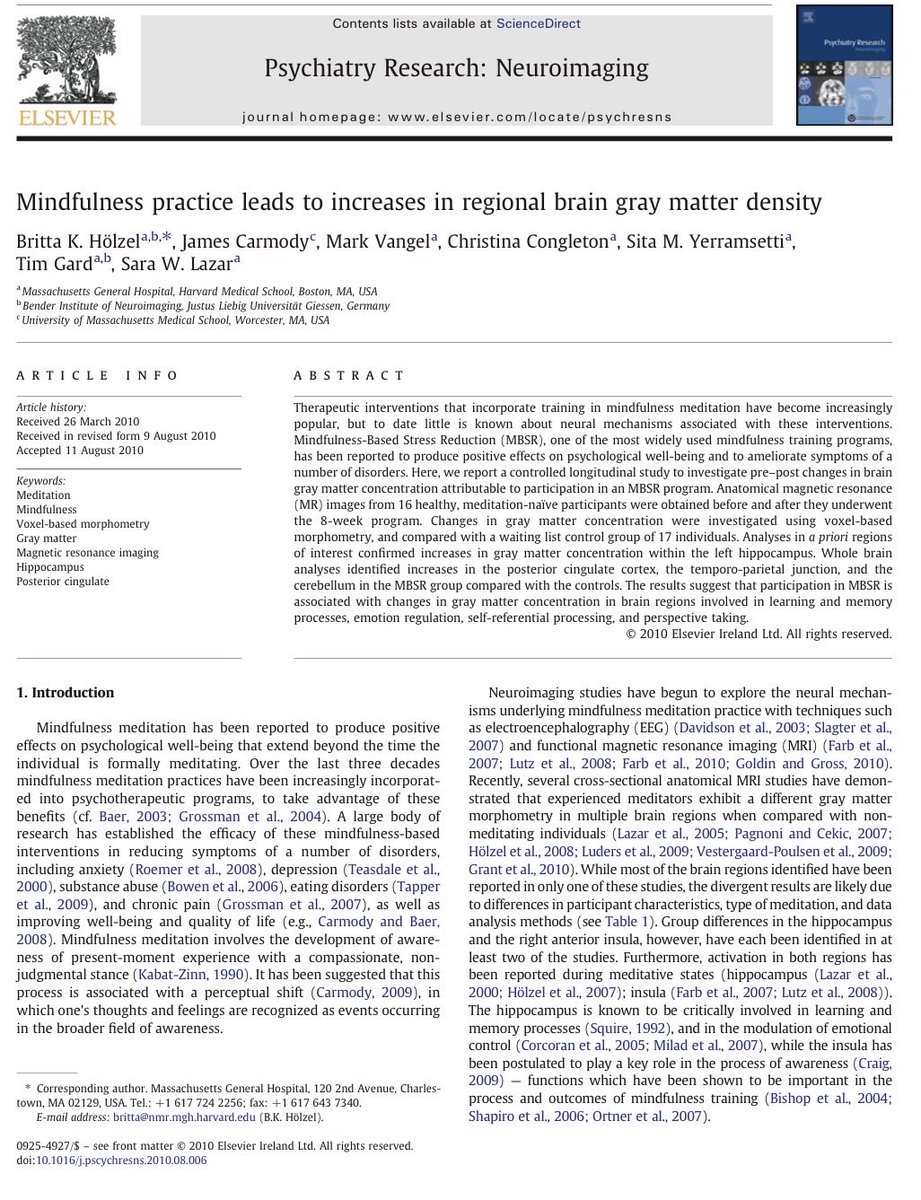
"الإمتنان ليس مجرد (فيتامين نفسي) أو شعور عابر لتخفيف الضغط، إنه تدخل يعيد بناء تشريح دماغك حرفياً!"
٨ أسابيع من ممارسة الإمتنان تبني "طرقاً عصبية" جديدة بين مراكز الذاكرة والمكافأة!
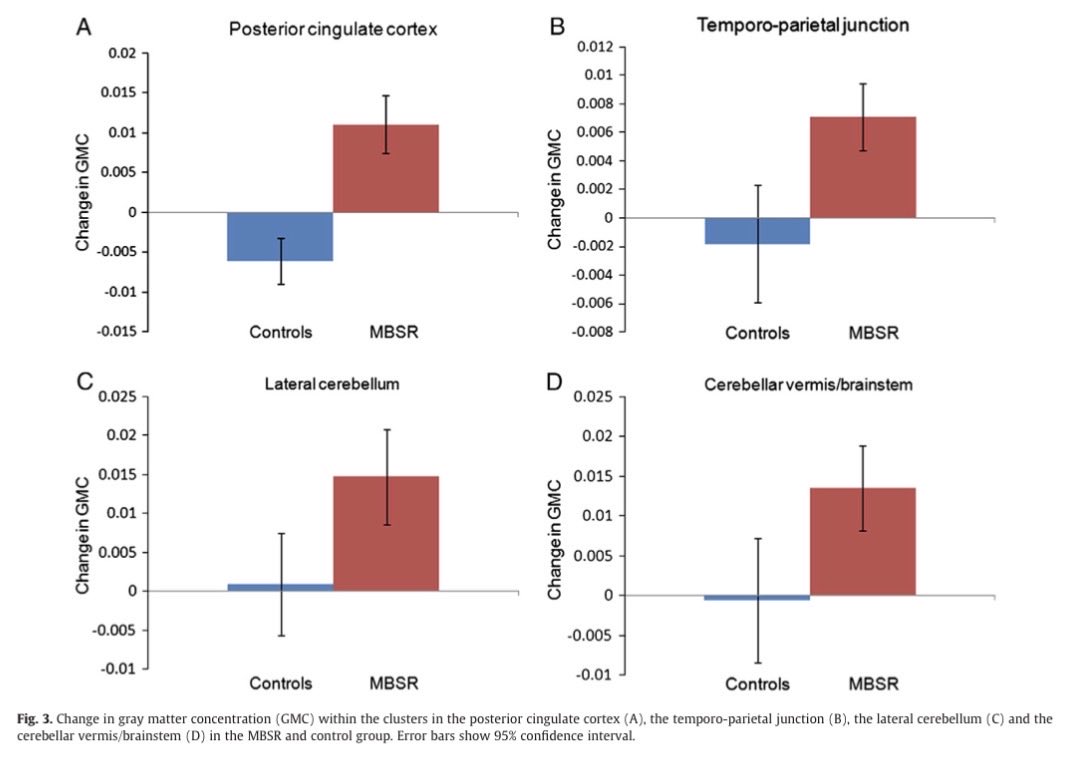
في دراسة أُجريت لتوثيق مفعول الإمتنان عن طريق ممارسات بسيطة وهي في نهاية كل يوم طُلب من المُشاركين كتابة ٣ أشياء يشعرون بالإمتنان إتجاهها والشرط كان ان الكتابة لا تكون بشكل عام بل بشكل مُفصّل، وتم متابعتهم لمدة ٨ أسابيع عن طريق أشعة الرنين المغناطيسي الوظيفية fMRI.
جملة عامة مثل "أنا ممتن لعائلتي" لا تكفي لتحفيز الدماغ بشكل كافي، على عكس جملة مثل "أنا ممتن لأخي كونه حريص على مشاعري ويلاحظ أدق التفاصيل ويساعدني فيها" تؤثر وتحفز الدماغ!
النتائج كانت:
- أسابيع ١ إلى ٣: تحسن مزاجي وتغيير كيميائي (تدفق الدوبامين) لكن بلا تغيير هيكلي.
- أسابيع ٤ إلى ٦: زيادة ملموسة في كثافة "المادة الرمادية" في مناطق عدة بالدماغ.
- أسابيع ٧ إلى ٨: تشكل شبكات وطرق عصبية دائمة وجديدة بالكامل!
تدخل بسيط بالقلم والورقة في فترة زمنية بسيطة أدى إلى تغّير هيكل الدماغ نحو الإمتنان وإستحضار المشاعر الإيجابية بكل سهولة عوضاً عن تخزينها "كمشاعر عابرة" فقط!
قال الله تعالى: ﴿لَئِن شَكَرْتُمْ لَأَزِيدَنَّكُمْ﴾
قَالَ رَسُولُ اللَّهِ ﷺ:
«عَجَبًا لأَمْرِ الْمُؤْمِنِ إِنَّ أَمْرَهُ كُلَّهُ خَيْرٌ، وَلَيْسَ ذَاكَ لأَحَدٍ إِلاَّ لِلْمُؤْمِنِ، إِنْ أَصَابَتْهُ سَرَّاءُ شَكَرَ فَكَانَ خَيْرًا لَهُ، وَإِنْ أَصَابَتْهُ ضَرَّاءُ صَبَرَ فَكَانَ خَيْرًا لَهُ»
نستودعك يا الله في ختام هذا الشهر المبارك كل دعوةٍ رفعنا بها أيدينا، وكل رجاءٍ سكن قلوبنا، وكل أمنيةٍ خبّأناها في صدورنا. اللهم تقبل منا ما كان خالصًا لك، واغفر لنا ما كان فيه تقصيرنا، واكتب لنا من الخير فوق ما نتمنى.
Joy is a competitive super power.
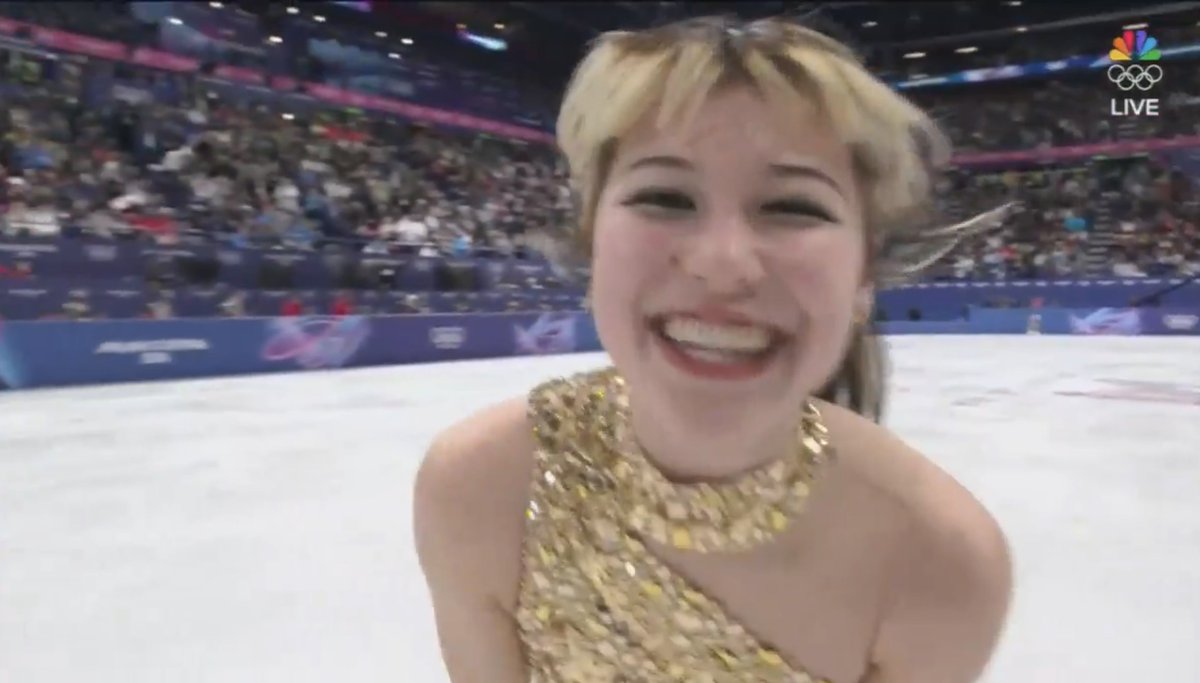
Alysa Liu retired from figure skating at 16.
She was tired of not not having fun, tired of being consumed by her sport.
She came back two years later with a new goal: to have as much fun on the ice as possible. And now she’s an Olympic gold medalist.
Liu won her first national title when she was just 13. But by 16, after competing in the 2022 Olympics, she decided she’d had enough and stepped away. She said pressure and losing her identity trying to be an elite athlete made it all miserable.
But then, she said she went on a ski trip that reminded her just how much fun she could have doing a sport. Something in her brain clicked. Maybe she could bring fun to figure skating. Maybe she could approach it in a way that could be full of joy and life and love.
She unretired at 18 and won a world championship the next year. At 20, she was ready to face these Olympic games differently than in 2022.
Liu went into the women’s figure skating final in third place. After her short program, she said:
“Even if I mess up and fall, that’s totally okay, too. I’m fine with any outcome, as long as I’m out there.”
One of the greatest competitive advantages is having fun. People love to romanticize the athlete, artist, or entrepreneur who has a chip on their shoulder, fueled by anger and resentment.
But the truth is that if you’re not having fun, you are not going to last long at whatever it is you do, and you certainly won’t get the best out of yourself. There’s a foolish idea that you either have to be full of intensity or full of joy. But that’s nonsense.
It’s no surprise one of the first things out of Alysa’s mouth after her free skate was: “That was so much fun!”
Joy and intensity can coexist, and in the best performers, they almost always do.
Alysa is unapologetically authentic and true to her values. She has said where she used to skate to win and be technically perfect, she now uses competition as a chance to show her art, to have fun, and to put herself out there.
She’s a fierce athlete with an infectious sense of joy in her sport.
And she broke USA's 24-year gold medal draught in women’s figure skating doing it.
Excellence requires focus, determination, a little bit of crazy, at times obsession, and living a mundane lifestyle that many people would find boring.
But excellence also requires that you find deep joy in your craft, that you learn how to have fun while working hard.
What makes for excellence—and not just in sports, but in anything—is the combination of intensity and joy. It’s the latter that makes the former sustainable.