Not all intelligence lives in the cloud.
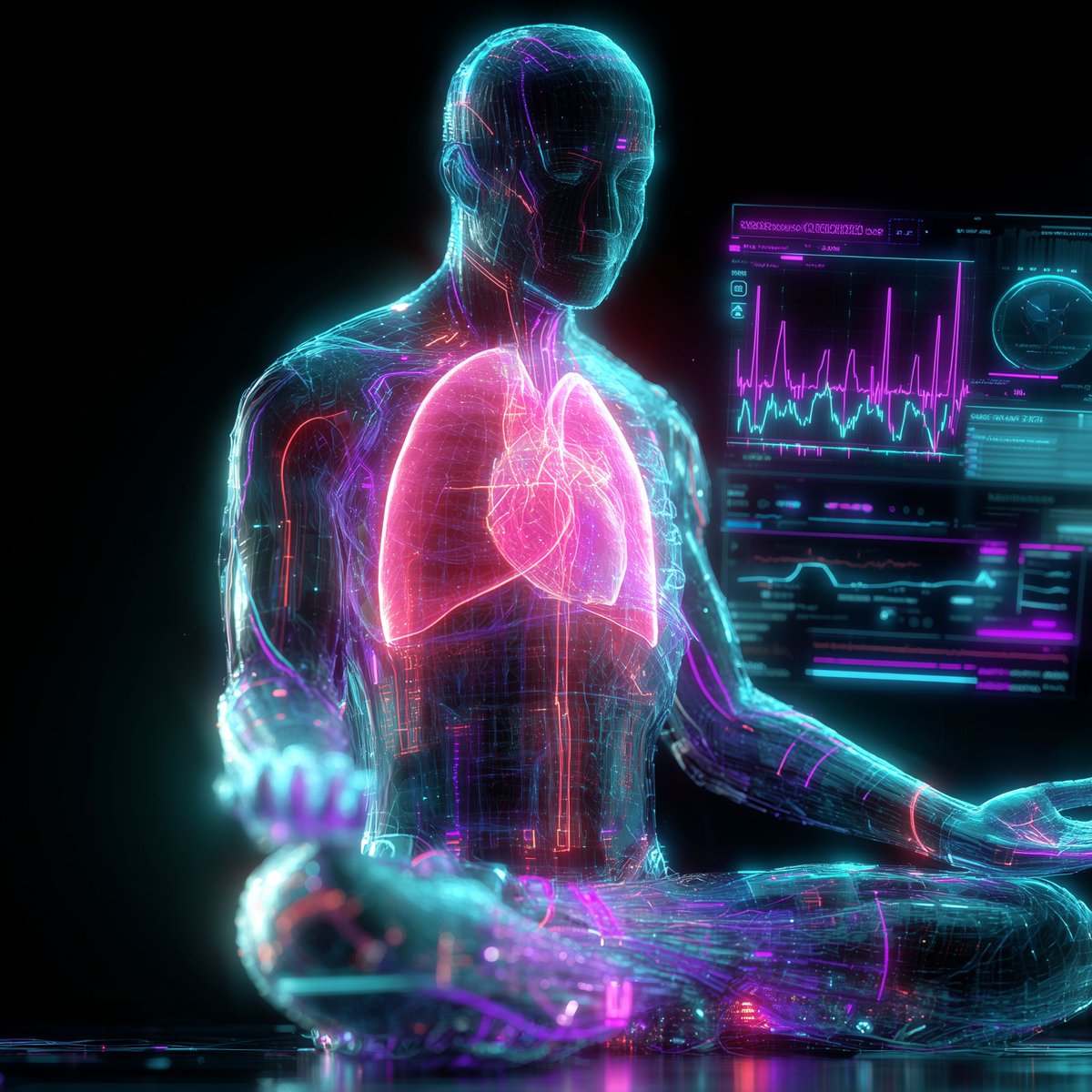
Some of it lives in your nervous system.
Reflex keeps that intelligence sovereign -
AI comes to the signal, never the reverse.
@ReflexDAO
Healthcare isn’t just about diagnosis. It’s about detection.
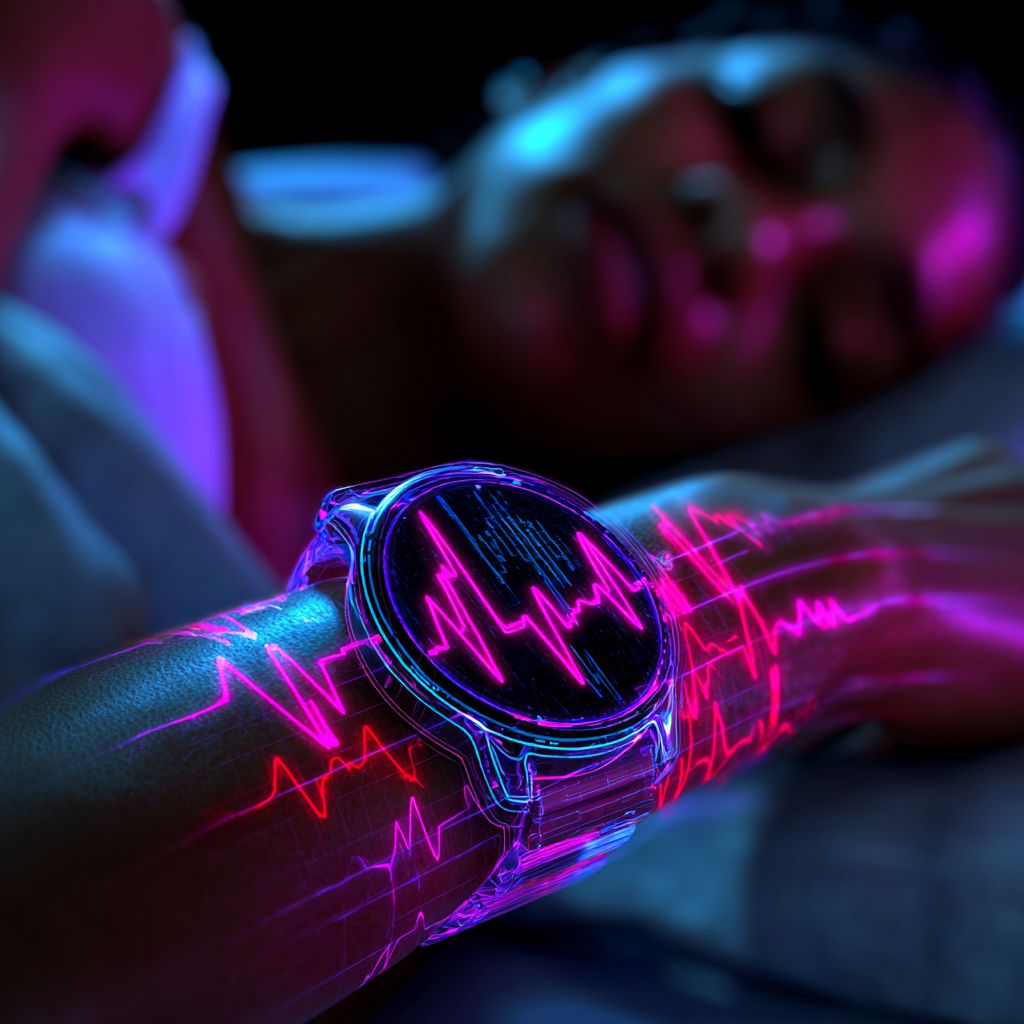
Used well, wearables can reveal change long before symptoms appear. HRV trends, sleep rhythms, and recovery patterns aren’t scores - they’re signals showing how your nervous system is adapting to stress, rest, and daily life.
The key is context: your baseline.
A single reading means little. But patterns over time can show drift early - recovery slipping, stress accumulating, or regulation becoming unstable - often months before something feels wrong.
Interpretation matters more than tracking.
Signals compared to you, not population averages.
Patterns instead of snapshots.
Insight before intervention becomes urgent.
The goal isn’t perfect numbers. It’s better regulation.
When physiology becomes feedback, prevention becomes practical - and action becomes personal.
Signals before symptoms.
Awareness before urgency.
🔗https://t.co/dmbvkM6fH4
Heart rate variability from your wearable can track daily stress with 95% correlation. Researchers in Studies in Health Technology and Informatics (2017) developed cHRV using PPG sensors - the same tech in most consumer watches. Real-time stress monitoring, finally practical.
At @Reflexdao, we believe in empowering individuals with their own health data - including autonomic biomarkers from wearables. Understanding what influences HRV helps you take proactive control of your health.
Brain stimulation can improve heart rate variability - a key measure of autonomic nervous system health. New meta-analysis of 24 studies shows transcranial direct current stimulation significantly enhanced HRV patterns across different conditions.
Whilst tDCS isn't yet a consumer tool, this validates that brain-body autonomic connections can be modulated. For wearable users: tracking your HRV patterns during different stressors could reveal personalised insights about your nervous system's adaptability.
Small data. Big responsibility.
Your HRV reflects adaptation in real time. 🫀
We don’t treat it like engagement metrics.
We treat it like biology - private, protected, and permission-based.
@ReflexDAO
“Reflex” isn’t healthcare with more data.
It’s healthcare with memory.
Used well, continuous signals (HRV, sleep, recovery) don’t turn your body into a dashboard - they make slow, quiet changes visible before they become problems.
Not “Is something wrong?” but “What pattern has been building over time?”
The shift is simple:
Watch trends, not snapshots.
Learn your baseline, not population averages.
Treat signals as context, not scores.
Act early, not react late.
Keep ownership: your data should work for you, not leave you.
More foresight.
More personalization.
More prevention.
That’s Reflex.
🔗https://t.co/b6VTIQqBkB
At @Reflexdao, we believe your physiological data should work for you - screening, early warning, ownership. Wearable-derived biomarkers like these turn passive monitoring into active health intelligence.
Your smartwatch's heart rate sensor could screen for sleep apnoea with 86% accuracy. A 2023 IEEE study shows photoplethysmography paired with oxygen saturation rivals clinical tools - using tech already on your wrist.
This means your PPG-equipped wearable could flag sleep breathing issues before they escalate. Early detection enables intervention, potentially preventing cardiovascular complications. Self-collected overnight data becomes a proactive health asset, not just fitness tracking.
HRV biofeedback increased the LF/HF ratio in people with TBI during stress recovery, suggesting improved baroreflex engagement. Applied Psychophysiology and Biofeedback, 2025. Your wearable could help track these autonomic shifts.
Breathing at your resonance frequency - typically 5-6 breaths/min - triggers massive oscillations in heart rate via the baroreflex. This 2022 review in Applied Psychophysiology and Biofeedback traces decades of HRV biofeedback research showing measurable effects on asthma and depression .
@ReflexDAO is building infrastructure where you own this kind of physiological data. Understanding your baroreflex resonance could enable proactive autonomic health management - moving from population averages to n-of-1 precision.