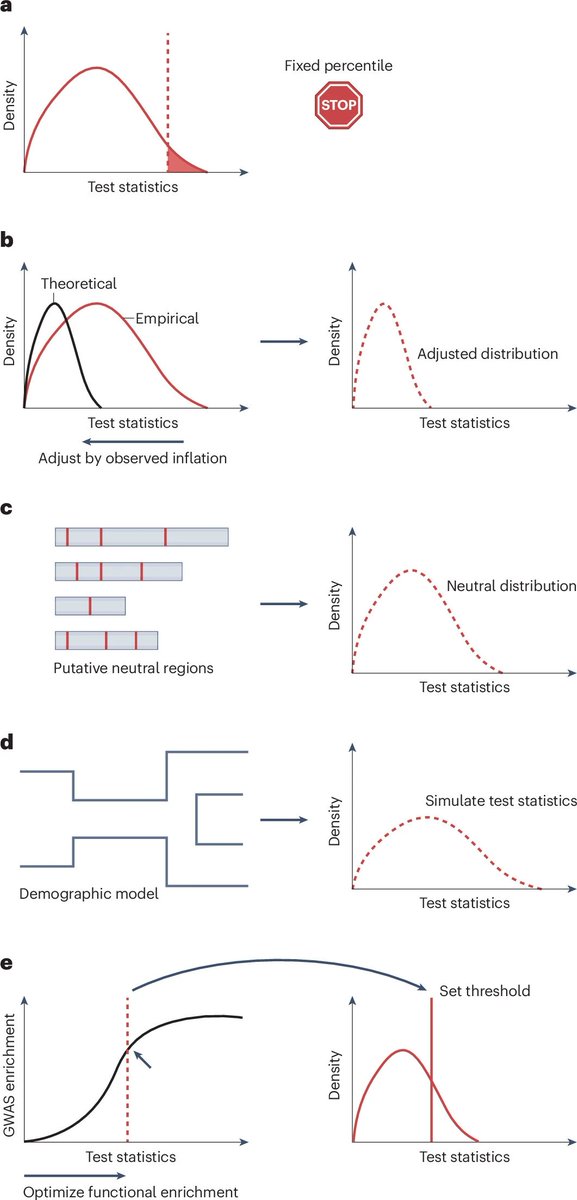
Zhenhong Huang’s paper is now published! SIQReg is an approach to choose phenotype scale by minimizing heterogeneity across quantiles, improving power and reducing scale-dependent non-additive signals
Paper: https://t.co/MOewdy0fZ9
Code: https://t.co/ToOv1qhda5
1/7 I’m excited to share the our website for STATE OF THE ARG seminar, an online seminar series on advances in computational population genomics, with a focus on Ancestral Recombination Graphs (ARGs). Please repost and share! https://t.co/TRGyqvb1uD
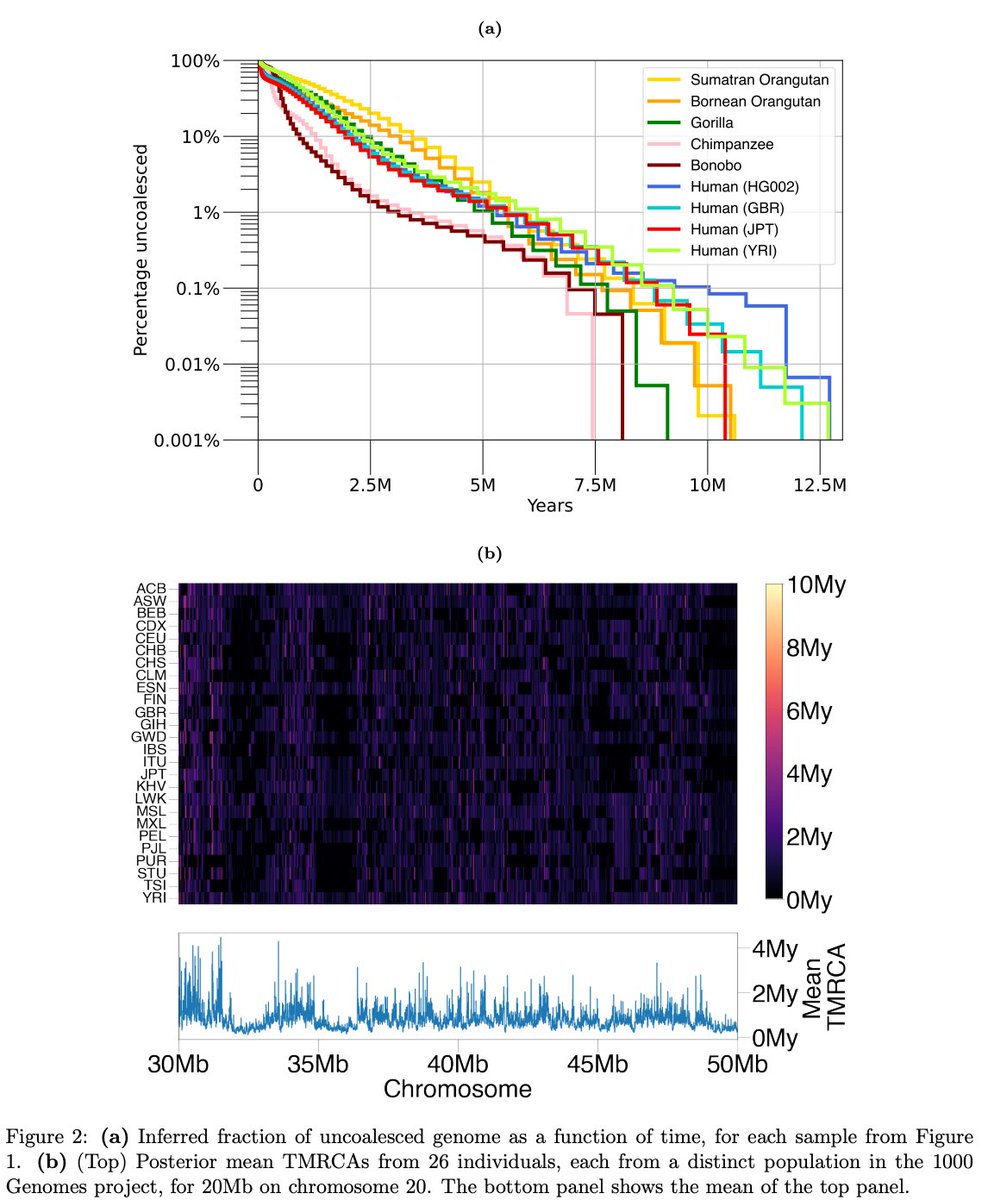
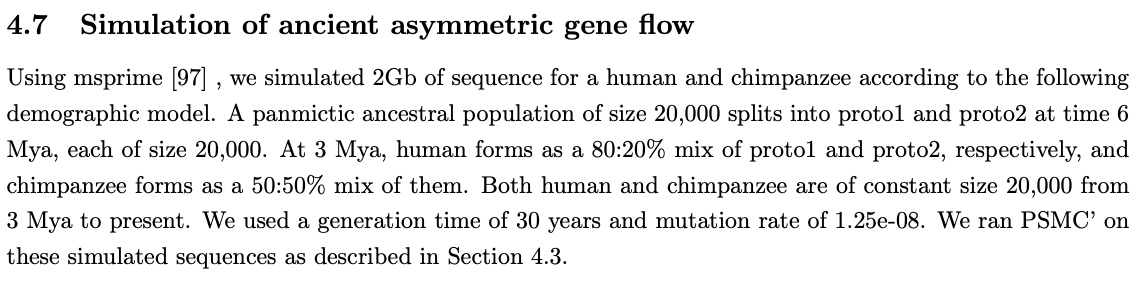
With the amazing new research from @trevorcousins_ and @RegevSchweiger pointing in the direction of complex speciation between Chimps and Humans, there has been quite a bit of interest in this topic online
I recommend those interested read Patterson 2006
https://t.co/GBIyglWliG
When did we really split from our last common ancestor with our closest modern cousins, the chimpanzees and bonobos? A new study published by @trevorcousins_ et al suggests it may be a pretty messy situationship.
Study linked below 👇
Very glad to see this work finally out! Thanks to the incredible @trevorcousins_ and @richard_durbin with whom it has been an absolute pleasure to work on this.
See Trevor's thread below:
Happy to see my work with Regev Schweiger @Regevschweiger and Richard Durbin @richard_durbin now published in Genetics! Link to paper: https://t.co/eNazf4MMCB (open access). A thread on the main ideas....1/n
Happy to see my work with Regev Schweiger @Regevschweiger and Richard Durbin @richard_durbin now published in Genetics! Link to paper: https://t.co/eNazf4MMCB (open access). A thread on the main ideas....1/n
חדשות טובות חברים🎉🥳🪅
הודענו היום על גיוס סייד של 18 מיליון דולר לחברת Undecimal Bio!
הסיבוב בהובלת שתי קרנות ביוטק בריטיות 4Bio ו IQ Capital ובהשתתפות Verve Ventures השוויצרית, והישראליות Harel, ו Entree, ו Saras Capital ו Kerna.
מה אנחנו עושים?
https://t.co/B9JMMf6Eoe
New preprint: viruses that exchange segments of their genome with each other trace their ancestry through graphs (an ARG), not trees. We adopt statistical methods to infer ARGs, and develop a mathematical description of viral multi-scale evolution.
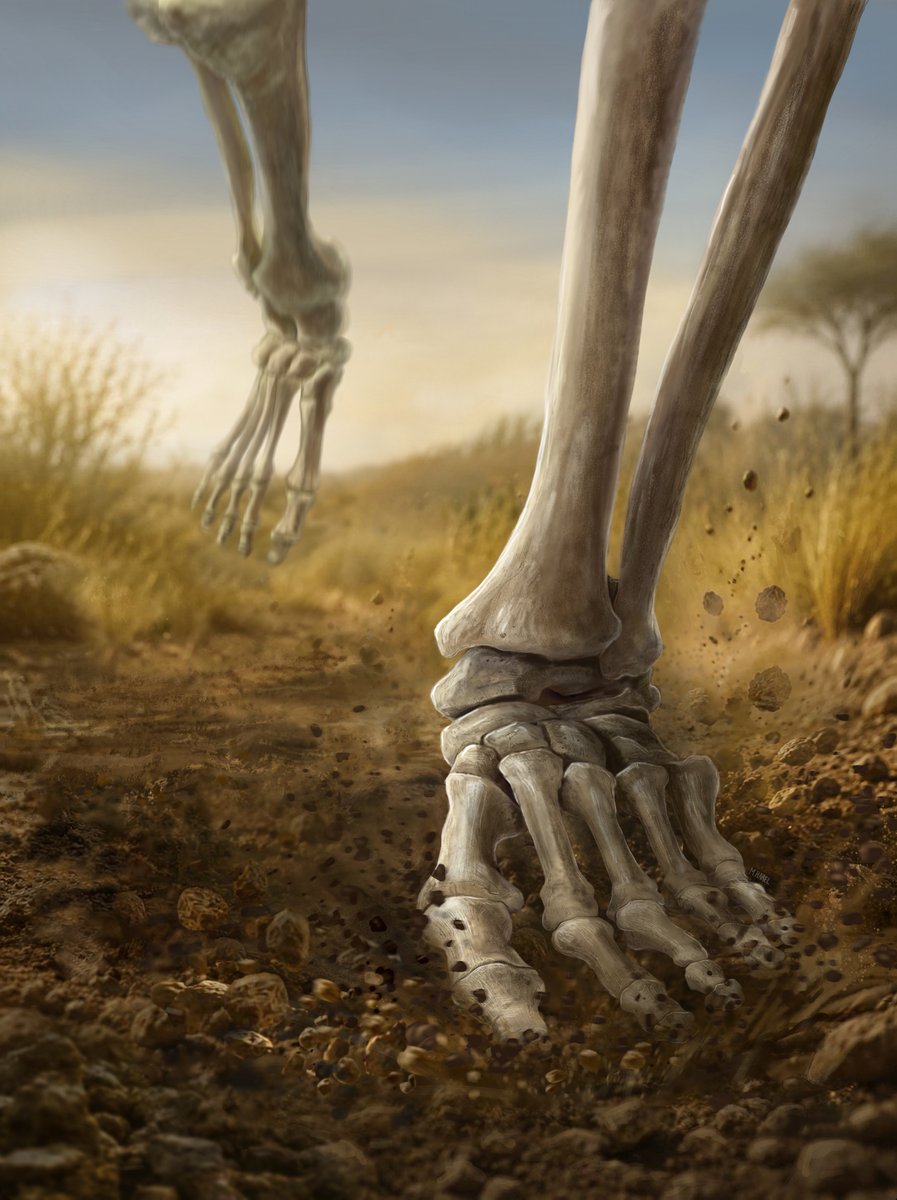
Humans are far more prone to degenerative skeletal diseases than other apes. Our new @Nature paper uncovers the genetic changes that shaped our skeleton and uncovers a major clue to why it is so vulnerable to degeneration.🧵👇
https://t.co/AADspJAyQn
Humans are far more prone to degenerative skeletal diseases than other apes. Our new @Nature paper uncovers the genetic changes that shaped our skeleton and uncovers a major clue to why it is so vulnerable to degeneration.🧵👇
https://t.co/AADspJAyQn
Saw @RegevSchweiger give a talk today about this work at #EESHuman
One interesting take away I didnt notice b4 is how the different sizes of the peaks in Chimps/Humans gives information on the "strength" of the structure and thus relative admixture proportions for each species