LITTLE KNOWN FACTS ABOUT LUCKY DUBE
● Lucky Philip Dube was born on Aug. 3, 1964 on a small farm outside Ermelo, a dry area some 150km
(94 miles) West of Johannesburg.
●His musical interest began whilst singing in the choir at school.
His parents named Mbuuse Yokana, the world knew him as Kapere Lufotose and his friends called him Taata Twamp.
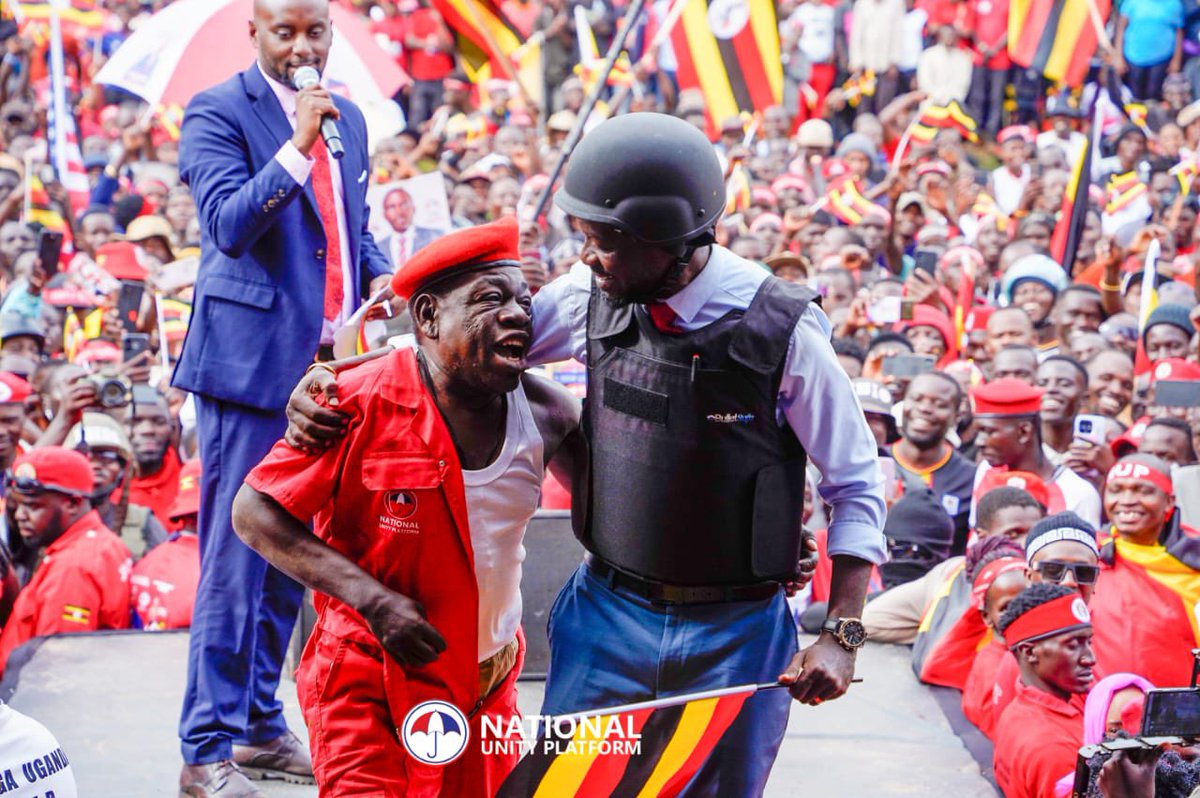
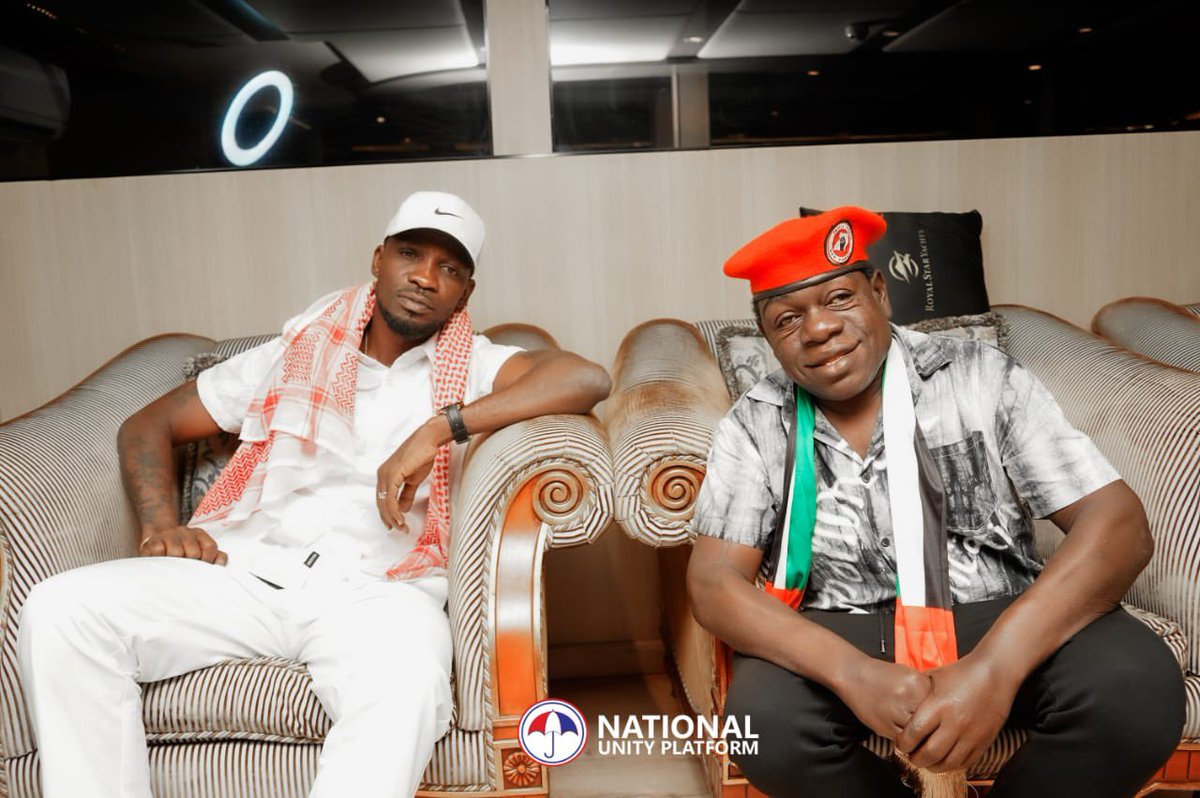
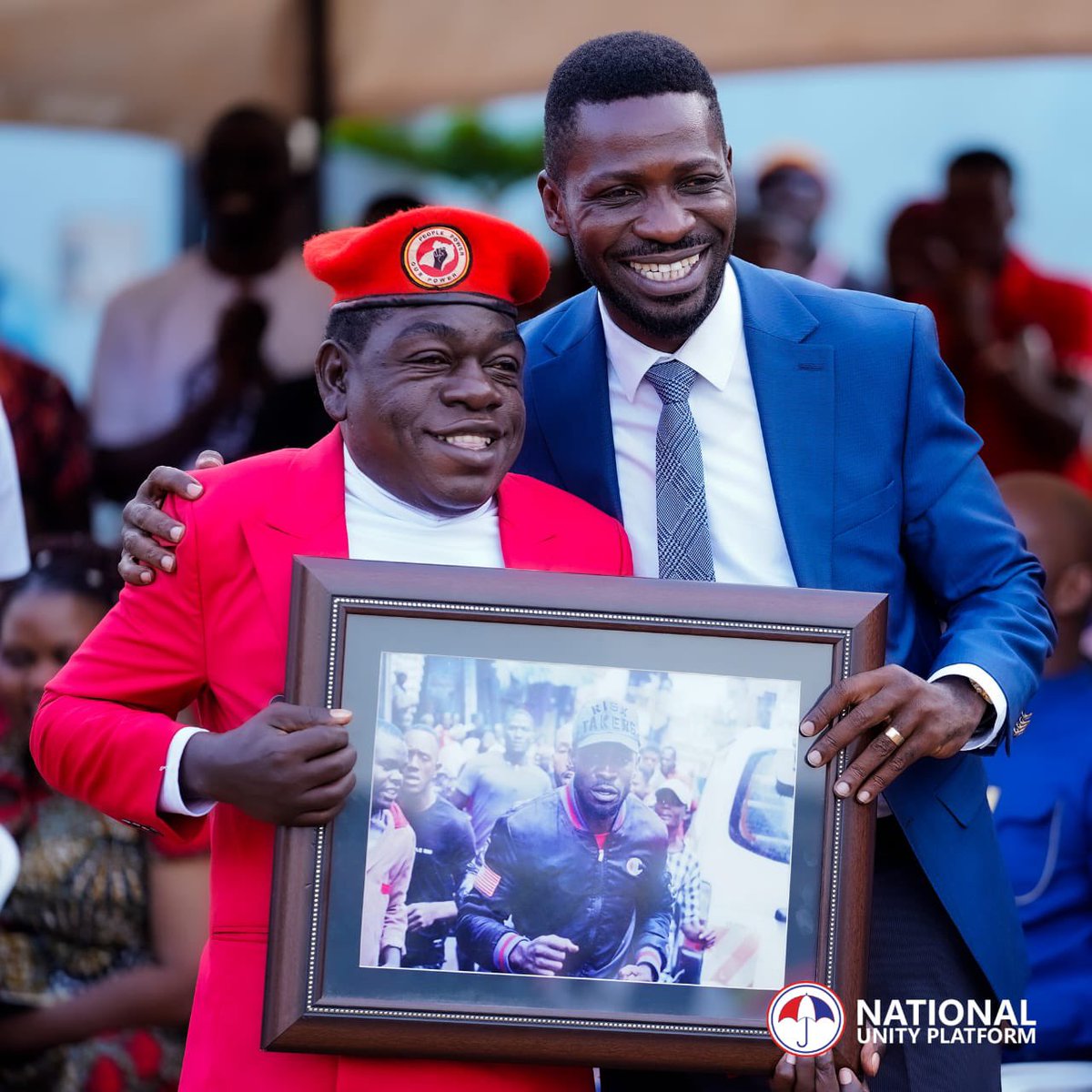
He was a friend to many, a beautiful soul whose presence touched lives, and I have no doubt that he will be dearly missed.
I’m one of the many who were fortunate enough to experience his friendship. He was a man who refused to be defined by his appearance, he let his sincerity, character and heart speak for him. And what a beautiful heart he had! What an interesting character!
A loving husband who made his wife proud, a gifted artist who understood the power of his voice and chose to use it for the good of his country. Kapere lived a life of purpose, serving his country in the best way he knew how. He was a patriot, a gentleman, and a man whose infectious humour could light up even the saddest of moments.
It is painful to accept that we will no longer have you amongst us to share those moments with you, my brother.
But perhaps that is the price we pay for having known someone whose presence meant so much.
To Maama Twamp and the children, may God give you strength and comfort in the days ahead. I pray that the beautiful memories you shared with him will become a source of strength whenever the pain of his absence becomes unbearable. You will not walk this difficult journey alone.
Rest peacefully, my man. Your contribution will not be forgotten, and your spirit will live on in the lives you touched, including myself.
Wumula mirembe, chali wange🫡
That nagging pain that feels like you were family. Memories from a distance that feel like you were so close. Royalty that came with unusual humility and low profile. No drama, no harm, no noise - just human.
WHY KING OYO WAS CALLED OYO - THE LUO SECRET OF TOORO & BUNYORO
If you are Mutooro or Munyoro, your King has a Luo name. Oyo, Olimi, Rukidi, Winyi, Kaboyo, Duhaga.
How?
Years ago, we had no Babiito. We had Bachwezi.
Kitara Empire was powerful, capital at Bigo bya Mugenyi. Then things went wrong.
King Wamara's cows started producing blood instead of milk. Mugenyi's sacred cow Bihogo died at a salt lick. Rebellions everywhere.
Wamara called his diviners. They brought a fattened calf, rinsed mouth with milk, slaughtered it to read the future.
They cut it open - *no entrails inside*.
No one could explain until a Luo diviner named *Nyakoka* from across the Nile came forward. He hit the head and the legs of the calf. Entrails fell out, with black soot from the fire.
He said:
"Empty stomach means reign of Bachwezi is over. Entrails in head and legs means Bachwezi will survive only as spirits in Mbandwa shrines. Black soot means Kitara will be taken by dark strangers from another land."
Bachwezi tried to kill him. He escaped north across the Nile back to *Bukidi* - today's Lango / Acholi.
Who was waiting in Bukidi?
Years before, a Chwezi Prince called Isimbwa was hunting in Luo land and left his son Kyomya behind. Kyomya married a Lango woman, Nyatworo, daughter of Labongo of Mukwonga clan.
Their child was mixed blood. They called him *Isingoma Mpuga Rukidi*.
Isingoma - father of drums (Bantu name subjects gave him)
Mpuga - _empuuga_ - black-and-white cow (meaning mixed ancestry)
Rukidi - his birthplace
Labongo - his Luo grandfather
He and his brothers were hunters, loved by Luo people.
Nyakoka found him resting under a *Bito tree*. That's why they are called *Babiito*.
He told him: "Kitara has no king. Go and take it."
So a small group of *Biito-Luo* crossed the Nile. Story says they had to sacrifice a child to cross. When they arrived at the empty Chwezi capital, Banyoro looked at them with suspicion - they were half Bantu, half Luo.
Rukidi asked Wamara's wives, Bunono and Iremera: "Where did Bachwezi go?"
They answered: "They disappeared towards Lake Victoria, they will never return."
He took the drum.
That was the start of Bunyoro-Kitara. The new kings lost their Luo language and spoke Runyoro. But they kept Luo names as throne names.
That's why the first Bunyoro kings are:
*Rukidi, Ocaki, Oyo Nyiba, Winyi I, Olimi I, Chwa, Nyabongo...*
When you become Omukama, you drop your childhood name and pick an ancestor name. To prove you are true Mubiito.
That's why:
- The founder of Tooro in 1830 was Prince Kaboyo who rebelled against his father Kyebambe III of Bunyoro. On the throne he called himself *Kaboyo Olimi I* - taking Luo ancestor name.
- Oyo's father named him *Oyo Nyimba* before going to Cuba as ambassador, and elders added *Rukidi IV* after his grandfather.
They even brought *Empaako*. The word _pako_ itself is Luo - it means "to praise someone". Amooti, Akiiki, Abwooli, Ateenyi - Luo pet names and has direct meaning in Luo language.
And Babiito are the only clan in Bunyoro that does NOT marry outside. They marry within to keep that royal blood.
Even Buganda: Rukidi's twin brother is *Kato Kimera*, third King of Buganda.
So we are Bantu people, but our kings are sons of Luo. That is why Banyoro/Batooro says: _"We are children of Bacwezi, grandchildren of Batembuzi, but sons of Rukidi Mpuga."_
Oyo was not just a name. It was 800 years of history.
Rest well, Rukidi IV.
There are deaths that saddened Uganda -- Thomas Sankara, 1987; Philly Lutaaya, 1989; Fred Rwigyema, 1990; Noble Mayombo, Lucky Dube, 2007; Mowzey Radio, 2018.
Oyo's stings, as many have noted, because we watched him grow, the way we grew with the child-to-adult Michael Jackson.
On the occasion of Roosevelt's visit, shortly before Christmas 1909, UG's four kings converged in Mengo, when this stunning photograph was taken. L-R: Omukama of Bunyoro Duhaga II; Kabaka of Buganda Chwa II; Omugabe of Ankole Kahaya II; Omukama of Tooro Kyebambe III 2/2
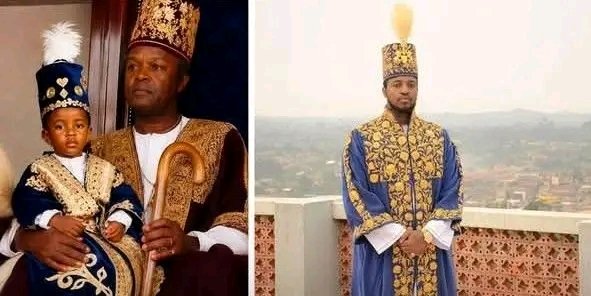
The Government of Uganda mourns the passing of His Majesty King Oyo Nyimba Kabamba Iguru Rukidi IV, Omukama of Tooro.
Our heartfelt condolences to the Royal Family and the people of Tooro.