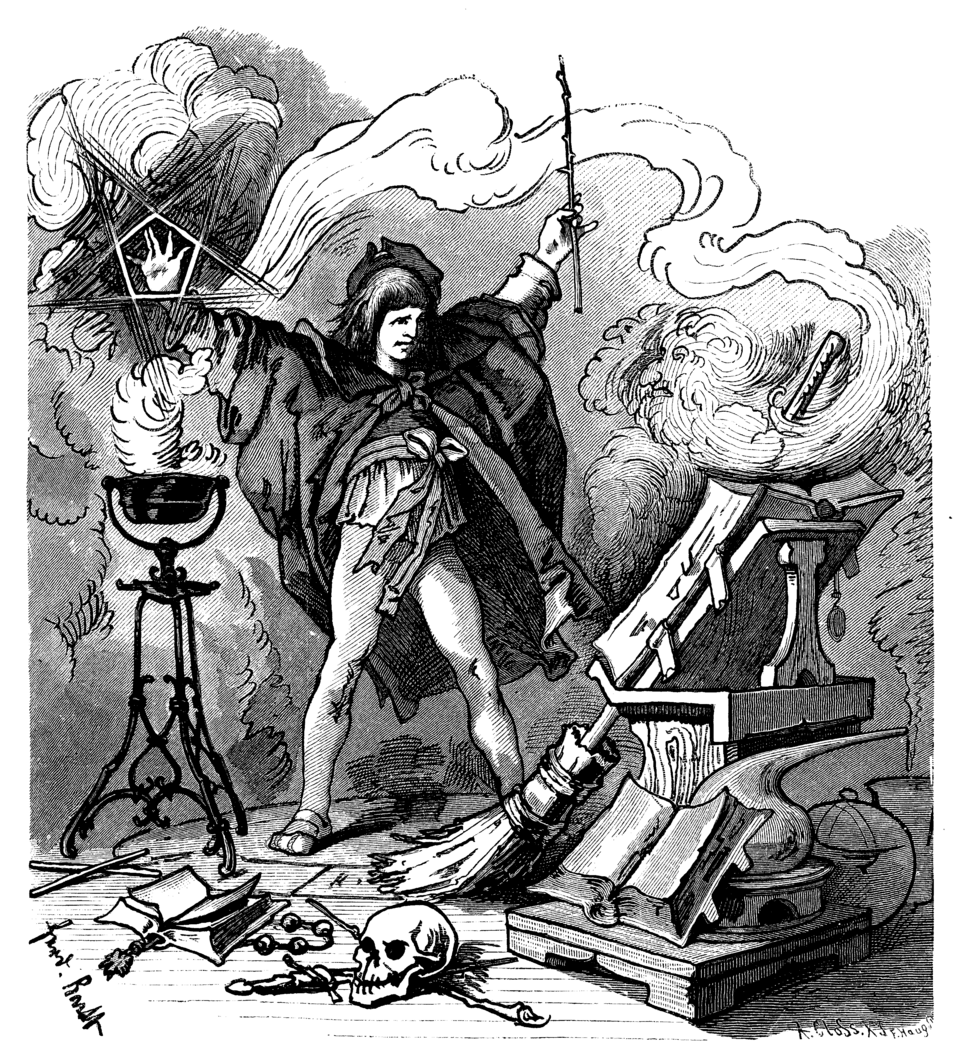
it seems that, as we enter the AI era, the tale for this century will be 'the sorcerer's apprentice', made famous in disney's 'fantasia', but originally a poem by goethe.
a wizard's apprentice, left alone, tires of mopping, so he animates a broom so the broom can clean automatically, by itself. the broom spills water on the floor, so he tries to stop the broom. but, he can't, so he tries to cut it in two - this just creates two animated brooms. now the brooms are spilling water twice as fast, and the whole room is getting flooded.
just before it's too late, the master sorcerer comes back, and fixes everything. he tells the apprentice that only a master of magic is able to toy with and control such forces, and the apprentice is barred from invoking spirits.
AI agents, neutrally - with no ethical assessment on our part, are clearly something like golems (clay figures that you could animate with magic), which famously had their own safeguard: a three letter word was written on their forehead, which meant "truth". when you were done with the golem, you'd erase one letter, changing the word from "truth" to "death", and it would deactivate.
there are some earlier parallels with this, such as what i know as "ushabtis" from the ancient egyptians. these were small figurines that you were buried with that would become animate in the next life, and do your work for you. egyptians were somewhat obsessed with this. they made, i assume, thousands of these, if not more. for this reason, they're very easy to find and see in museums.
but the concept of something becoming animate in this life is different - it's clearly easier for you to lose control of it, and the tales reflect this.
in an interesting thematic tie up, the master sorcerer returns at the end of 'the sorcerer's apprentice' and just fixes everything. there's a name for the type of character who comes in at the end of a story, when all hope is lost, and just magically fixes everything. usually we use this term negatively, and you've probably heard it before in that context. it's called a 'deus ex machina': literally, "god from the machine".
@LilMonarch87@pastorjgkell war is a part of life in this world. is it not better to have a country's defense and conquest endeavors rooted in Christianity?