@nnzp1730@profplum99 “When I was a boy of fourteen, my father was so ignorant I could hardly stand to have the old man around. But when I got to be twenty-one, I was astonished at how much the old man had learned in seven years.” Attributed to Mark Twain
Me gustaria contactar con los padres de este niño para regalarle esta foto. Me ayudais a moverla? El papa León XIV bendice a un niño en el Estadio Olímpico Lluís Companys de Barcelona, España, el martes 9 de junio de 2026. Gracias....
Assisti a Rafa, a série da Netflix sobre Rafael Nadal, esperando encontrar a fórmula tradicional dos documentários esportivos: imagens épicas, trilha emocionante e uma sucessão de elogios à genialidade de um atleta extraordinário. E isso até existe na série. Afinal, fala de um homem que conquistou 22 títulos de Grand Slam e transformou Roland Garros em seu quintal particular. Mas logo ficou claro que a proposta era outra.
Rafa não é uma história sobre vitórias. É sobre o preço das vitórias.
Ao acompanhar os últimos anos da carreira de Nadal, a série desloca o foco dos troféus para o desgaste físico e emocional provocado por décadas de busca pela excelência. Exames médicos, sessões de fisioterapia, dores crônicas e dúvidas sobre continuar ou parar ocupam mais espaço do que os momentos de glória.
E aí a série deixa de ser sobre tênis.
Todos admiramos o sucesso, mas raramente refletimos sobre seu custo.
A certa altura, Nadal é menos um campeão e mais um homem tentando negociar diariamente com o próprio corpo. A série mostra como uma condição rara no pé, diagnosticada ainda no início da carreira, desencadeou adaptações que permitiram que ele continuasse competindo, mas que também cobraram um preço crescente ao longo dos anos.
O contraste entre o jovem Nadal, explosivo e aparentemente indestrutível, e o veterano cauteloso, limitado pela dor, é o aspecto mais impactante da narrativa, porque torna sua trajetória mais humana.
Foi impossível assistir sem pensar em quantas pessoas vivem algo parecido fora das quadras. Empresários que sacrificam a saúde para construir empresas. Profissionais que chegam ao topo e descobrem que deixaram relacionamentos pelo caminho. Pessoas que dedicam décadas a um objetivo e, quando finalmente o alcançam, já não sabem quem são sem ele.
Rafa não oferece respostas definitivas. Talvez por isso funcione tão bem. Mais do que um documentário sobre um dos maiores tenistas da história, é uma reflexão sobre excelência, propósito e envelhecimento. Você termina os quatro episódios impressionado pelos títulos, mas muito mais impressionado pelo homem que precisou carregá-los.
Otra noche de insomnio de las mías. Me estoy haciendo el primer café de la mañana, pienso en los horarios de Primaria de cualquier colegio y me dan ganas de llorar. Nos estamos cargando la base de los chavales con chorradas de escaparate. 🧵va...
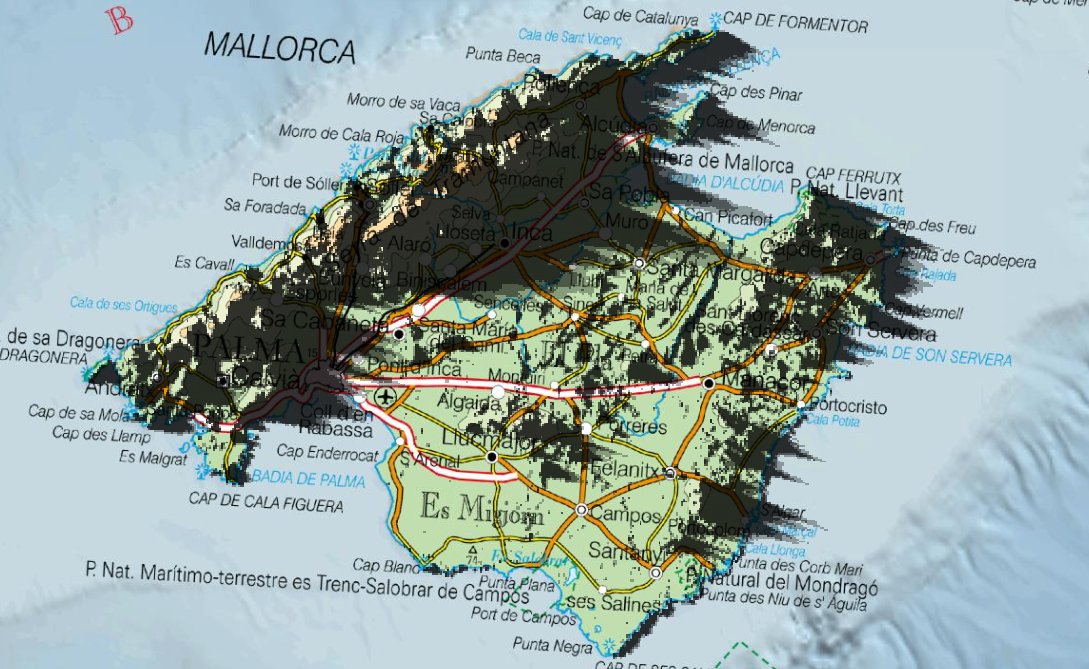
Si estás planeando la observación del eclipse de Sol del 12 de agosto y quieres saber si el relieve te va a permitir verlo, usa nuestro visualizador. Tiene una nueva capa ("Visibilidad") que muestra las sombras predichas con un modelo digital del terreno: https://t.co/LoThgddjy6
@olgarusu Lo siento mucho, Olga. Es curioso cómo sin conocerte ni casi interaccionar contigo te llevo siguiendo y leyendo tantos años que me apena verdaderamente. Descanse en paz.
Umberto Eco, propietario de 50.000 libros, dijo esto sobre las bibliotecas caseras:
"Es una tontería pensar que tienes que leer cada libro que compras, porque es una tontería criticar a aquellos que compran más libros de lo que nunca podrían leer. Sería como decir que debes usar todos los cubiertos o gafas o llaves o taladros que compraste antes de comprar nuevos".
"Hay cosas en la vida que siempre necesitamos tener en abundancia, incluso si solo usamos una pequeña porción".
"Si, por ejemplo, consideramos los libros como medicina, entendemos que es bueno tener muchos en casa en lugar de algunos: cuando quieres sentirte mejor, ve al 'armario de medicamentos' y toma un libro. No al azar, sino el libro correcto para ese momento. ¡Esta es la razón por la que siempre debes tener una opción nutricional!"
"Quien compra sólo un libro, lee sólo este y luego se deshace de él. Solo aplican la mentalidad de consumidor a los libros, es decir, nos consideran un producto de consumo, un bien".
"Los que aman los libros saben que un libro es todo menos una mercancía. "
Vía Tere Bermea https://t.co/jPaYOgUzwm…
I don’t have hearing loss. I have high ping.
Me: "What?"
Friend: "I said –"
Me: "–Yeah, pizza sounds great."
My ears captured the audio instantly, but my brain needed 3-5 business seconds to unzip the file.
Please hold. Your conversation is loading.
It annoys me that so many people are under the impression that this guy, Steven Bradbury, is some subpar goober who lucked his way into gold.
That could not be further from the truth.
This is one of the most satisfying victories in the history of the Olympics if you know the full backstory.
This medal final was during his fourth Olympics, in Salt Lake City in 2002.
Earlier in his career, he was among the best athletes in the world in this specific event, the 1000 meter short-track men's speed skate.
But despite his talent, he just had some of the shittiest luck in the sport. We're talking a decade of shit luck.
In the '94 Winter Olympics, he was considered the odds-on favorite to take gold, but he fell in his heat after getting illegally pushed by an opponent (who was later disqualified). He didn't get a re-do. That was it. He got shoved by some asshole, and his Olympics was over.
Then in the '98 Winter Olympics, he was a favorite to at least medal in the same event but got caught up in a collision that wasn't his fault and failed to advance.
In 1994, he got his thigh sliced open by a competitor's skate during a race, which required 111 stitches and 18 months of recovery time.
In 2000, he broke his neck during training because a skater in front of him fell and tripped him up. That required a bunch of screws and plates being inserted into his skull and back and chest.
And doctors told him that he should stop skating. But he didn't wanna give up. It meant too much to him.
So, there he was in Salt Lake City in 2002, past his prime, a walking erector set, going up against opponents who were faster and younger and in their prime.
He manages to win his heat and advance to the quarterfinal but then has the shit luck (yet again) of having to go up against the best two athletes in the quarterfinal and only the top two advance.
He finishes third and thinks: "Damn, I gave it my best shot." But then, the second place finisher is disqualified, so Bradbury gets to advance to the semifinal.
Now, at this point, he's thinking: Well, shit, I'm not as fast as these younger guys, and I got a bad habit of getting taken out by crashes that aren't my fault.
So, he consults with the Australian national coach, Ann Zhang, and they decide that he should hang back from the pack and hope the pack crashes.
That is a perfectly valid strategy. If you crash, you lose, but speed skaters risk crashing to gain an advantage in order to win.
It may not feel exciting, but it is a valid strategy and just as risky: avoid crashes entirely and hope that pays off.
It paid off in the semifinal: the pack, including the defending Olympic champion, jostled too much and crashed. Bradbury wins and advances.
So, he's improbably in the final and takes the same approach, and it works: the entire pack jostles too much and crashes, and Bradbury's risk of hanging back pays off.
This victory was not some un-athletic schlub lucking his way into gold.
It was a journeyman athlete who never gave up and played smart after a career of shitty luck and finally got his due after it being snatched away from him so many times.
Hands down, one of my favorite Olympics stories.