AI is rewriting the rules in Silicon Valley.
Founders face scarce proprietary data, overwhelming tech giants, and — even after the technical battle — an invisible layer of ethics, social trust, and tightening regulation.
The game is tougher than ever.
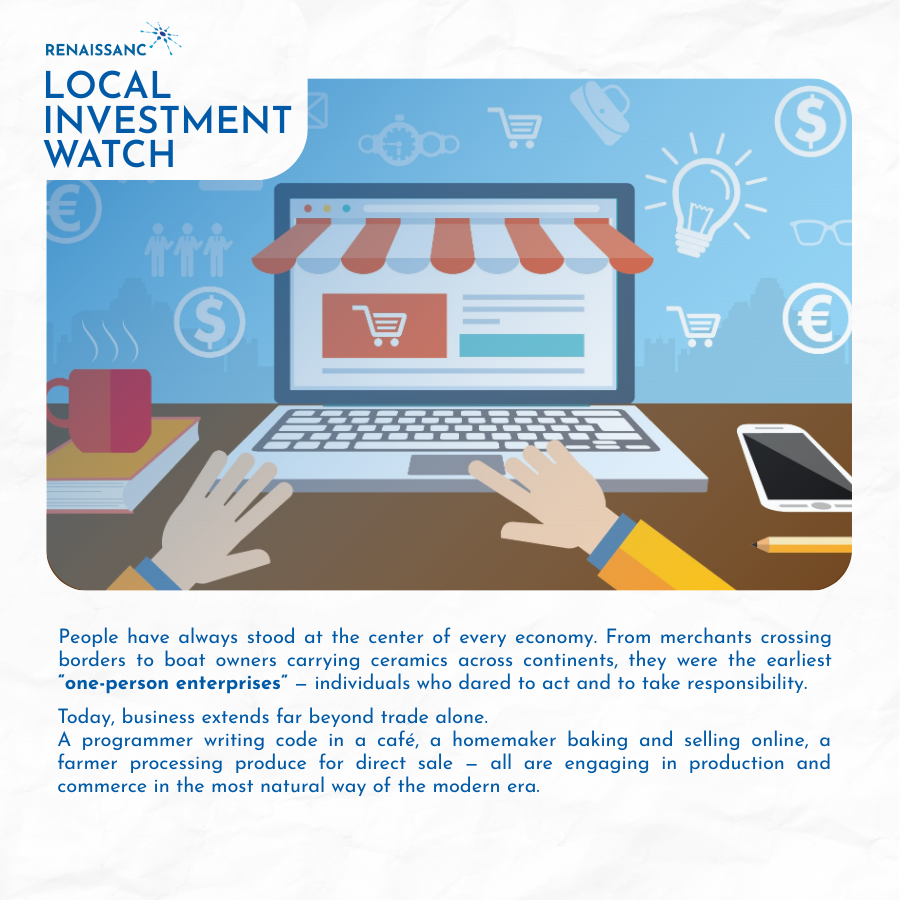
People have always been the core of every economy.
From ancient merchants to today’s coders, homemakers, and farmers, “one-person enterprises” continue to shape how production and commerce evolve in the modern era.
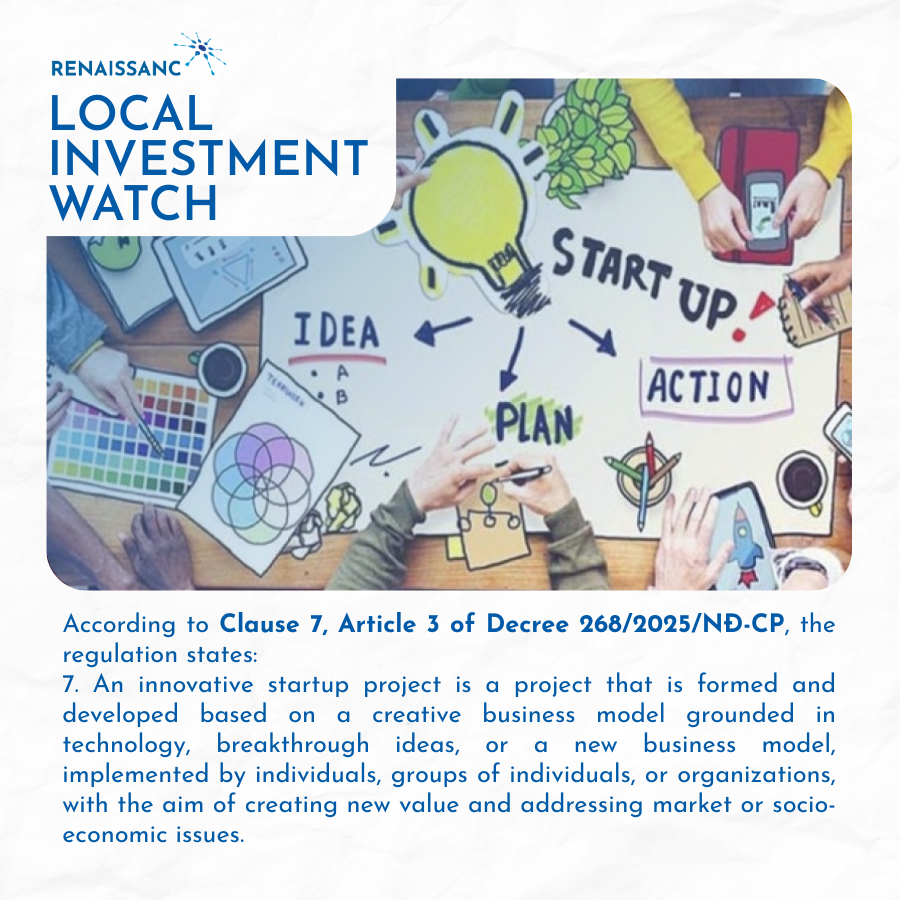
An innovative startup project is defined as a project built on technology, breakthrough ideas, or new business models—created to generate new value and address market or socio-economic challenges.
A new AI startup enters the race with a bold direction: AI for the physical economy. With a massive $6.2B backing and a leadership pairing of business scale and deep science, it targets real-world engineering challenges beyond chatbots.
A dual financial model is emerging.
AI startups raise early as a strategic choice; traditional firms optimize for early cash collection.
Different paths, same goal: mastering cash-flow timing to operate like capital-rich companies.
From 2026 onward, timing becomes strategy.
Early capital isn’t always about raising equity or debt.
For many companies, the real strategy is accelerating revenue.
Tools like Cheque and Invoice Butler shorten payment cycles, unlock working capital, and bring cash in sooner — without adding debt.
#AI#Fintech
Venture debt is growing, but it’s not always the right path for AI startups. Limited access, 10–15% interest, and strict covenants raise burn rate and pressure. When growth slows, debt becomes a burden rather than leverage.
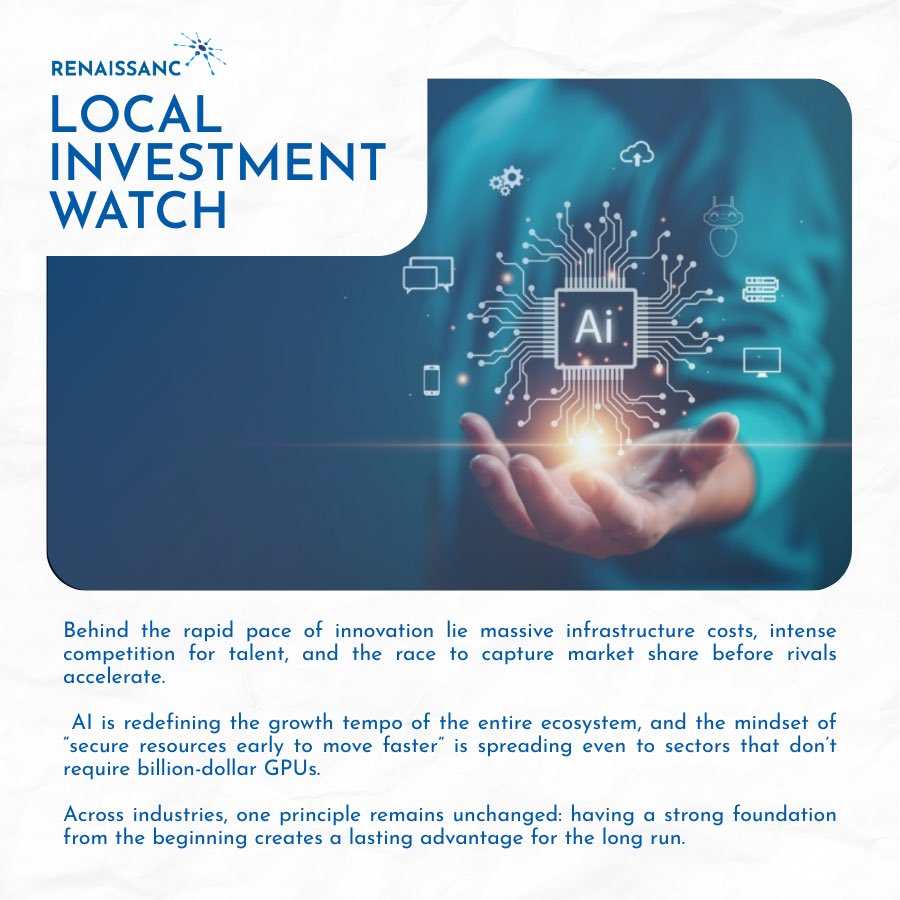
AI startups raise early because infrastructure costs are huge, talent is competitive, and speed has become a new moat. Early capital lets them scale fast, ship fast, and outpace rivals—an idea now spreading beyond AI.
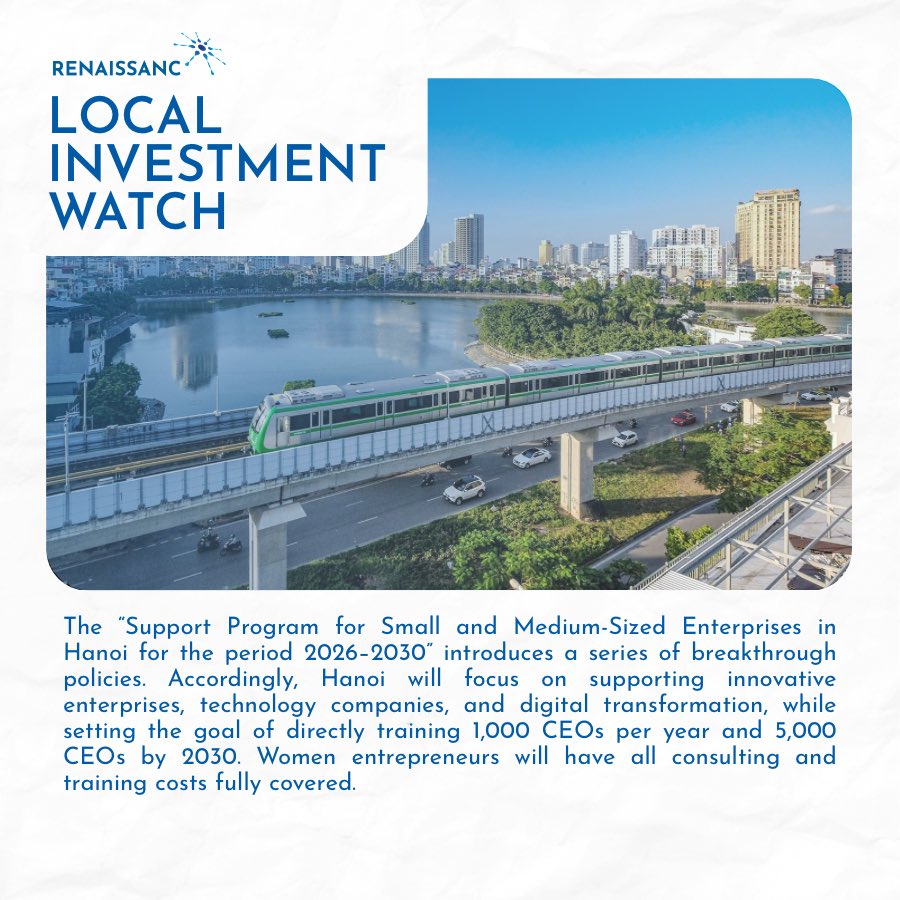
Hanoi’s biggest startup bottleneck is leadership capacity.
Dr. Duong Thi Kim Lien highlights the need for personalized CEO training, stronger commercialization capability, and real co-creation between businesses, institutes, and universities to drive breakthrough growth.
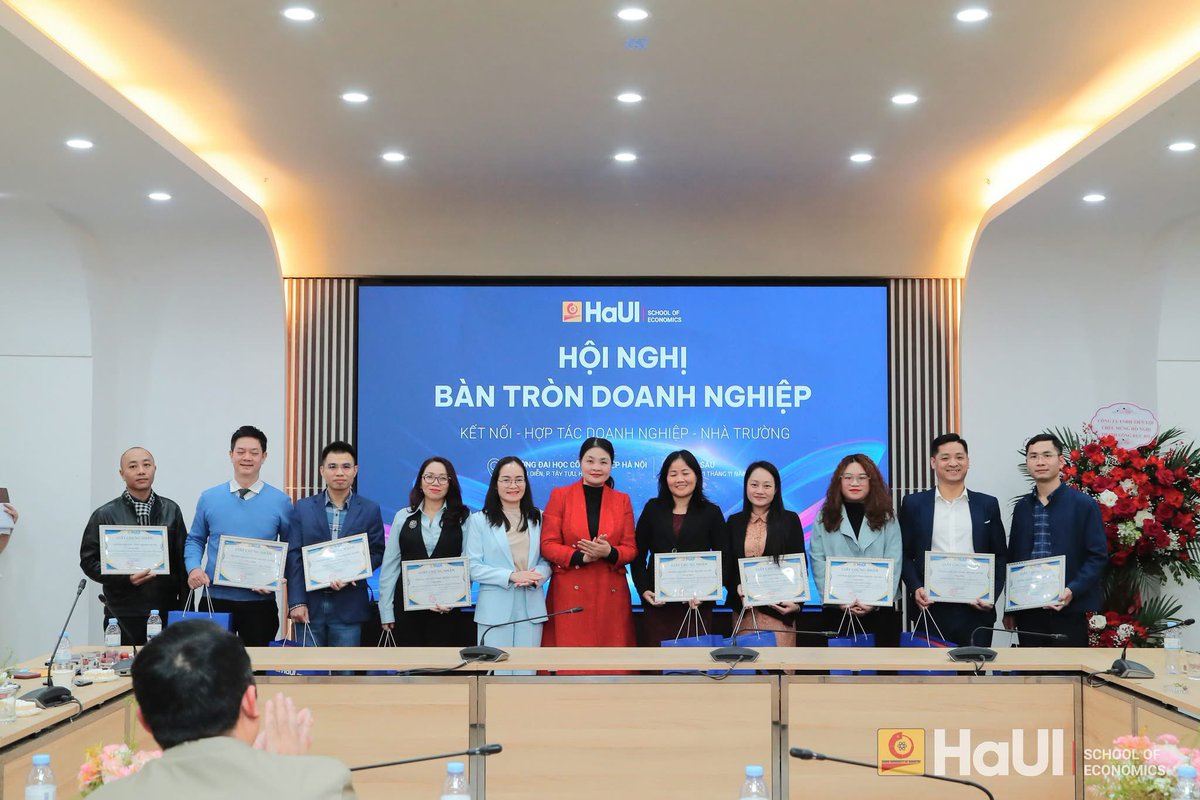
RenaissancPartner was honored to join the 2025 Business Roundtable at HaUI’s School of Economics.
A meaningful dialogue on University–Enterprise collaboration in the era of AI, big data, and innovation—shaping future training and talent development.
#HaUI#RenaissancPartner
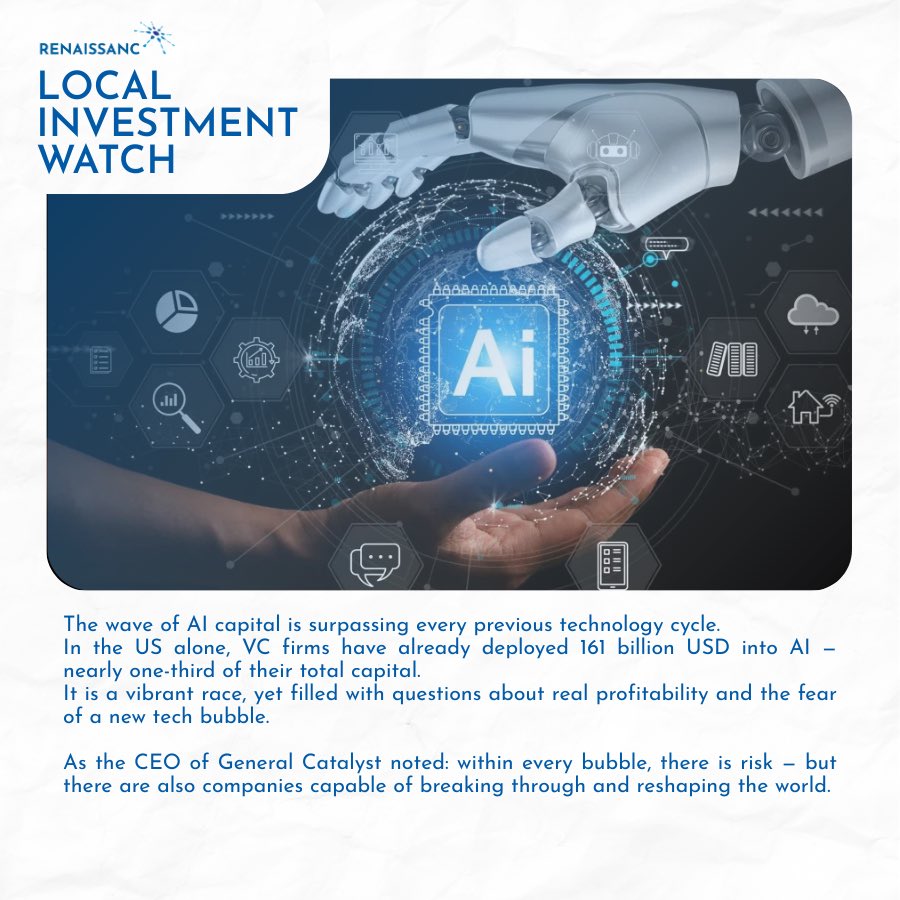
AI funding has surged to 161B USD in the US this year — far beyond past tech cycles.
A vibrant race, yet full of risk, as sentiment flips from pessimism to FOMO.
Bubbles hurt, but they also create space for breakthroughs.
#AI#VC
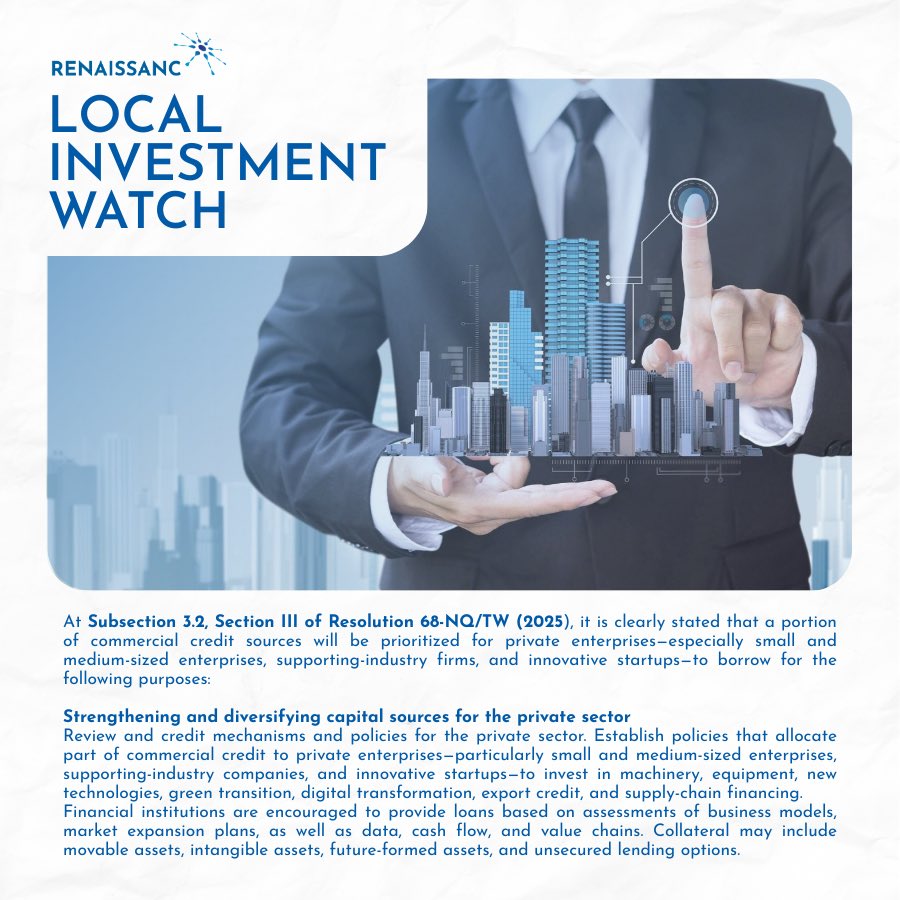
Resolution 68-NQ/TW prioritizes expanding credit access for Vietnam’s private sector—especially SMEs, supporting industries, and startups. Lending may rely on data and cash flow, with broader collateral options to enable tech, green, and digital investment.
On International Men’s Day, we honor the quiet resilience of men — especially those building their own paths in entrepreneurship.
Risk-taking, patience, responsibility, and the courage to start again.
Happy International Men’s Day — may your journey stay open and steady.
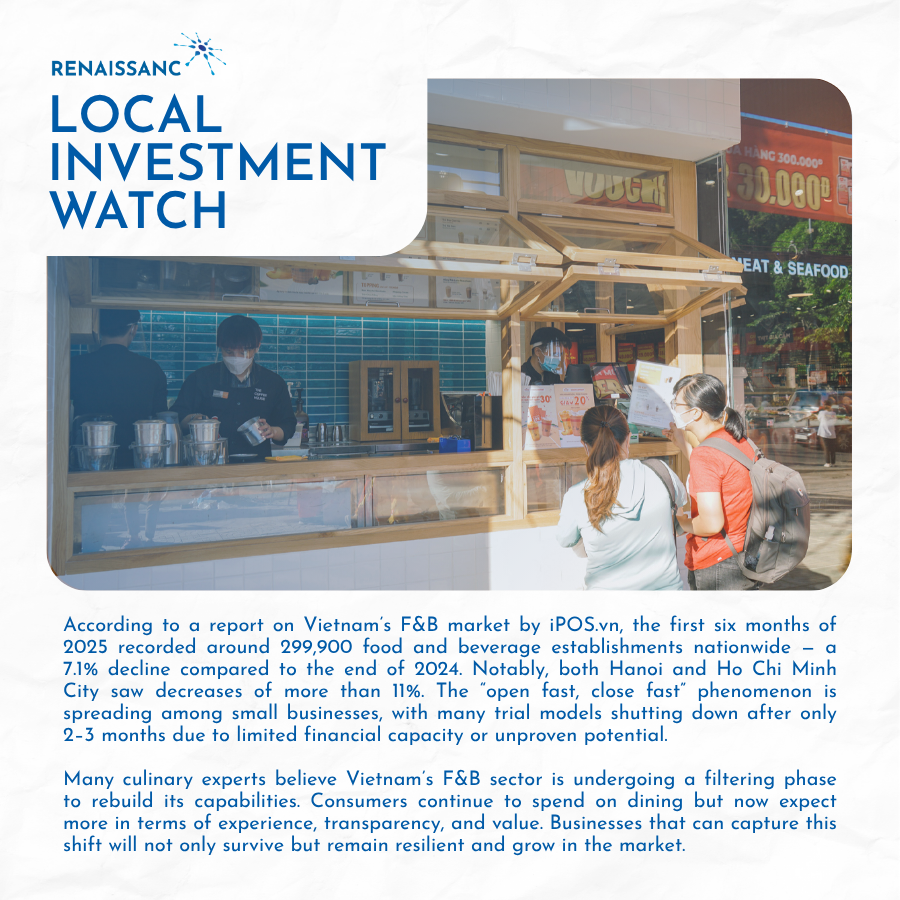
Vietnam’s F&B sector remains full of potential, yet many brands fall into the “open fast, close faster” cycle. Passion isn’t enough—systems, cash flow, and clarity matter. As the market filters itself, models like Bún đậu Homemade show a steadier, coded approach.
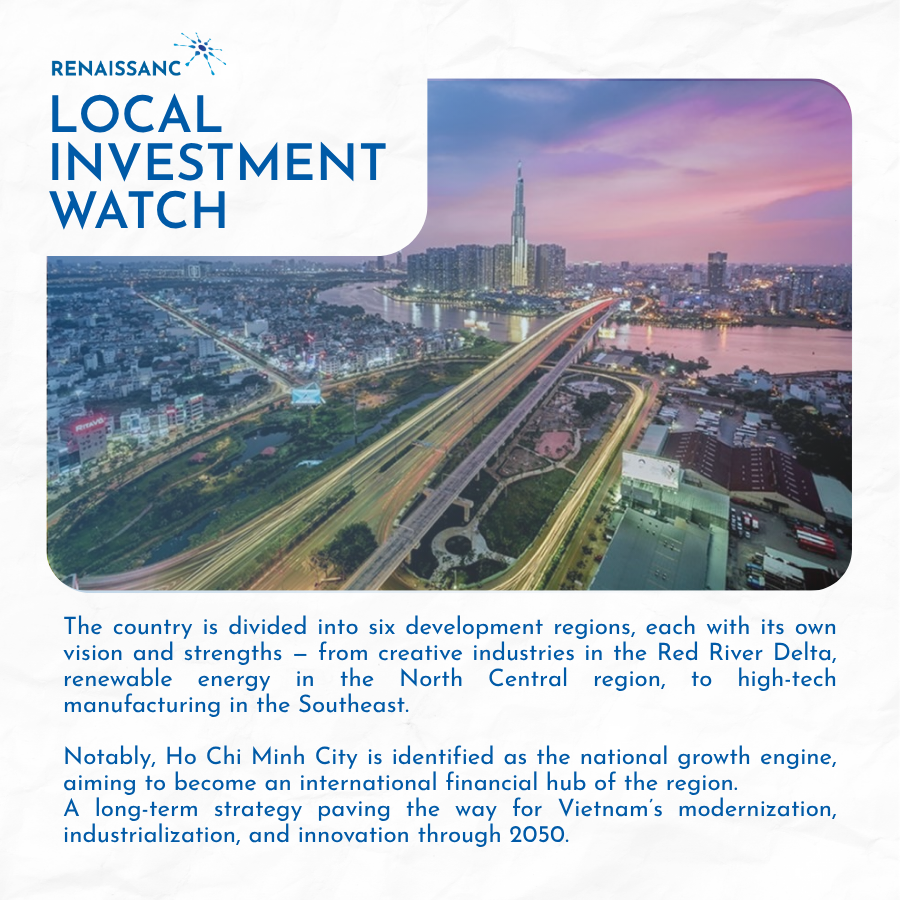
Vietnam’s new National Master Plan defines 6 growth regions — from high-tech industry in the Southeast to creative economy in the Red River Delta — shaping a balanced, innovation-driven path toward modernization by 2050.
#Renaissanc
Celebrating Vietnam Business Culture Day 🌿
Corporate culture is not just how we work — it’s how we live.
Integrity, creativity, and resilience build the true spirit of Vietnamese enterprises.
#Renaissanc#BusinessCulture
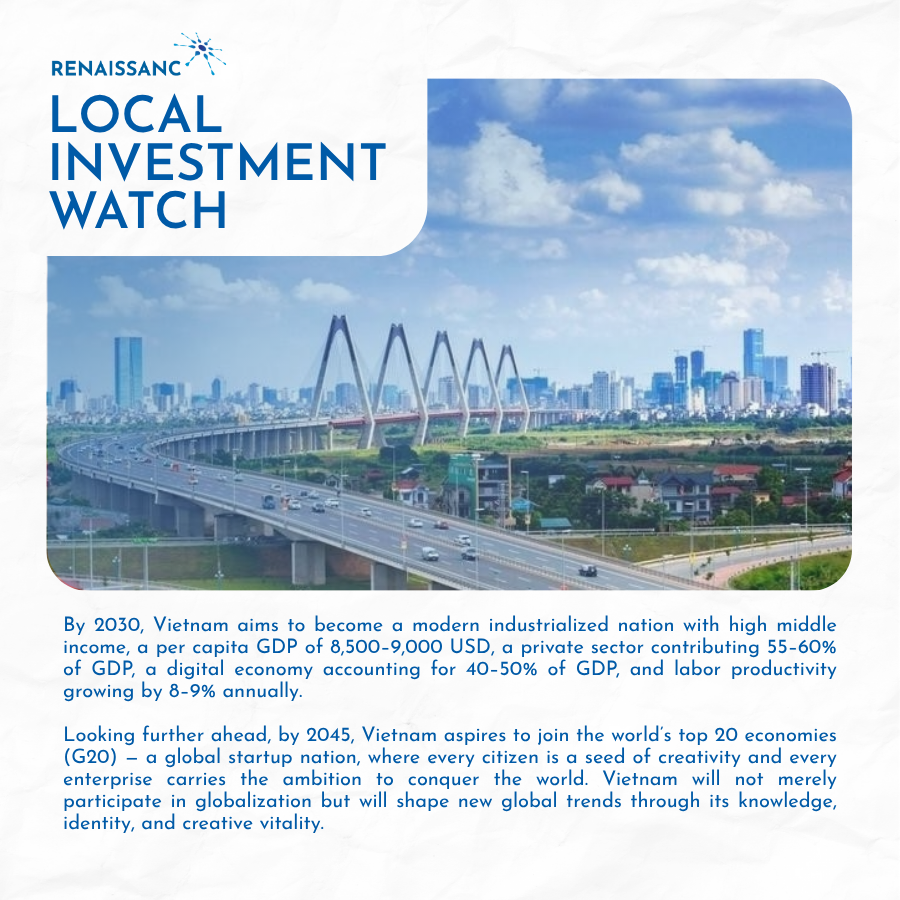
Vietnam’s 2030 vision: Creative. Green. Global.
A startup nation where innovation, education, and private enterprise shape a self-reliant future.
#Vietnam2030#Innovation#StartupNation#Renaissanc
Vietnam issues Circular 24/2025, defining a new 4-level classification for science and technology — from 6 broad fields to 1,780 research subfields. A step toward a more structured scientific ecosystem.
#Renaissanc#VietnamScience