#DailyFieldNotes - Day3
Fertilizer is not a substitute for soil testing.
Applying nutrients without knowing what the soil needs can lead to inefficient fertilizer use, costs, and nutrient imbalance.
Test the soil. Know the need. Feed the crop accordingly.
#ReponseAgronomy
Value addition in action: Processed watermelon — popsicles, fresh cubes and juice. Natural, nutritious and market-ready. Reducing post-harvest loss, increasing farmer income.
Which one would you try? #ValueAddition#ReponseAgronomy
For banana, harvesting at right maturity, shade handling, and quick transport to market reduce rot. Even damaged bunches can be processed into flour or animal feed instead of dumping.
Well said. Food loss after harvest is a major challenge for banana value chain. Improved handling, storage, collective marketing and processing can reduce loss. Composting rejects returns nutrients to soil.
#BananaFarming#ReponseAgronomy
Food waste uses almost a third of the world's agricultural land for food that is never eaten. We cut forests, use water, apply fertilizer... to grow food that rots. That's not a farming failure. That's an environmental failure.
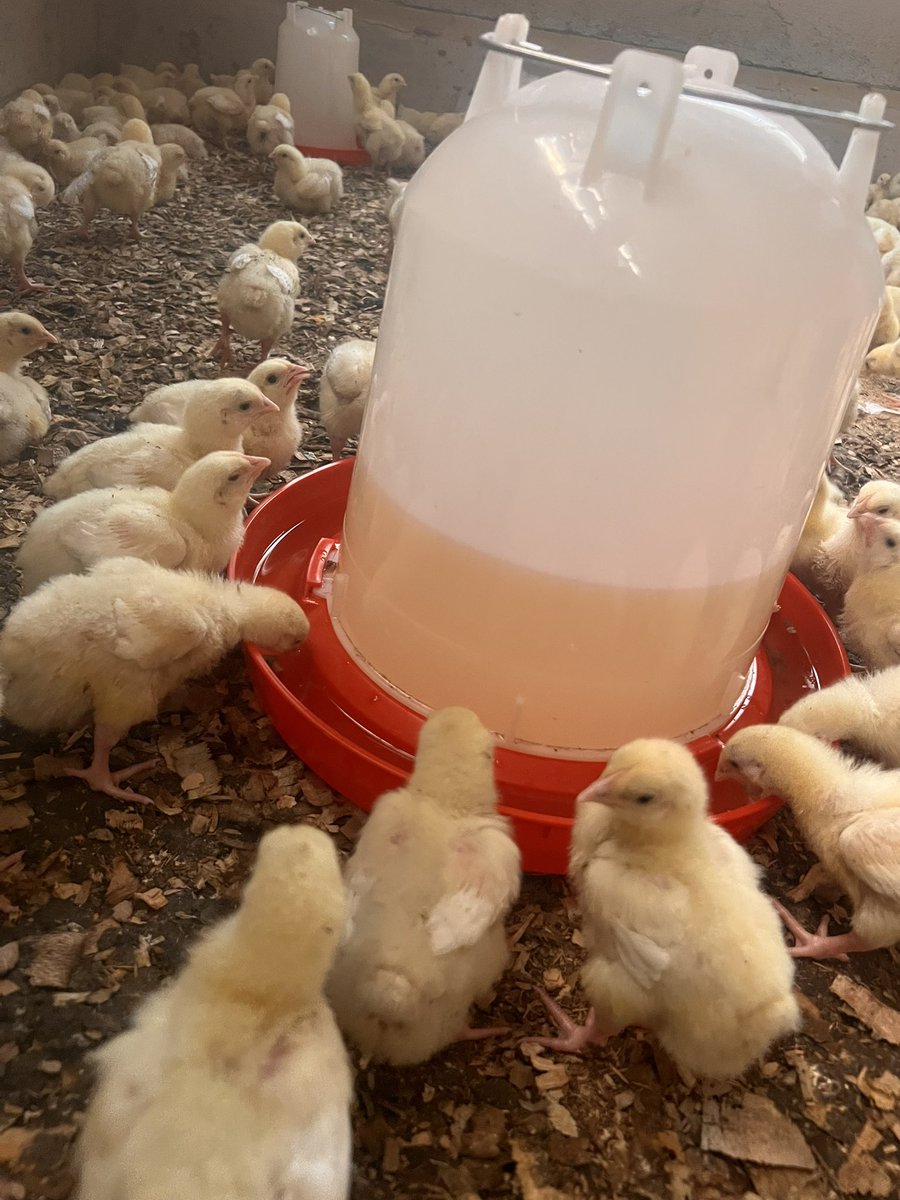
Additionally, place drinkers at back height and avoid wet litter around drinkers to reduce disease. Clean water plus good hygiene means better weight gain.
Turagira inama yo guhora dusukura ibikoresho by'amazi no guha inkoko amazi meza igihe cyose. Clean water improves growth and feed efficiency. Keep drinkers clean. #poultryfarming#ReponseAgronomy
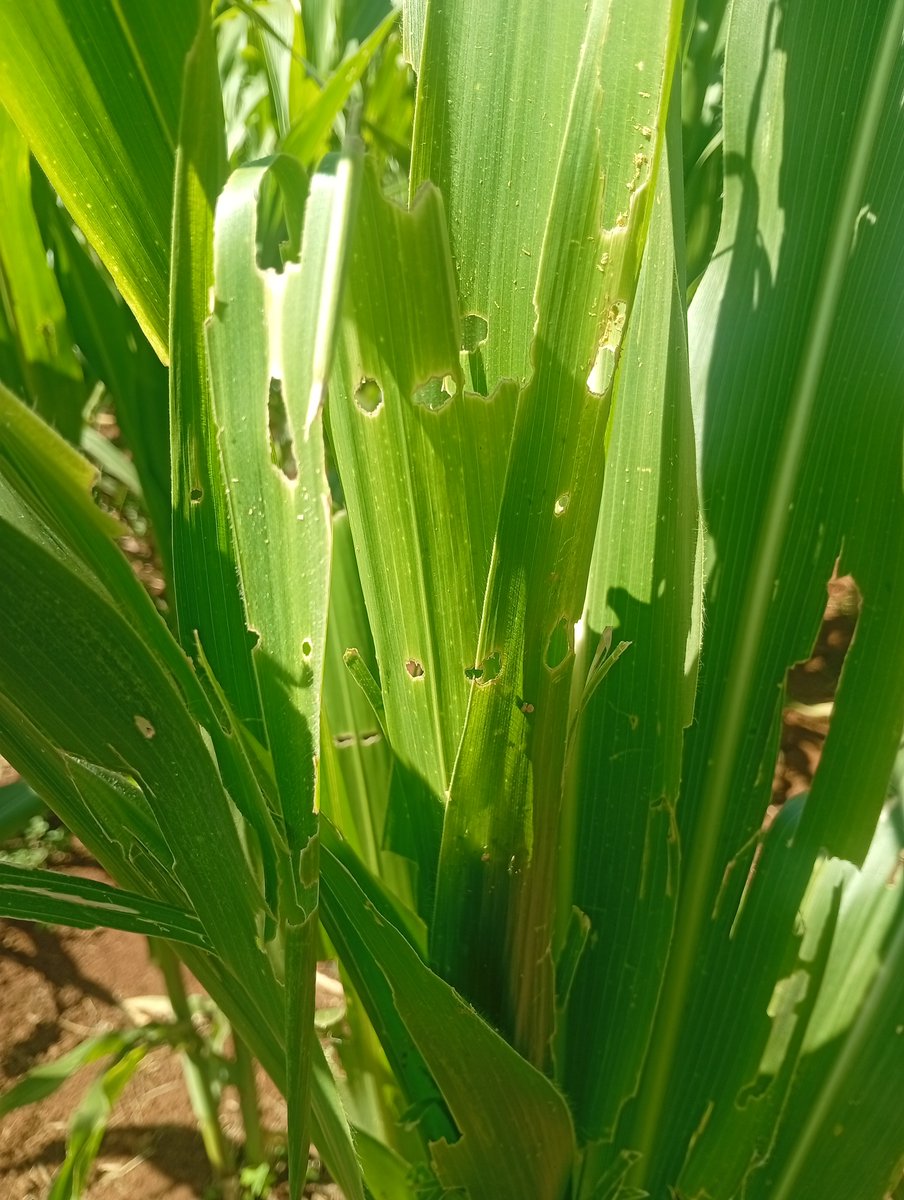
True, pest damage can erase weeks of work. This looks like fall armyworm feeding on maize. We advise early scouting, handpicking, preserving natural enemies and applying targeted biological control. Early intervention protects yield. #MaizeFarming#ReponseAgronomy
For long term control, avoid broad spectrum chemicals alone. Encourage beneficial insects, keep field clean and monitor new flush regularly. Feel free to contact for detailed scouting protocol.
Leaf curl and bumps on young citrus likely from psyllid and aphids. Advise pruning shoots, neem oil and insecticidal soap, balanced nutrition and monitoring for citrus greening disease. Early action limits spread.
#CitrusHealth#ReponseAgronomy
Great use of homestead space! Sugarcane can thrive at home if well managed. We advise proper spacing, soil fertility and pruning of old leaves for better yield and hygiene.
#UrbanFarming#Sugarcane#ReponseAgronomy
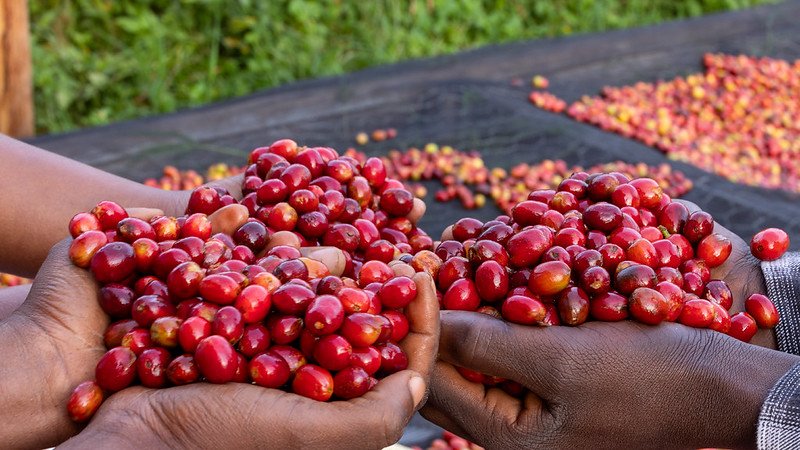
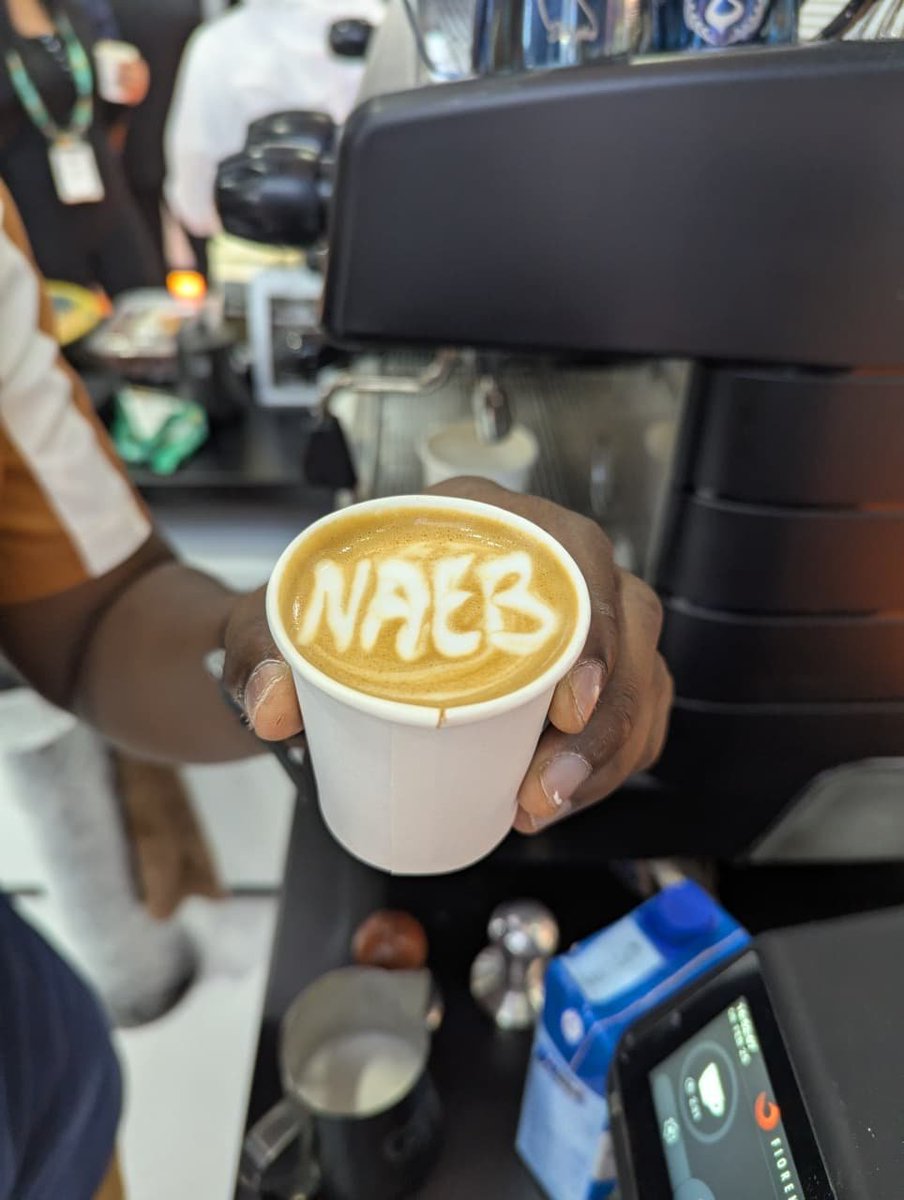
Happy International Coffee Day 2026! Every cup begins with farmer decision to plant and care. Rwanda coffee is symbol of resilience and quality. We advise sustainable practices and fair market access so farmers benefit more. #RwandaCoffee#ReponseAgronomy
☕ INTERNATIONAL COFFEE DAY 2026 | CELEBRATING COFFEE, HONOURING THE PEOPLE BEHIND EVERY CUP 🌍🇷🇼
“Behind every cup of coffee is a story of hard work, resilience, dedication, and hope. Before coffee reaches our tables, it begins in the hands of a farmer who nurtures a seedling, protects the crop, cares for the soil, and works tirelessly to produce quality beans. Every cup carries the sweat of farmers, the expertise of processors, the commitment of exporters, and the passion of everyone who contributes to the coffee value chain. Today, we celebrate not only the coffee we drink but also the people whose efforts make every cup possible.
On this International Coffee Day, we recognize coffee as more than a beverage. It is a source of livelihoods for millions of families, a driver of economic growth, a bridge between cultures, and an important opportunity for rural development. For many smallholder farmers, coffee represents school fees for their children, food for their families, access to healthcare, and the hope of building a better future. When we invest in coffee farmers, we invest in people, communities, and the future of agriculture.
For Rwanda 🇷🇼, coffee is a symbol of resilience, quality, and national pride. From the fertile hills where coffee trees grow to the washing stations, processing facilities, and international markets where Rwandan coffee is appreciated, every stage reflects the determination of the people behind this valuable crop. Our coffee sector demonstrates how agriculture can connect rural communities to global markets while creating opportunities for farmers, young people, entrepreneurs, and businesses.
However, celebrating coffee must also remind us of the work that remains. Coffee farmers deserve fair opportunities, reliable market access, improved productivity, climate-resilient farming practices, and greater value for the quality they produce. Climate change, rising production costs, pests, diseases, and market uncertainties continue to challenge coffee production. Building a stronger coffee sector requires collaboration among farmers, cooperatives, researchers, agronomists, exporters, policymakers, investors, and consumers.
The future of coffee depends on how we act today. We must promote sustainable agricultural practices, protect soil health, conserve water, improve coffee quality, embrace innovation, and encourage young people to see agriculture as a business full of possibilities. We must also strengthen the connection between farmers and markets so that the people who work hardest at the beginning of the value chain can benefit more from the value created along the way.
This International Coffee Day, let us remember one powerful truth: a great cup of coffee begins long before the first sip. It begins with a farmer's decision to plant, the care given to every coffee tree, the knowledge applied in the field, and the determination to overcome challenges season after season. Every cup is an opportunity to appreciate this journey and recognize the human effort behind it.
Let us celebrate the farmers. Let us recognize the workers. Let us support the innovators. Let us strengthen our coffee value chains. And let us build a future where coffee production is not only about producing excellent beans but also about protecting the environment, improving livelihoods, creating decent jobs, and ensuring that farming communities share in the benefits of their work.
Today, when you enjoy your next cup of coffee, remember the people behind it. Their hands grow the beans, their dedication sustains the industry, and their work connects Rwanda to the world.
Happy International Coffee Day 2026! ☕🌱
Coffee is more than what we drink. It is the livelihood we support, the people we honour, the environment we protect, and the future we build together.
#InternationalCoffeeDay #RwandaCoffee #NAEB #SmartFarmers
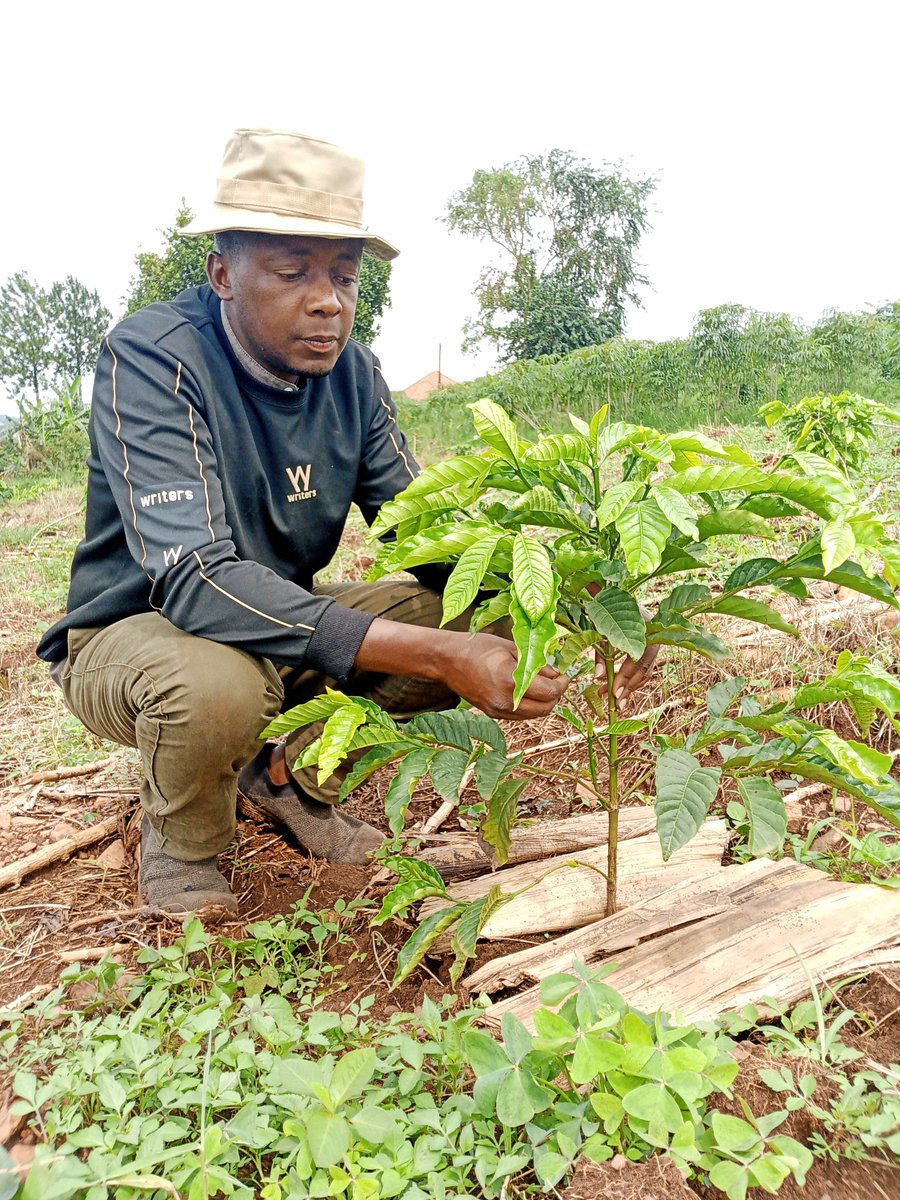
Promising KR7 growth from April in Nsasa, Uganda. High yielding Robusta clone resistant to Coffee Wilt Disease and red blister. We advise proper spacing, mulching and GAP for resilience and profit. Great work from Uganda! #UgandaCoffee#CoffeeFarming#ReponseAgronomy
I planted this KR7 in April this year here in Nsasa/Namugongo and it already looks promising.
KR7 coffee is a high-yielding, disease-resistant Robusta coffee clone.
It resists Coffee Wilt Disease (CWD) and red blister disease, which protects farms from massive crop losses.
Well said! Progress is not yield alone. Profitability, resource efficiency, quality, resilience and farm condition after harvest matter. We advise tracking costs, soil health and market value for sustainable farming.
#SustainableFarming#ReponseAgronomy
Don’t measure agricultural progress only by yield. Look at profitability, resource efficiency, product quality, resilience, and the condition of the farm after harvest.
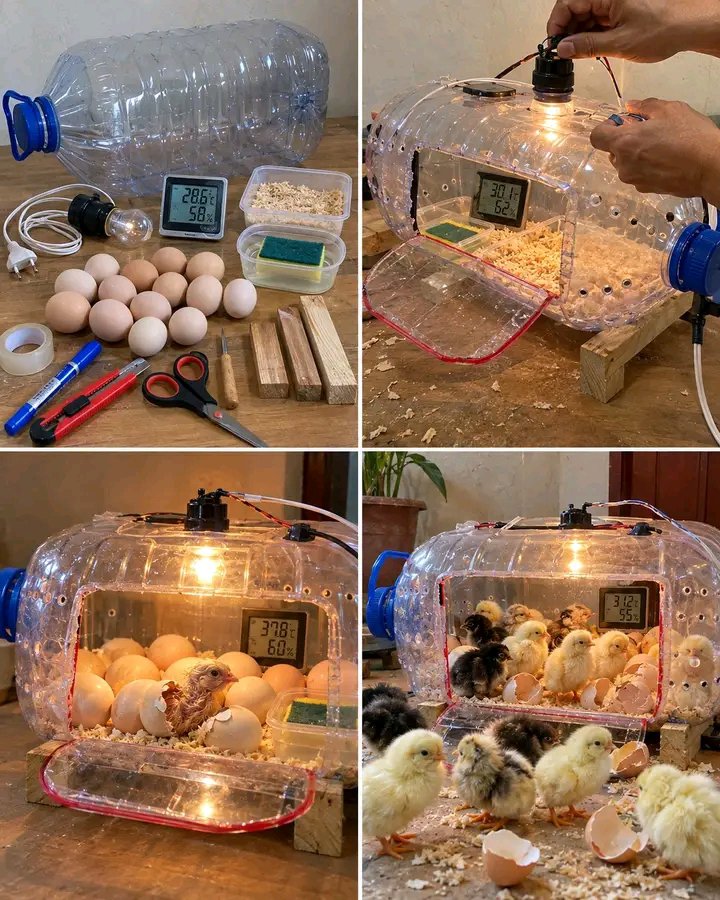
Innovation with local materials for incubation. Creativity shows opportunities in agriculture. We advise 37.5C, 55 to 65 percent humidity, turning and ventilation for hatchability.
#PoultryFarming#ReponseAgronomy
Did you know?
With creativity and proper temperature and humidity control, simple materials can be turned into an incubator for hatching eggs.
Agriculture is full of opportunities for those who dare to innovate!
@JoelOptimist1 Well documented. Clove basil common in home gardens with strong aroma. We advise small herb production for culinary and dried leaf market after assessing local demand and handling.
Well said! Agriculture is enterprise, not last resort. Greenhouse tomato shows value chain from seed to market. We advise starting small, controlling costs and reinvesting to scale. Farming is decision to build. #GreenhouseFarming#ReponseAgronomy
The next great wealth opportunity in Africa may not be sitting in a tech hub, bank, or corporate office. It may be growing in a greenhouse.
For years, young Africans have been encouraged to pursue white-collar careers. But agriculture deserves to be seen differently, not as a last resort, but as a serious business opportunity.
Modern agriculture is much more than planting and harvesting.
A tomato farmer can participate in an entire value chain: seeds & seedlings, irrigation, production, processing & packaging, logistics, marketing, value addition.
When you understand your market, control costs, reduce losses, improve quality, and reinvest your profits, a farm becomes more than land, it becomes an enterprise.
So don't only ask:
❌ What can I plant?
Ask:
✅ What problem can I solve?
✅ What demand can I serve?
✅ What agricultural business can I build?
You don't need to start with 100 hectares. Start with what you can manage. Learn. Measure. Improve. Reinvest. Scale.
The opportunity in agriculture isn't only in what you grow. It's in what you build around what you grow.
Farming is not a sign that you failed. It can be a decision to build.
The future of African agriculture will be built by those who treat farming as an enterprise, not merely an occupation.
#TomatoFarming
#GreenhouseFarming
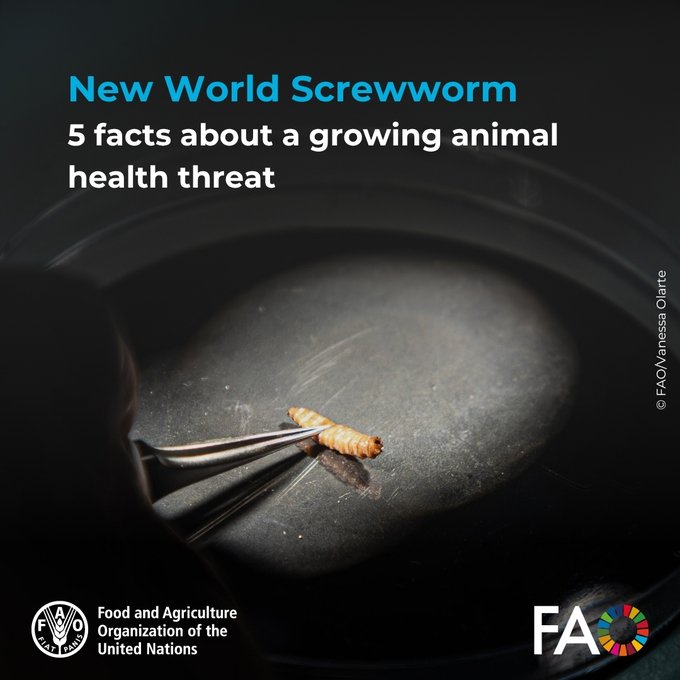
Important livestock alert. New World Screwworm causes serious myiasis in animals. We advise surveillance, wound care and reporting to veterinary services. Thanks FAO for awareness. #AnimalHealth#ReponseAgronomy
Despite its name, the New World Screwworm isn’t a worm.
Here are 5 facts you need to know about this growing animal health threat.
🔗 https://t.co/bJO8O6LIJa
#AnimalHealth#NewWorldScrewworm