$RQT is live on @RobinhoodApp
CA: 0xf00f9539cf4c81d082e811985615c75271bc02aa
One market open: TSLA against USDG, supply capped at 2,000 while this thing proves itself.
Withdrawals and repayments cannot be paused. Addresses are on site, verify them before signing.
https://t.co/dM6udYSVti
Borrowing and repaying need no token at all.
$RQT covers premium behavior: higher borrow limit for a set period, wider reserve buffer during drawdown, better routing for self-repay.
Part of premium fees collected in $USDG buys that token back and burns it.
Blue chip lenders take ETH and BTC and ignore everything smaller.
Protocols that accept low liquidity tokens usually skip risk controls and end up holding collateral nobody bids on.
@RequiteVault sets a liquidity floor, prices off a 30 minute average, isolates every position, and softens the exit path.
We are not waiting for health to break, then sell your collateral into a thin pool.
Requite Vault moves earlier: at a health factor of 1.15 the reserve is unwound and part of the debt repaid, which lifts you back above 1.3. Your tokens stay in the vault.
Forced sale exists as the final option.
Turn on self-repay and half of what you borrowed goes to work: base sits in the Morpho USDG pool near 7%, a capped slice holds tokenized index tokens.
That yield is applied to your interest instead of landing in your wallet. In a calm market the balance moves down without you.
Your collateral goes into the vault contract and stays there. Nothing gets routed to an exchange, so no order appears and nobody trades against you.
USDG comes out of the lender pool at your borrow limit, and right now one market runs live: TSLA against USDG, supply capped at 2,000 USDG while the thing is still young.
Part of what you borrowed goes straight back to work as ballast. It earns, and that yield gets applied to your debt without you pressing anything.
When price falls and your health drops under 1.15, Keel spends that ballast instead of your collateral.
It repays the debt in chunks, and because the debt is smaller afterwards, the thresholds underneath you step down too. Forced sale waits at 1.00, reached only once ballast runs out.
Repay whenever you want and collateral leaves the vault in the same block. Vault, position manager and collateral registry addresses are published, so verify them before you send anything.
Two tiers:
Tokenized stocks priced by Chainlink, at up to 65%.
Graduated https://t.co/Zx23aLE4ZK tokens with at least 50k $USDG of locked liquidity, at a 20% borrow limit.
Deeper markets earn higher limits.
Connect a wallet on Robinhood Chain.
Pick token from the collateral list and choose amount.
Confirm, and $USDG lands in the same transaction.
Repaying works the same way in reverse.
$RQT is live on @RobinhoodApp
CA: 0xf00f9539cf4c81d082e811985615c75271bc02aa
One market open: TSLA against USDG, supply capped at 2,000 while this thing proves itself.
Withdrawals and repayments cannot be paused. Addresses are on site, verify them before signing.
https://t.co/dM6udYSVti
$RQT is borrowable now. Deposit, draw USDG, repay whenever, collateral returns in the same block.
Ran the whole loop from a dev wallet before saying anything. It behaves.
https://t.co/40cXdc8yT9
A token with a 500k pool cannot absorb a 30k sell.
Price drops 15-30% before your order fills, and you pay that out of your own position.
Borrowing skips the order book entirely.
First USDG drawn against collateral in the vault.
Position stayed put, nothing hit a pool, debt now sits there quietly shrinking.
Cap is 2,000 USDG and stays that way until timelock says otherwise.
https://t.co/EL71mk7LOz
Requite Vault lets you borrow cash against tokens you own without selling them.
Your token goes into a vault, $USDG comes to your wallet, and you get the position back when you repay.
Everything else in this thread of posts explains one piece of that.
For anyone who has sat through a real drawdown: what did you throw overboard at the bottom that you would still be holding today?
Most of those decisions had nothing to do with conviction. Rent was due and cash had to come from somewhere.
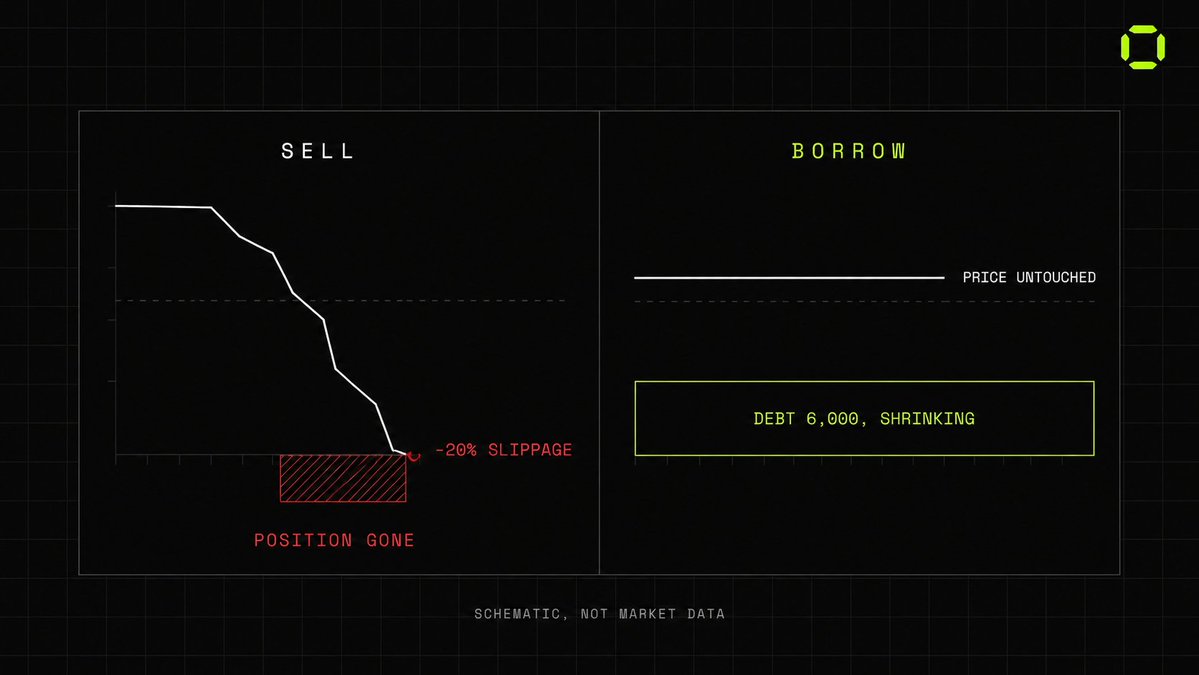
You need 6,000 against a 30,000 position. Two ways to get it.
Selling puts your order into a 500k pool, and roughly a fifth of the value disappears into slippage before the cash lands. You end the day with money and no position.
Borrowing never touches the pool. Price stays where it was, tokens sit in the vault, and you owe 6,000 that shrinks on its own as reserve yield gets credited against it. You end the day with money and the position still yours.
Crews taking on water can throw cargo overboard or shift ballast. Throwing is faster. Shifting is why the cargo still arrives.
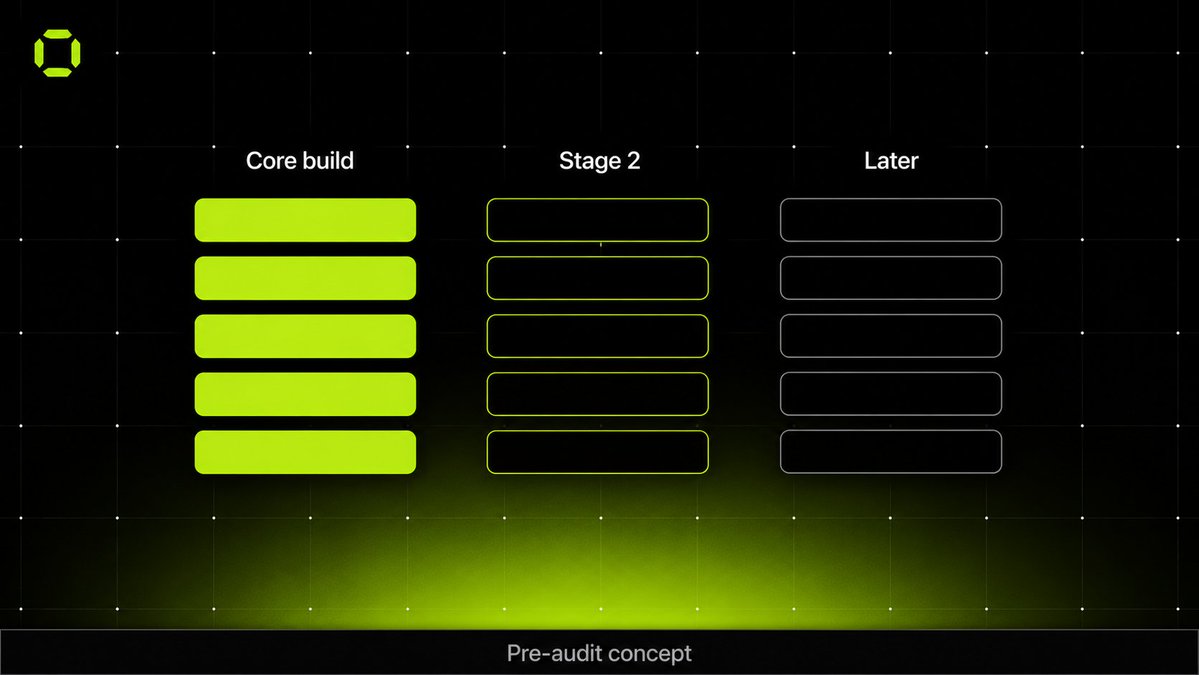
Where we at right now:
Core build: collateral intake, pricing, $USDG lending, liquidation through Uniswap.
Stage two: self-repay reserve, Keel deleverage, stock collateral.
Later: staking tiers.
Second collateral tier: tokenized stocks on Robinhood Chain. Chainlink pricing, deeper market behind them. Borrow limit up to 65%.
Weekends need a rule. Token trades Saturday, stock market does not, and Monday can open somewhere else.
Vault cuts your limit and raises the safety threshold before Friday close, so that move lands on a position already standing back from it.
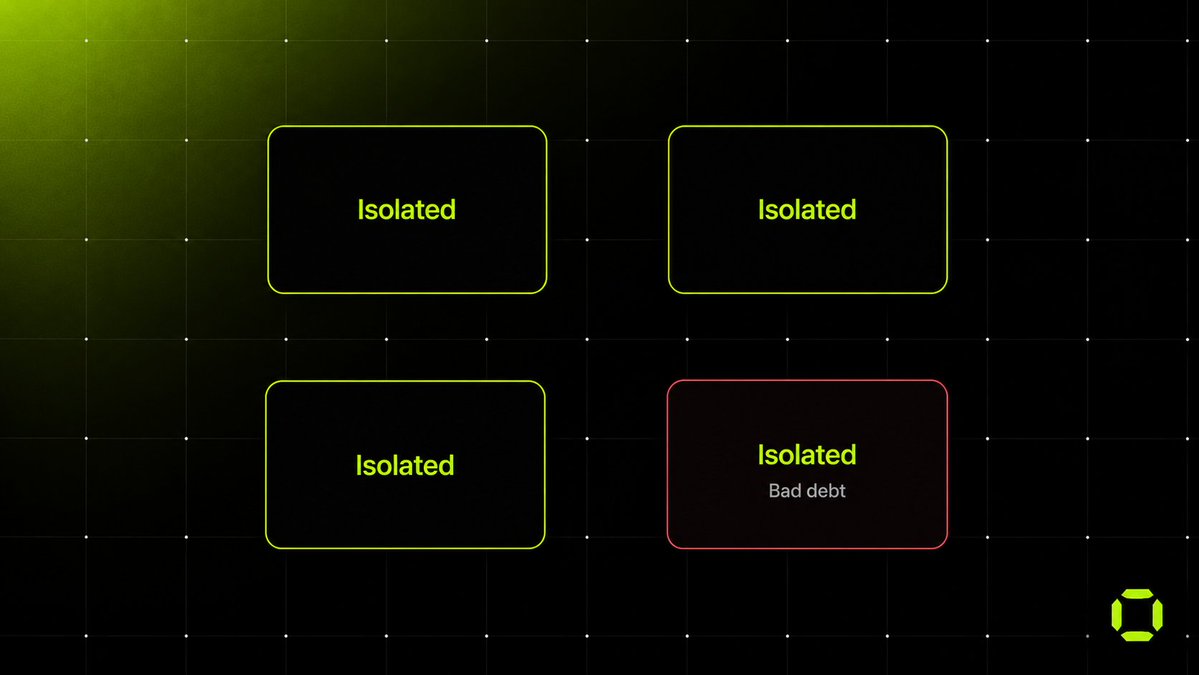
Every loan here stands on its own.
No shared pool sits underneath, so a stranger's blown position cannot reach your collateral. Whoever creates bad debt keeps it.