📣 TU Darmstadt offers a full-time Research Associate / PostDoc position in the ERC project "Tools for Protecting Data and Function Privacy".
🗓️ Apply by 8 November here (initial date, later applications will be accepted until position has been filled) 👉 https://t.co/XrtUJxZzUM
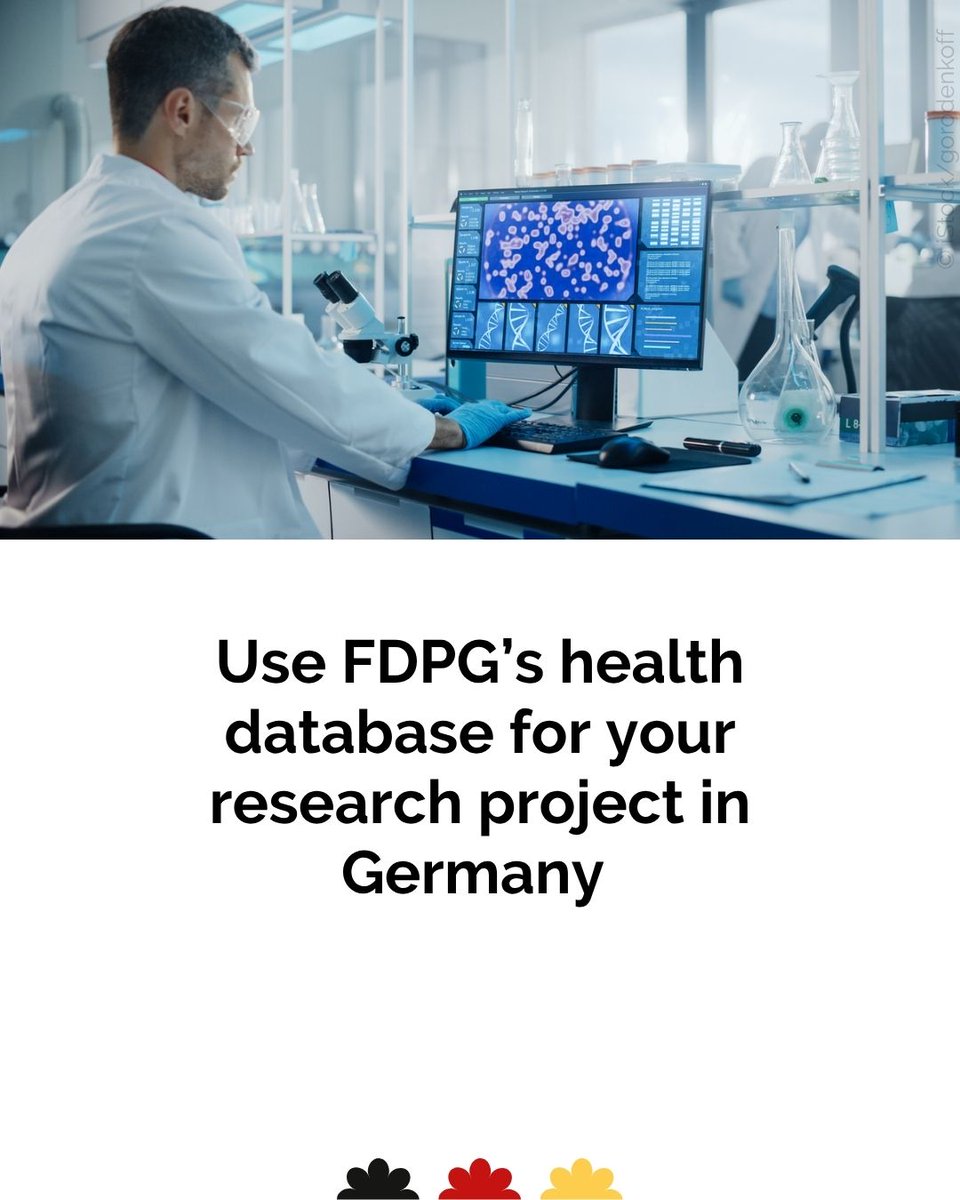
You are researching in Germany and need data for cross-location research? Register on The German Research Data Portal for Health (FDPG) and log in on their website to use a wide range of data for your research project 👉 https://t.co/IA4axOCLld
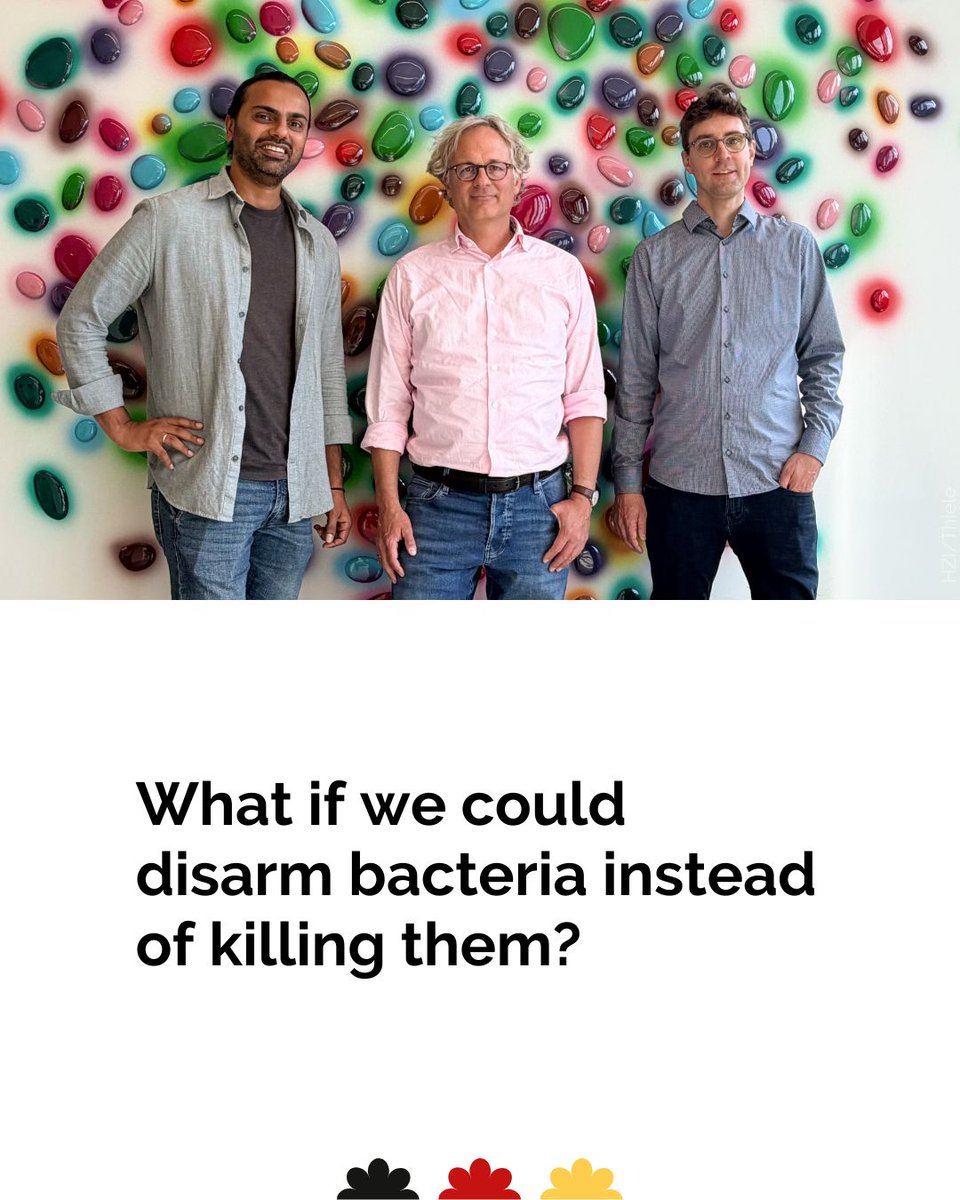
💊Researchers at @Helmholtz_HZI are changing the rules of the race against antibiotic resistance by developing a #pathoblocker that disarms a dangerous bacterium instead of killing it. #AMR
Learn how they are contributing to #MedicineOfTheFuture 👉 https://t.co/CoeJkxQV9n
The Max Planck Schools offer three different programmes! 🔬 Calls for applications are open in the following fields: @MPS_cog PhD, @mps_bmai, AI PhD and cognition & photonics.
📅 Application deadlines vary!
👉 https://t.co/AgZQetresj
#FundingFriday
Advancing the medicine of the future also means taking risks in research. 🧬
Klaus Tschira Boost Fellow Tim Warwick explores how genetic variation may influence disease risk and shares what helps when research outcomes are uncertain.
Read more 👉 https://t.co/67ZIib53hG
📣 The University Hospital Bonn offers 10 PhD positions in the new DFG Research Training Group „Urban Future – managing transformations for a better health in blue cities“.
🗓️ Apply by 2 November and find more information in the PhDGermany-database 👉 https://t.co/BbroRSQXMT
🏥💻 Germany’s healthcare system is going digital. What’s in it for you? The gesund.bund website explains everything you need to know about health and digitalisation in Germany. 👉 https://t.co/sebyBYZr0Z
Every cell has a story to tell – and Ashley Sanders builds the tools to read it. In her lab at the Max Delbrück Center, she investigates the first changes in single cells in order to stop disease before it begins. @sanders_lab#MedicineOfTheFuture
How can AI improve care for people with Parkinson's disease? At TH OWL's inIT, Dr. Christoph-Alexander Holst and team work with Klinikum Lippe on PD Assist / PD Assist+ — AI-powered digital solutions. Find out more 👉 https://t.co/JMKpLbjUy7
After being on many scientists’ shortlists for years, the 2026 Nobel Prize in Physiology or Medicine recognized optogenetics — a technology that allows researchers to control the brain’s neurons with pulses of light
https://t.co/ZdSODL9EVX
Curiosity often sparks scientific breakthroughs. For 2026 medicine laureate Peter Hegemann, it began with a question: how could a tiny green alga called Chlamydomonas react so rapidly to light?
The Chlamydomonas algae is famous for its ability to swim towards light. When the alga is stirred into a petri dish, the liquid turns a faint green colour. If one side of the dish is illuminated, the green colour moves towards the light source, as the microscopic algae swim towards it. The algae sense the light with an eyespot, a dot on the cell’s surface that contains a light-capturing molecule, retinal.
Hegemann discovered electrical signals in the light-sensitive eyespot that occurred just half a millisecond after illumination, far faster than the response of the human eye. He could only think of one explanation for this ultrafast response: the process must be much simpler than in a human eye. He proposed that a single protein could both detect light and act as an ion channel, an idea initially met with scepticism.
After years of experiments with his colleague Georg Nagel, Hegemann's hypothesis proved to be correct. Together, they discovered proteins that functioned exactly as he had predicted: ion channels that opened in response to light. This breakthrough laid the foundation for optogenetics, a revolutionary technique that allows scientists to control individual nerve cells with light. What began as a question about a microscopic alga ultimately helped transform the field of neuroscience.
Read more about the newly awarded 2026 Nobel Prize in Physiology or Medicine: https://t.co/UkNVNYb0xU
BREAKING NEWS
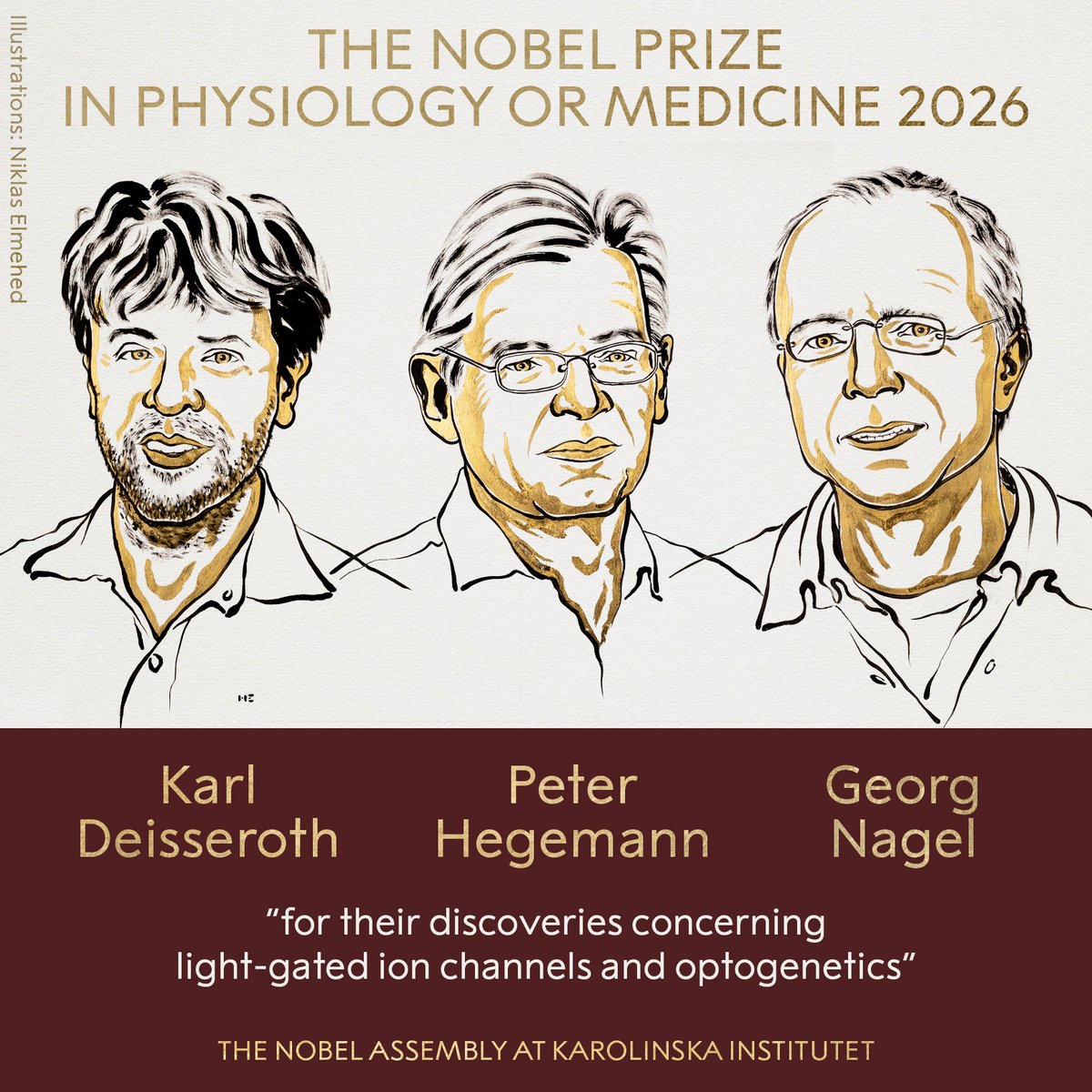
The 2026 #NobelPrize in Physiology or Medicine has been awarded to Karl Deisseroth, Peter Hegemann and Georg Nagel “for their discoveries concerning light-gated ion channels and optogenetics.”
🎓Germany is the most popular non-English-speaking host country for international students. Around one in ten of the approximately three million students comes from abroad.
You can read here why Germany is so popular:
https://t.co/NnkT7OmSKJ
Why do artificial joints loosen after some time? A team from @ruhrunibochum wants to answer this question, using human cells and 3D-printed chips – no animal testing is required! 👉 https://t.co/LFGiplOmCK
Want to take your PhD research to Germany? 🇩🇪 The DAAD Future Network Weimar Triangle supports research stays and connects researchers from Germany, France & Poland working on key future challenges. 📅 Apply by 2 November 2026 👉 https://t.co/uSoyeutcda #FundingFriday
🧪 The Institute of Molecular Biology in Mainz offers 15 PhD positions as part of their International PhD Programme in Gene Regulation, Epigenetics & Genome Stability.
🗓️ Find more information on PhDGermany (page 2 and 3) and apply by 15 October here 👉 https://t.co/PwqVZxtaDQ
🤝 Are you looking for opportunities to connect, learn and advance your research career?
📆 Here are some of the upcoming events for researchers in October 2026 you won’t want to miss! 👉 https://t.co/LsfftY37sb
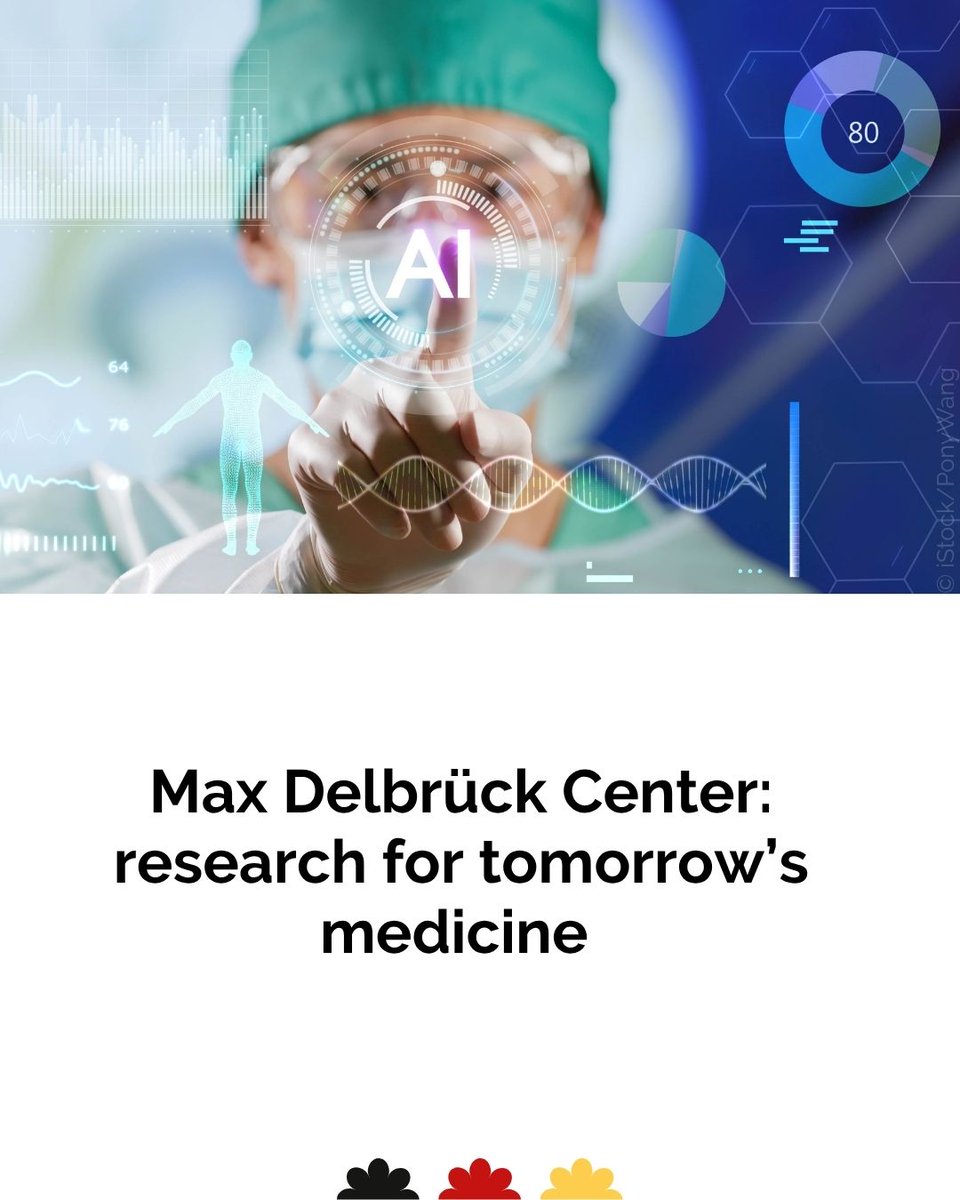
🔬 Want your research to shape the future of medicine? The Max Delbrück Center for Molecular Medicine brings together scientists working on cell-based medicine, molecular therapies, immunology, AI and single-cell research. 👉 https://t.co/qkmuJUqesO
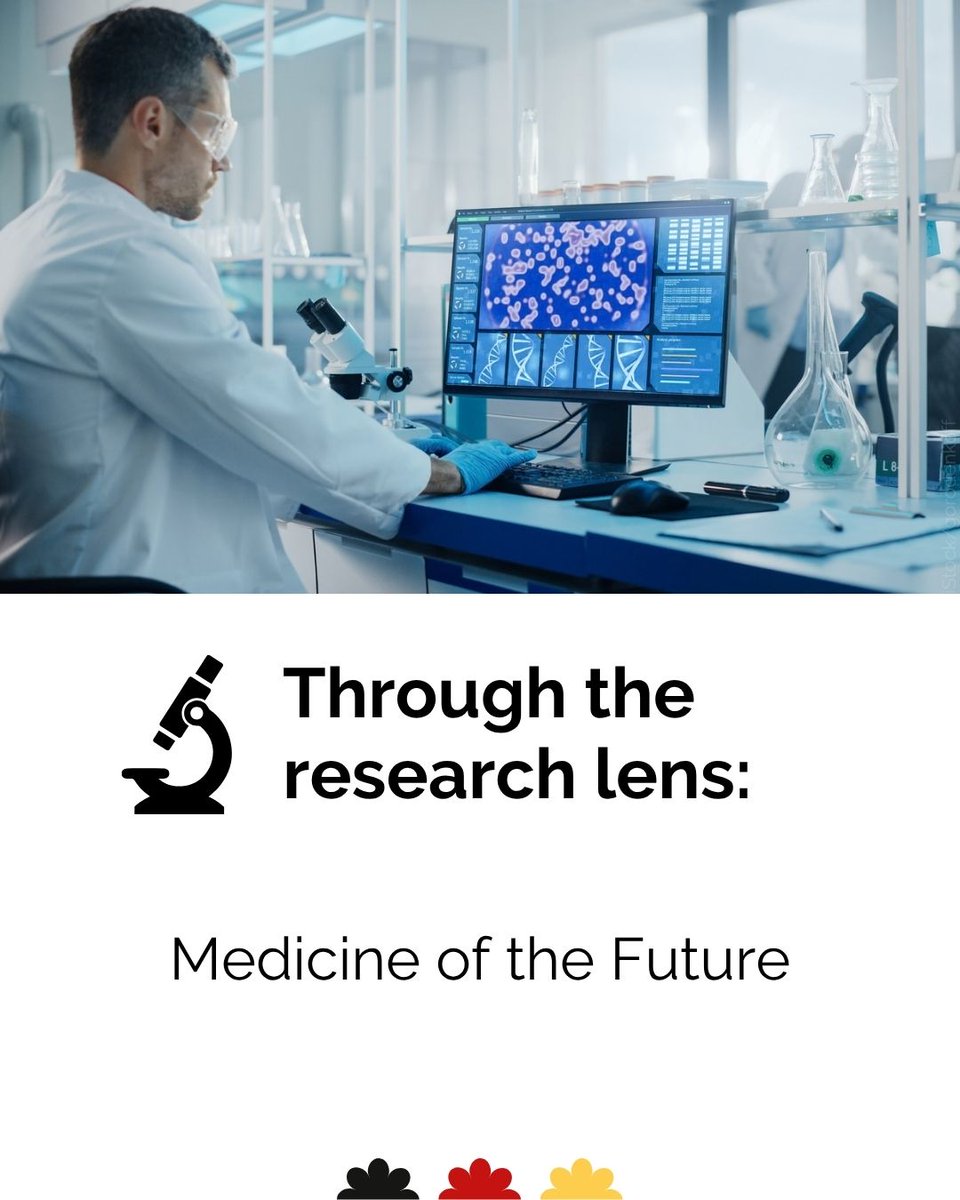
🩺Are you interested in what the medicine of the future looks like? 👉 https://t.co/IyXK8Ue72J
Explore this month's featured partners, and discover the latest groundbreaking research from a single-cell search engine to AI in clinical practice.
Ready to lead your own research group? 🫀🔬 The DZHK Junior Research Group Fellowship supports postdocs in translational cardiovascular research with up to €300,000 per year for up to 6 years. 📅 Apply by 30 November 2026 👉 https://t.co/EriH0fxJ2Q #FundingFriday