Re:solve Global Health is a journalistic platform for insights, conversations and solutions to what is holding us back from building healthier societies.
#ChildhoodObesity is rising, and digital spaces are the new battleground. Ultra-processed foods & sugary drinks flood social media, games & ads, shaping kids’ diets. With 390M+ affected, prevention is critical, not just in schools, but online. Read more🔗https://t.co/jcVz9j83H4
400M+ people affected, up to 80% cases undiagnosed in LMICs. Following #WHA78, Professor Hossam Hosny urges action: make COPD care more accessible and address key risk factors. Without change, #COPD could cost the global economy $4.3T by 2050. Read more🔗https://t.co/58qi10I0yc
The brutal murder of a trainee in a Kolkata hospital exposed a system where 62.6% of healthcare workers face violence, especially women, marginalised groups & contract staff. @singh_jyotsna explores what must change. Learn more🔗https://t.co/YjLZ8Hq0I2
#Healthworkers are the foundation of care. 🩺
By 2030, the world could face an 11M health worker shortage. Building stronger systems means transforming education, expanding job creation, and supporting mental wellbeing.
Read Rachel's op-ed🔗https://t.co/MD3I6mQ4Q2
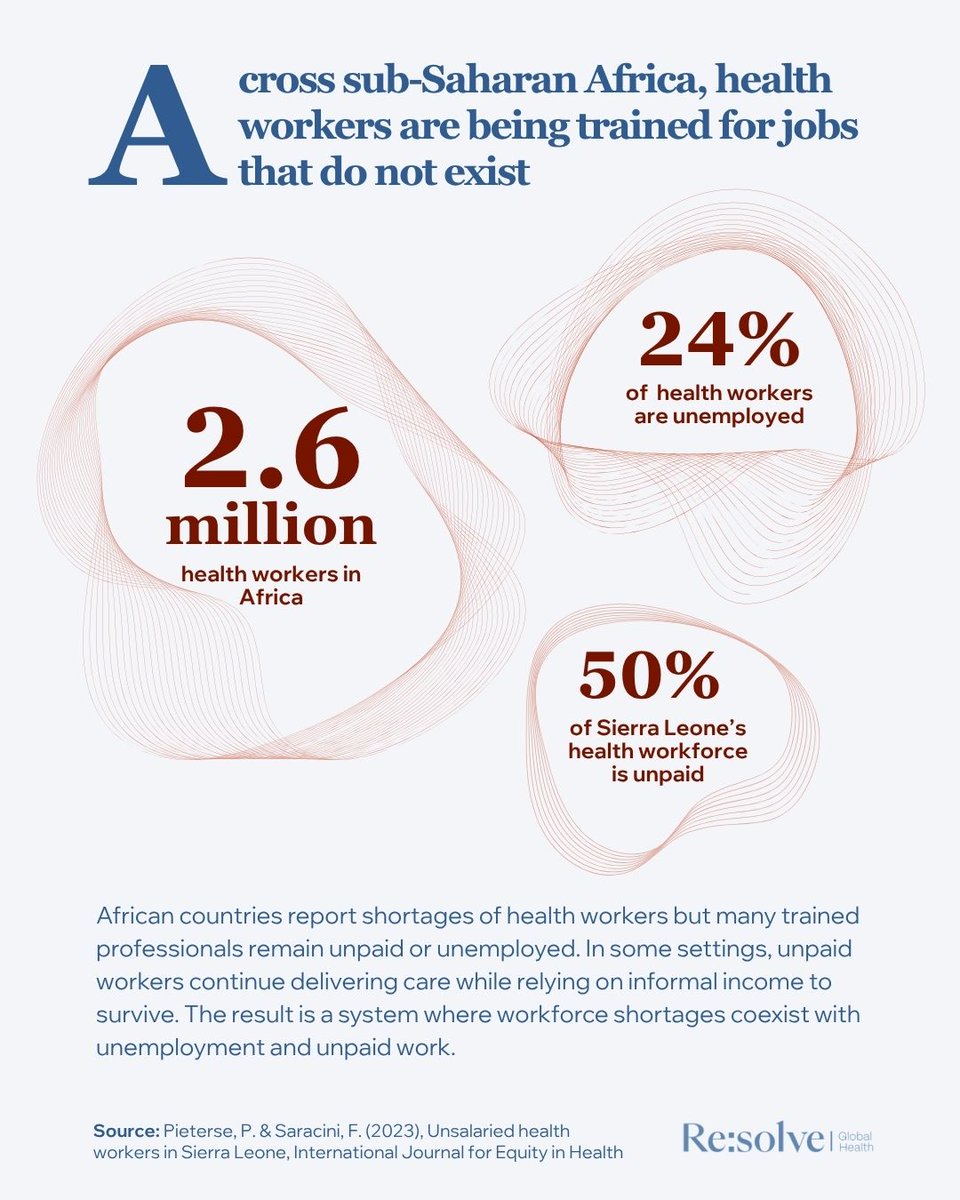
"Waiting to be put on payroll can be two… five… eight years." In SSA, 24% of trained health workers are unemployed while clinics are understaffed. This story argues for fair pay, better conditions, and coordinated govt planning to fix the health paradox🔗https://t.co/vOa2MdwRwR
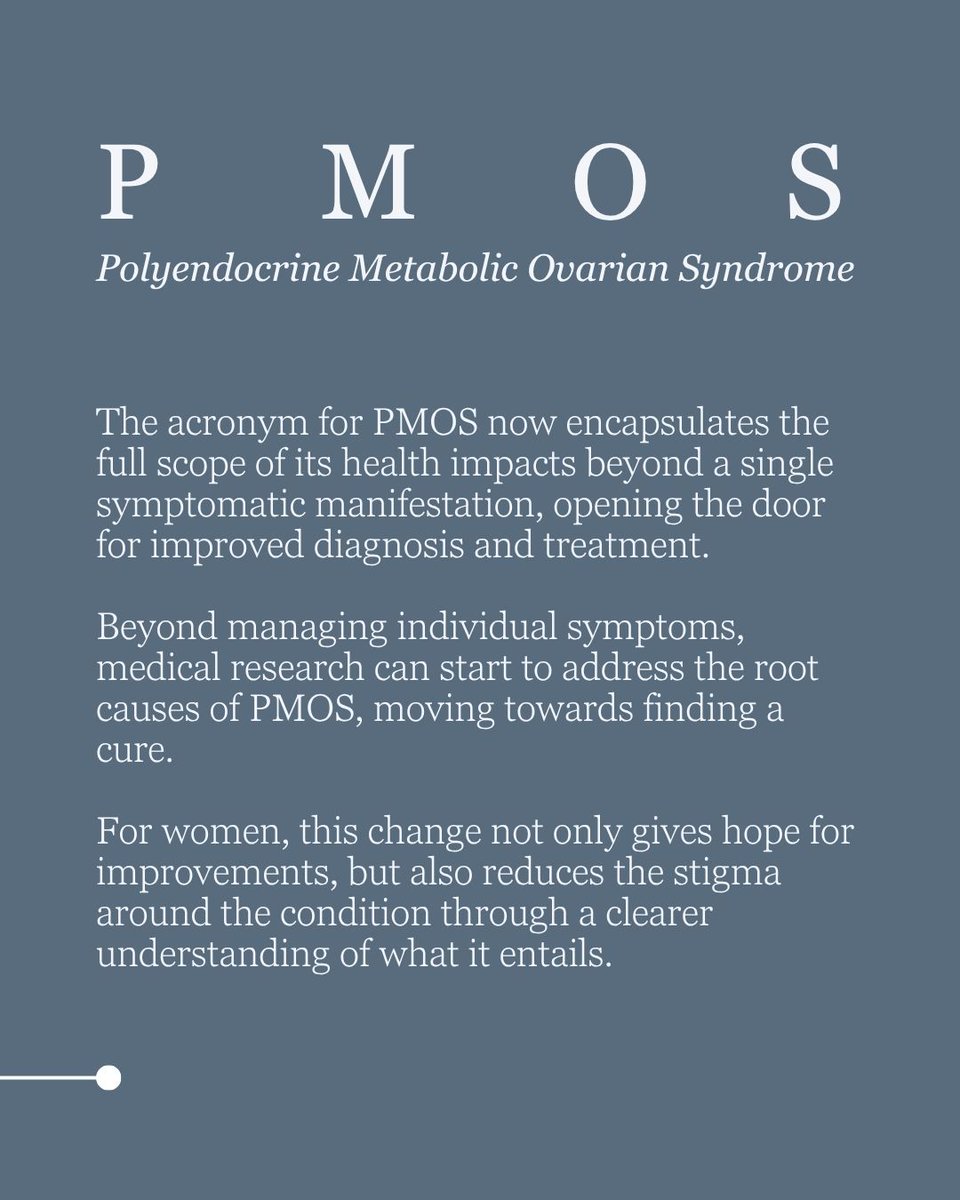
#PCOS is now #PMOS: Polyendocrine Metabolic Ovarian Syndrome. This new name shifts the focus beyond ovaries and medical preconceptions, giving hope for better diagnosis and holistic treatments through scientific research, for the 1 in 8 women living with PMOS worldwide.
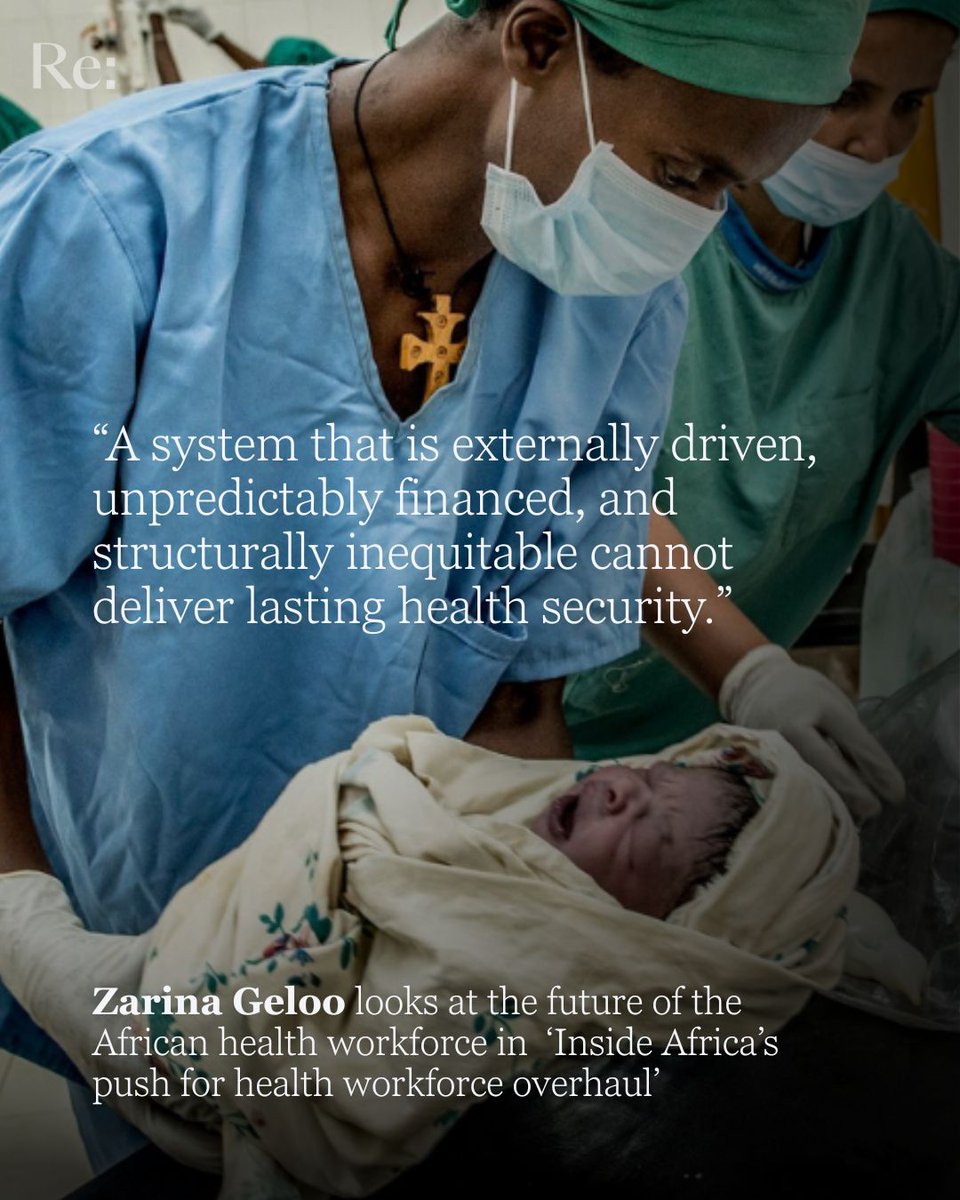
Africa’s health workforce gap is not just about training. @AfricaCDC is pushing for better absorption and retention as migration rises and job pathways stall. Nigeria and Malawi show what’s possible when training and service delivery align.
✍️Zarina Geloo🔗https://t.co/03SHY3vdFi
62% of #healthworkers in Southern India face workplace violence, affecting women, marginalized religions & lower castes, exacerbated by severe understaffing and unsafe conditions. Stay posted for Jyotsna Singh's article about public investment and safer workplaces in India.
"Leadership is not adjacent to reform. Leadership is the reform." Dr @JanetMuriuki: you can train and recruit, but without supported leaders, teams burn out and reforms stall. Treat leadership coaching as health workforce infrastructure and fund it🔗https://t.co/pmmxGDIj1d
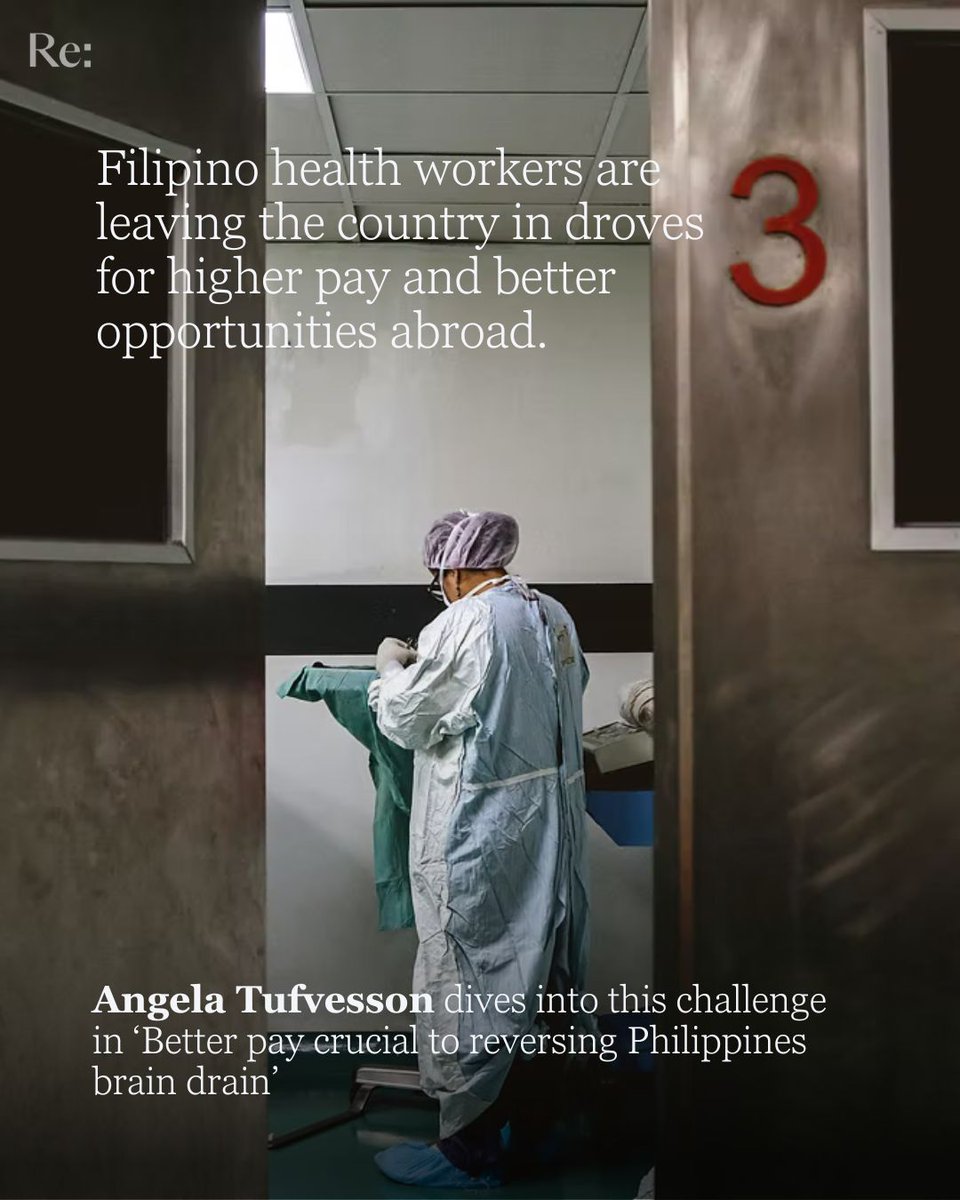
She earned 5x more abroad & the Philippines lost a nurse. Rose Castro left Cavite for Saudi Arabia as one of millions in a brain drain reshaping the health system. Low pay & unsafe workloads are driving this & equity is on the line⚖️
✍️@angelatufvesson
🔗https://t.co/O97FhP3e0d
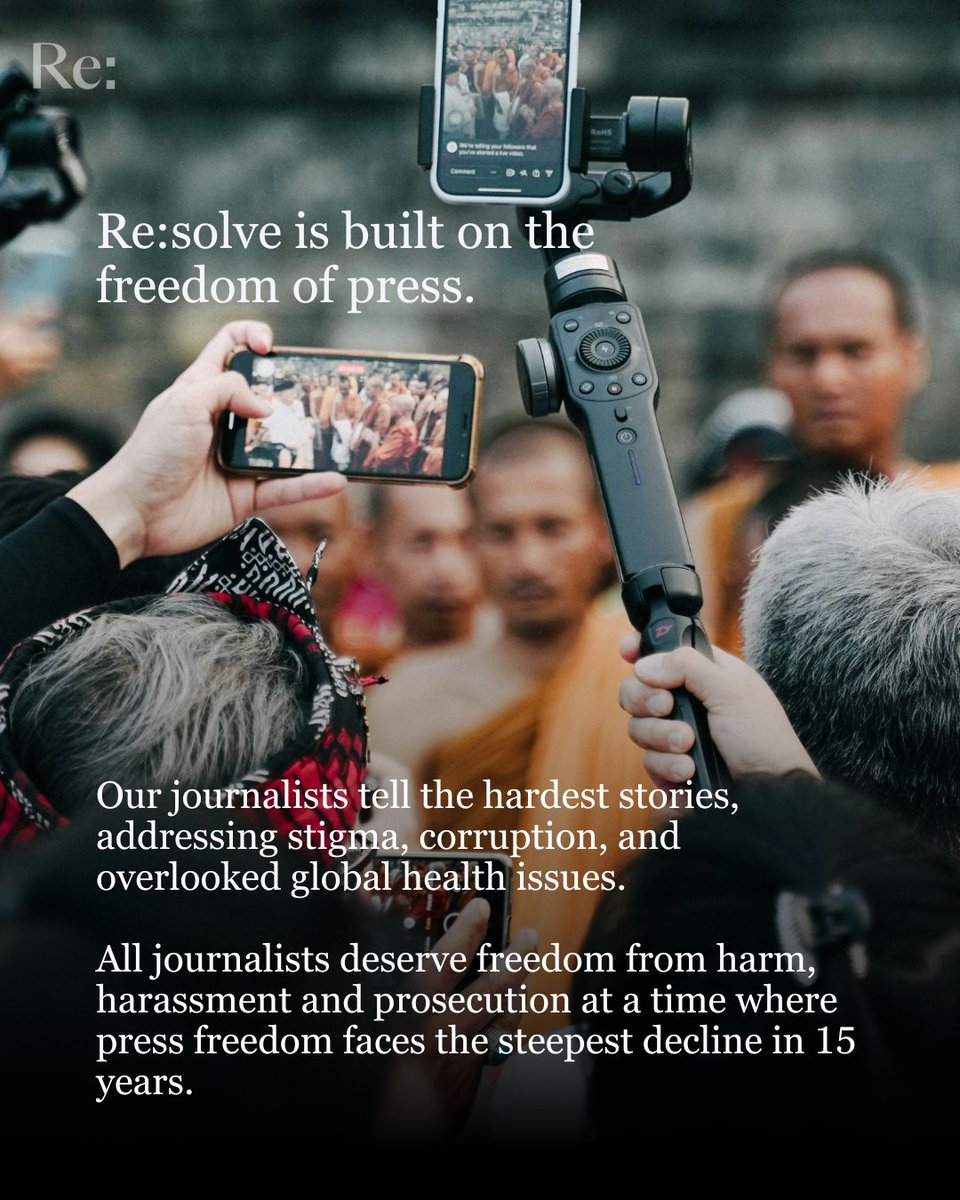
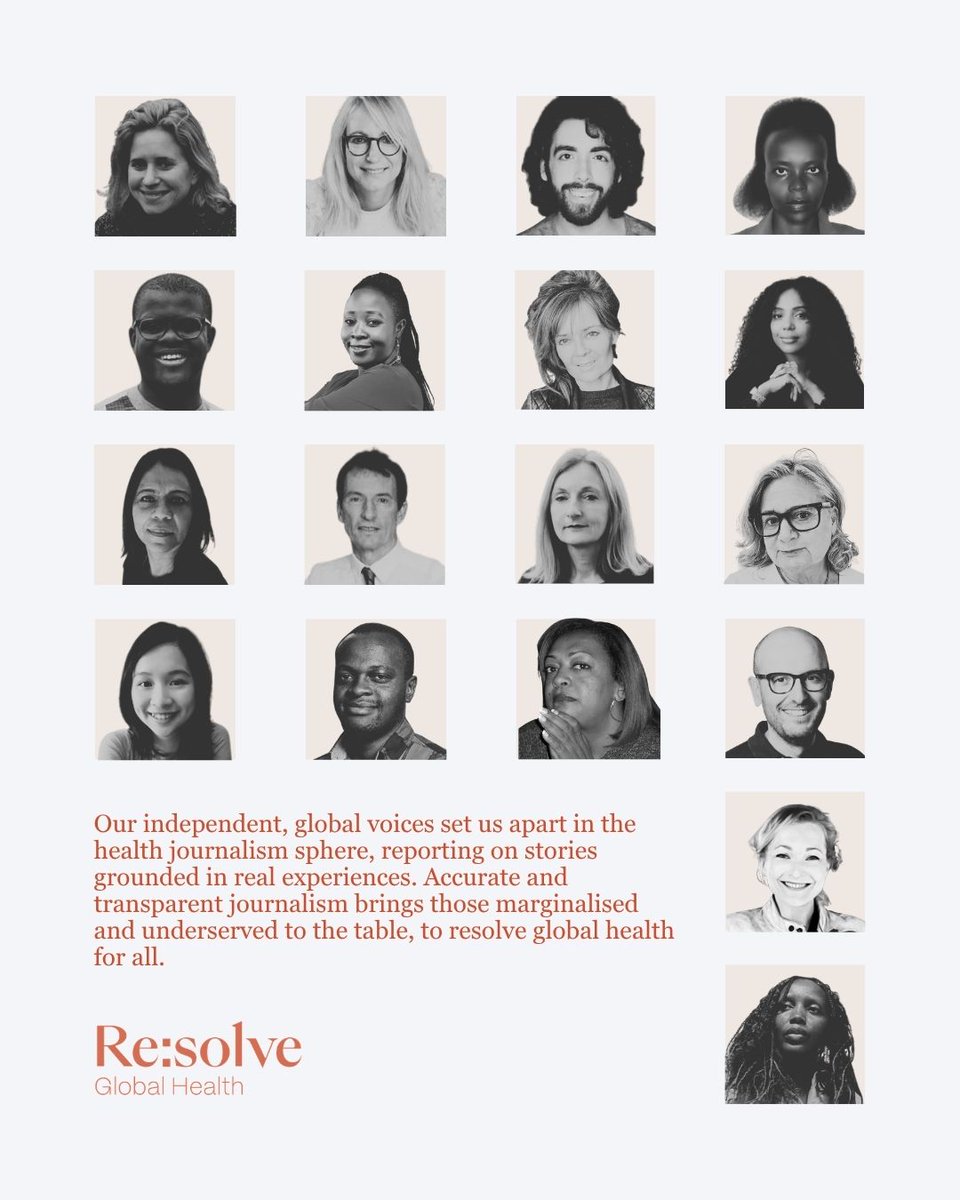
#PressFreedom shapes a world at peace. Today we’re celebrating the global reach of journalists at Re:solve Global Health, the ones listening closely, verifying facts, and telling underexamined global health stories through the people at the centre of them🔗https://t.co/3bJD7asu1j
Rachel Deussom’s op-ed honors the resilience of health workers and imagines a future where health systems truly support them. In a powerful call for urgent change, what do you imagine for the future of our health workforce?
Read more🔗https://t.co/u8PFEeUAAV
Violence, disease exposure, & danger: #WorldDayforSafetyandHealthatWork addresses the need to protect safety & wellbeing of health workers in frontline crises. Healthy psychosocial workplaces are a policy priority & an ethical duty. Read Ines Hake’s op-ed🔗https://t.co/RXfD86a6HG
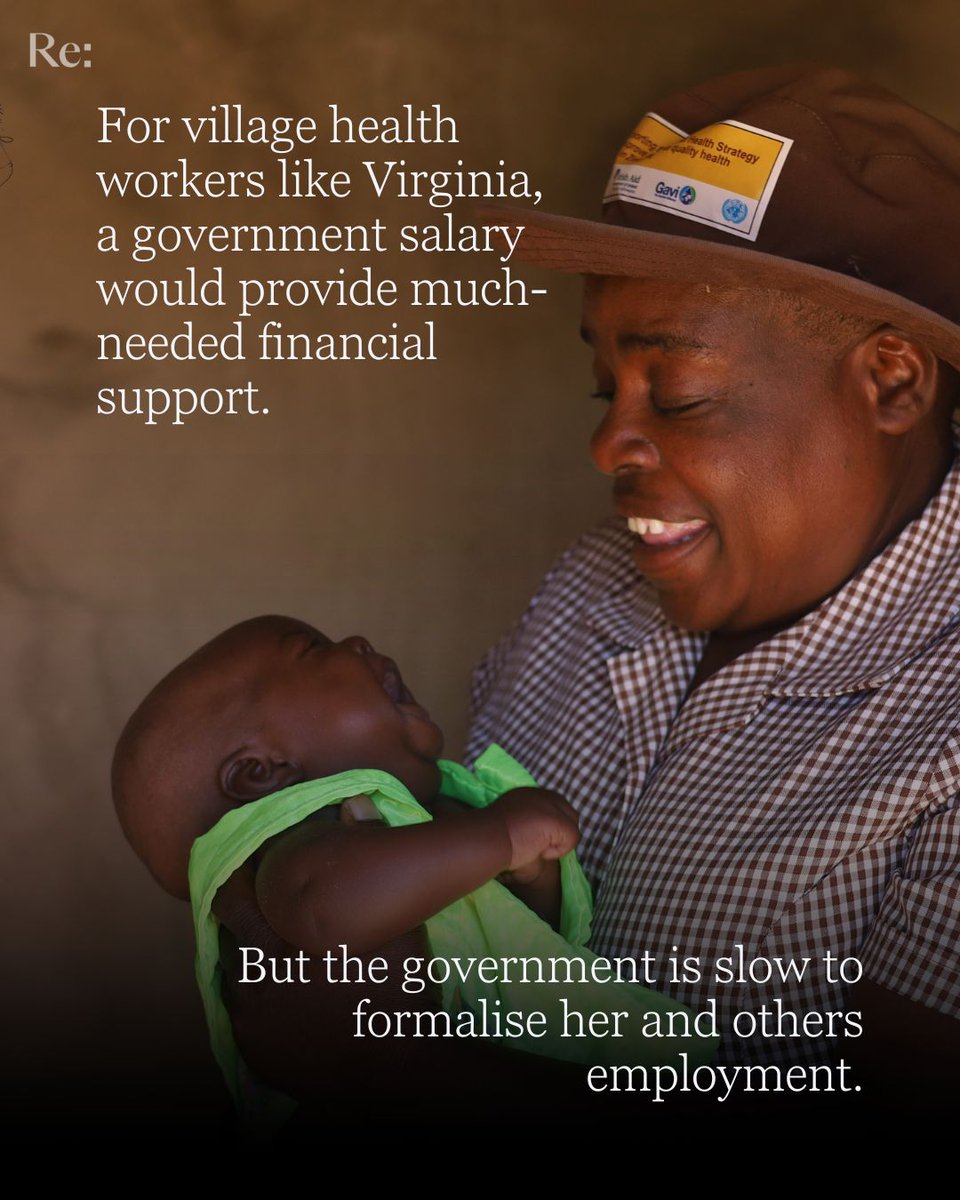
Virginia is 1 of Zimbabwe’s 22k village health workers, moving between homes and clinics to provide care. With just 1.4 doctors per 10k people, VHWs are critical lifelines for people but they lack formal pay & recognition. Learn more 🔗https://t.co/VhHKMngWv6
VR is reshaping nursing education in LMICs by offering safe, scalable training without costly labs. Platforms like UbiSim & MediCrew help students practice skills on affordable headsets, filling training gaps in countries like the Philippines. Learn more 🔗https://t.co/njRFyRAx67
Kadiatu has worked as a nurse in Sierra Leone for 5 years without pay. Her story reflects a wider paradox across sub-Saharan Africa: health worker shortages persist while many trained workers remain unpaid or unemployed. Read more 🔗https://t.co/GBWSKCtSUX
Training more health workers won’t fix a system that can’t hire or retain them.
In our latest report, @ketchilola calls for stable domestic financing and tighter coordination between health, finance, and public service institutions.
Read her op-ed🔗https://t.co/YGAlUF3wP1
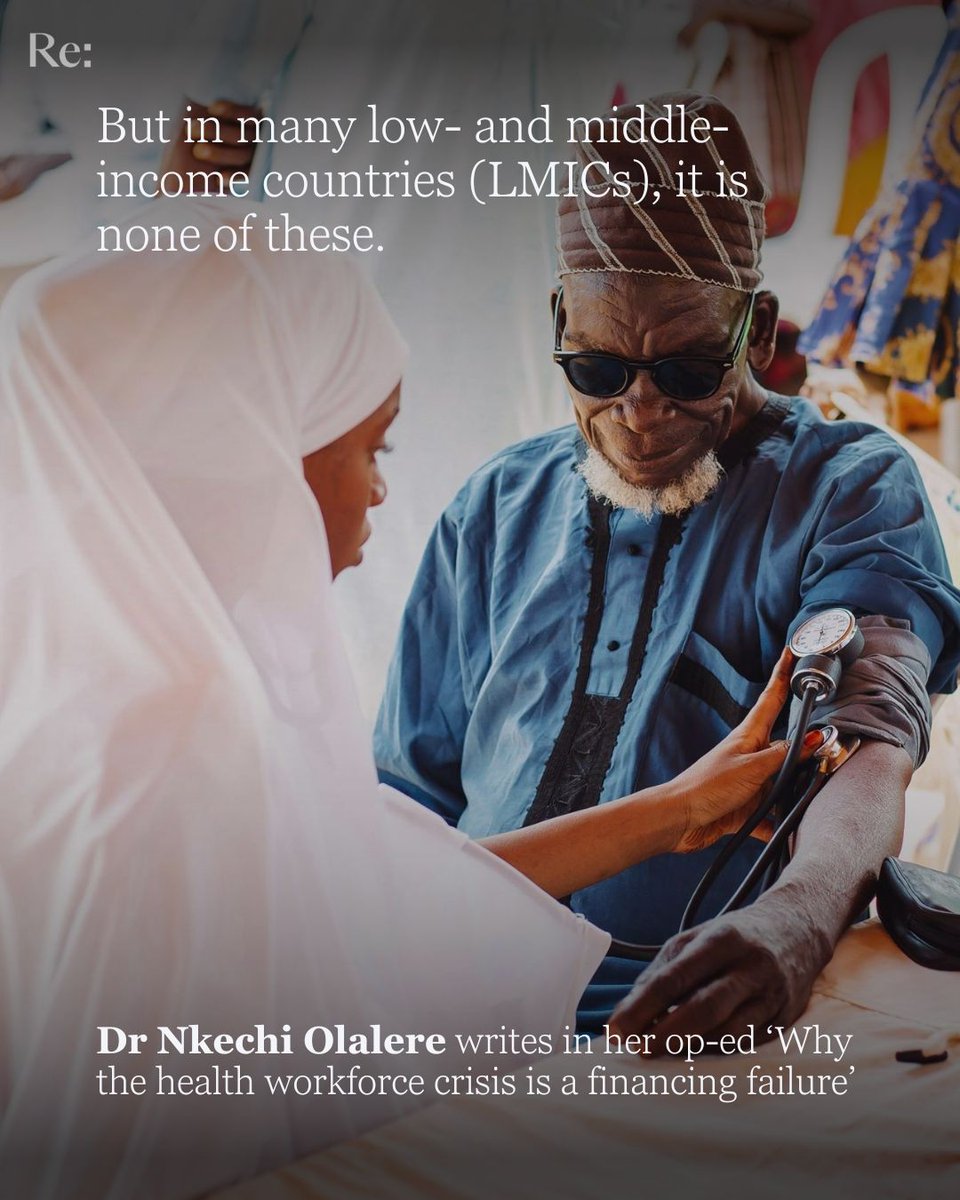
In many countries, health graduates sit unemployed while frontline facilities run short-staffed. This is a financing failure.
I made this case in .@Resolve_GH's special report building health systems that sustain the people delivering care. Read it here: https://t.co/wWvXb9lvKK
The world is expected to face a shortfall of 11M health workers by 2030. Our latest Special Report explores what it will take to strengthen the workforce at the heart of health systems
Read The Heart of Health Systems: Strengthening the Health Workforce: https://t.co/zPXuoRxcxs