comprehensive platform dedicated to educating Respiratory Therapy students, interns and professionals through trusted resources and practical learning.
بداية كل ممارس صحي كانت بخطوة تعلم، وكل خطوة تستحق مرجعًا موثوقًا.
لهذا أُنشئت Respiratory Reference؛ منصة متخصصة في العلاج التنفسي، تجمع المعرفة المبنية على الأدلة، والمراجع المنظمة، والأدوات التعليمية لدعم التعلم والتطور المهني.
#RespiratoryReference#العلاج_التنفسي#RT
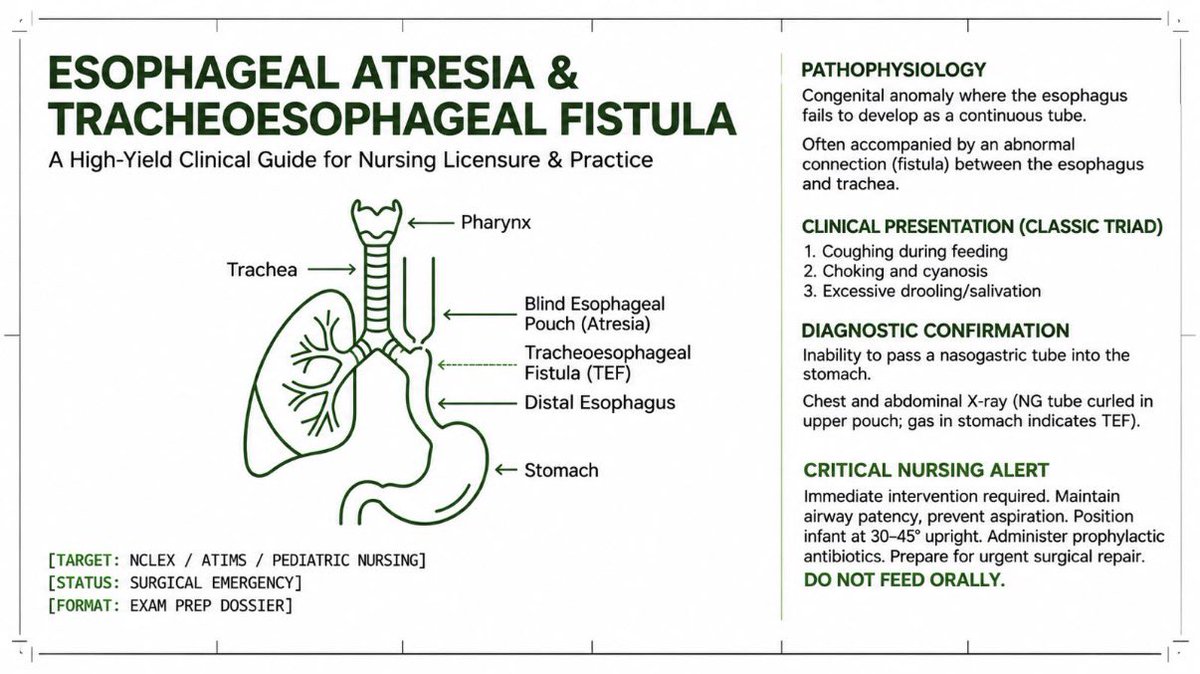
Beyond the Fistula 🫁
Tracheoesophageal Fistula (TEF) & Esophageal Atresia from a Respiratory Therapist’s perspective.
Explore the respiratory challenges and management.
🔗 https://t.co/Iv1EZBChVn
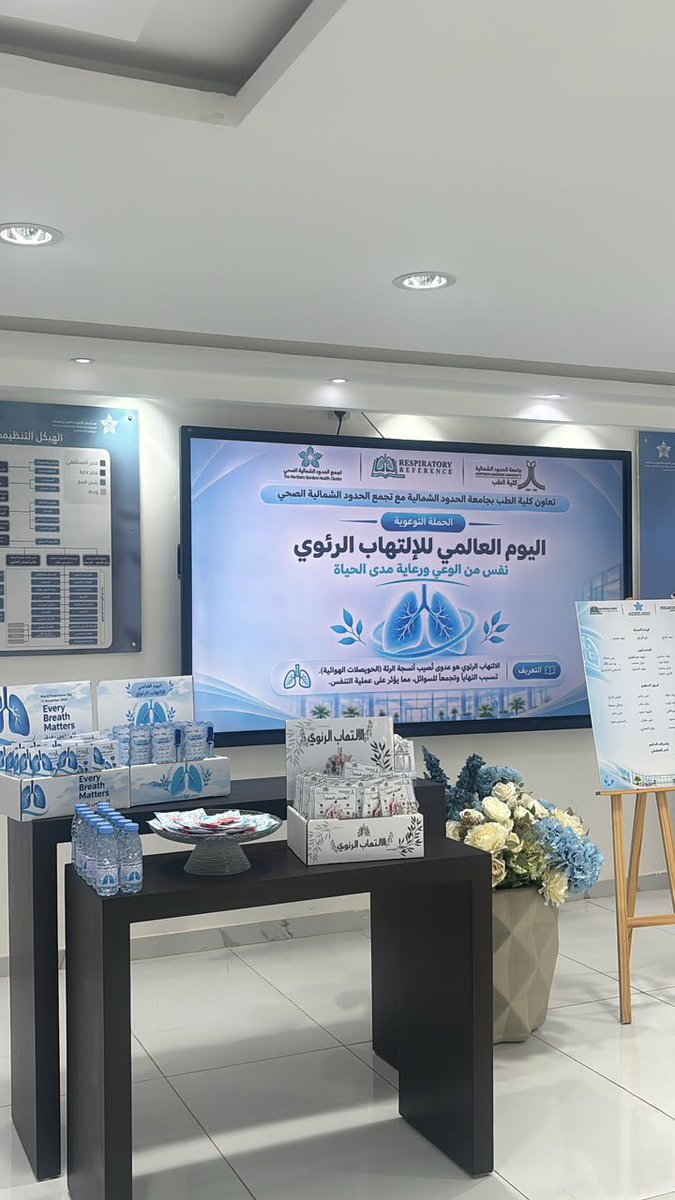
سُعدنا بمشاركة منصة Respiratory References في فعالية اليوم العالمي للالتهاب الرئوي، بالتعاون مع تجمع الحدود الشمالية الصحي وكلية الطب بجامعة الحدود الشمالية وذلك من خلال تقديم بوث المحاكاة السريرية.
https://t.co/GvksJByX0I
When oxygenation improves, but lung injury continues.
In ARDS, an improved PaO₂/FiO₂ ratio doesn’t always mean lung recovery. Mechanical stress can still drive ventilator-induced lung injury.
The goal is better gas exchange with lung protection.
#ARDS#MechanicalVentilation
Auto-PEEP: The Hidden Cause of Ventilator Asynchrony.
Incomplete exhalation leads to air trapping, increased intrathoracic pressure, and potentially hemodynamic compromise.
Recognizing it early is essential in mechanical ventilation.
#RespiratoryTherapy#CriticalCare
A high PEEP level doesn’t always mean better oxygenation.
The goal is not simply to recruit more alveoli but to achieve adequate oxygenation while minimizing ventilator-induced lung injury.
Protective ventilation starts with understanding lung mechanics. 🫁
Patient–Ventilator Asynchrony reflects a mismatch between patient respiratory effort and ventilator support.
Recognizing it requires more than interpreting waveforms; it requires understanding the physiology behind them.
Pneumonia is not merely an infectious process; it is a complex pulmonary condition that can profoundly disrupt alveolar function and gas exchange.
Understanding its pathophysiology is essential to recognizing clinical deterioration and guiding timely respiratory support.
The ROX index is more than a number — it can help identify early signs of HFNC failure in patients with acute hypoxemic respiratory failure.
But how much weight should we give it when clinical deterioration doesn’t always follow the score?
#RespiratoryTherapy#CriticalCare
Every breath tells a story. Science helps us change it 🫁
This Respiratory Therapy Week, we celebrate the science, skill and dedication behind every breath
Respiratory References — where knowledge meets the art of respiratory care 💚
#RTWeek#RespiratoryReferences
Every breath tells a story. Science helps us change it 🫁
This Respiratory Therapy Week, we celebrate the science, skill and dedication behind every breath
Respiratory References — where knowledge meets the art of respiratory care 💚
#RTWeek#RespiratoryReferences
4,291 فرصة عمل جديدة في مختلف التخصصات الطبية، عبر 20 تجمعًا صحيًا في جميع مناطق المملكة.
تتيح #الصحة_القابضة الاطلاع على الفرص الوظيفية والتقديم عليها من خلال بوابة التوظيف الخاصة بكل تجمع صحي، عبر الرابط:
https://t.co/M7BD19TpUK
A patient arrives with:
SpO₂: 84%
RR: 32/min
Increased work of breathing
As an RT what would you do first?
A) Nasal Cannula
B) Non-Rebreather Mask
C) CPAP
D) Intubation
What’s your choice and why?
Things every RT student should know before clinical training:
🫁 How to read an ABG
🫁 How to recognize ventilator alarms
🫁 When to escalate NIV
🫁 How to calculate IBW & VT
🫁 How to identify auto-PEEP
Which one took you the longest to master?
#RT
❓ In ARDS, why do we use low tidal volume?
A) To increase PaCO₂
B) To prevent alveolar overdistension
C) To normalize the ABG faster
D) To increase minute ventilation