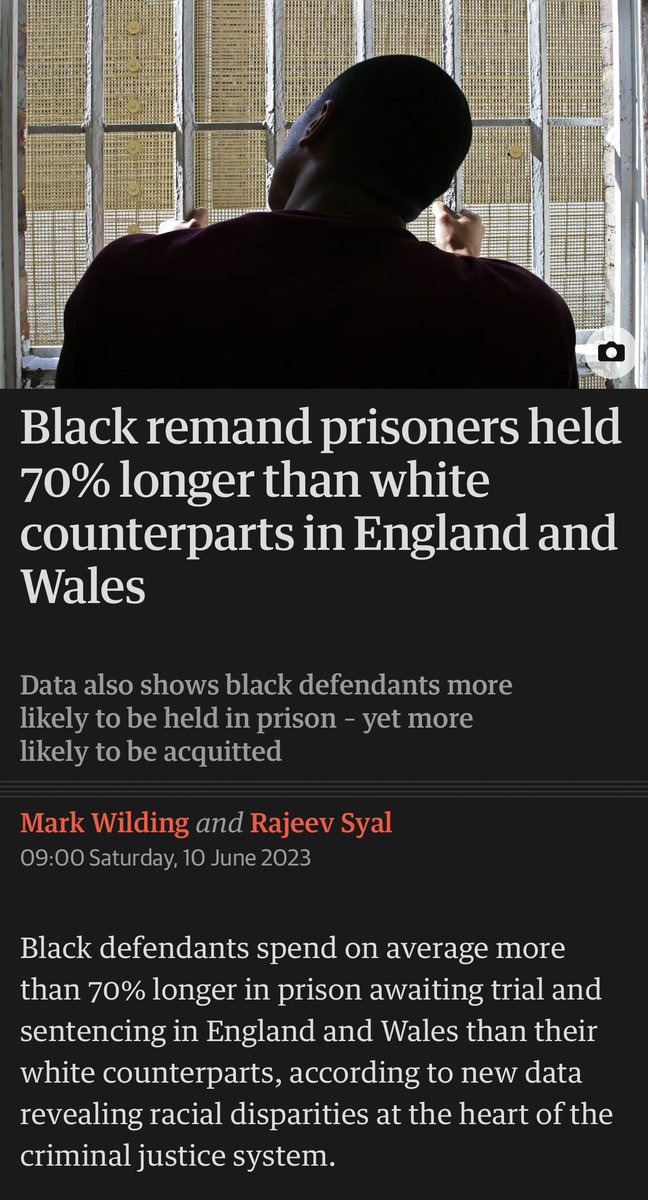
“The cumulative evidence that imprisonment causes children serious harm, and cannot be made safe, is incontestable.”
As is the cumulative evidence that the punitive court system causes imprisonment. https://t.co/pGwzuE2SYq
It’s not necessary to have racist intent for these results to be so consistent over so long. The very nature of a punitive system is to exile and silence those who have least reason to avoid significant social change.
This is what we woke to this morning in Rio de Janeiro, on the 59th anniversary of the military coup. Though it claims to be policing it’s actually the justice system at war with the population. It’s 500 years of a refusal to dialogue.
An imperial force cannot at the same time be a functioning democracy. This is true whether the imperial action is against another people or it’s own people. And the basis of its corruption starts with its abandoning the principles and practice of justice. https://t.co/OUpPzMoybm
A short video from the Arapyun village of Akayú Wasú about my upcoming visit to learn and share the art of designing restorative systems in the US
https://t.co/MPRnfPDncM
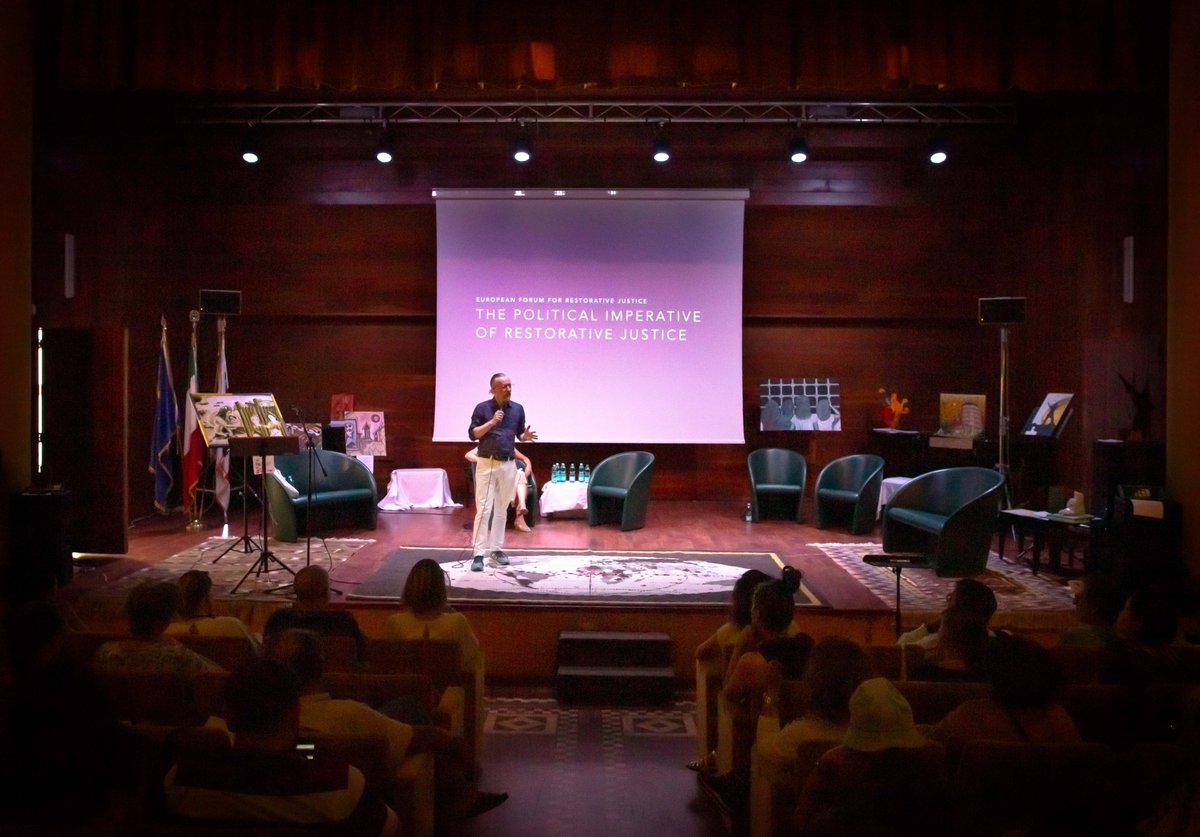
In our newest blog piece Anna Acconcia, a family lawyer and mediator from Milan shares her experiences about the EFRJ's conference in Sassari.
#efrjConference#EFRJ22#EFRJ2022
https://t.co/yEiY36Fzm4
Talking to mediators about community built systemic conditions, and the impact of their absence, is sometimes the equivalent of the proverbial conversation with fish about water. RJ only becomes intelligible when it’s reduced to it’s depoliticised husk of a staggered practice.
Staying up late project writing. One of the biggest challenges is conceptualising restorative systems within the confines of organisations designed to impede systemic change by controlling limited projects. And doing so honestly, so that the intentions for wider change are clear.
Painful conflict needn’t always mean suffering.
Kids and other species aren’t freaked by our sincerity. Quite the opposite.
What’s missing is to establish, validate and practice the public realm in the area of justice. To assume and inhabit the commons when disagreement emerges.
Grateful to all those involved in the RJ Conference yesterday at @UnivaliOnline and @oabsc@OAB_BC for the learning. The whole day is available to watch online, with me and @EuForumRJ Board member Patrizia Patrizi starting here: https://t.co/b4Z11ulUNA
Meeting with artists and teachers to look at a town-wide restorative process for a huge historical injustice.
“Until there’s a place for telling all the stories there’s no hope of taking responsibility, because the law is always controlled by those who won”.
Those who built their own restorative system inside their prison wing had a full on conflict when we met last week. No one left. No one even stood up. Painful conflict is no longer a danger to relationship. It’s part of relational life. A reminder that we care. And that we differ
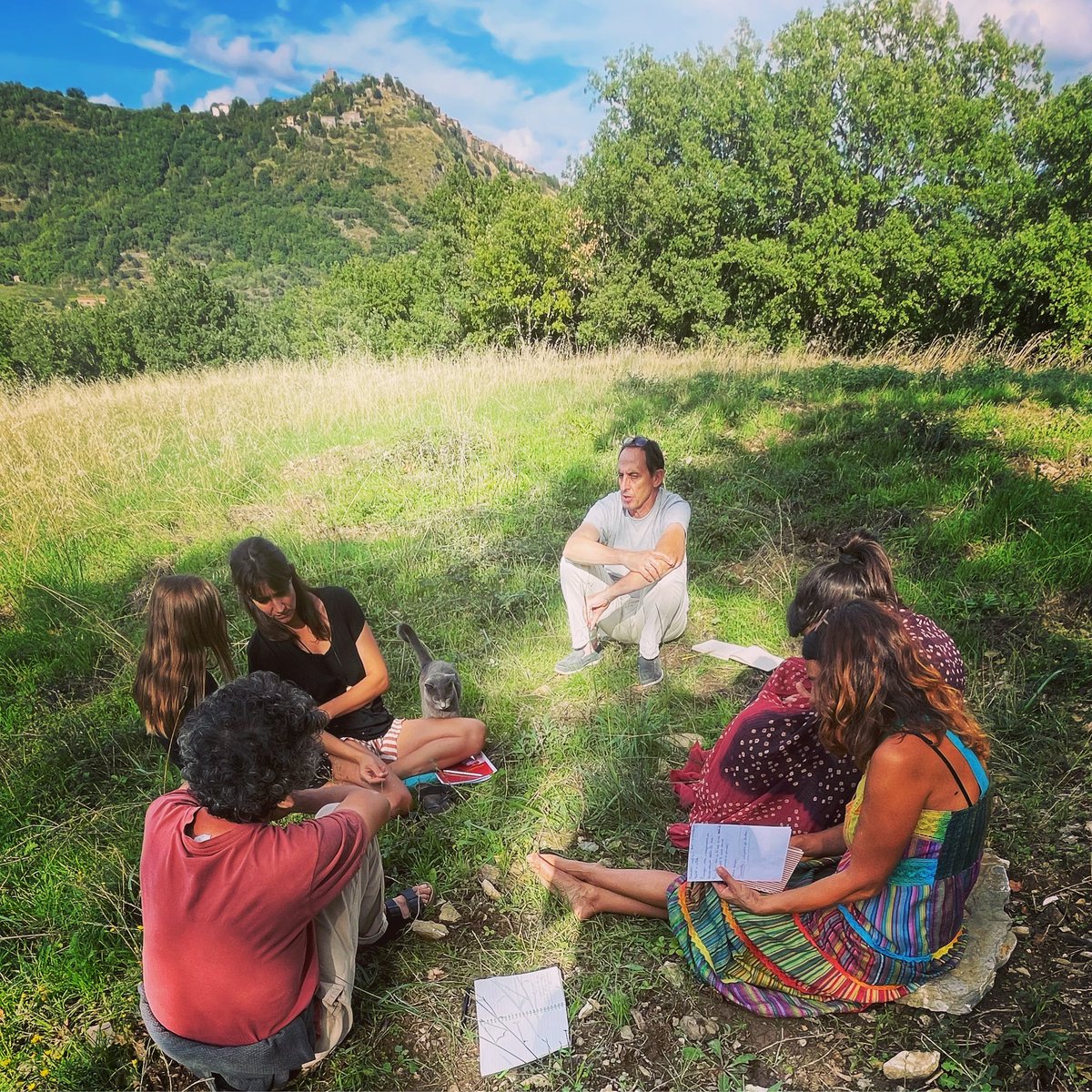
Very curious to deepen my understanding of the possible connections between designing dialogical social systems - such as restorative Circles - and the learning of so many in the field of extreme states who have been researching for years at the creative edge.
If given the same scientific attention, the far more modest precisions required to design social systems capable of responding to our current and historical conflicts could also reveal the beauty of what is already there. (Jupiter, by the James Webb imaging)
Accompanying my sister in hospital these last days and watching how rife and relevant conflict is in this setting. Building restorative systems in health settings has been one of the most fascinating areas for me the last 6 or 7 years. This is a stark reminder of its importance.
Dialogue requires a quality of listening which is incongruent to the systemic conditions of life under empire. But it also requires a degree of sincerity in expression which is equally unwelcome. Dialogue requires, therefore, systemic conditions designed to nurture and value it.
Aversion to conflict is aversion to relationship. On a social level we don’t simply live with those we personally know. We don’t only impact those who know our names. Dialogue is a precondition for society. And painful conflict is one of it’s crucial tests.
@whymeUK RJ offers not just a critical perspective on the current systems but also an expansion of the positive aspects of responding to harm with dialogue.