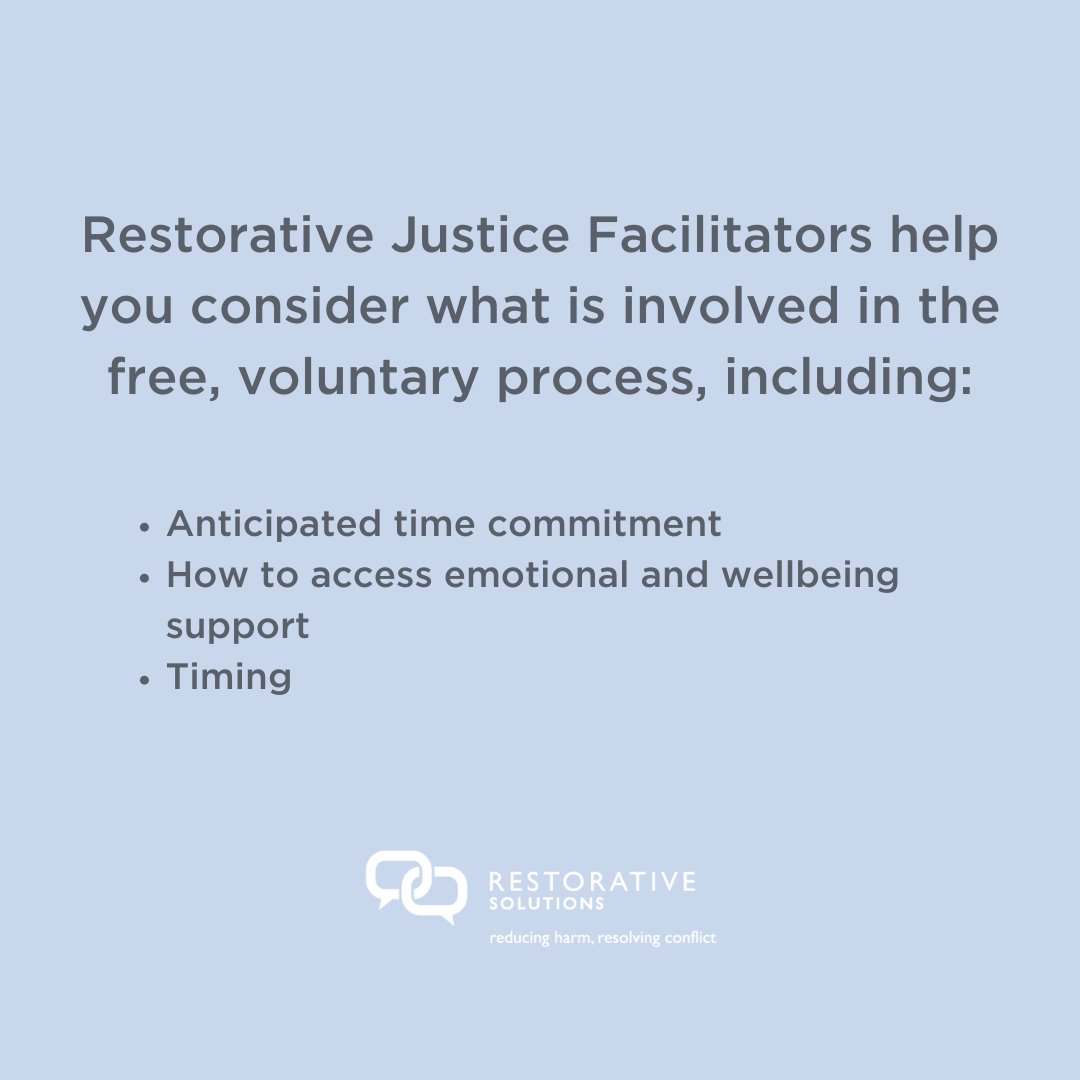
Restorative Justice can occur anytime after sentencing, sometimes even decades after the crime first took place.
This flexible approach takes the pressure off and allows them to process the incident and make a decision in their own time.
More info: https://t.co/kYz3KDhfde
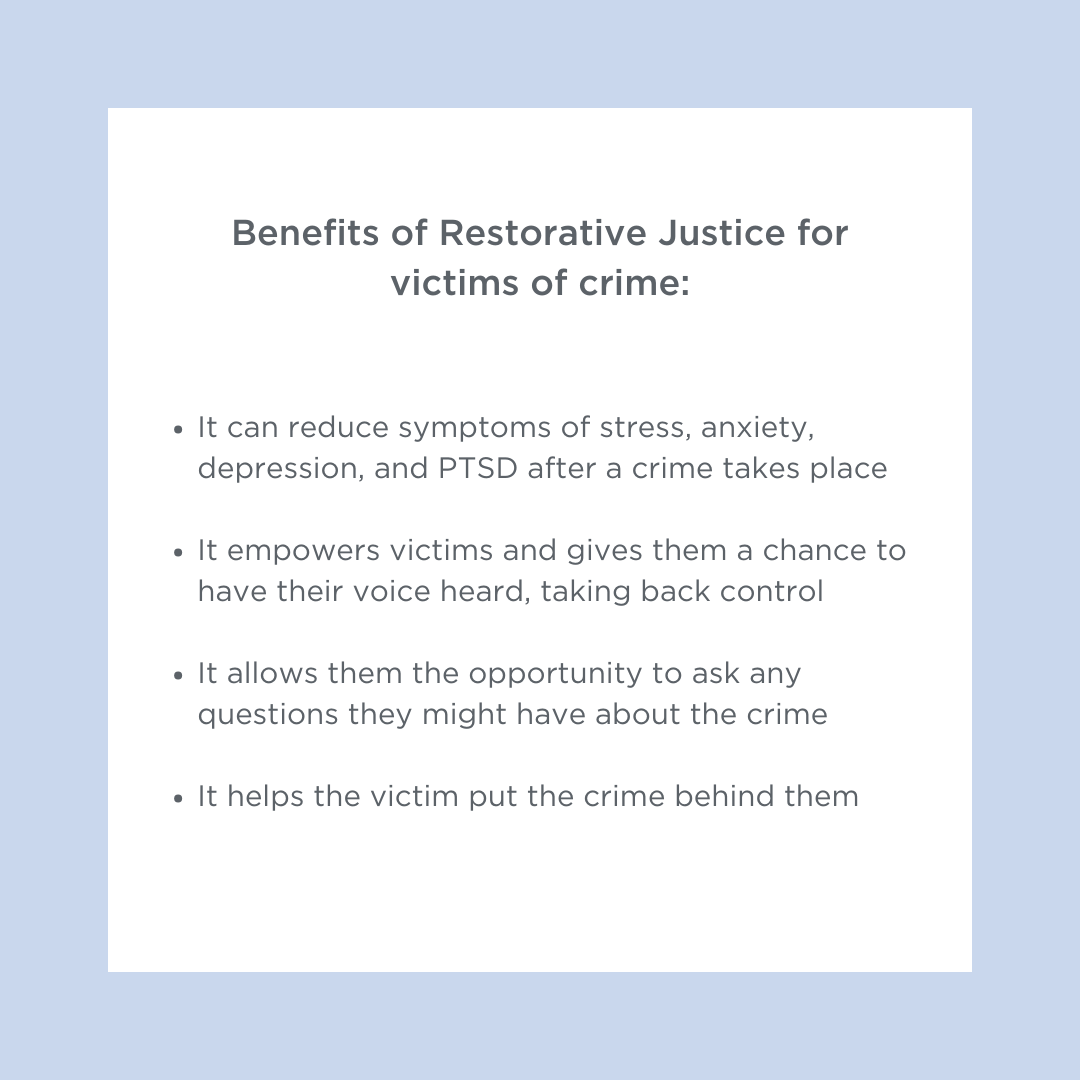
Taking part in Restorative Justice can help victims gain back a sense of control, giving them answers to questions and a voice to talk about the impact of the offender's actions.
More info: https://t.co/kYz3KDhN2M
Restorative Justice and criminal sentencing are two separate processes. Taking part in Restorative Justice is voluntary and takes place after the Court has decided upon sentencing and does not impact the sentence given.
Find out more: https://t.co/kYz3KDhfde
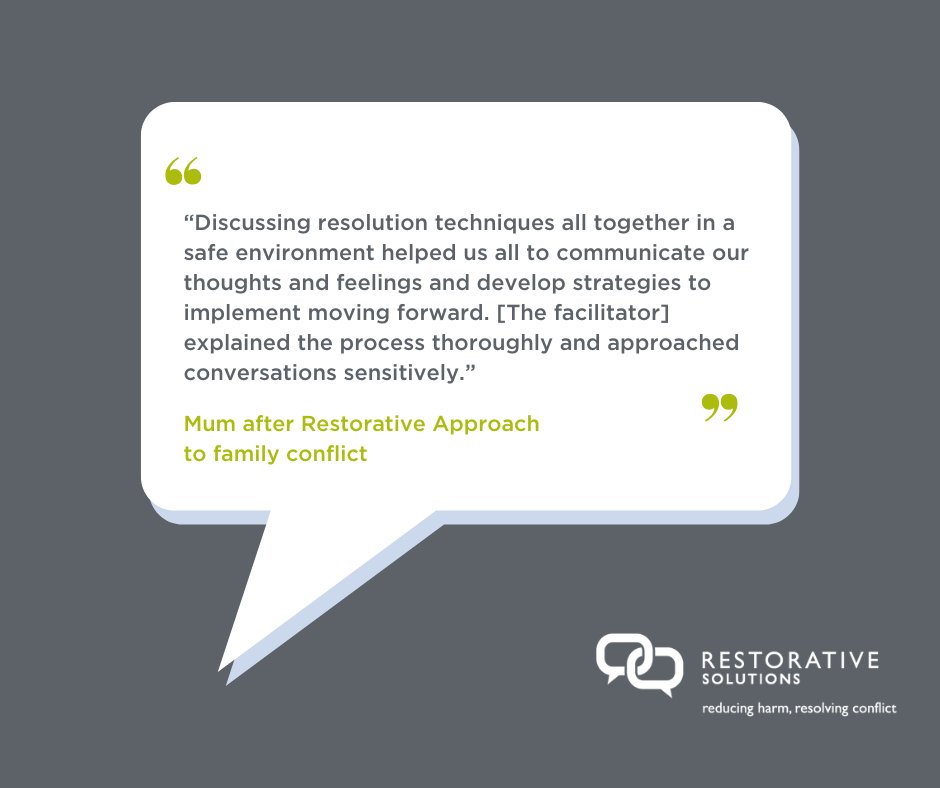
Restorative meetings can also be helpful for families who may be struggling with conflict at home.
This gives everyone the opportunity to speak about the impact a of the conflict and discuss how to move forward.
Find out more: https://t.co/kYz3KDhfde
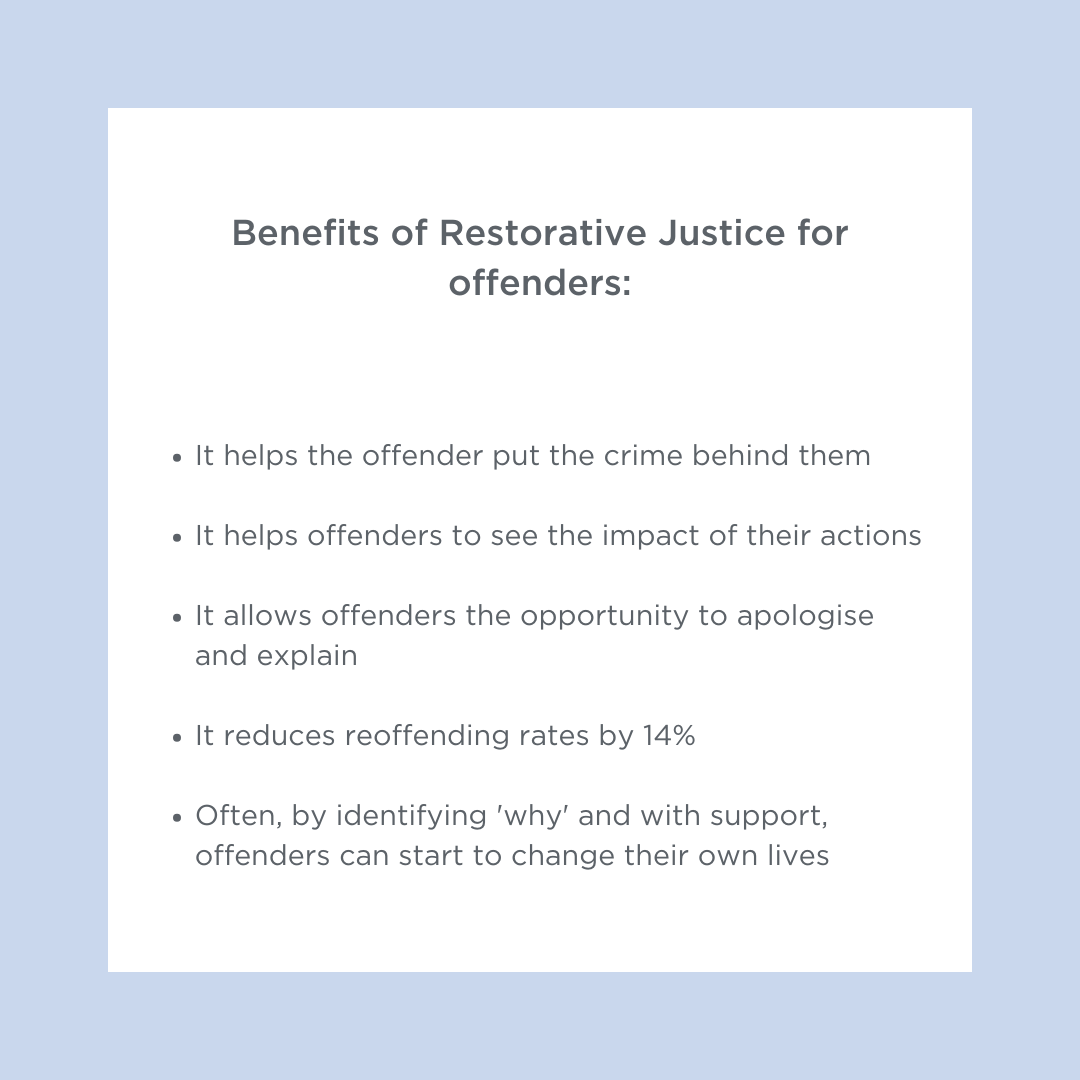
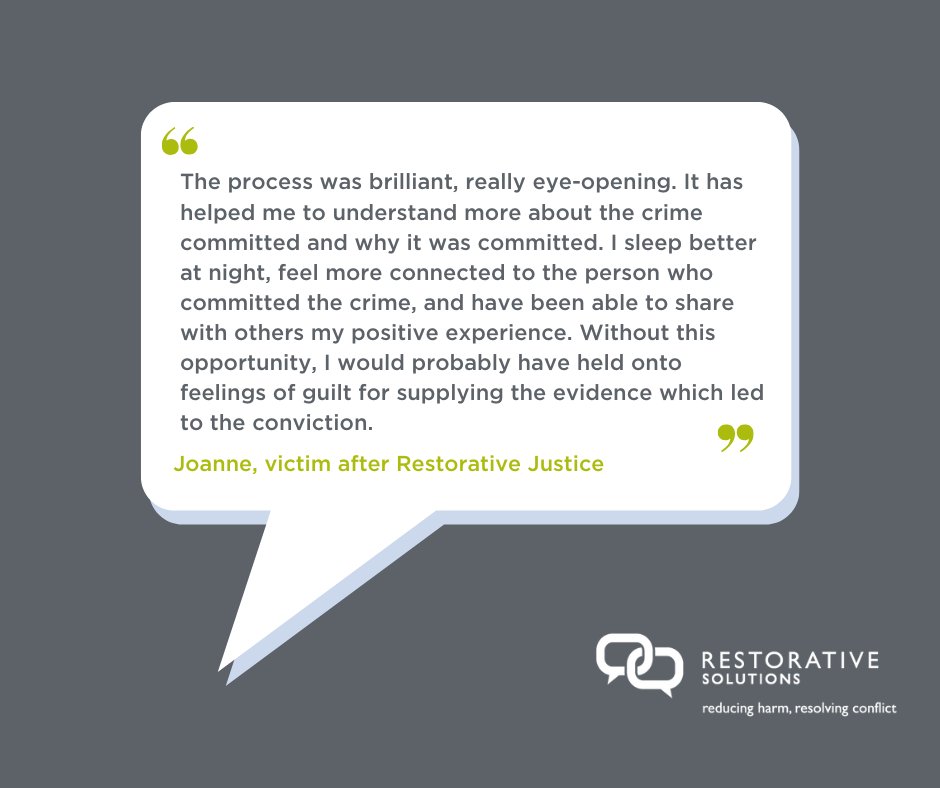
RJ can have a powerful effect on victims of crime and offenders. Victims can explain the effects the crime has had on them and ask any questions.
The experience can show them offenders first-hand the impact of their actions.
Find out more here: https://t.co/UhJkakcBVz
Hearing the stories of those who have taken part in RJ can be incredibly eye-opening to see the positive impact the practice can have on both the victim and offender.
To hear from those who have taken part in RJ, head to our website: https://t.co/Ajqc2q9aNf
Restorative Justice (RJ) can have a huge impact for victims of crime, offenders and wider communities.
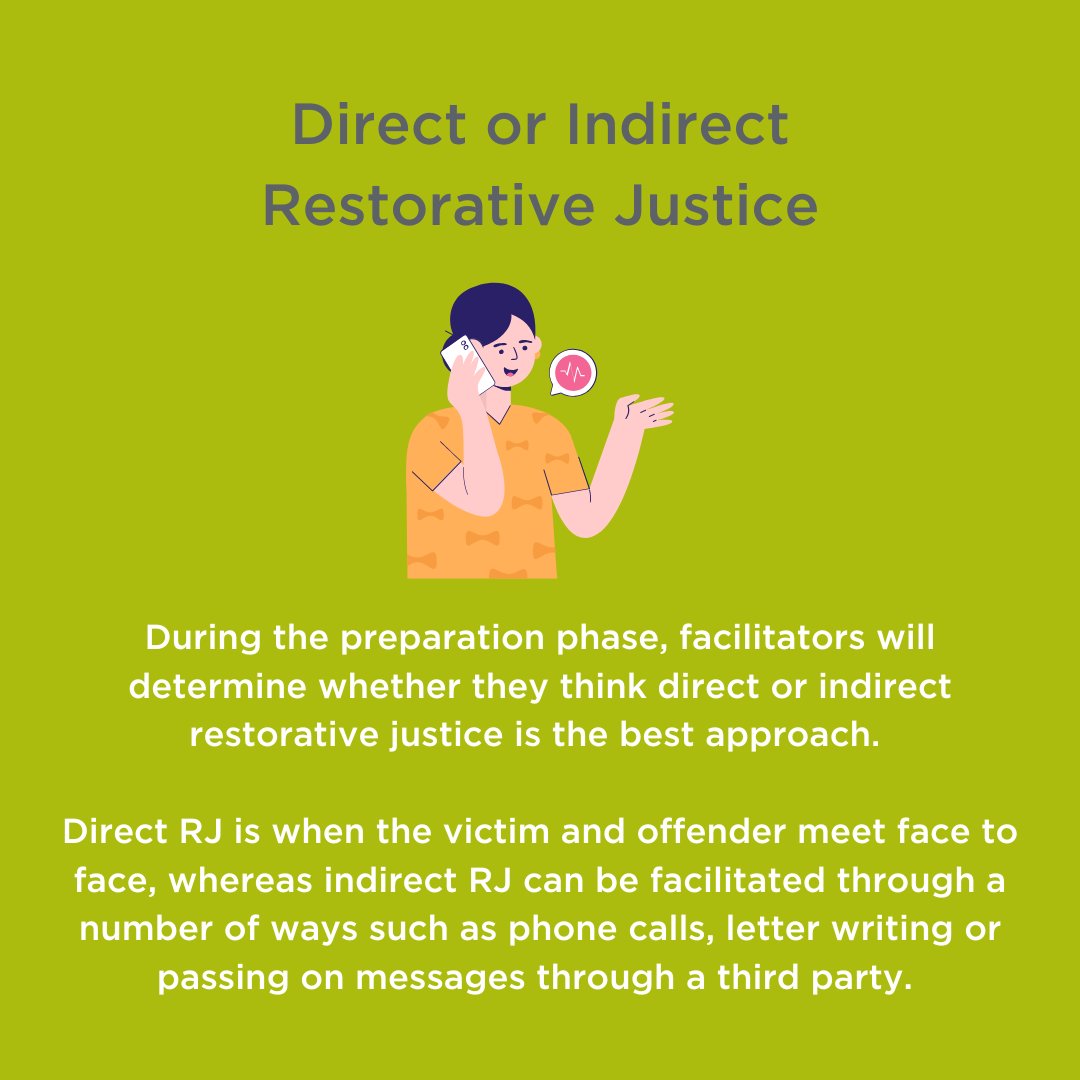
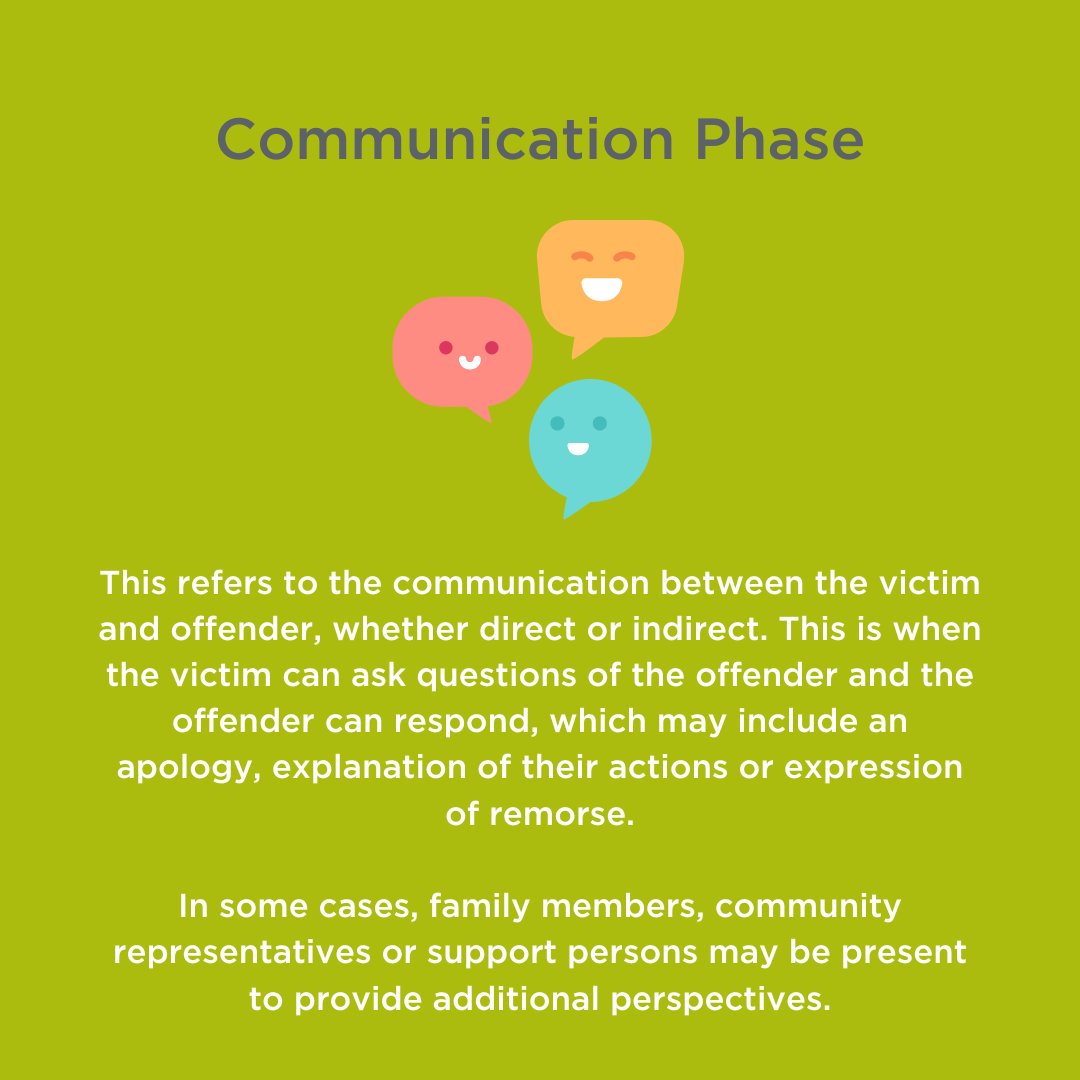
Communicating, whether face to face or through indirect methods, can help people find closure and put an incident behind them.
Read stories here: https://t.co/Ajqc2q9aNf
RJ gives victims the opportunity to communicate with the person responsible. It can be an empowering experience that can bring closure and help reduce stress, anxiety, depression and PTSD.
Find out more: https://t.co/UhJkakcBVz
In our latest blog, we tackle several common misconceptions about RJ and provide the facts to give people as much information as possible.
You can find the blog here: https://t.co/PSgiTgOUOK
We had a fabulous RJ Week back in November, spending the time out and about spreading awareness of Restorative Justice and thanking our wonderful volunteers.
You can find more information about Restorative Justice on our website: https://t.co/UhJkakcBVz
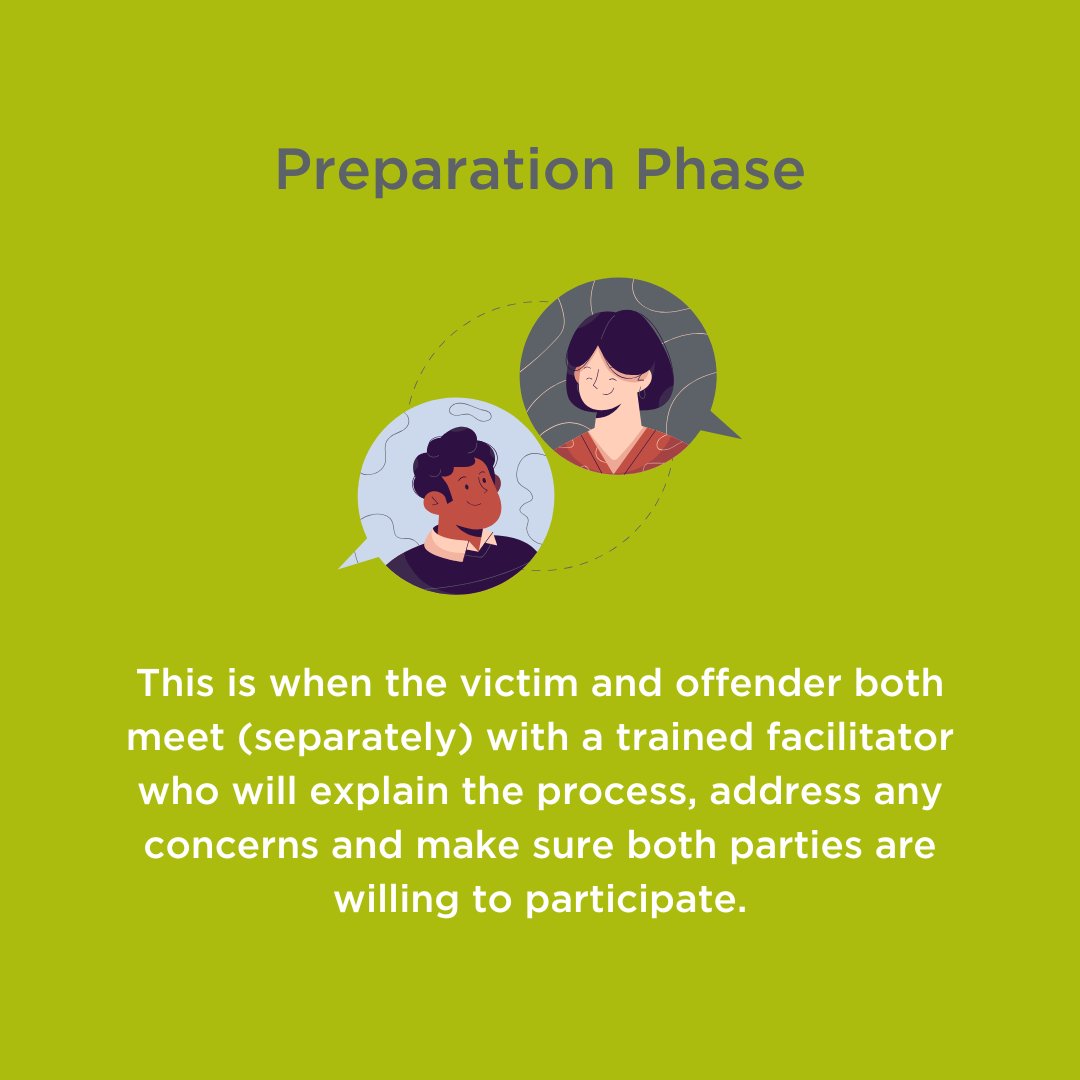
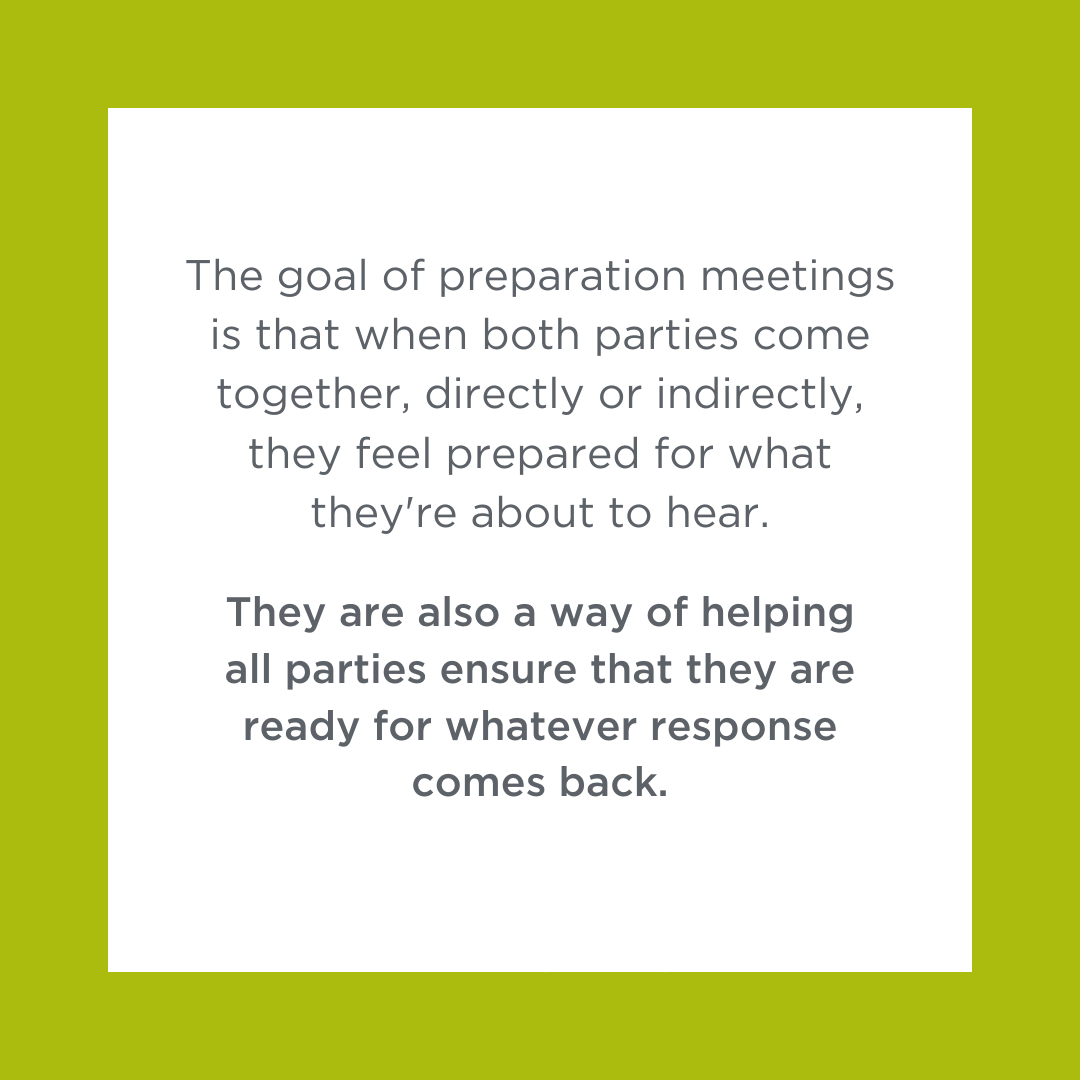
Preparation meetings are an important part of Restorative Justice and allow trained facilitators to identify what an individual wants and expects from the process.
If you think RJ could be right for you, find out more: https://t.co/UhJkakcBVz
We use the 5 ‘R’s to help victims and offenders understand the purpose of Restorative Justice and decide what they would like to get out of the experience.
Find out more here: https://t.co/172Wz0pCqt
The festive period can be a difficult time for those who are victims of crime. Taking part in Restorative Justice can help by reducing symptoms of stress, anxiety, depression, and PTSD.
If you or someone you know is struggling, get in touch here: https://t.co/UhJkakcBVz
This #HumanRightsDay, we’re sending a reminder that everyone has the right to Restorative Justice.
Restorative Justice can be used for any type of crime as long as both parties (victim and offender) agree to take part.
Find out more about RJ here: https://t.co/UhJkakcBVz
Victims can also be referred from Victim Support or Victim Liaison Officers, support agencies and GPs. They can also self-refer.
You can find out more about how referrals for Restorative Justice work here: https://t.co/YaMxBi52iX.
Restorative Justice allows victims to communicate with offenders, fostering healing and understanding. Trained facilitators guide the process, helping both parties find closure and accountability.
Learn more:: https://t.co/UhJkakcBVz
Find out more about the work we have been doing to help a survivor from Merseyside reclaim a sense of control and empowerment over her attacker: https://t.co/quKnmz03Ig
This week is Restorative Justice Week, a time to raise awareness about the practice and its benefits.
Find out more about how Restorative Justice has developed over the years in our latest blog post: https://t.co/zEPAZah7fa