RESTOREID is an EU-funded project dedicated to understanding and enhancing the relationship between nature restoration, biodiversity, and disease prevention.
📷 Photos: John Loehr, Ívar Matthijsse and Riana Ramanantsalama / University of Helsinki
What would you predict: fewer infections in the wild meadows, or more?
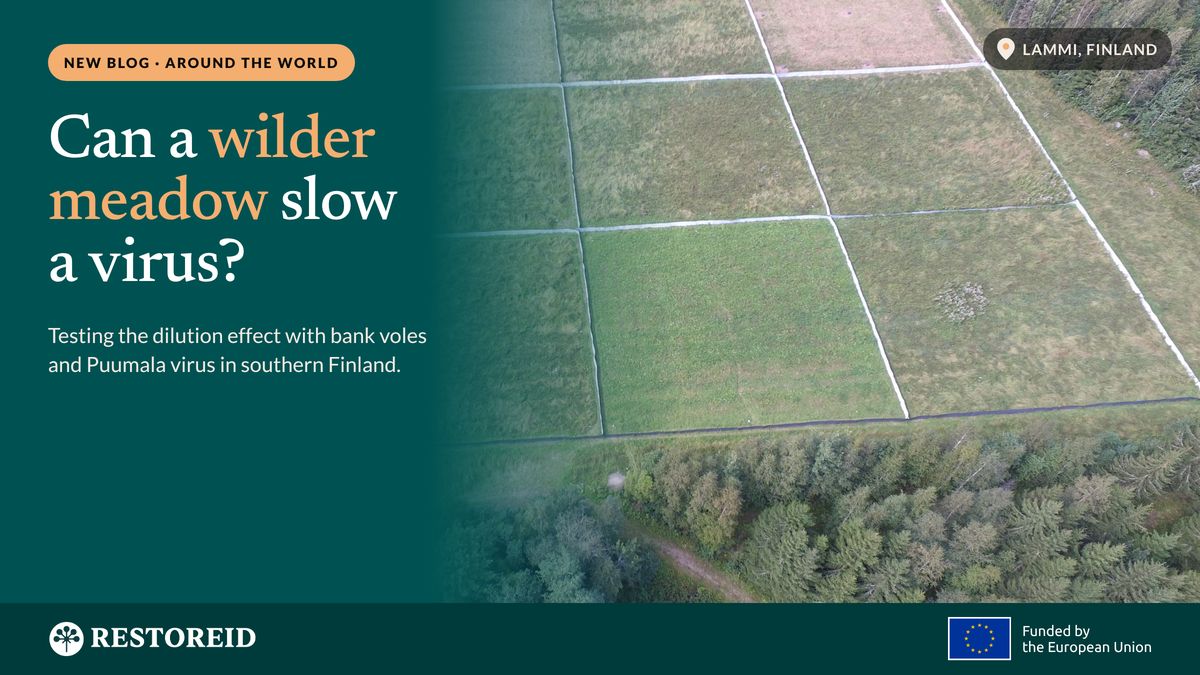
Can a wilder meadow slow a virus? 🌾
In southern Finland, University of Helsinki researchers are testing the dilution effect with bank voles and Puumala virus. Here's how the experiment works 🧵
#OneHealth#Hantavirus
Why it matters: habitat shapes how disease spreads. Because restoration often makes habitats more complex, this helps show when restoring nature can lower disease risk, and when it may not.
Full story in our RESTOREID Around the World series 👇
https://t.co/E9ui6bZYV8
𝗖𝗮𝗻 𝗮 𝘄𝗶𝗹𝗱𝗲𝗿 𝗺𝗲𝗮𝗱𝗼𝘄 𝘀𝗹𝗼𝘄 𝗮 𝘃𝗶𝗿𝘂𝘀? 🌾
In 16 outdoor enclosures in southern Finland, University of Helsinki researchers test the dilution effect with bank voles and Puumala virus.
New in our #AroundTheWorld series: https://t.co/rym9XoIyfg
📷 John Loehr
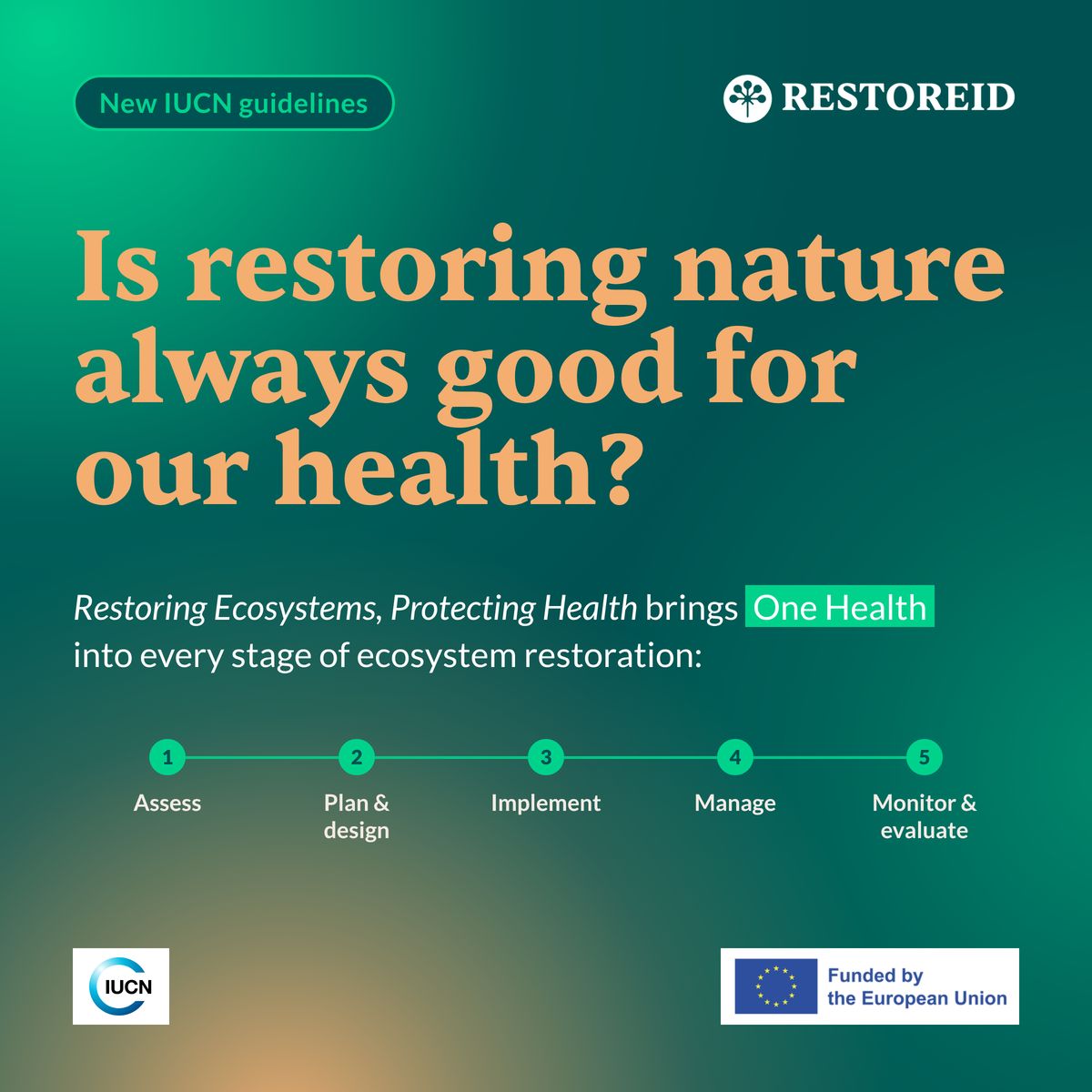
🌱 Is restoring nature always good for our health? It depends on how we restore.
New @IUCN guidelines launched at #CBDCOP17 bring #OneHealth into every stage of restoration, and we're proud RESTOREID contributed 💚
📖 https://t.co/JWgyDEd3Eu
@IUCN_CEM#GenerationRestoration
1/3
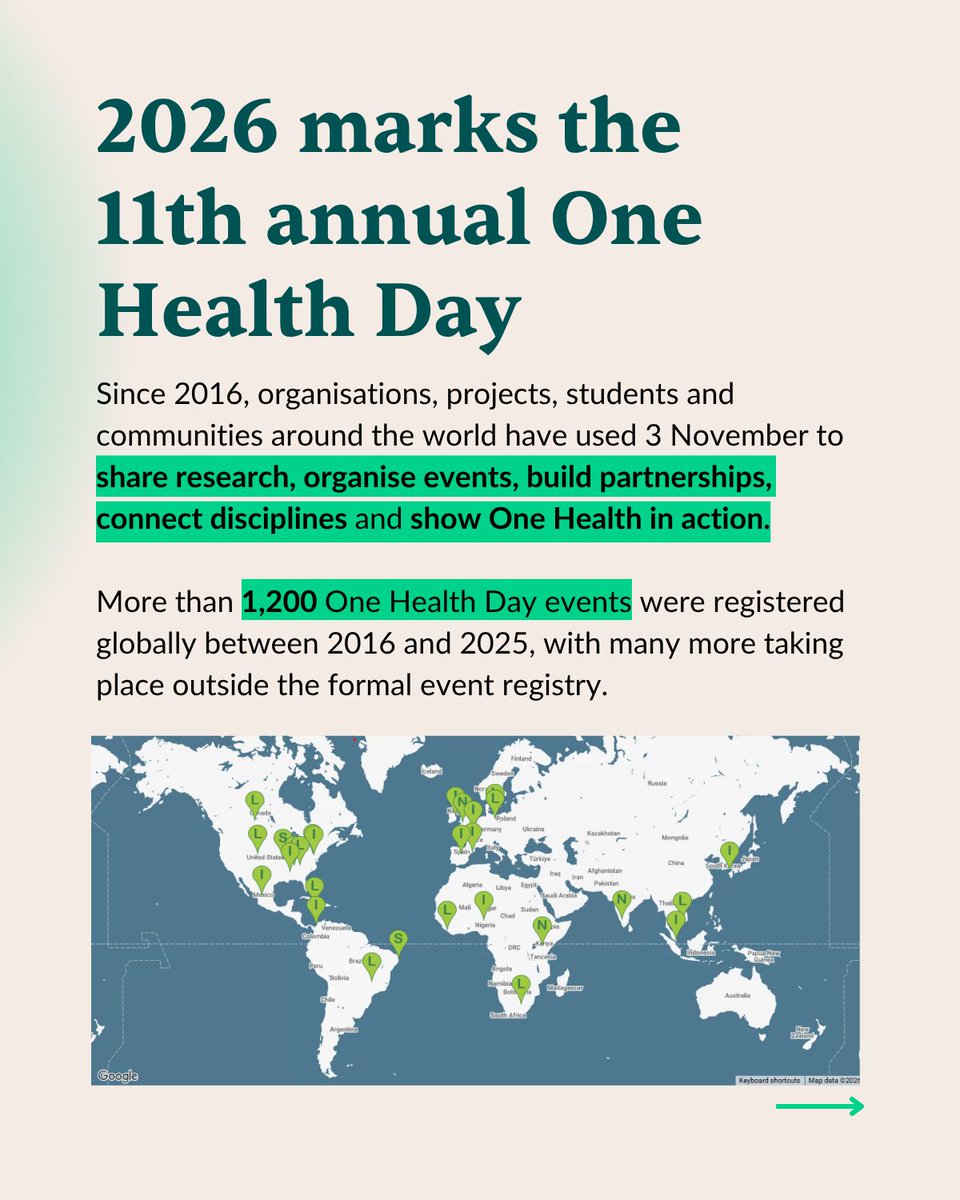
Why does #OneHealthDay fall on 3 November, and what are we actually celebrating? 🤔
The short answer: major health challenges cannot be solved by one discipline or sector working alone.
The longer answer is in our carousel. 👇
2/3
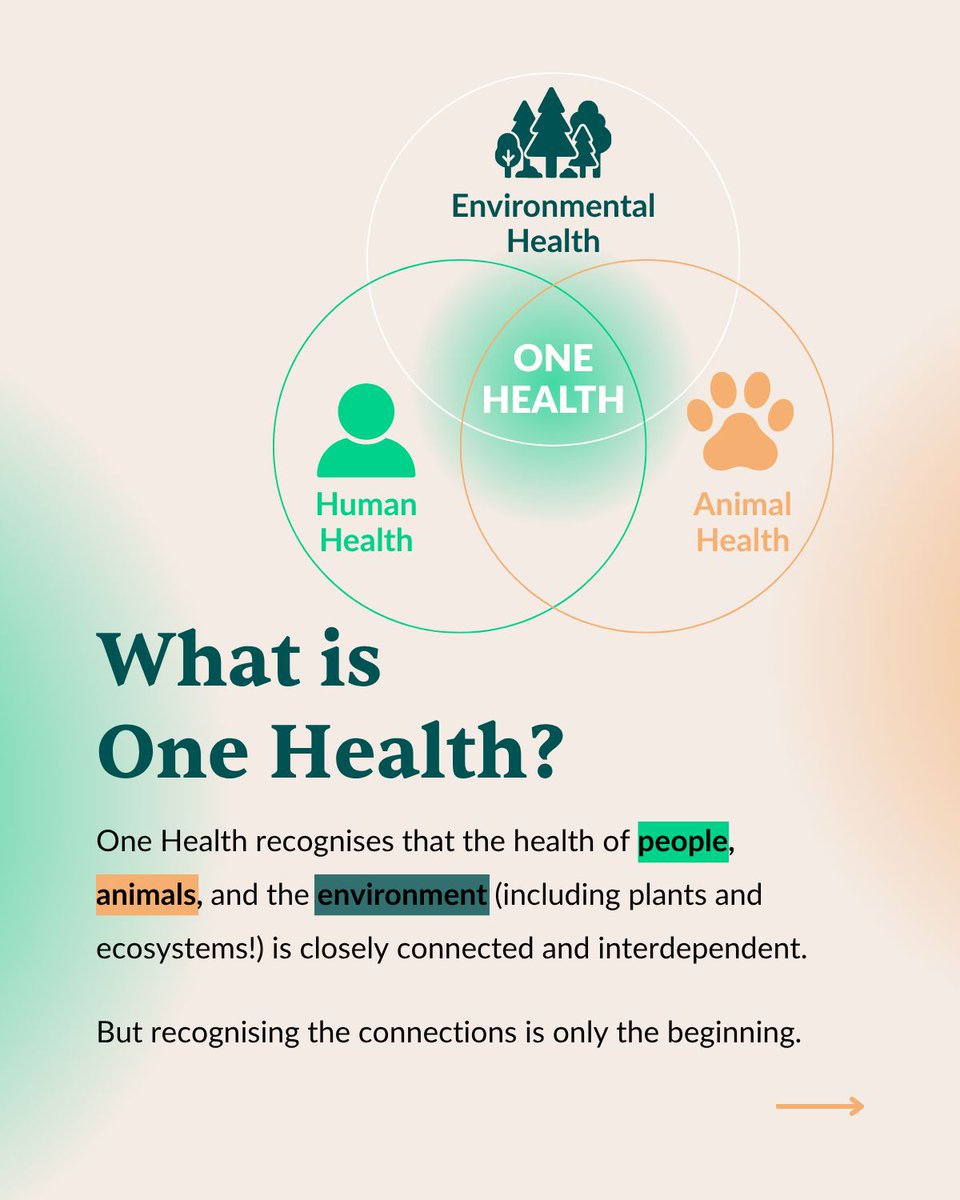
Human, animal and environmental health are deeply connected. #OneHealthDay is a reminder that addressing those links takes shared knowledge, unlikely collaborations and fewer professional silos. 🤝🌍
🌿 Young researchers are taking the One Health stage!
Join us online on 2 November at 10:00 CET for fresh research, open discussion and new connections across biodiversity, ecosystems and health. 🔬
Free registration in the original post 👇
1/2
🌍 One Health challenges do not respect disciplinary boundaries, and neither will this conference!
EU initiatives are joining forces to give young researchers the floor and share fresh work across biodiversity and health. 🧵
🎟️Register for free: https://t.co/HCXDiD22rH
(2/2)
In Bunduki, Tanzania, #RESTOREID researchers are comparing small mammals and pathogen dynamics across restored, degraded and natural habitats.
Swipe through the fieldwork, methods and next steps!
📖 Full story by Baraka Mwamundela: https://t.co/yek5DdvZpF
(1/2)
🐭 Three landscapes.
🗓️ Twelve months of monitoring.
🔬 One journey from field to laboratory.
Swipe through the fieldwork, methods and next steps!
📖 Full story by Baraka Mwamundela: https://t.co/yek5DdvZpF
🐭 What can 290 small mammals and three contrasting landscapes tell us about restoration and disease dynamics?
Follow RESTOREID research from trapping grids in Bunduki, Tanzania, to pathogen screening in the laboratory!
📖 https://t.co/UnrAmPT6iW
🔎 #RESTOREIDRewind
Does nature restoration always reduce disease risk?
Not automatically. Outcomes depend on local ecology, land use, host species, pathogens and how restoration is designed.
Explore the evidence: 📖 https://t.co/ePjonx36Nd
🔎 #RESTOREIDRewind
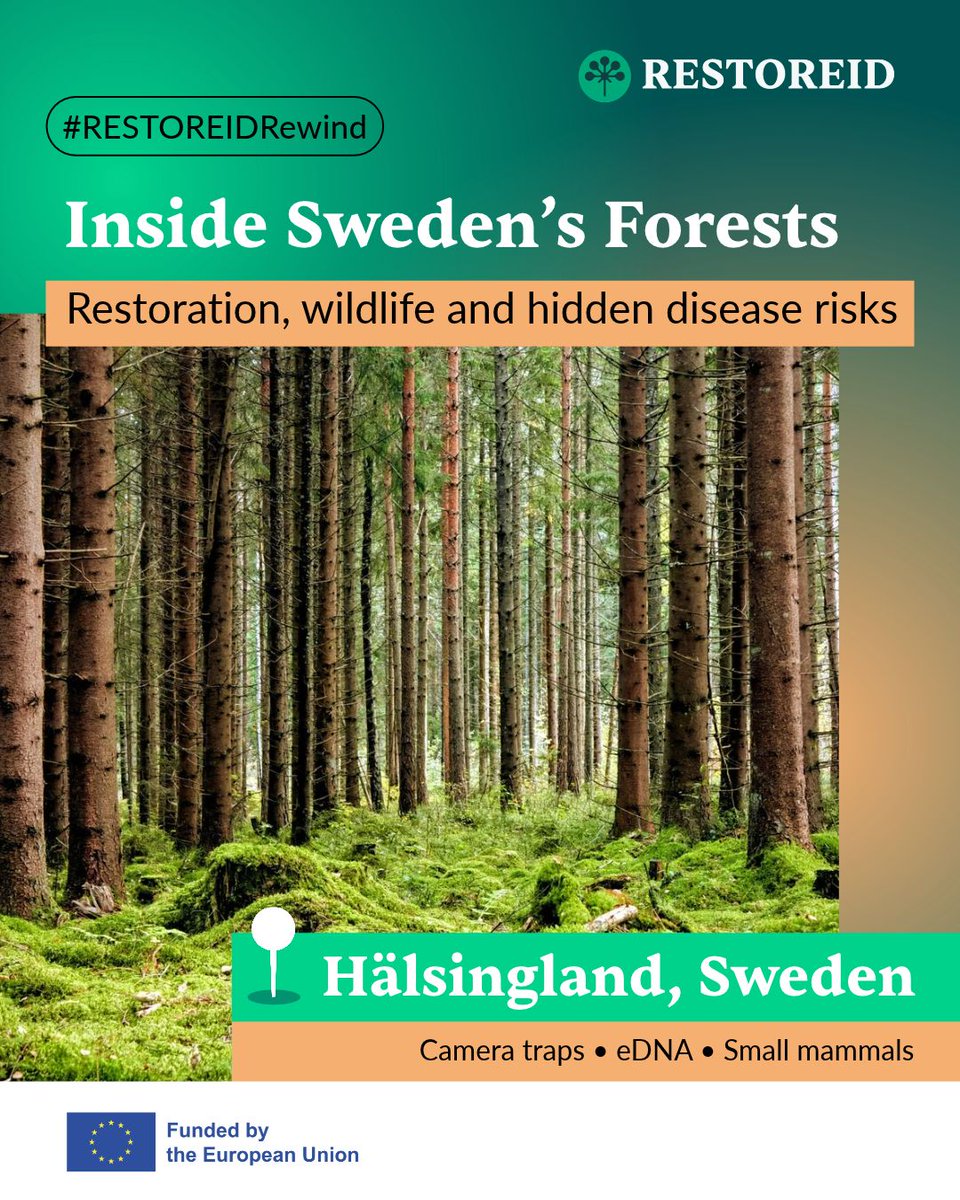
Sweden looks densely forested from above, but many forests are simplified and fragmented.
Across 20 plots, RESTOREID studied how restoration and forestry affect wildlife communities and pathogens.
📖 https://t.co/pmhCWF8EM8
🔎 #RESTOREIDRewind
Former industrial sites in Flanders are becoming forests and wetlands. As wildlife returns, how might pathogen dynamics change?
Explore RESTOREID’s work with rodents, ticks, eDNA and soundscapes:
📖 https://t.co/qHZQ5yQTUD