L'Ithaque de Nolan a été tournée sur le petit paradis qu'est l'île de Favignana qui fait partie de l'archipel des Egades à l'ouest de la Sicile.
Lieu chargé d'histoire, elle a vu s'affronter au large, les navires carthaginois et romains lors d'une bataille décisive au IIIe siècle avant JC. Les archéologues remontent chaque année des rostres de navires et des casques de soldats sur le site de la bataille navale.
On peut aussi plonger en touriste sur des épaves romaines de navires de commerce qui transportaient des amphores comme sur le site de Cala Minnola datant du Ier siècle.
Le palais d'Ulysse dans le film de Nolan est la forteresse historique de Santa Catariba, édifiée au XVe siècle sur une ancienne tour de guet sarrasine puis transformée en prison par les Bourbons. On y accède par un unique sentier bien raide après une heure de marche en pleine cagnasse 😰...
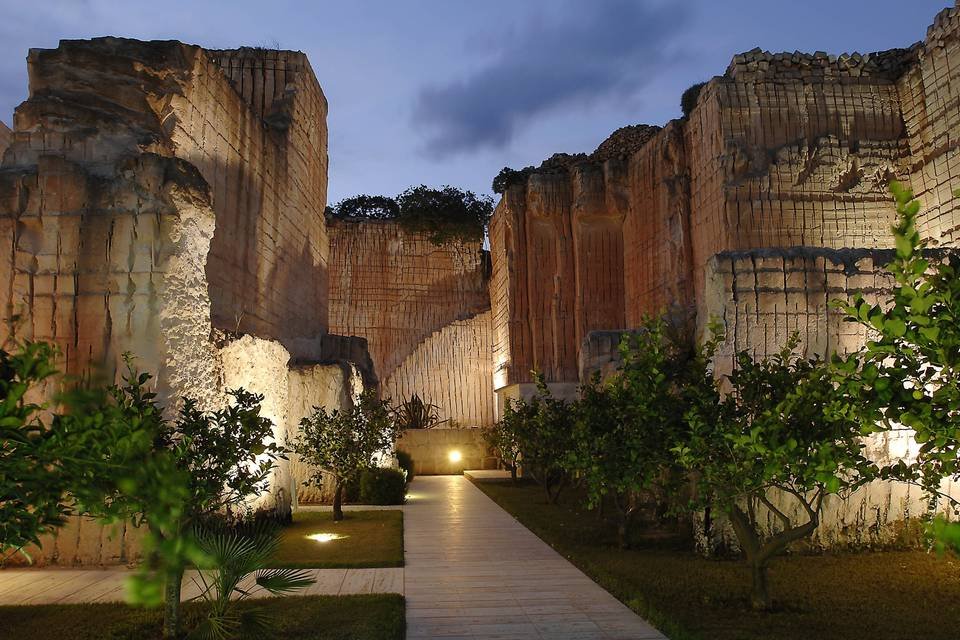
Et puis il y a ces curieux paysages de carrières de tuffeau, exploitée depuis l'Antiquité où des jardins ont été plantés et où il est possible de séjourner dans des hôtels intégrés...
A 5,000-year-old Hittite sword identified in an Armenian monastery in Venice.
In 2017, an Italian student Vittoria Dall’Armellina was visiting the Mkhitarist monastery on San Lazzaro in Venice when she spotted a familiar looking sword. The sword was mistakenly labeled as a medieval artifact and was thought to be a few hundred years old. It turns out it’s one of the oldest known weapons in the world.
Dall’Armellina, who was getting her doctorate in archaeology at Venice’s Ca’ Foscari University at the time, thought the object looked familiar to those she had studied for her master’s thesis on the early Bronze Age, when swords were believed to have been first invented. It turns out she was right: After more than two years of analysis, experts have dated the artifact back 5,000 years, according to an announcement from the university.
The University contacted the Mekhitarist congregation at San Lazzaro degli Armeni to find out more details about the object.
Father Serafino Jamourlian researched the archives and manage to find out its history. The sword was apparently sent in a donation of gifts from an Armenian art collector named Yervant Khorasandjian, to a monk named Ghevond Alishan, known as Father Leonzio, about 150 years ago.
Alishan was a famous poet and writer who was a friend of the famed English art critic John Ruskin; Alishan died in 1901, and his belongings passed on to his monastery.
According to a document that accompanied the donation, handwritten in Armenian and dating from the second half of the 19th century, the sword was found in historic Armenia minor, at Kavak, a settlement near Trabzon.
A surprising detail is that the sword was made of arsenical copper, an alloy of copper and arsenic used about 5,000 years ago, before true bronze was invented by alloying copper and tin. The sword was crafted during the era of the Kura–Araxes culture at the sight where the tribe named Hayasa was later described by the Hittites.
Archaeologists think swords were invented in that region, and the sword from San Lazzaro degli Armeni is now thought to be an early example — perhaps even the oldest.
It is well known that ancient Armenia was one of the earliest metallurgical centers. Ca’ Foscari University archaeologist Elena Rova told Live Science:
“It seems that in this area, between the northern Caucasus and Armenian Highlands, the sword was invented, and there were at least two typological variants,”
At Metsamor (Armenia) for example a 6000 year old metal smelting foundry was discovered, considered the worlds oldest. The foundry is known to have extracted and processed gold, copper, and several types of manganese, zinc, strychnine, mercury, and iron.
#archaeohistories
The tomb of Heinrich Schliemann, the man who discovered the site of Troy and excavated Mycenae and Tiryns.
An imposing mausoleum designed to resemble a miniature ancient Greek temple, adorned with friezes depicting scenes from the Trojan War.
A' Cemetery of Athens
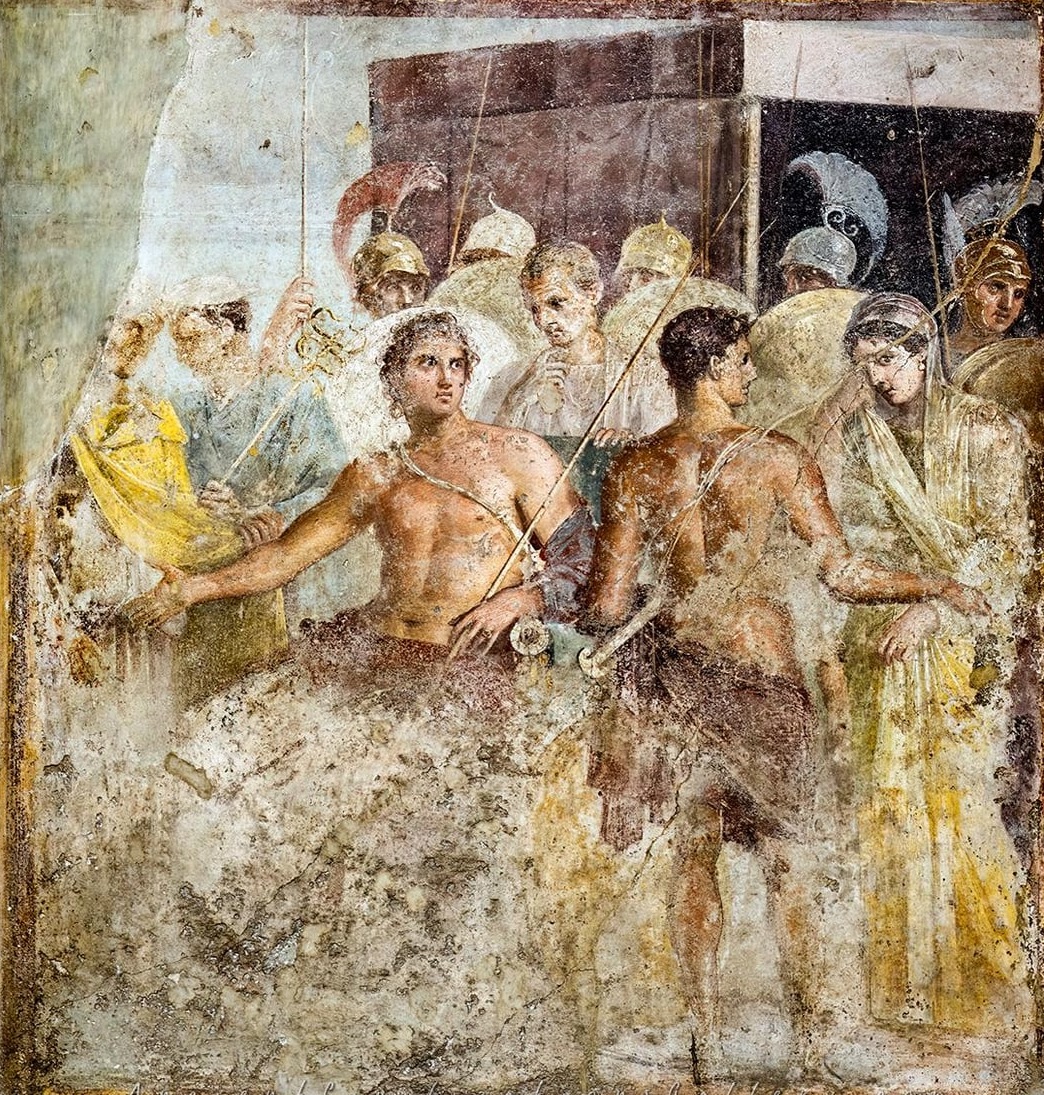
Voici l'une des plus anciennes représentations d’Achille.
La fresque représente un épisode majeur du chant I de l'Iliade : les hérauts d'Agamemnon viennent reprendre Briséis, captive attribuée à Achille après la prise de Lyrnessos. Contraint de céder son butin, le héros voit son honneur bafoué.
Cette fresque, peinte entre 62 et 79 apr. J.-C., ornait la Maison du Poète tragique à Pompéi. Ensevelie par l'éruption du Vésuve, elle est aujourd'hui conservée au Musée archéologique de Naples.
Cette peinture est aussi un précieux témoignage de la manière dont les Romains du Ier siècle se représentaient les héros de la mythologie grecque.
En savoir plus sur l’Odyssée : https://t.co/ltXovpmQbl
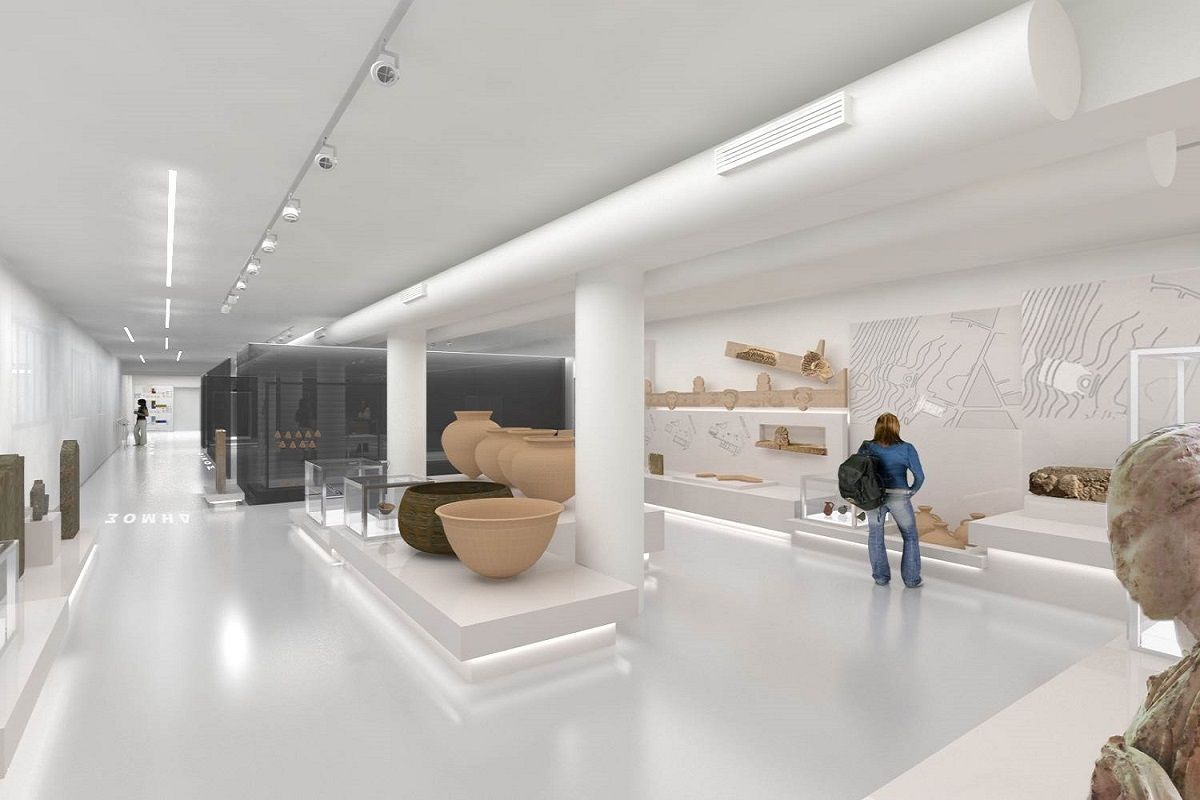
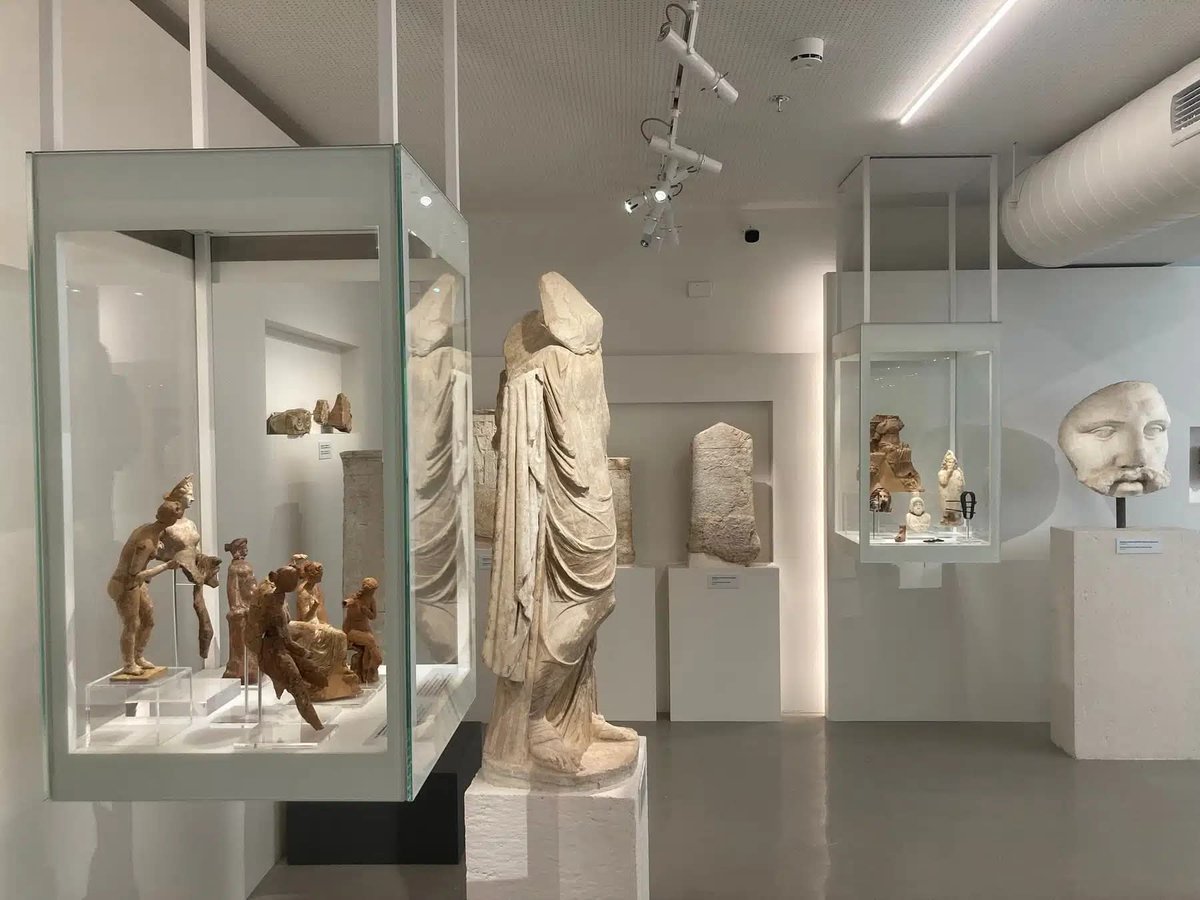
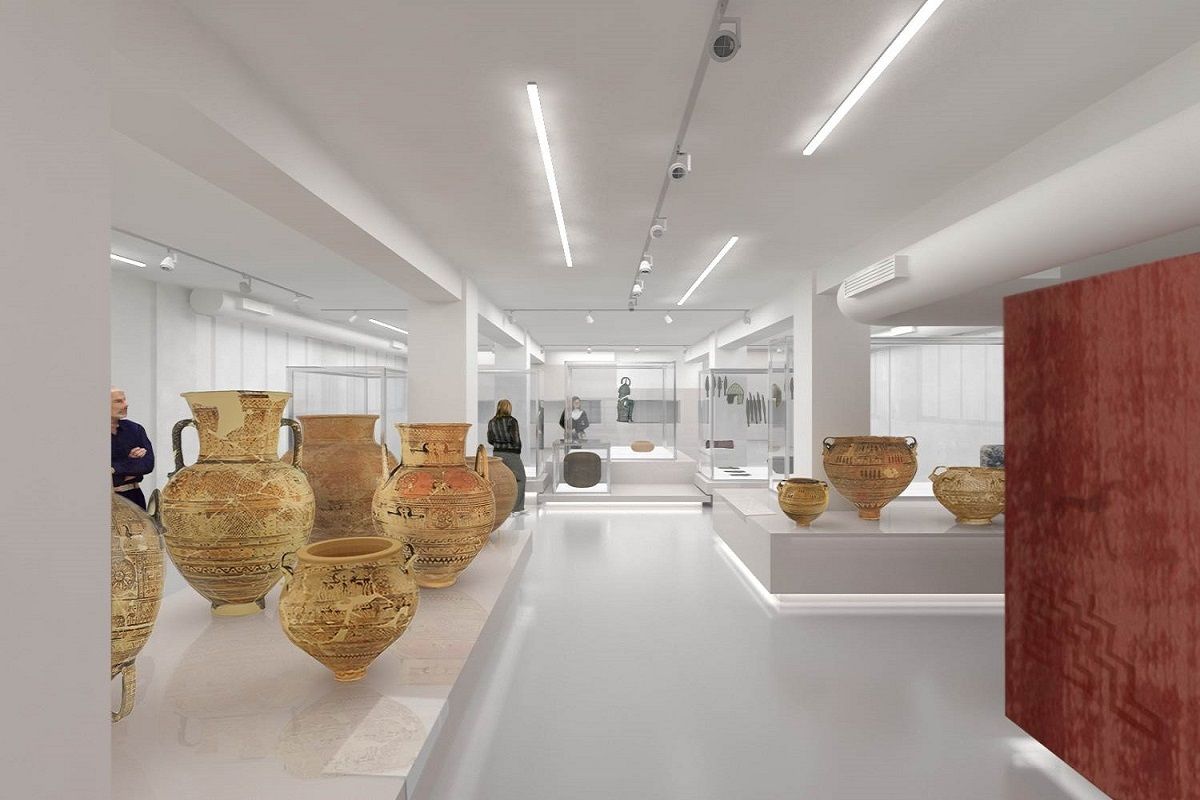
Après 12 ans de travaux le musée d' #Argos en #Grèce vient de réouvrir ses portes au public. Sa surface d'exposition a doublé, passant à près de 1000 m2, permettant d'exposer ses belles collections retraçant l'histoire antique de la région des Argolides, des Mycéniens aux Romains!
📸 Ministère grec de la Culture
I am looking for the aspiring manga artist from Morocco who contacted me 10 years ago.
At the time, you told me you were living in Italy.
I hope you’ve been well.
Did your dream come true to become a manga artist?
If you are on X, I would be very grateful if you could reply.
After hearing your story, I have spent the past 10 years telling it to people across the industry.
You may not know how many people I shared your story with during those years.
I met countless people, persuaded many, imagined many possibilities, faced repeated setbacks, and still did not give up.
I kept my promise to myself: to keep going until the day a manga scene is born in Morocco.
There are things I want to say to you, but I have no way to reach you.
I sincerely hope we can find a way to reconnect.
Les Kurdes sont en train de se faire assassiner. Ceux qui étaient ravis de les voir combattre en première ligne contre Daech les ont abandonnés.
Nous, nous les considérons comme nos frères et sœurs de lutte.
Il est temps de reposer la question de l'existence d'un État-nation pour le peuple kurde.
21 years ago, 13-year-old Najmia became a symbol of defiance in Yemen. Featured in the 2005 documentary A Stranger in Her Own City, she refused the veil and played football with boys, famously telling critics she could play however she wanted.
Despite global acclaim, she eventually succumbed to intense social and family pressure. About seven months after the filming ended, her father forced her to wear the veil and pulled her out of school, ending her independent lifestyle and education.
This lung damage from e-cigarettes is permanent — and entirely preventable.
Flavored e-cigarettes, aggressively marketed with candy-sweet names and bright packaging, are proving far more dangerous than their playful image suggests.
A chilling new case underscores the threat: an American teenager, who vaped secretly for three years, has been diagnosed with bronchiolitis obliterans—better known as “popcorn lung.” This rare, irreversible disease scars and blocks the lungs’ tiniest airways, condemning patients to lifelong shortness of breath, wheezing, and chronic cough.
First identified in microwave-popcorn factory workers exposed to the butter-flavoring chemical diacetyl, the condition is now resurfacing among young vapers exposed to the same and similar compounds when flavorings are heated and inhaled.
E-liquids can contain more than 180 different flavor chemicals, most of which have never been tested for safety when aerosolized and breathed deep into the lungs. While many are considered safe to eat, inhaling them bypasses the body’s natural filters, allowing potentially toxic byproducts to reach the delicate lung tissue and bloodstream.
This latest case has reignited urgent demands for stricter regulation of flavored vaping products and better education—especially for teenagers who are the primary targets of the industry’s marketing. The message is stark: the sweet clouds that taste like dessert can quietly destroy a young person’s lungs for life.
This very famous picture shows the face that was separated from its donor (a woman who died of an overdose) after 16 hours of a transplant operation at the Cleveland Clinic in Ohio.
The surgeons are observing it, pausing before transplanting it, a task in which they would spend another 15 hours to "stick" the face onto Katie Stubblefield, the youngest patient in North America to undergo a transplant of this type.
The photo was among the National Geographic's 21 Most Attractive Images of the 21st Century.
@Paroles_auteurs@CoralieMarly « Telle est la vie des hommes. Quelques joies, très vite effacées par d'inoubliables chagrins. Il n'est pas nécessaire de le dire aux enfants. »
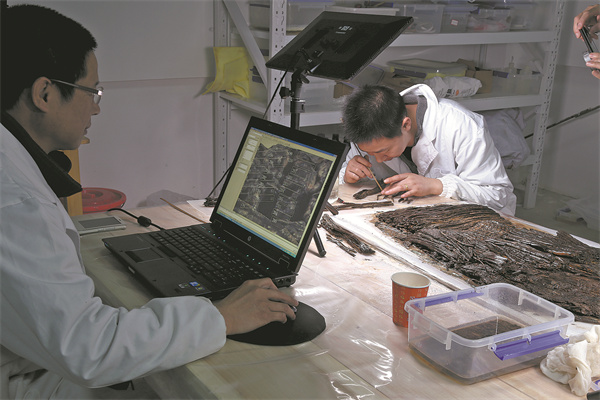
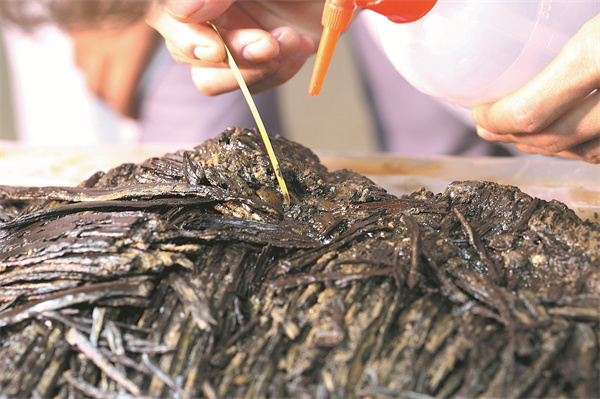
🥳A thrilling breakthrough in Chinese archaeology and literature! Bamboo slips from the Marquis of Haihun tomb in Jiangxi province have revealed the first known complete version of The Book of Songs (Shi Jing), dating to the Qin (221-206 BC) and Han (206 BC-AD 220) dynasties.📜
📌NOTICE: The gallery dedicated to books and bamboo slips at the museum built in the National Archaeological Site Park for Nanchang Han Dynasty Haihun Fief Site is now closed for renovation. It will reopen next year with newly conserved pieces on display. Stay tuned!
Learn more🔎:
https://t.co/uSDe2Gx8u7
#ChineseArchaeology #ChineseLiterature #TheBookofSongs #MarquisofHaihuTomb #archaeology #heritage
The 2000 Year-Old Faces of Aphrodisias.....
The mask and garland friezes found at the world-renowned Aphrodisias, a UNESCO World Heritage Site in Aydın 🇹🇷, are attracting attention. The faces, which have become the symbol of the city and are located at the entrance to the city of Aphrodisias, remain as they were when they were painted, reflecting the moods, gestures, and facial expressions of the people of that time. The information panel in the section containing the masks reads, "The mask and garland frieze was a popular architectural decorative element in Aphrodisias, adorning the lon-style porticoes in the city's squares."
The settlement that would later become known as Aphrodisias dates back to 5000 BC. Remains of these earliest phases can be seen in the conical mound beneath the city's theater. The city thrived for thousands of years and served as a center for the cults of ancient Anatolian and Middle Eastern goddesses such as Ishtar and Cybele, until the rise of Greek culture, when the local goddess was replaced by Aphrodite, from whom the city would take its name. The worship of Aphrodite, the goddess of love and fertility, led to the construction of some of the city's most magnificent structures.
Aphrodisias remained a relatively unimportant city until the 2nd Century BC, when its people supported the Romans, who in turn supported the city, financing public construction projects and making it the capital of the Carian Province. The celebration of Rome is a constant presence among the ruins of Aphrodisias. The imagery of the empire is a constant symbol of the Roman Empire. Ornate buildings, statues, and statues of victorious emperors indicate a strong connection between Aphrodisias and imperial capital.
Another interesting connection between Aphrodisias and Rome emerges through a particularly prominent citizen. Caius Julius Zoilos, a former slave of Caesar Augustus, returned to Aphrodisias after his release, lured by wealth and support of the Emperor. Three of Aphrodisias' monumental structures were built by the former slave as a celebration of Rome. During the Roman period, a sculpting school was established here, utilizing the high-quality white and blue-gray marble found in the nearby hills. The works of these masters and their students adorned the city, making it one of the most beautiful sites in the region.
In the ancient city, Sebasteion was a temple dedicated to Aphrodite and the Roman Emperor-gods. Upon its completion, it became one of city's most awe-inspiring sights, a display of wealth and artistry that showcased the skill of Aphrodisian artisans. Sebasteion of Aphrodisias, which took a total of forty years to build, was completed in 60 AD.
Originally, there were approximately 200 high-relief panels depicting the grandeur of Rome. Some depict figures from classical mythology, while others depict emperors triumphing over peoples subject to the Roman emperor. Ethiopians, Jews, Britons, and Armenians are depicted in various ways, often at the feet of a majestic emperor. The ancient city's sculpture collection and exquisite architecture are so unique that it has been designated a UNESCO World Heritage Site.
"The ancient city of Aphrodisias, located within the boundaries of the Geyre neighborhood of the Karacasu district of Aydın province, is situated on a plateau approximately 600 meters above sea level in the fertile valley formed by the Dandalaz (Morsynus) Stream, a tributary of the Meander River."
#archaeohistories
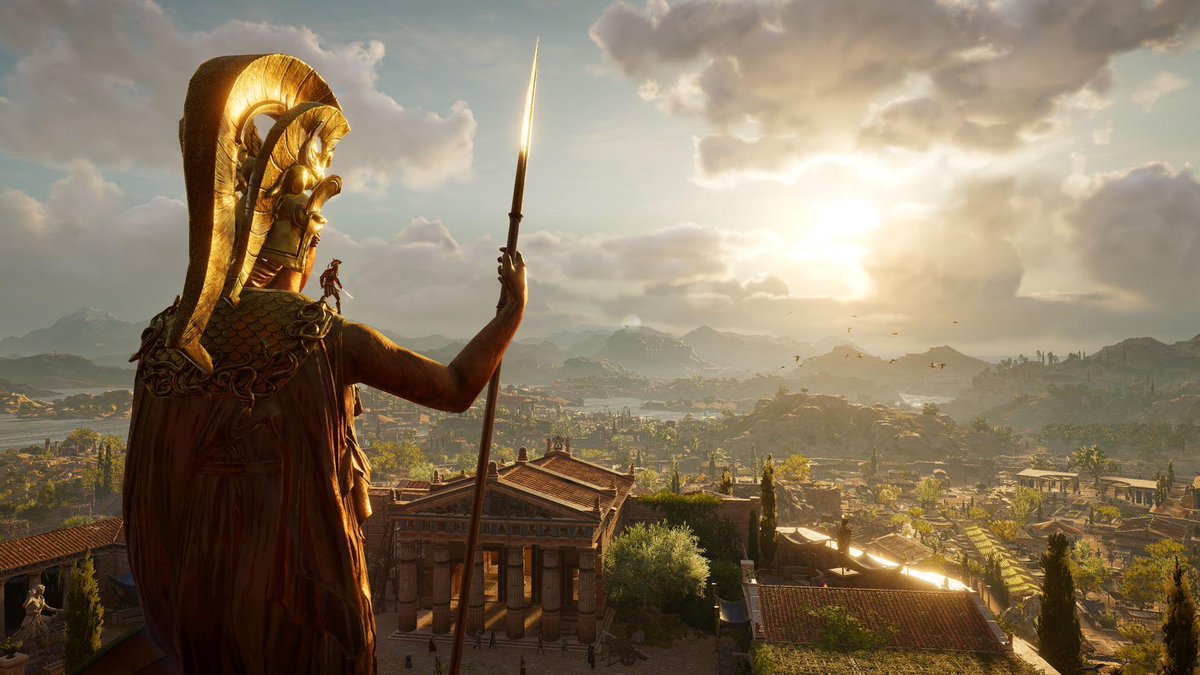
Que pensez-vous d’Assassin’s Creed : Odyssey, édité par Ubisoft en 2017 ?
Grand fan du jeu et de sa bande-son, j’ai passé plus de 300h à parcourir une Grèce plongée dans la guerre du Péloponnèse. Si la mécanique peut sembler répétitive, les décors très riches sont parfois restitués dans leurs moindres détails archéologiques - Olympie, Delphes, l’Acropole athénienne - , les quêtes mythologiques - Atlantide, Enfers, Cyclopes, Méduse, etc… - et le mode « Découverte » offrant une infinité d’informations sur l’histoire et la mythologie grecques.
C’est une énigme irrésolue, un mystère qui fascine depuis la fin de l’Antiquité : où repose le corps d’Alexandre le Grand ? Une enquête menant des rives du Nil à Venise à dérouler dans votre fil du week-end 🧶
The oldest paved road you can walk in Europe is the Minoan Royal Road in Crete, Greece, which is over 3.500 years old. A 50km roadway connecting the ancient sites of Knossos, Gortyn & Lebena.
If you go to Knossos, you will step exactly where the Minoans walked 4.000 years ago.
Une bachelière de Gaza qui a survécu à cinq guerres et un génocide vient d'obtenir le score de 99,4% dans la filière scientifique. Nasma est la meilleure élève de Gaza et elle est une source de fierté immense. Une grande source d'espoir aussi.
Que Dieu la protège et la guide vers un avenir radieux! 👏👏👏