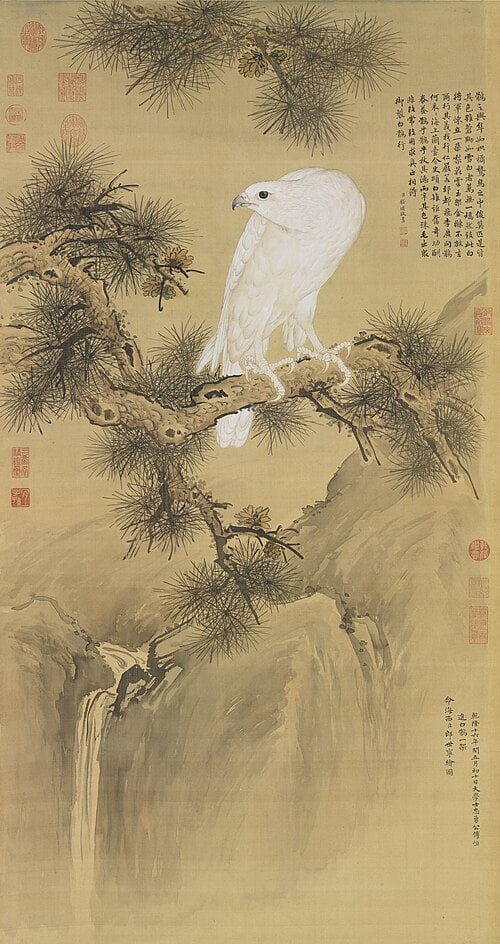
Giuseppe Castiglione’s synthesis of Qing-era Chinese painting with naturalistic Western depictions has to be one of the most elegant styles I have ever seen.
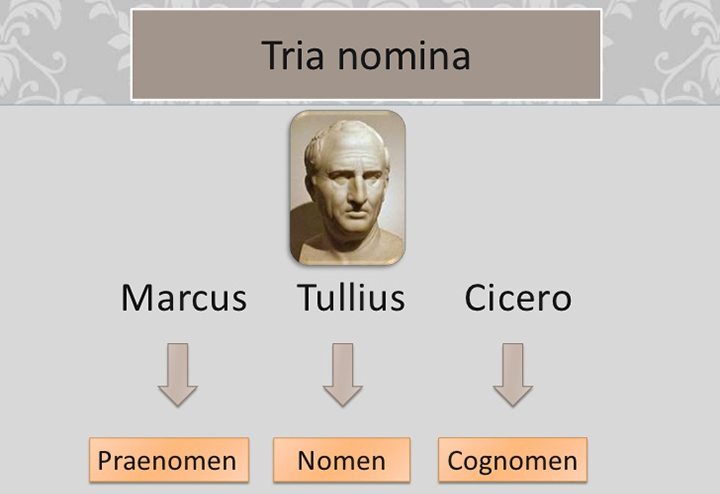
The Roman naming conventions are odd because they're EXTREMELY non-IE.
Most IE languages tend to use dithematic names – two lexemes w/ a list of common stems tied into a single name. The Roman tria nomina are nothing like that. They're however similar to some Semitic conventions
@Robkearney1981@Empty_America Acting as the bulwark of feudalism for 1800 years and then criticizing its replacement (in many cases for things that were worse under feudalism) is not exactly “woke”.
@NewLeftEViews Read Political Order and Political Decay or the Origins of Political Order. He is a very erudite and broad thinker. Just because only one of his ideas has become universally known does not mean that’s his only good point.
@marcatosempre@PAstynome I mean tbh I don’t know if the Ming could have lived no matter what they did. The question ultimately comes down to extremely unfortunate military dynamics for “juicy target” countries like China and India that were close to the steppe, but struggled with their own cavalry.
@marcatosempre@PAstynome If they do that, you would still say the southern merchants were given too much power. The key point is there is no free lunch. If the state wants to use a soft currency it must place credible constraints on its own monetary policy. Or people will just use silver in practice.
@marcatosempre@PAstynome Song did not have a weak military. The military consumed the vast majority of state expenditure, and Song state revenues were quite high by Chinese standards. They had to face a once-in-history “black swan” threat. Would any dynasty before the Qing have survived the Mongols?
@marcatosempre@PAstynome The whole Ming project was like King Cnut fighting the waves. The wealth and commercial dynamism of Jiangnan and the South was never the villain. In fact PRC itself has grown using Guangdong and Shanghai-Hangzhai corridor as its bootstraps (plus Manchurian industry).
@marcatosempre@PAstynome So I think you’re seeing the causality the other way. By making oversea trade (which could have been China’s golden ticket like it was in the Song) onerous and destroying the legitimacy of their own currency, the Ming laid the seeds of their own fiscal collapse, sooner or later.
@marcatosempre@PAstynome In fact before silver, between the hyperinflation caused by money printing (1425) to silver rush (1525) paper notes had already been abandoned, people already switched to copper.
And most importantly, again, the Ming state did not even accept paper notes as tax. That killed it.