@Frozen_Frog_8@enjoyniigata Makes sense from the corporate point of view. I’m sure it was one of the reasons Sony has stopped physical games too, no more resale and nothing anyone can do about it! 😂
So happy to have a new 2D Castlevania! I’m not sure it can live up to how much I love the GBA and DS ones, but I’m still excited to play it, it’s been far too long!
BREAKING: Electronic Arts is cutting 400 jobs and shutting down BioWare, the legendary development studio behind Dragon Age and Mass Effect. https://t.co/suZD0eRvG1
Really interesting discussion from both sides of the argument.
From what I’ve seen it basically boils down to differing cultural opinions on morals, ethics and legalities. From what I’ve seen, the Japanese are saying that piracy of out of print games can potentially harm the companies future sales so therefore it is illegal and should not be done.
The western side seems to think it’s ok because the company won’t be making any money from a game they don’t have on sale anyway…
I see merit in both sides of the argument and it’s quite frustrating to see the comments be so black and white.
I personally don’t pirate anything I don’t already own, (it’s 100% a moral thing on my end, I don’t have a problem with anyone else doing that. although owning in my case usually means buying from the second hand market, meaning the company will never see any of my money anyway..)
I would never pirate anything that is currently available to buy new.
I think it’s better for more people to enjoy the game (or any other media) than be forced not to ever engage in it because of a law that supposedly protects the companies’ future profits.
I also saw an argument that mods and fan translations are also illegal and should never be used. Mods I kind of get, as it’s changing the intended experience, but on PC, especially in the west, it’s usually seen as a good thing and can help prolong the games lifespan. But then there’s the thoughts that prolonging a games lifespan is actually bad because people’s attention will still be in the old game rather than whatever new the company has produced. But the counterpoint to that is people’s attention could always be on something else. If someone choose to play an old game by the same developer instead of buying the new one, there’s no difference.
Fan translations though I see no problem with at all, if a game is never going to be released outside of its own country. That shouldn’t stop others being able to engage with it. Some fan translations have even been used by companies as official translations in the future, e.g Falcom using fan translations for the Ys and Legend of Heroes games. Helping bring more awareness to a franchise is only a positive in my eyes and can only mean more potential sales in the future if the company decides to do international releases. I’ve played a lot of the Japanese games I picked up over the years by patching a fan translation. If they ever get an official English release, I’d buy them to support the company, but currently there’s no way to financially support the majority of companies. Maybe they should all have Kofi accounts for people who want to donate after enjoying a fan translation?
Ultimately, games should be more accessible and companies should put more effort into preserving their games and keeping them available on modern platforms.
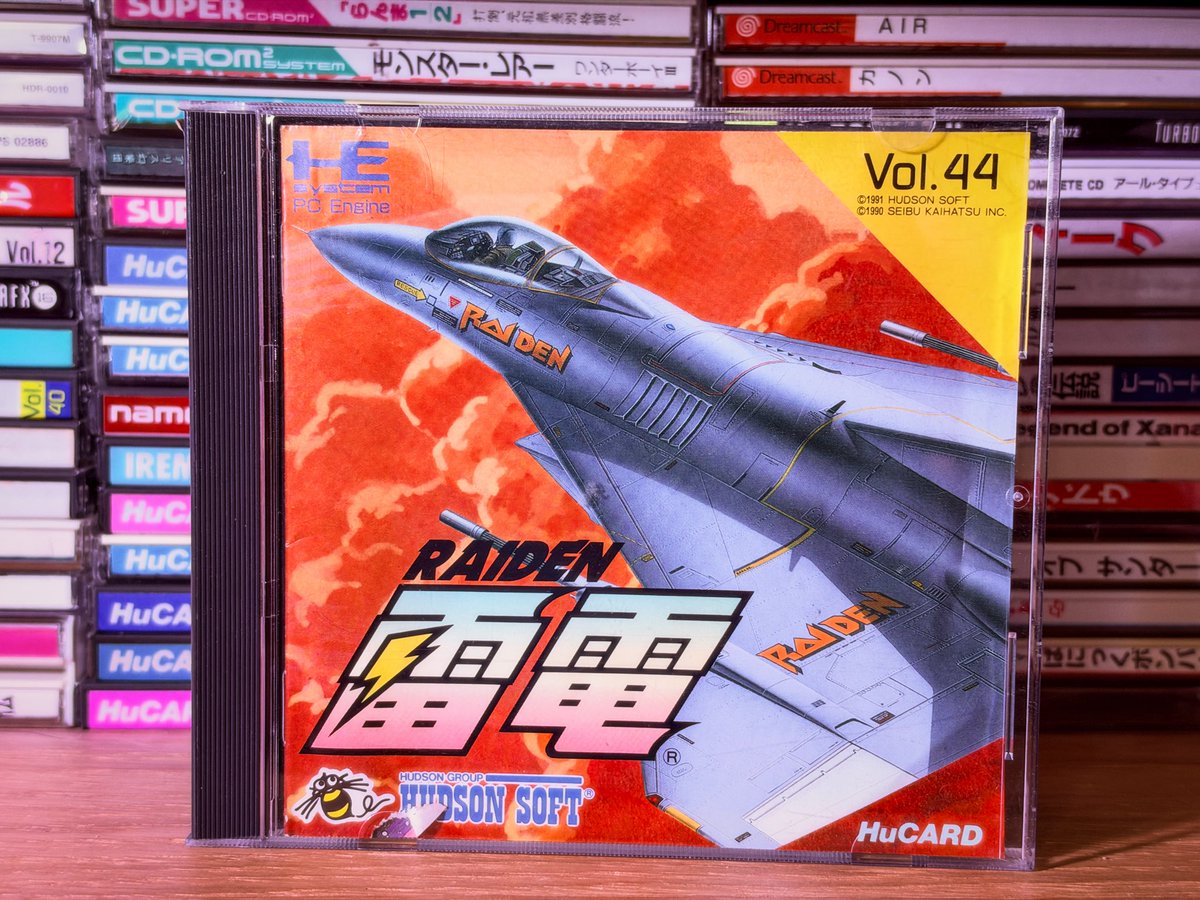
just thought it was interesting that the warnings on the back of the box. I've since found out that it wasn't a law as such, and just a recommendation from the manufacturer. And a lawsuit happened back in 2002 to make it legal to sell second hand copies. it's been very interesting finding this out!
Yes I read it all. I’m genuinely interested in gaming history and hearing a real world account of what a game shop was like back in the Famicom days was fantastic. Sounds like things were a lot more exciting back then with all the promotional materials the companies would send out!
No need to be snarky. According to the warning on the back there, and what people have been telling me, selling second hand games was not allowed until a lawsuit was passed in 2002, but stores decided to sell them anyway. Have a look at the replies, plenty of people have explained it very well! It’s really interesting to see how the rules changed over time!
@tplmwmdkpjmjmwt Well the reason I brought it up was that the warnings on the back looked like it was saying that it was illegal to sell the game second hand. I’ve since learned that from 2002 after a lawsuit, those warnings were dropped.
@qooniangniang From the other comments I’ve received, that’s not entirely true, the resale of games only took effect legally after a lawsuit back in 2002. You can see on the back of the box here that the manufacturer didn’t allow the sale of the game on the secondary market
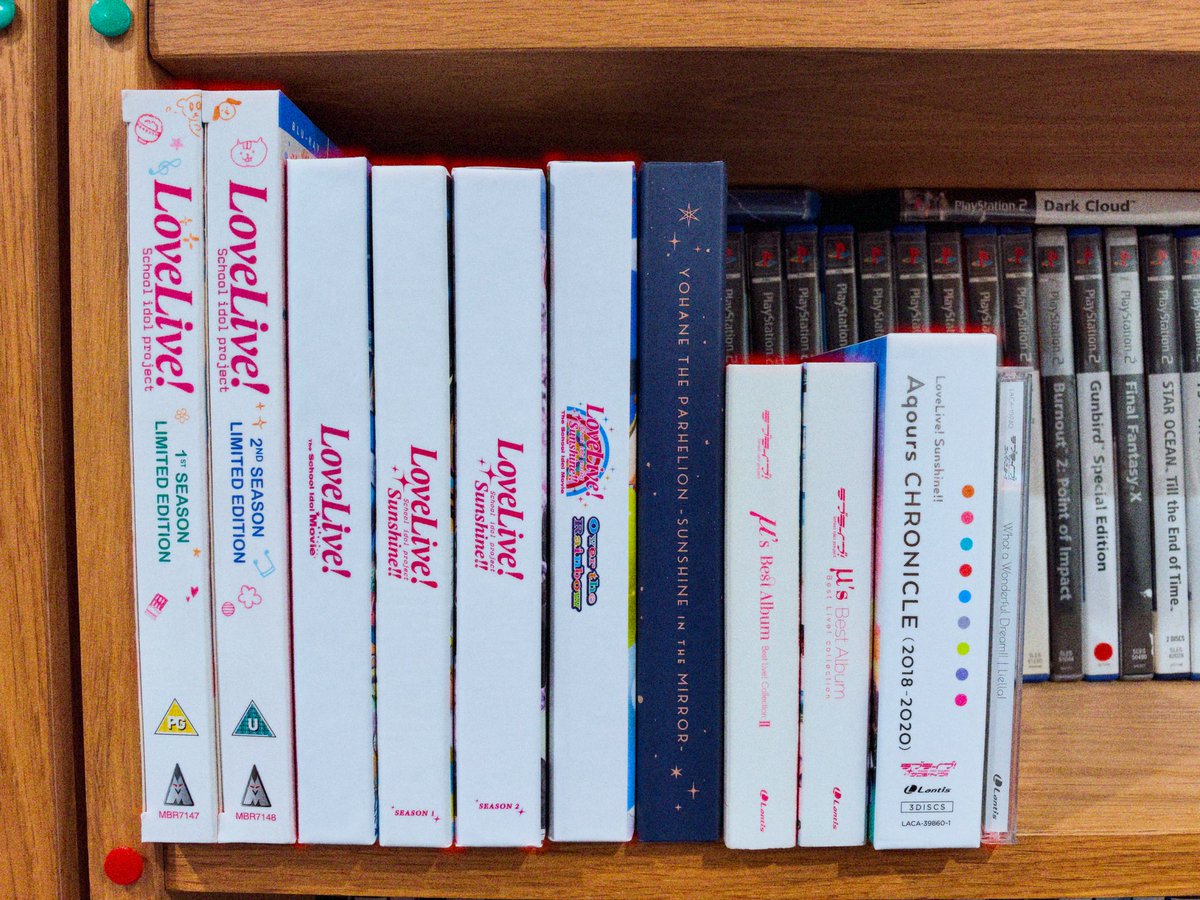
My Love Live collection so far, just finished watching Yohane, excited to start Nijigasaki next, and hope to find some of the concert Blu-Rays and the Aqours documentary in Japan!
@mySaimy No worries :) It's been really interesting seeing things like this. It seems Japan is much more interested in trying to change and fix the rules, rather than choosing not to follow them, which seems more common in the west!
@unionrocker0810 Yes, I didn’t know the law changed in 2002, which people have now explained to me. Sorry if my original post came across as harsh, I was confused seeing that notice on the back of the box after all the talk of not breaking the law that had some up on my previous tweet!