Chief Tunde Oladugbagbe is a cultural visionary, strategist, and spiritual leader bridging Africa, Asia, and the diaspora for restoration and innovation
@drpenking Tweeter used to be a place for serious discussion about business,ideas and professionalism but since Covid it has become a place for jobless folks who are only interested in what others do. Mtchew!
On behalf of Chanmus inter religious Foundation, I extend heartfelt condolences on the passing of President Muhammadu Buhari, former Head of State and President of Nigeria. His life was marked by discipline, national service, and firm conviction.
While history will remember his leadership through many lenses, his role in shaping Nigeria’s path remains undeniable. May his soul find peace, and may his family be comforted in this time of mourning.
Chief Tunde Oladugbagbe
Lisa Jigan Itagbuyi of Ondo Kingdom
National Chairman, Chanmus,
Nigeria
History will not forget those who brought ruin upon our land through violence and politically motivated bloodshed, whether in the name of politics , religion or misguided secession.
As Yorùbás, we are a people committed to rising to the greatest heights for the advancement of the Black race.
Our path is guided by wisdom, culture, peace, and purpose — not by the savage instincts of those who traffic in blood , and chaos. We should have no dealings with such agents of darkness.
For the sake of helping those that are infatuated with the beauty of Lagos and want to covertly take it by force.
The Owners of Lagos: A Story of Aṣẹ and Arrival
Long before the glitter of glass towers and the hum of engines, Lagos was a land of whispers — of tides that spoke in riddles and forests that kept royal secrets.
In those days, it was called Èkó — a name not given by strangers, but whispered by Olofin, the spiritual custodian of the land. He had arrived from Ile-Ifẹ̀, carrying a sacred calabash given to him by Odùduwà himself — the father of the Yoruba.
Olofin came not to conquer, but to settle and sanctify, planting the staff of Aṣẹ into the soil beside the lagoon. With him were men of vision and women of wisdom. Among them were the ancestors of the Idejo chiefs, custodians of land and heritage, whose lineage would forever shape the spirit of Èkó.
The land did not belong to kings in golden crowns — it belonged to the ancestors, the Ọbàrẹ̀, the spiritual landlords, and to the people who respected the rhythm of the lagoon.
Then came Aromire, a noble farmer and warrior. He cultivated the land with yams and vision, trading across waters and spirits. From him would rise the dynasty of the Eleko of Eko — the traditional kings of Lagos.
But the true owners were never just the warriors or the rulers. The true owners were the ones who remembered:
•The children of Aṣípa, Olumegbon, Akinsemoyin, and Ojomu.
•The women who sang to the lagoon and swept the markets with prayers.
•The fishermen who poured libation to Olókun before setting sail.
•The Bini legacy of Oba Orhogbua who planted law, yet left culture to bloom.
For Lagos was a mirror — reflecting both Bini royalty and Yoruba spirituality. Its owners were not one, but many, bound by covenant and cohabitation.
As the centuries passed and strangers came with ships and steel, the spirits of Èkó stood firm. Even today, under concrete and noise, the ancestors walk the streets in silence.
For Lagos remembers.
And those who own her are those who honor her soul.
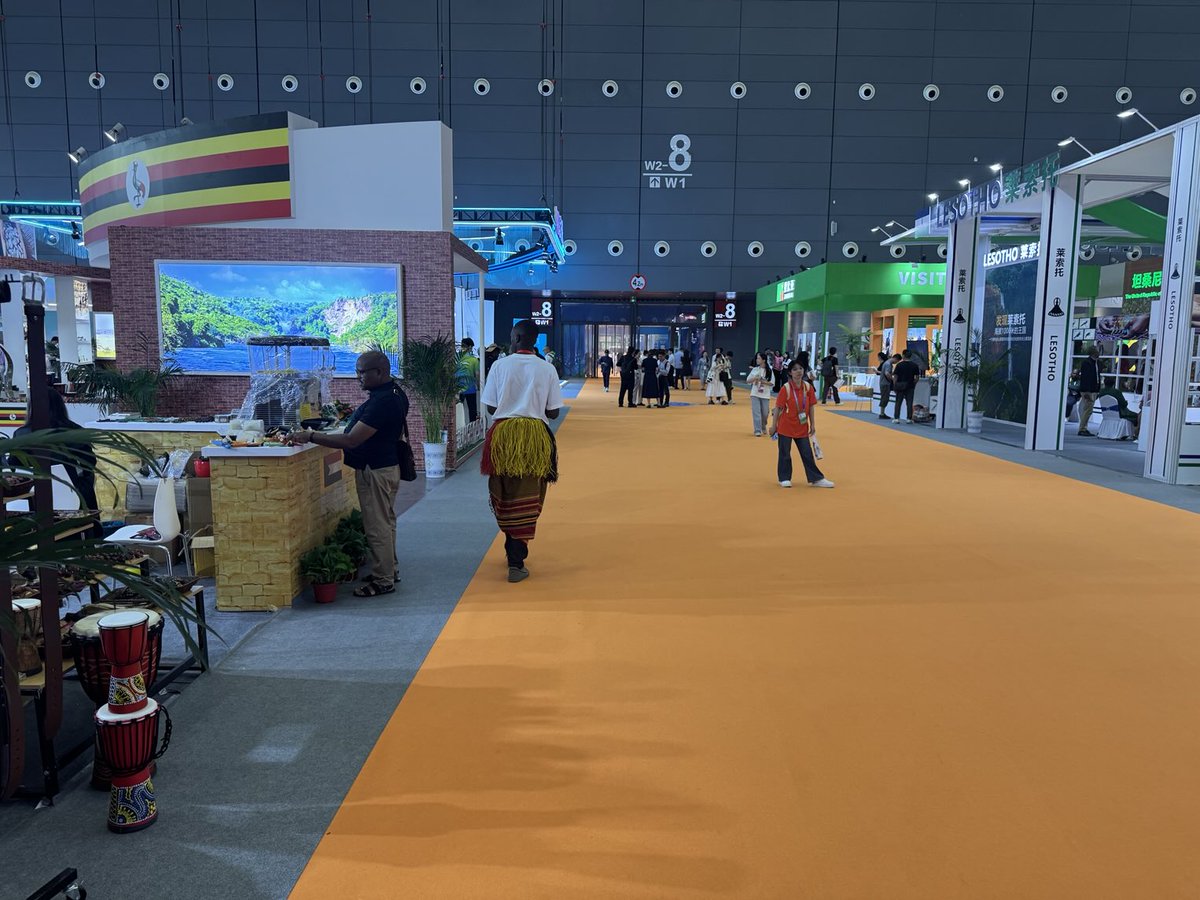
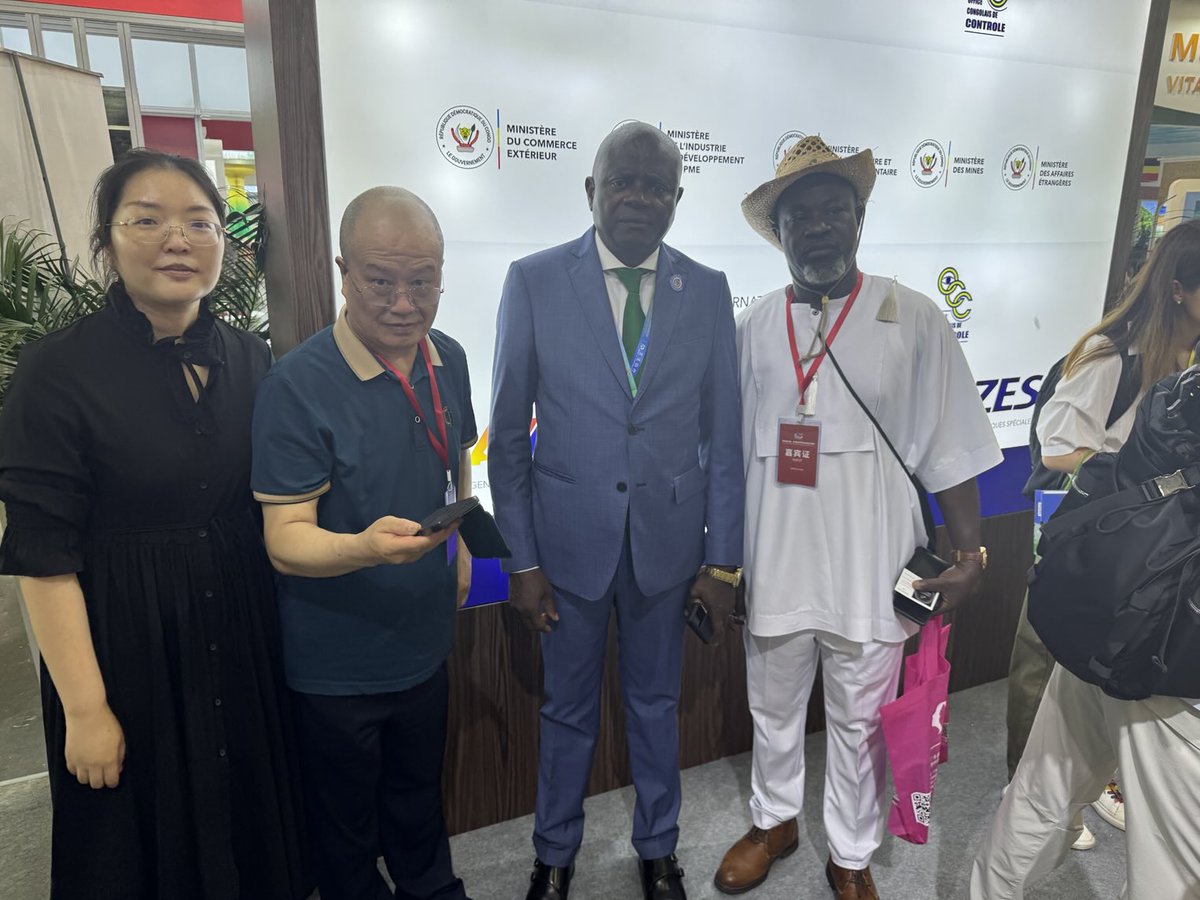
I couldn’t find Nigeria in this historic event. This is not an event to go AWOL. It’s more painful seeing other smaller countries well represented by their Leaders, Ministers, Senators and Governors.
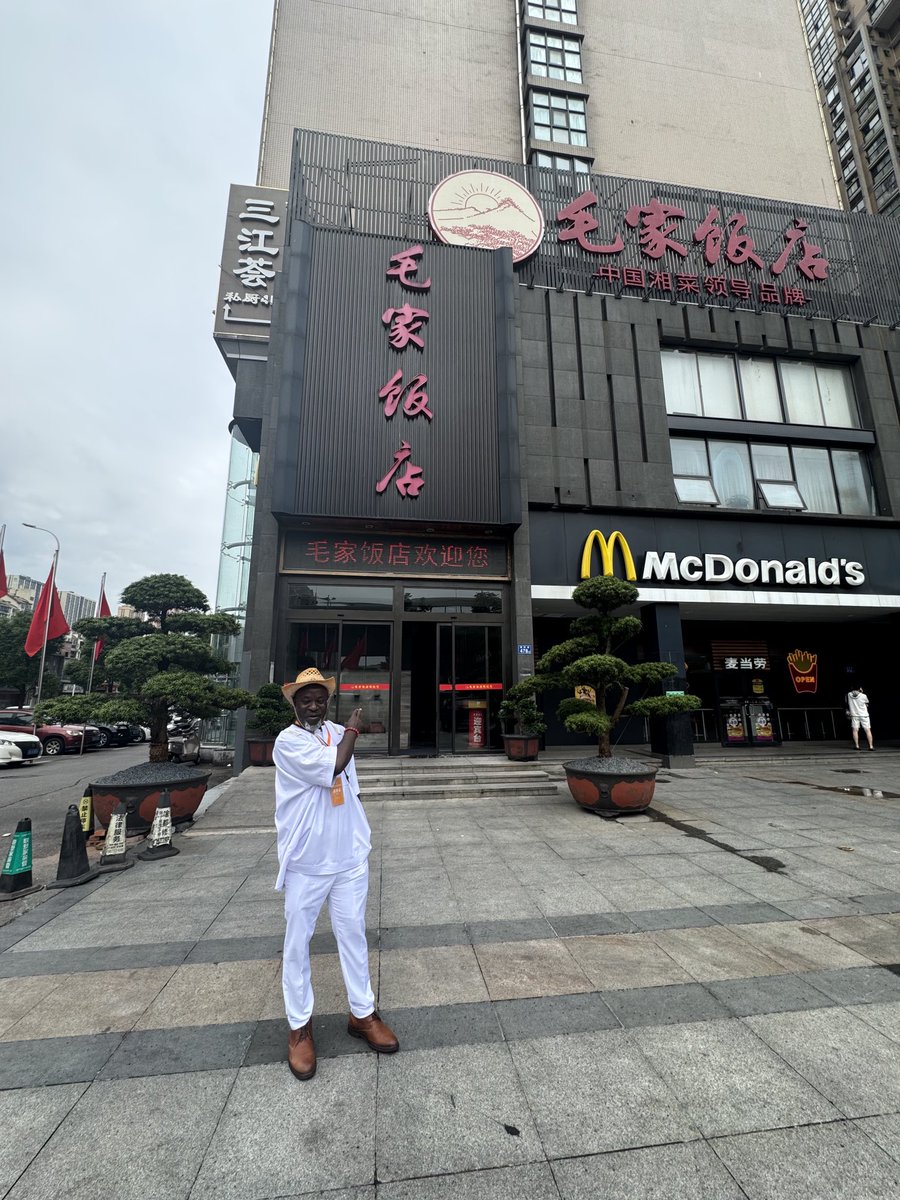
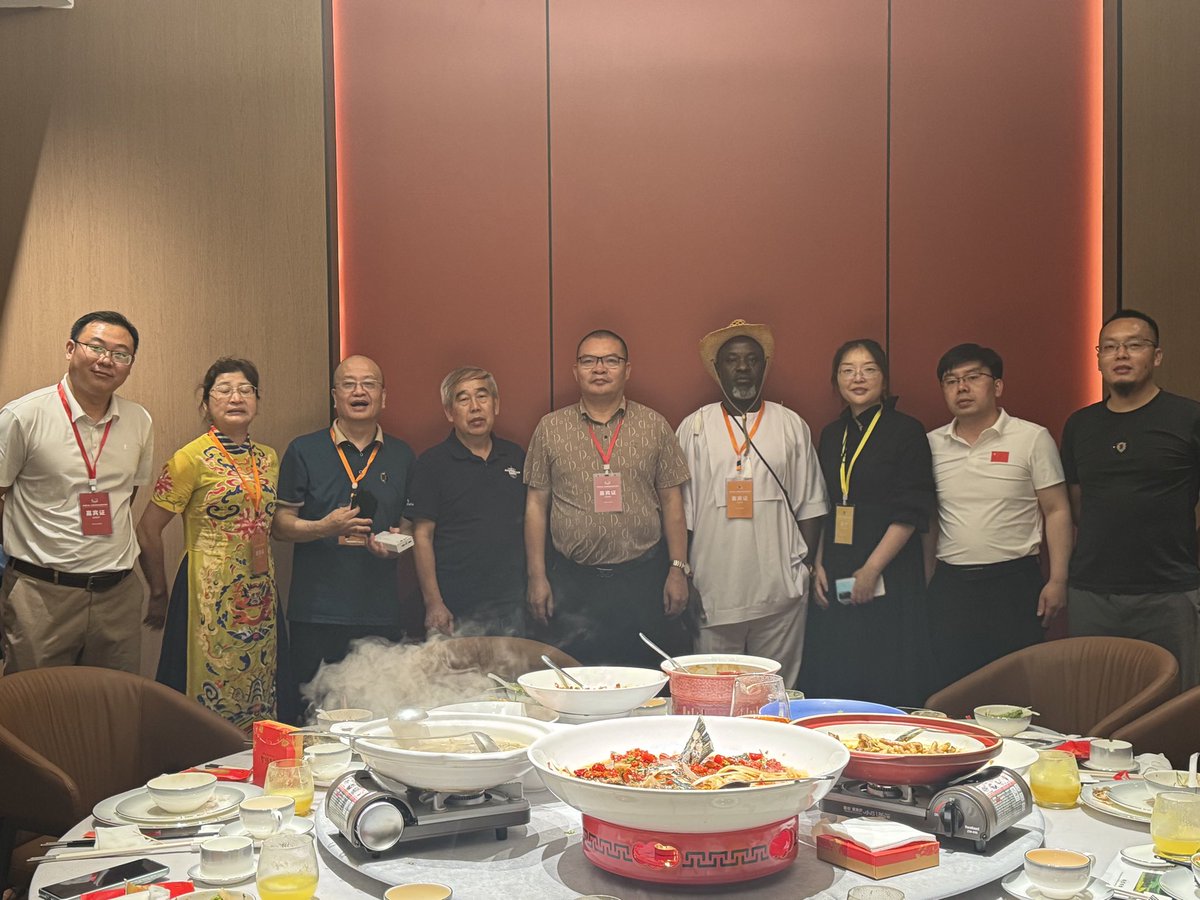
Grateful for the honour of dining at the iconic Chairman Mao’s Restaurant today, at the kind invitation of the Management of Hailonghui. A memorable moment of cultural connection and mutual respect between Nigeria and China.