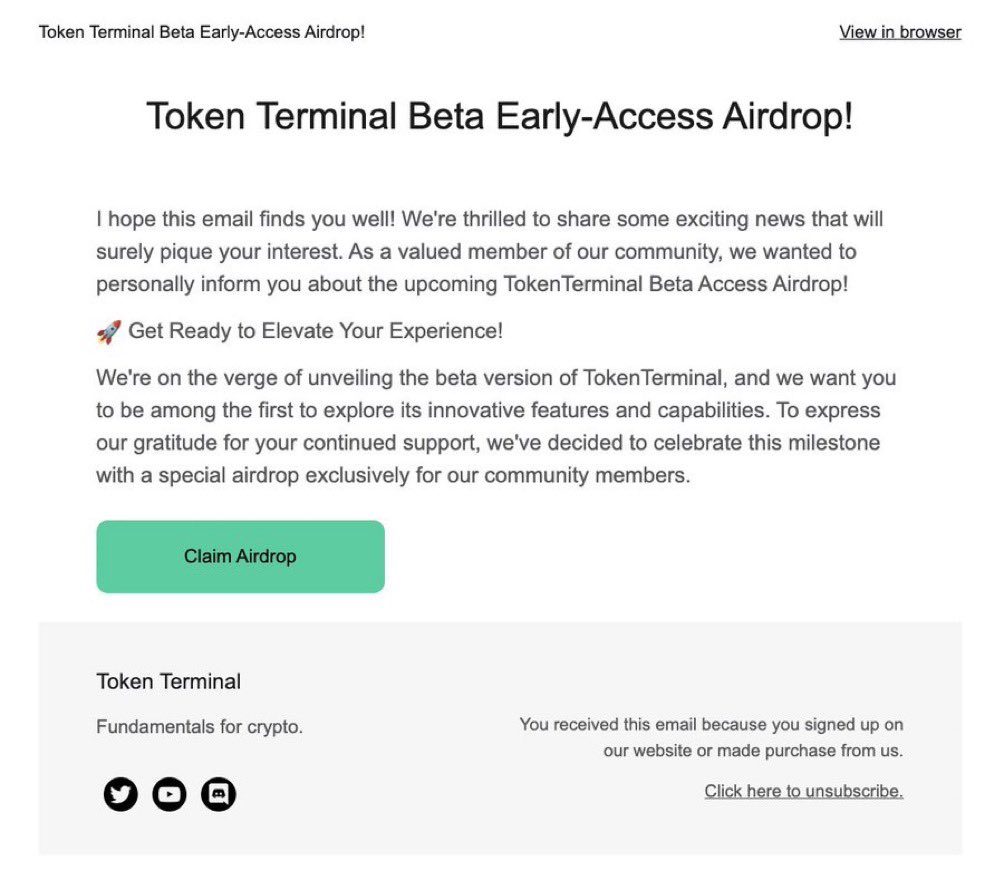
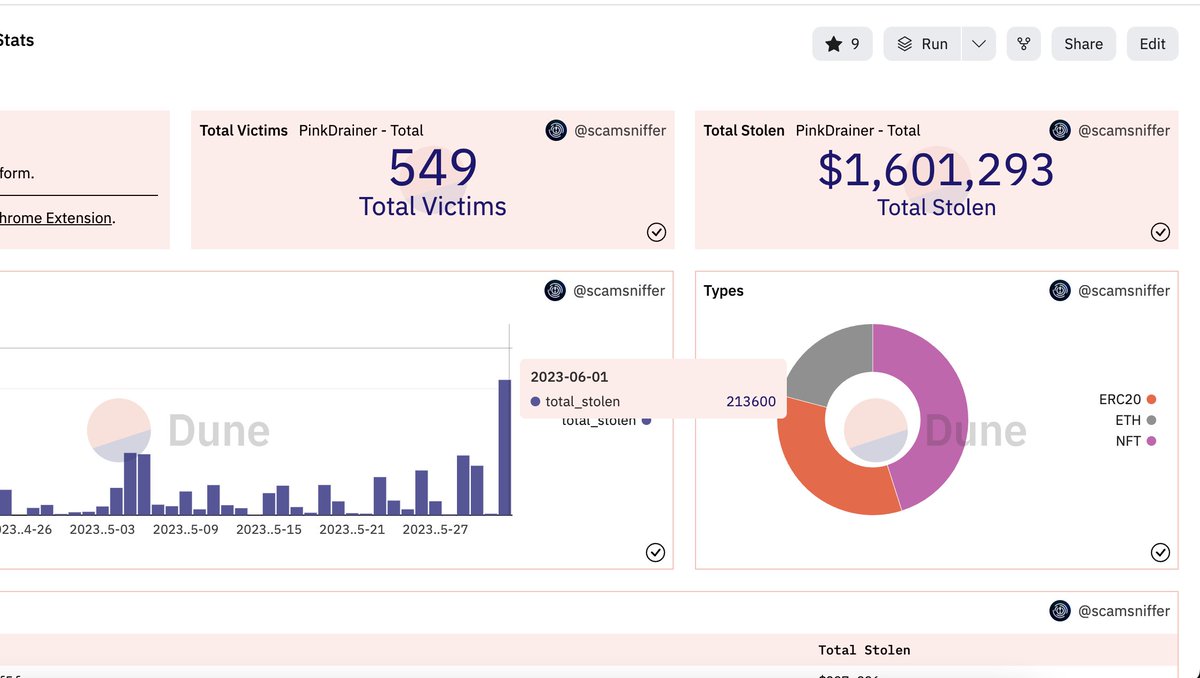
Community Alert: Phishing emails are currently being sent out that appear to be from CoinTelegraph, Wallet Connect, Token Terminal and DeFi team emails.
~$580K has been stolen so far
0xe7D13137923142A0424771E1778865b88752B3c7
On-chain is where things get interesting.
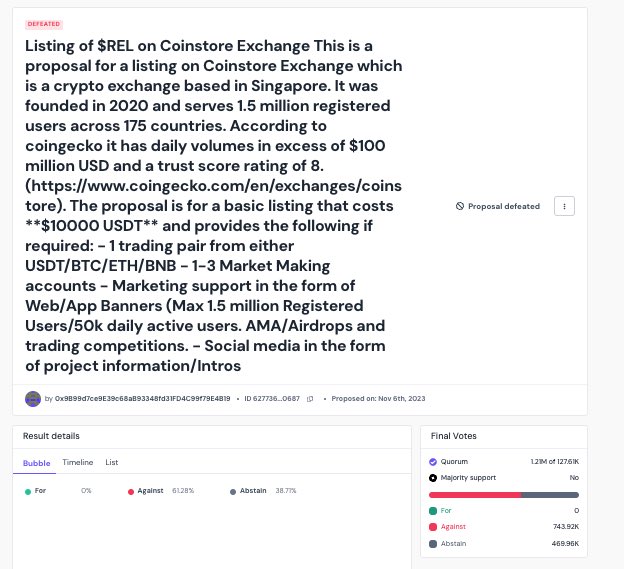
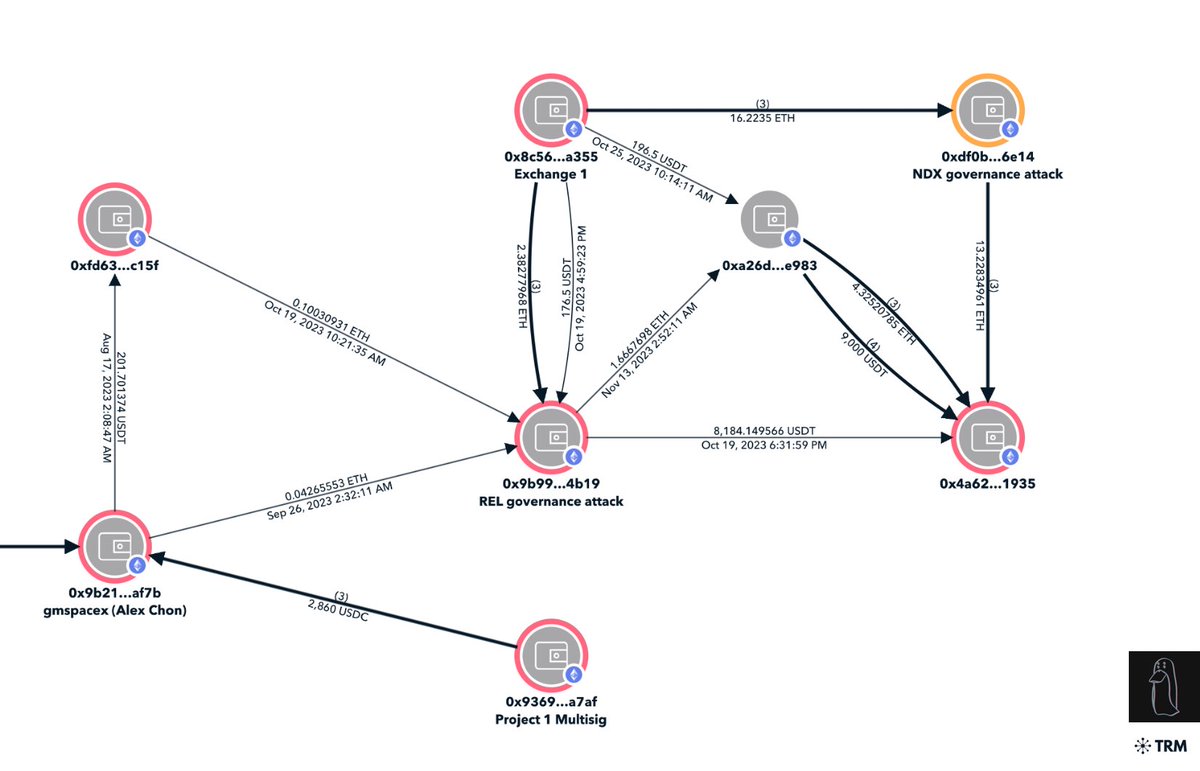
The person behind the Indexed Finance governance attack also attempted one on @relevantfeed via 0x9b9 earlier this month.
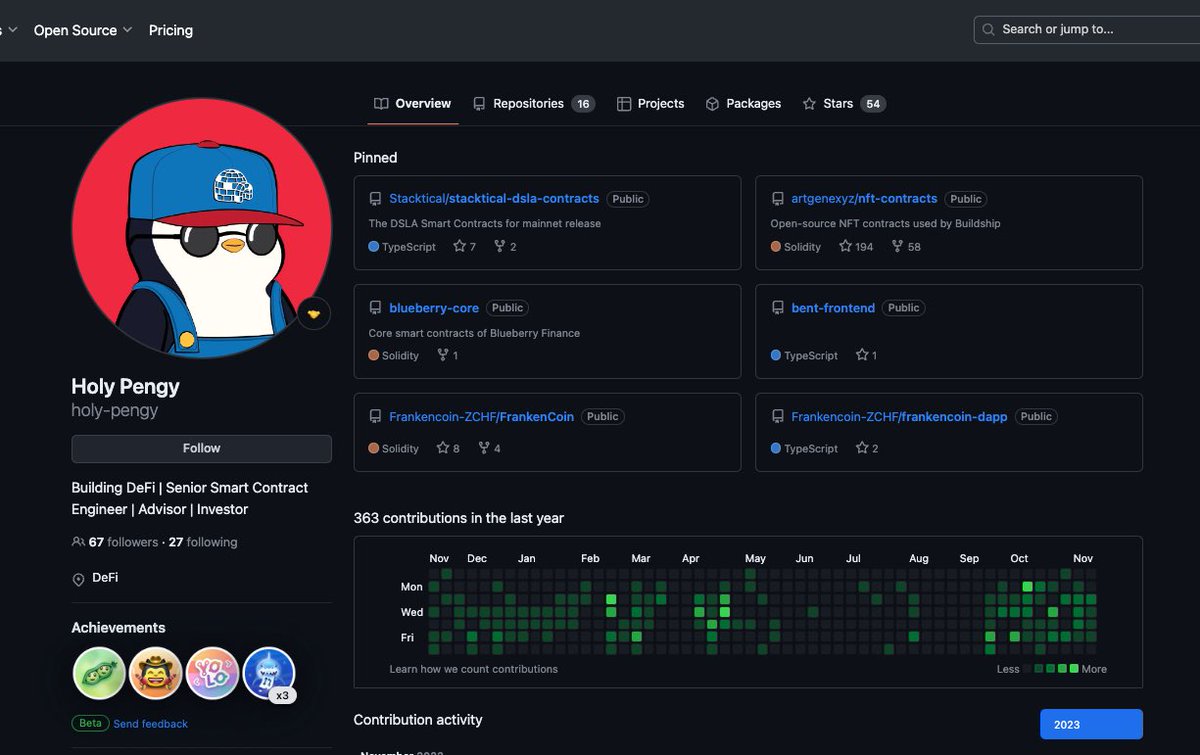
0x9b9 was funded by Alex Chon an alleged DPRK IT worker who has been fired from at least 2 roles for suspicious behavior.
Alex Chon has changed his Github username many times but currently it is ‘Holy Pengy’ with a Pudgy Penguins pfp.
🚨Victim of a #crypto scam? Don't lose hope! Revive Crypto specialises in tracing and recovering lost assets. We're committed to restoring not just your assets, but your peace of mind. Reach out to us today: https://t.co/QUXtiSvMP4 #ReviveCrypto#btc
#USDTether, Bitfinex, Giancarlo Devasini and the EU Tax scam.
Delving into #Tether’s past helps us understand why they could be next on the SEC’s target list.
https://t.co/n4pnXHibg6
Tether concerns are arising again.
Whales have been dumping $USDT, resulting in USDT now comprising 50%+ of the Curve 3pool.
The sudden spike in inflows is very abnormal.
Either more FUD, or somebody knows something.
Will keep updating this thread (metrics below).👇
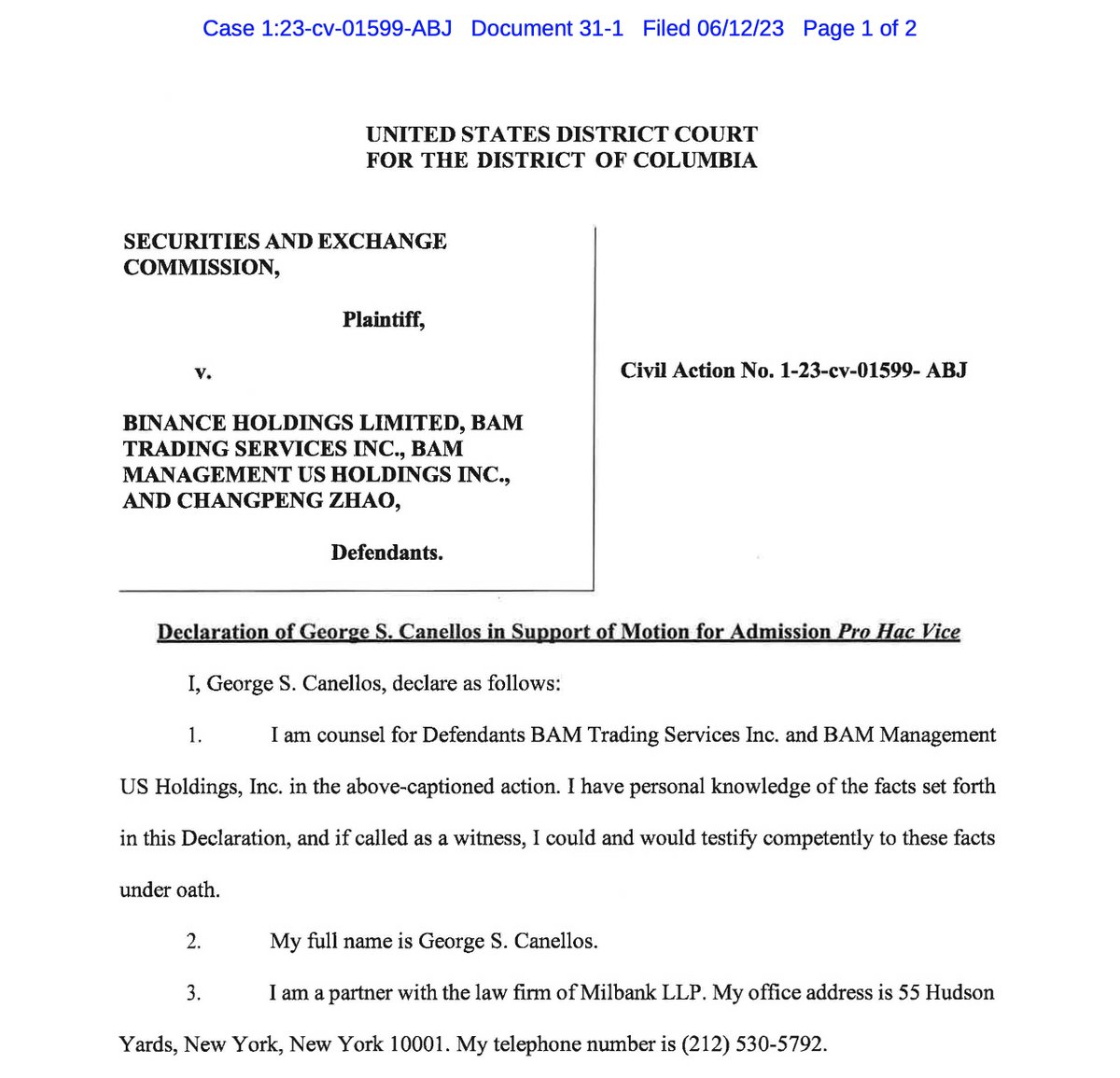
Binance/DOJ Newsflash:
Binance and CZ just added a uniquely qualified criminal defense all-star lawyer to their legal team: George Canellos, former Chief of the Major Crimes Unit in the U.S. Attorney's Office for the Southern District of New York and former head of the SEC's New York Office and former SEC Enforcement Division Co-Director.
Canellos posesses a rare and remarkably special combination of skillsets -- having served as both an SEC prosecutor and a DOJ prosecutor. Think Liam Neeson meets Perry Mason.
Binance is clearly preparing for a criminal prosecution and continuing to hire the best defense attorneys in the world. But I doubt even Ironman, Captain America and the Hulk could get Binance out from their current perilous legal quagmire.
The U.S. has charged Russians Alexey Bilyuchenko and Aleksandr Verner for the 2014 hack of Mt. Gox cryptocurrency exchange, involving the alleged laundering of approximately 647,000 #BTC.
https://t.co/iyxdF2m1hb
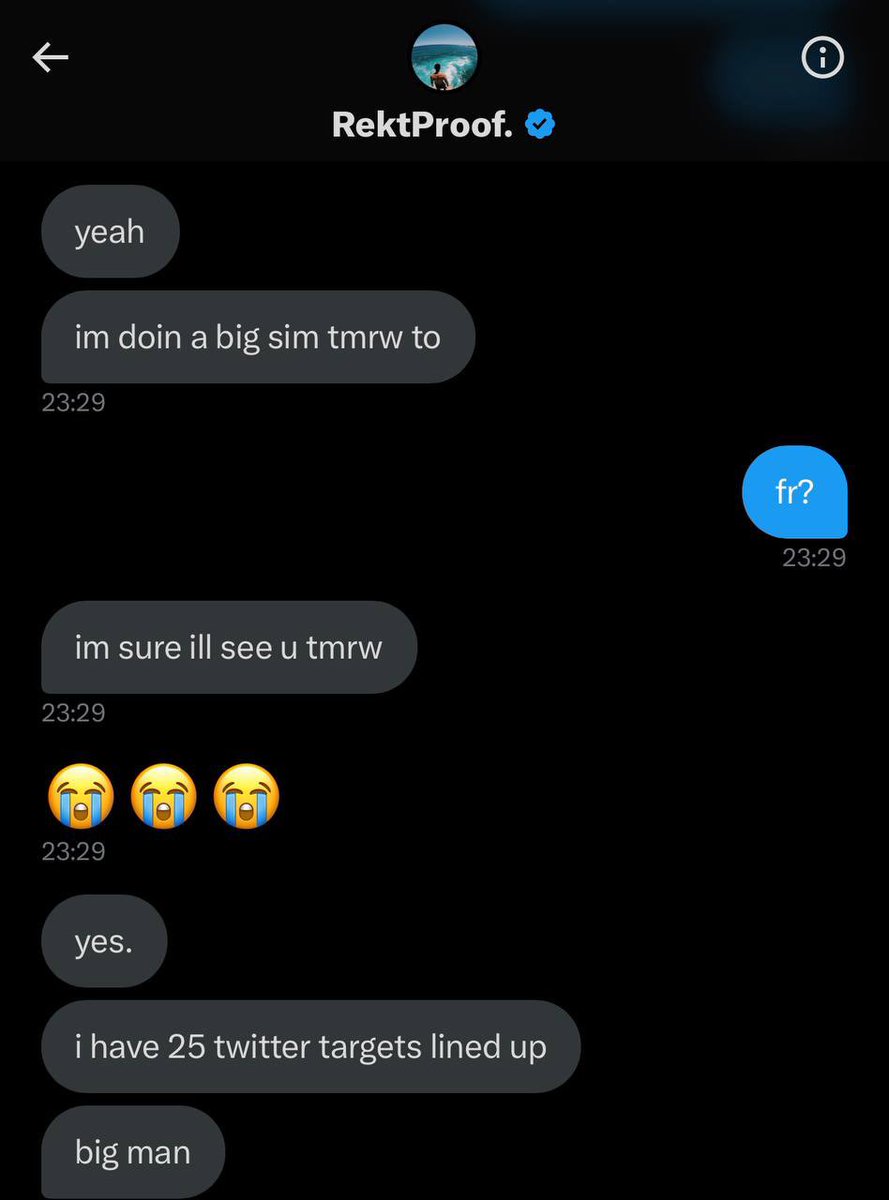
Over the past few weeks we have seen 8+ account takeovers connected to the same group of scammers as evident by how their addresses are linked on-chain.
I hope @TwitterSafety investigates each attack closely as they have resulted in almost seven figures stolen.
@miramurati@PeterSchiff@steveaoki@biancoresearch@andy8052@ColeThereum@pete_rizzo_
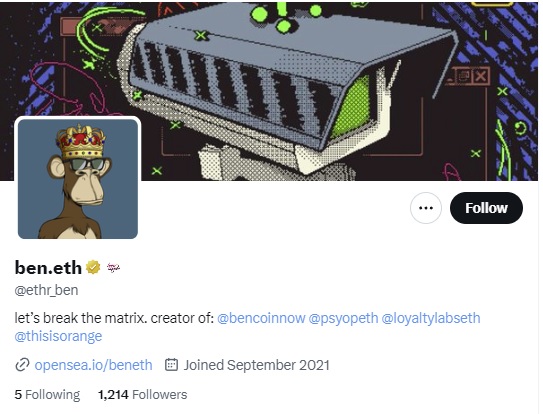
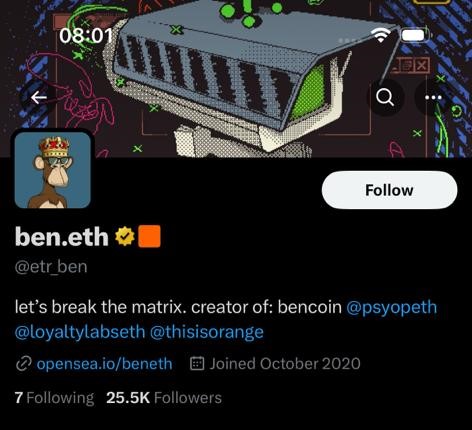
Two accounts impersonating @eth_ben. Both appear to be promoting scams (not verified).
Seeing more of these apparently fake verified org accounts popping up. @elonmusk@premiumbusiness more due diligence is needed.
Please share this tweet to promote awareness. #Crypto
A short story of crypto influencer @itstylersays doing zero due diligence on paid promotions with shilling meme coin scams.
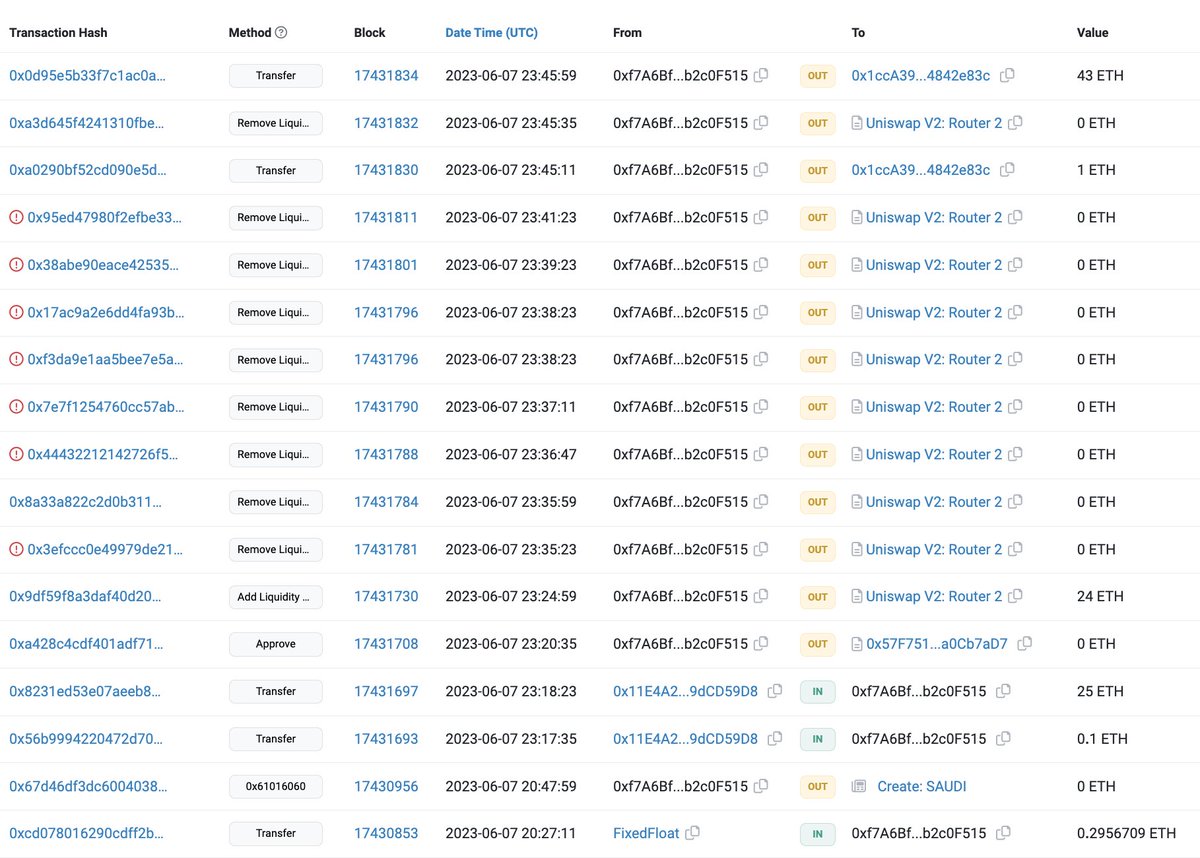
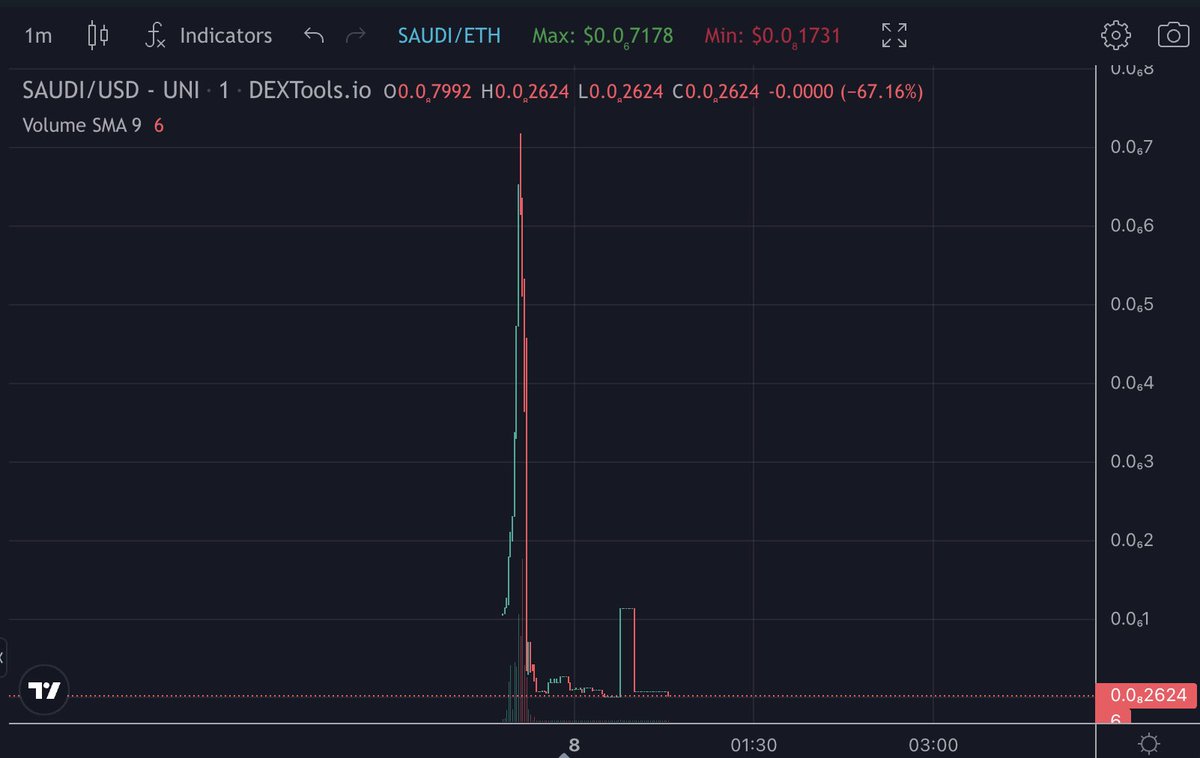
$SAUDI team added and removed the liquidity within minutes, cashing out $95k (51.5 ETH)
0x1ccA395D50F0C43929FF8146fcCA63894842e83c
Crypto Cold Wallet:
Cold wallets store a user's private keys on something that isn't connected to the internet. The offline nature of these wallets makes them more secure from digital attacks.
The private keys never leave the cold wallet unless you're making a transaction, reducing exposure to potential threats.
To make a transaction, you'd need to connect your cold wallet to a device (usually via a physical connection like USB) or manually enter your private keys (like in the case of a paper wallet).
After signing the transaction offline, you can then broadcast it to the blockchain network without your private keys ever being online.
Examples of cold wallets include hardware wallets (like Trezor and Ledger), paper wallets, and even metal wallets (where keys are etched onto a metal plate).
Crypto Hot Wallet:
A hot wallet is essentially software that stores the private and public keys needed to send, receive, and monitor your cryptocurrency.
These keys interact with different blockchain networks to enable users to execute transactions. Because hot wallets are connected to the internet, the private keys are stored online or on devices connected to the internet, allowing for immediate transactions.
However, this constant online connectivity makes hot wallets susceptible to cyber threats like hacking and malware.
Examples of hot wallets include web wallets (like those provided by cryptocurrency exchanges like Binance or Coinbase), desktop wallets (like Exodus), and mobile wallets (like Trust Wallet).
🔒 #AtomicWallet security breach reportedly sees over $35M in #crypto stolen from users. Developers are investigating alongside third-party security companies, while operations are on hold to prevent further compromises. #CryptoNews@BleepinComputer
https://t.co/m5i2K3dvIY
Serious hack with @AtomicWallet. Largest victim identified lost 2.8 million usdt. If you use atomic wallet you will want to read about this and take appropriate action.
Some things to note about this hack.
Largest single victim I have observed is for 2.8M USDT. Multiple other losses for 6 figures across different chains.
Thanks to all of the victims who have messaged me their transaction hash. The root cause is still tbd.
💰Invest in #Defi? Verify the smart contract.
1️⃣ Confirm the address on official site, Discord, twitter
2️⃣ Use Blockchain scans: @etherscan@bscscan
3️⃣ Check for audits: @CertiK
4️⃣ Check alerts: @RugDocIO
This is the minimum. Only invest what you can afford to lose. #Crypto