We are expanding the family !! New position to work on invasive human recordings (iEEG and single neuron) and electrical stimulation. Apply now https://t.co/OYm5gFxP5M
CGK lab is excited to launch 🚀today our GitHub space, featuring CellSelect-3DMorph. A forked code from its predecessor 3DMorph that reconstructs cells from 3D images and analyzes their morphology! 🔬https://t.co/TkJrMZxtJw
Open 🧵1/3 @juanptaborda6@McwPharmTox@NeuroscienceMCW
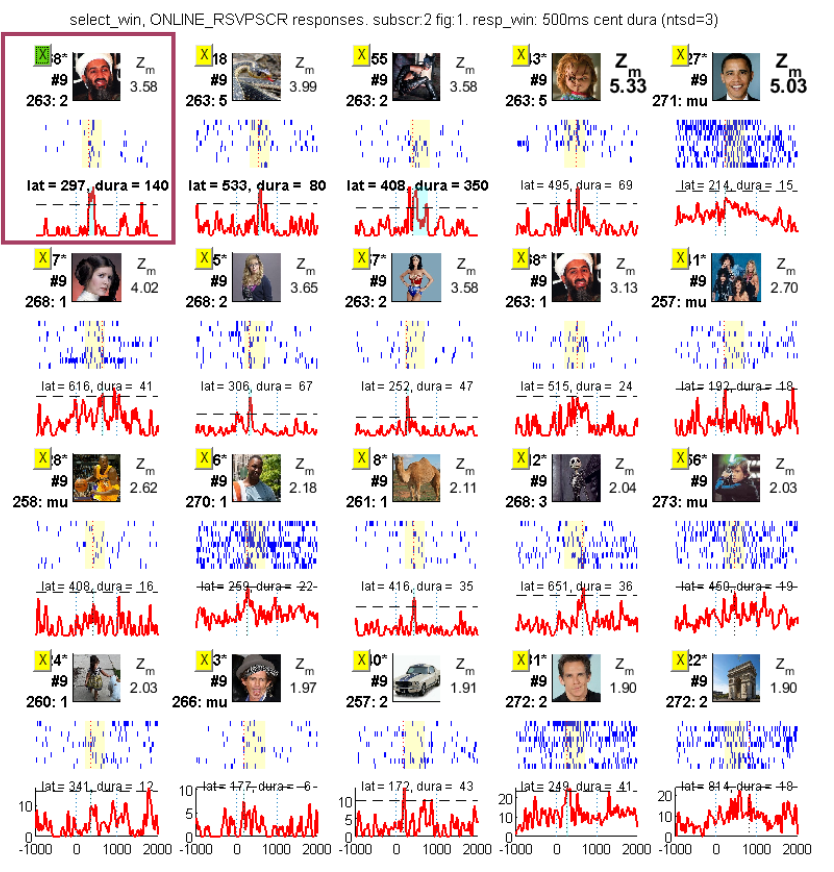
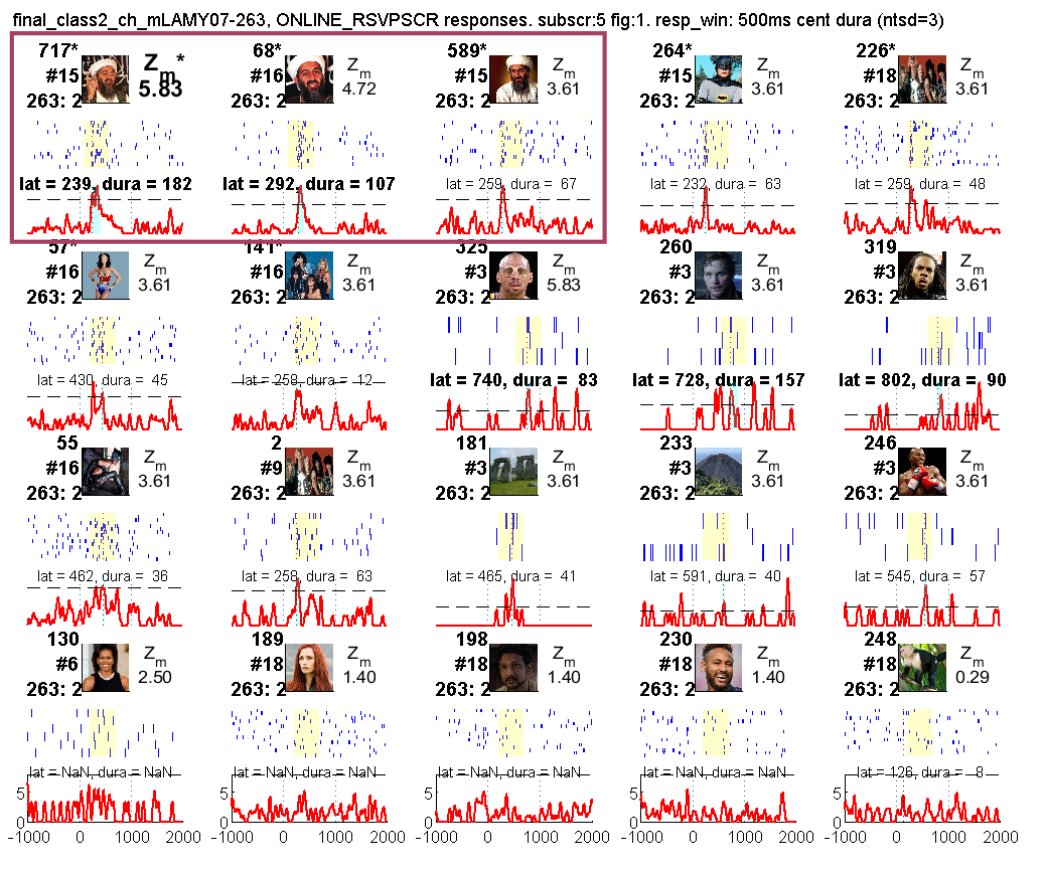
And the cherry on the top is that our new kernel for online dynamic experimental paradigms is up and running. We identified a neuron responding to a picture of Bin Laden and then were able to show on the fly other pictures to evaluate the response of the same neuron.
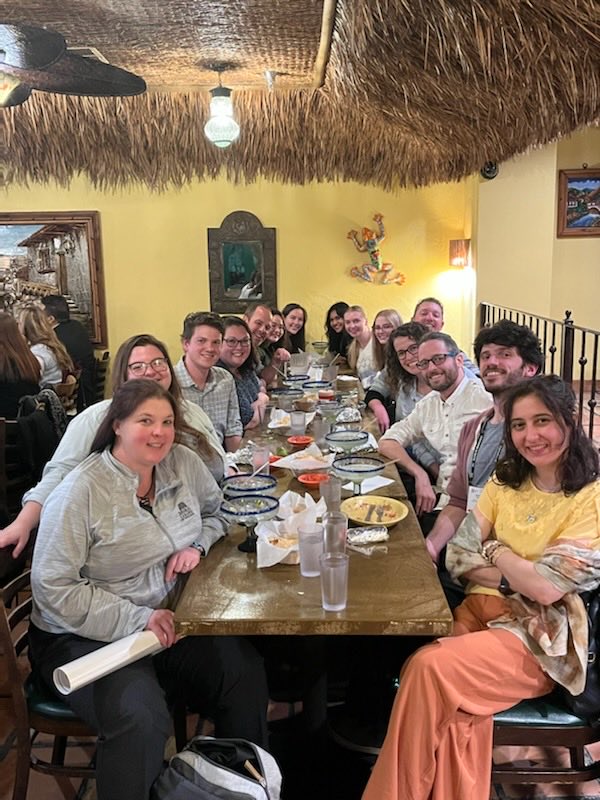
Really excited to announce that the ReyLab is already collecting data !! Great team effort to accomplish this. Kudos to Sean Lew, @FerJChaure, @SarahCornell_, and Michael Meyerink.
We are seeking research assistants, graduate students and post-doctoral fellows. As for volunteering, our lab is a fulfilling way to use your time while contributing to cutting-edge research and gaining personal experience. Please contact us if you would like to know more! 2/2
As our laboratory develops, we would like to reach out to a select few to join us on our journey as either staff, students, or volunteers. We are interested in working with bright, motivated individuals who are eager to expand the forefront of #neuroscience research. 1/2
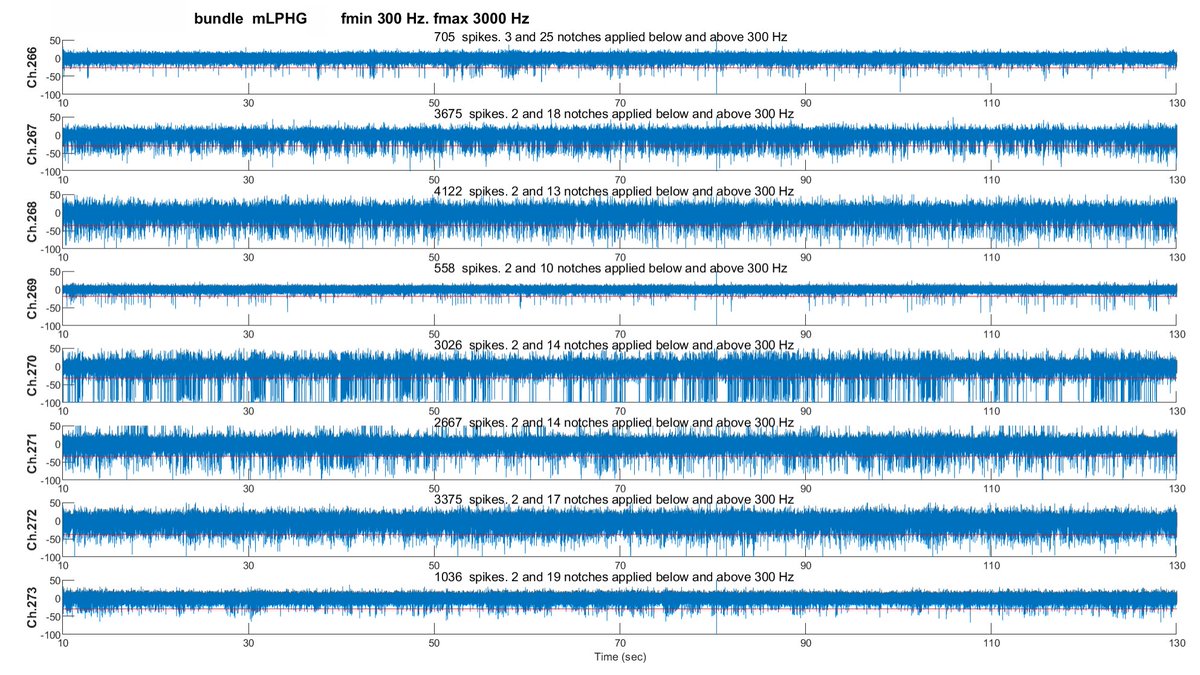
In addition to our specific research questions in epilepsy and human cognition, we are interested in developing new tools for data acquisition and analysis of #electrophysiological data, with an emphasis in advancing the field of microelectrode recordings from the human brain.
Dr. Hernan Rey, PhD, recently joined the Medical College of Wisconsin as an Assistant Professor in the Department of Neurosurgery and the Marquette-MCW Joint Department of Biomedical Engineering. #MCWNeurosurgery#MU_MCW_BME#Neuroscience
We are really excited to announce that the ReyLab, directed by Dr. Hernan G Rey, is now online!! We use invasive electrophysiology in the human brain (iEEG and microwire recordings) to study episodic memory as well as advanced methods for improving epilepsy diagnosis & treatment.