Editor of FoundersBroadsheet, dedicated to restoring the Republican Party to the Classical Liberalism of the Founders, Lincoln, Reagan -- or a new C.L. party.
https://t.co/lk0d08BzbW
Mark Carney, Canada’s Prime Minister and leader of the Liberal Party, says:
“We cannot trust America.”
Meanwhile:
- His wife lives in the United States
- All four of his children live and study in the United States
- 91% of his investment portfolio is in the United States
- He owns a house in the United States
Yet he tells Canadians they can’t trust America.
Hypocrisy at its finest.
They tell us to listen to the UN—then they put the Islamic Regime in Iran on a UN committee dealing with women’s rights and terrorism prevention.
We ask France, UK, Germany, Spain, Norway, Netherlands, Canada, Australia, Switzerland, Austria, Finland: Have you no shame?
Peter Magyar, during his international press conference, confirmed that Szijjarto, Orbán's foreign minister, has barricaded himself with some of his closest colleagues and is destroying and shredding evidence about his treason (documents about the sanctions against russians).
What stands out about populism in our time is its corruption. Its endless, bottomless corruption. In theory, populism need not mean corruption. But in practice, the evidence before us is overwhelming and nauseating.
Zelenskyy is literally the only one willing to help.
He's even bypassed us and just started working with the Gulf countries.
Trump should invite him to the White House, make a drone deal and see how we can work together to clear the Strait.
Hungarian Prime Minister-elect Peter Magyar:
Ukraine is the victim of this war. Everyone knows that. No one should tell Ukraine under what conditions it must enter peace or sign a peace treaty. We cannot ask any country to give up its territory.
The current state of the Royal Navy:
2 aircraft carriers — neither operational.
6 Type 45 destroyers (our most powerful warships) — one operational (in Cyprus).
7 Type 23 frigates (less powerful, much older) — three operational
5 Astute class nuke-powered subs — one operational (in Arabian Sea?).
Surely those responsible for this appalling state of unreadiness (a national embarrassment if ever there was one)— political, civilian and military — should be fired/charged.
Their incompetence has effectively left us without a navy.
Quite an achievement for an ancient island nation.
Old footage emerges of Marco Rubio explaining the assurances given to Ukraine when it gave up its nuclear weapons.
Now he says Ukraine is “not America’s war” and Europe must step up to help USA in Iran.
From guarantees… to transactions.
President Zelensky says the US is pressuring Ukraine to withdraw from the eastern Donbas region, making security guarantees conditional on that withdrawal.
Absolutely disgraceful
Food for thought.
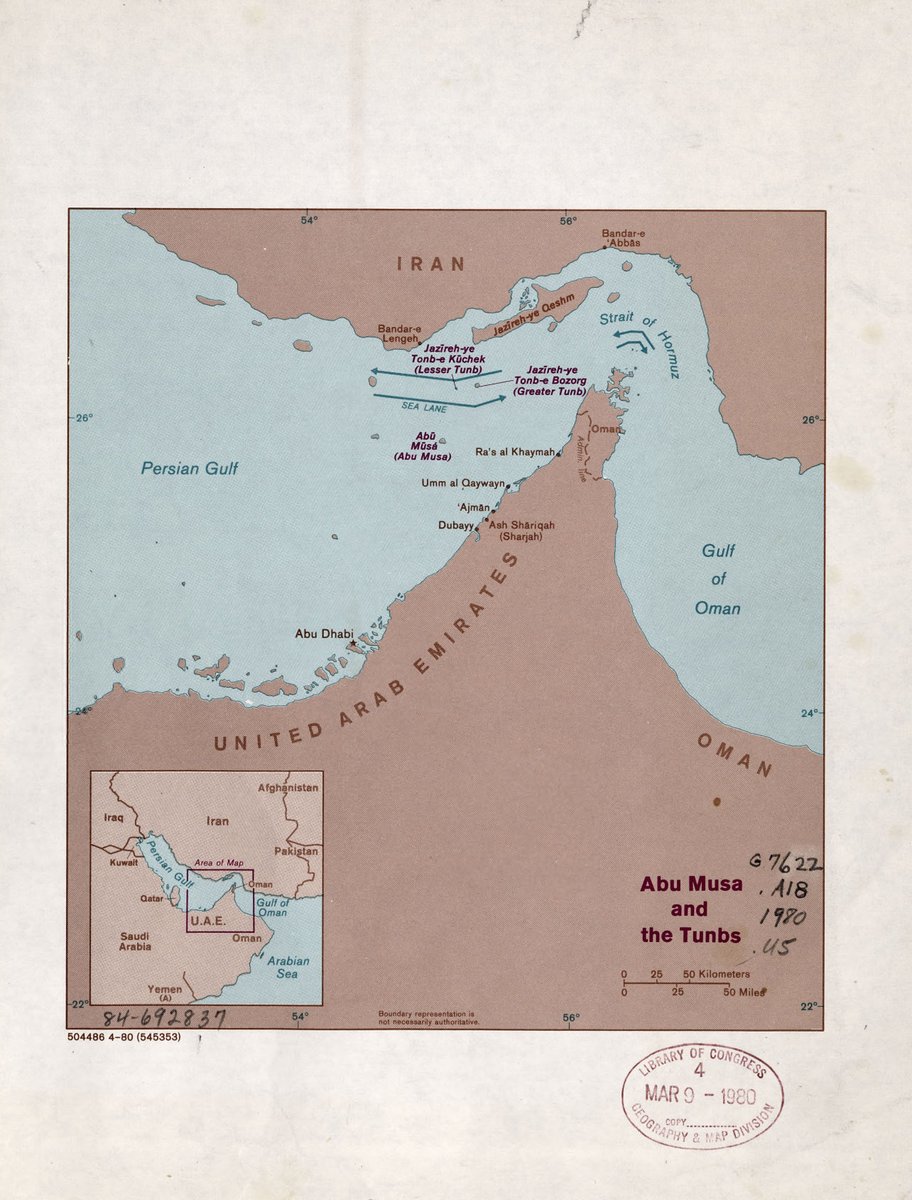
On November 29, 1971, the world barely noticed when Iranian forces seized three specks of land at the mouth of the Strait of Hormuz: Abu Musa, Greater Tunb, and Lesser Tunb. For the UAE and many in the Gulf, this was never a technical border quarrel. It was an act of occupation and a permanent scar.
Today, a comfortable consensus has formed in foreign-policy salons and on Wall Street that the Trump administration has no strategic vision for the Strait of Hormuz, and that Iran is “winning” the confrontation in the Gulf by default. Nothing could be further from the truth. It is hard to believe how casually many of these critics ignore history, including the way control of financing, insurance, and maritime chokepoints has repeatedly reshaped great-power influence.
Half a century after the shah’s grab, the question surrounding these islands is no longer simply “who owns them,” but “who secures the most critical chokepoint in the global oil trade.” With President Trump moving to provide American-backed insurance for ships transiting the Gulf, Washington is displacing the remnants of British dominance in maritime insurance and risk.
Whoever insures the traffic does not just collect premiums; they hold a de facto veto over it and gain visibility into every meaningful cargo, what moves, in what volume, from where and to where.
This emerging architecture gives the United States something London once enjoyed: an indirect presence in every Gulf port that depends on uninterrupted access to global insurance and reinsurance.
The logical next step is geographic as well as financial. Returning Abu Musa, Greater Tunb, and Lesser Tunb to the United Arab Emirates would not only correct a historical wrong against Arab inhabitants whose ties to these islands long predate the shah’s gunboat diplomacy. It would also provide the legal and political foundation for a formal U.S.–UAE security arrangement on the islands themselves.
Critics will bristle at the idea of a sustained American military presence on these rocks. But the alternative is not some neutral, demilitarized utopia. The alternative is that the Strait of Hormuz, through which a large share of the world’s seaborne oil flows, remains vulnerable to coercion, sabotage, and blockade.
A long-term U.S. presence, at Emirati invitation, would anchor a security order built around free navigation, reliable energy flows, and clear red lines against maritime blackmail.
This is not just about three islands. It is about restoring the principle that territory cannot be seized by surprise and held indefinitely by force, and about extending a coherent maritime strategy from Hormuz to the Bab el-Mandeb.
If the United States is serious about securing the arteries of global trade for decades to come, then correcting the injustice of 1971 and placing these islands under Emirati sovereignty, with an American flag flying alongside the UAE’s in a carefully structured basing agreement, is not an overreach.
IMHO, It is the minimum credible foundation for a stable Gulf and the clearest rebuttal yet to those who insist that America has no plan.
BREAKING: The Palestinian Authority just condemned Iran’s attacks on Saudi Arabia and the Gulf states. Read that sentence again. The entity whose cause Iran has invoked for four decades to justify every proxy war, every missile programme, every threat against every Arab neighbour just picked up the phone and told Riyadh it stands with the Kingdom.
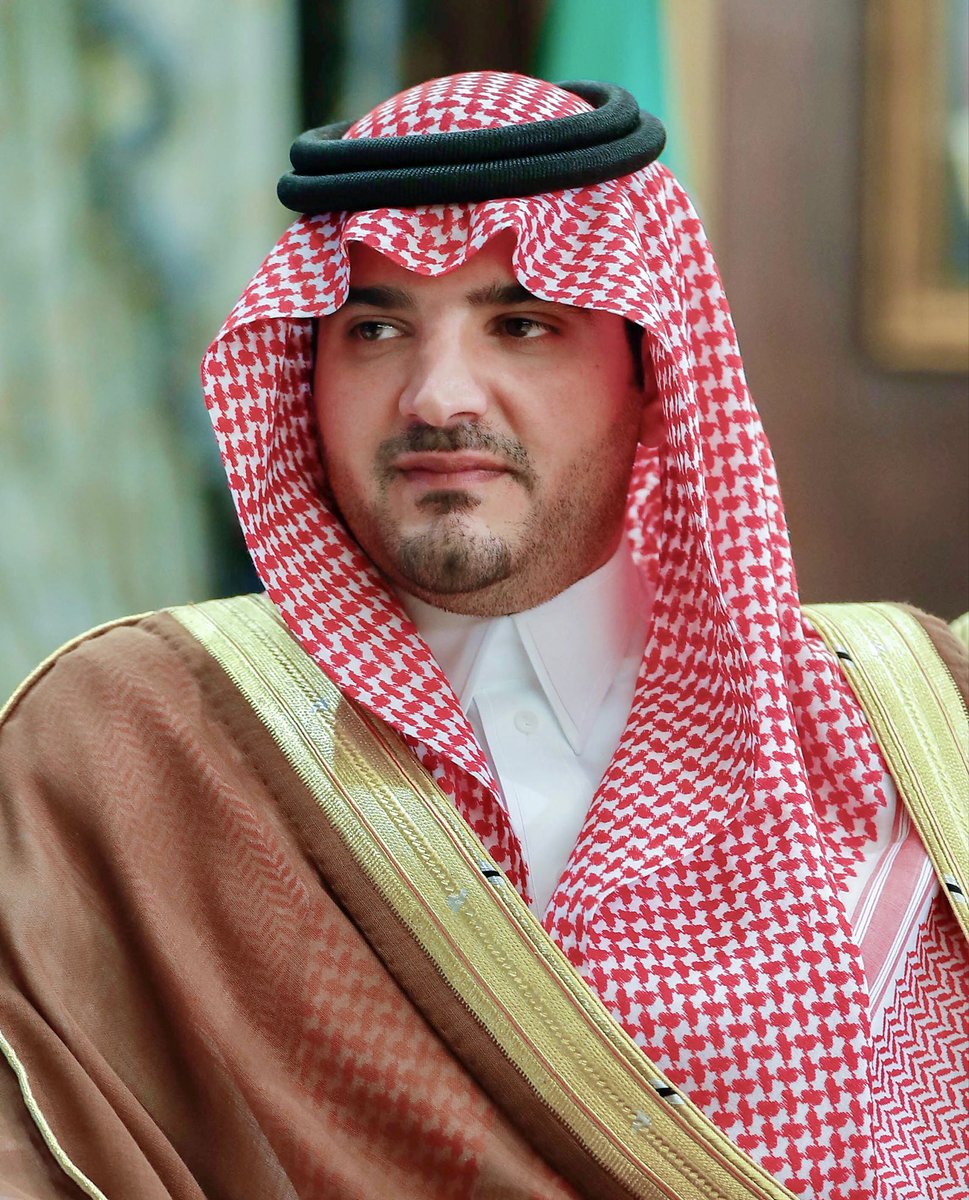
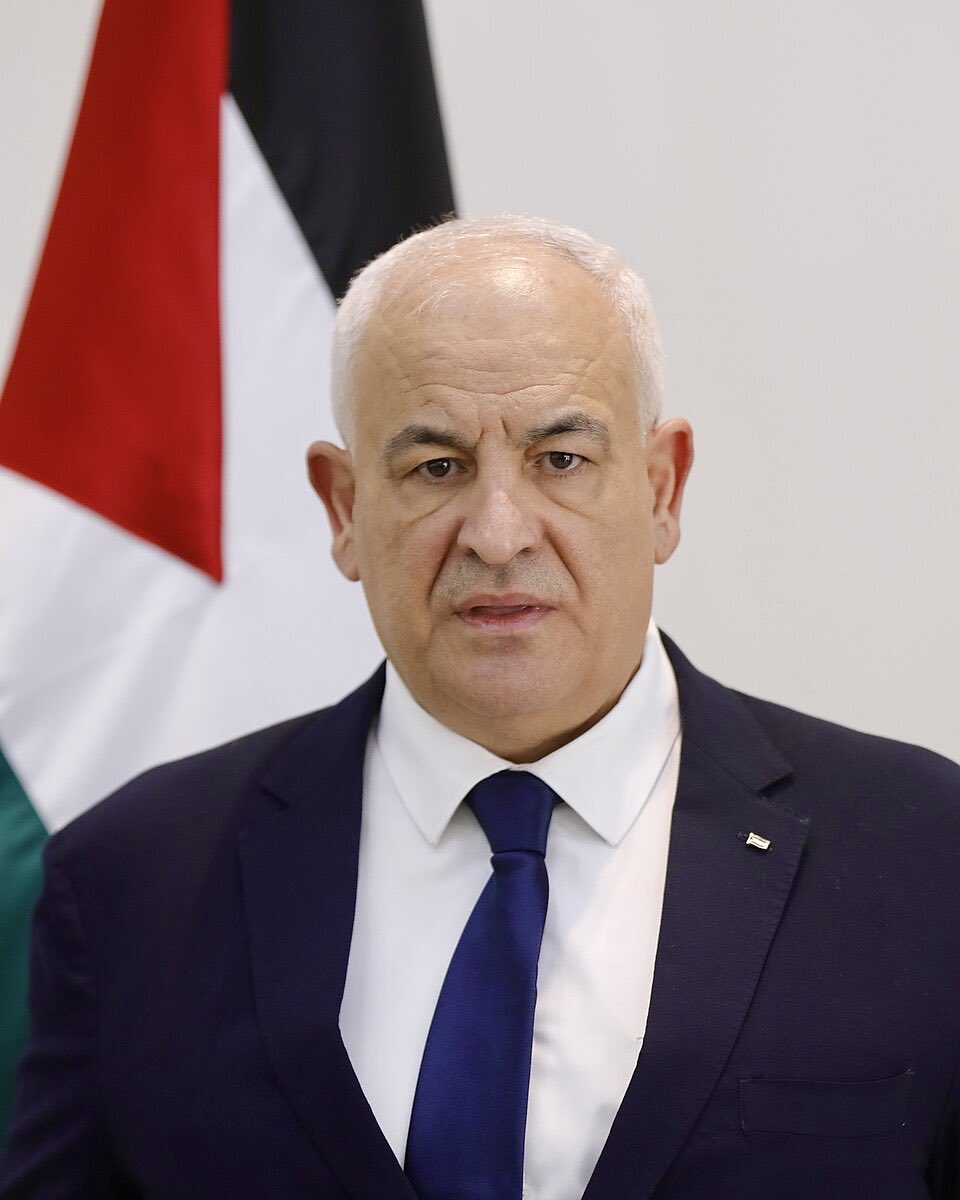
Palestinian Interior Minister Ziyad Hab al-Reeh called Saudi Interior Minister Prince Abdulaziz bin Saud bin Nayef on 21st March and expressed what the Saudi Press Agency recorded as the State of Palestine’s condemnation of the Iranian attacks targeting the Kingdom, the Gulf states, and the region. He affirmed solidarity with all measures taken by Saudi Arabia to preserve its security, sovereignty, and the safety of its territory and citizens. The Palestinian Authority’s official news agency WAFA carried the same statement. Al Arabiya amplified it across the Arab world.
This is the most consequential diplomatic signal of this war and it has received almost no coverage.
Iran’s entire regional architecture is built on one claim: that Tehran is the defender of the Palestinian cause. That claim justified the creation of Hezbollah. It justified the funding of Hamas. It justified the missile transfers to Islamic Jihad. It justified the Quds Force’s name, which is the Arabic word for Jerusalem. It justified four decades of threatening Gulf Arab states as American puppets who betrayed the Palestinian people. Every proxy, every rocket, every militia was wrapped in the flag of Palestine. The moral legitimacy of Iran’s regional posture rests on the premise that Tehran fights for a people whose own government just condemned Tehran’s war.
The Palestinian Authority is not Hamas. That distinction is the fracture this phone call exposes. Hamas receives Iranian funding, weapons, and strategic direction. The PA in Ramallah receives Gulf funding, maintains diplomatic relations with Arab states, and governs the West Bank under a framework that depends on the same Gulf monarchies Iran is currently bombing. When Iran struck Ras Laffan in Qatar, Shah and Habshan gas facilities in the UAE, and refineries in Saudi Arabia, it attacked the economic infrastructure of the states that fund Palestinian governance. The PA did not need to calculate whether to condemn. The calculation was arithmetic: the countries paying Palestinian salaries are the countries Iran is bombing.
But the symbolism transcends the funding. Iran cannot claim to fight for Palestine when Palestine says stop bombing our allies. The moral architecture collapses not because of American pressure or Israeli intelligence or military degradation. It collapses because the people at the centre of the narrative rejected the narrator. The flag Iran wrapped around its missiles was taken back by the people whose flag it is.
23 nations signed a statement condemning Iran’s Hormuz closure. Greece fired a Patriot over Saudi Arabia. Britain sent a nuclear submarine. India called Tehran on Nowruz. China is buying 600 kilograms of gold per minute. But none of those signals carry the weight of the Palestinian Authority calling Riyadh and saying: we condemn Iran.
Because Iran can survive military degradation. It can survive economic isolation. It can survive a 48-hour ultimatum. It cannot survive the loss of the one cause that made its entire regional project morally intelligible to the populations it claims to serve.
The phone call lasted minutes. The damage is permanent.
https://t.co/iFmUcar8on
BREAKING: The Palestinian Authority just condemned Iran’s attacks on Saudi Arabia and the Gulf states. Read that sentence again. The entity whose cause Iran has invoked for four decades to justify every proxy war, every missile programme, every threat against every Arab neighbour just picked up the phone and told Riyadh it stands with the Kingdom.
Palestinian Interior Minister Ziyad Hab al-Reeh called Saudi Interior Minister Prince Abdulaziz bin Saud bin Nayef on 21st March and expressed what the Saudi Press Agency recorded as the State of Palestine’s condemnation of the Iranian attacks targeting the Kingdom, the Gulf states, and the region. He affirmed solidarity with all measures taken by Saudi Arabia to preserve its security, sovereignty, and the safety of its territory and citizens. The Palestinian Authority’s official news agency WAFA carried the same statement. Al Arabiya amplified it across the Arab world.
This is the most consequential diplomatic signal of this war and it has received almost no coverage.
Iran’s entire regional architecture is built on one claim: that Tehran is the defender of the Palestinian cause. That claim justified the creation of Hezbollah. It justified the funding of Hamas. It justified the missile transfers to Islamic Jihad. It justified the Quds Force’s name, which is the Arabic word for Jerusalem. It justified four decades of threatening Gulf Arab states as American puppets who betrayed the Palestinian people. Every proxy, every rocket, every militia was wrapped in the flag of Palestine. The moral legitimacy of Iran’s regional posture rests on the premise that Tehran fights for a people whose own government just condemned Tehran’s war.
The Palestinian Authority is not Hamas. That distinction is the fracture this phone call exposes. Hamas receives Iranian funding, weapons, and strategic direction. The PA in Ramallah receives Gulf funding, maintains diplomatic relations with Arab states, and governs the West Bank under a framework that depends on the same Gulf monarchies Iran is currently bombing. When Iran struck Ras Laffan in Qatar, Shah and Habshan gas facilities in the UAE, and refineries in Saudi Arabia, it attacked the economic infrastructure of the states that fund Palestinian governance. The PA did not need to calculate whether to condemn. The calculation was arithmetic: the countries paying Palestinian salaries are the countries Iran is bombing.
But the symbolism transcends the funding. Iran cannot claim to fight for Palestine when Palestine says stop bombing our allies. The moral architecture collapses not because of American pressure or Israeli intelligence or military degradation. It collapses because the people at the centre of the narrative rejected the narrator. The flag Iran wrapped around its missiles was taken back by the people whose flag it is.
23 nations signed a statement condemning Iran’s Hormuz closure. Greece fired a Patriot over Saudi Arabia. Britain sent a nuclear submarine. India called Tehran on Nowruz. China is buying 600 kilograms of gold per minute. But none of those signals carry the weight of the Palestinian Authority calling Riyadh and saying: we condemn Iran.
Because Iran can survive military degradation. It can survive economic isolation. It can survive a 48-hour ultimatum. It cannot survive the loss of the one cause that made its entire regional project morally intelligible to the populations it claims to serve.
The phone call lasted minutes. The damage is permanent.
https://t.co/iFmUcar8on
The news that Orbán’s people inform Moscow about EU Council meetings in every detail shouldn’t come as a surprise to anyone. We’ve had our suspicions about that for a long time. That’s one reason why I take the floor only when strictly necessary and say just as much as necessary.
This is incredibly generous.
TSA agents across the country are relying on food pantries and community donations just to get by.
I remain the lone Dem to vote with my Republican colleagues to fully fund DHS and get people paid.
It should never come to this point.
Hegseth: "We're still dealing with the environment Joe Biden created—depleting our stockpiles and sending them to Ukraine instead of our own military. Every time we face a challenge, it traces back to 'Well, sent it to Ukraine.'"
It looks like they’re just going to blame Ukraine whenever anything goes wrong now, doesn’t it? It’s depressing to watch because while this administration will eventually leave office, a segment of Americans will keep hating Ukraine without even remembering why.
I strongly support my colleague @SenJohnKennedy’s legislation, the No Shutdown Paychecks to Politicians Act. If the men and women who stepped up to serve the Department of Homeland Security—to keep Americans safe—aren’t getting paid, then neither should members of Congress.
BREAKING: Saudi Arabia has reportedly asked Pakistan to repay a USD 6.3 billion loan after Pakistan failed to honor the bilateral defense pact, under which an attack on one is considered an attack on both. Saudi officials are reportedly unable to reach Pakistan’s PM & army chief.
Today, the Islamic Republic hanged multiple Iranian civilians, some of whom were just teenagers.
Amnesty International? Silent.
The UN? Silent.
Human Rights Council? Silent.
The Red Cross? Silent.