On September 8, Jacob Coxon, a 27-year-old Anthropic employee, posted a resignation statement on X that ricocheted around the internet. He quit in protest of what he saw as the company’s suicidally reckless pursuit of artificial general intelligence. To the AI community, an Anthropic employee believing that the technology their company is developing might end the world is not exactly news. (Anthropic was founded by former OpenAI employees who believed OpenAI, if left unchecked, would do just that.) But an Anthropic employee publicly quitting in protest is.
Afterward, a debate broke out: If you’re a lab employee who believes in these risks, what should you do? Is it best to leave in protest? Or is it better to agitate from the inside, close to the seat of power? And how would the choice affect your friendships and community?
“For me, there’s quite a distinction between my rational beliefs and the things I feel in my gut,” says Coxon. “If you’d asked me to narrate my opinions when entering Anthropic and when leaving Anthropic, they would probably sound pretty similar. But in terms of the actual feeling between the start and the end, it just felt very, very different.”
Coxon joins a small set of employees of OpenAI, Anthropic, and Google DeepMind who, over the years, chose to walk away.
For our Cover Story, in collaboration with Asterisk Magazine, we brought together eight of them. They don’t share the same concerns or the same p(dooms) — in fact, they wouldn’t necessarily agree that p(doom) is a coherent concept. But together, they provide a candid view of the AI race and the individual calculus many employees face.
Read their interviews in full: https://t.co/u5wik8vlXM
“There’s so much more spending to cut and so many more taxes to lower,” Argentina’s president emphasises in an interview. But with his personal net approval rating deeply negative, Javier Milei’s free-market experiment hangs in the balance https://t.co/ezLXCqw7OX
There are many different ways to measure how well a country is doing.
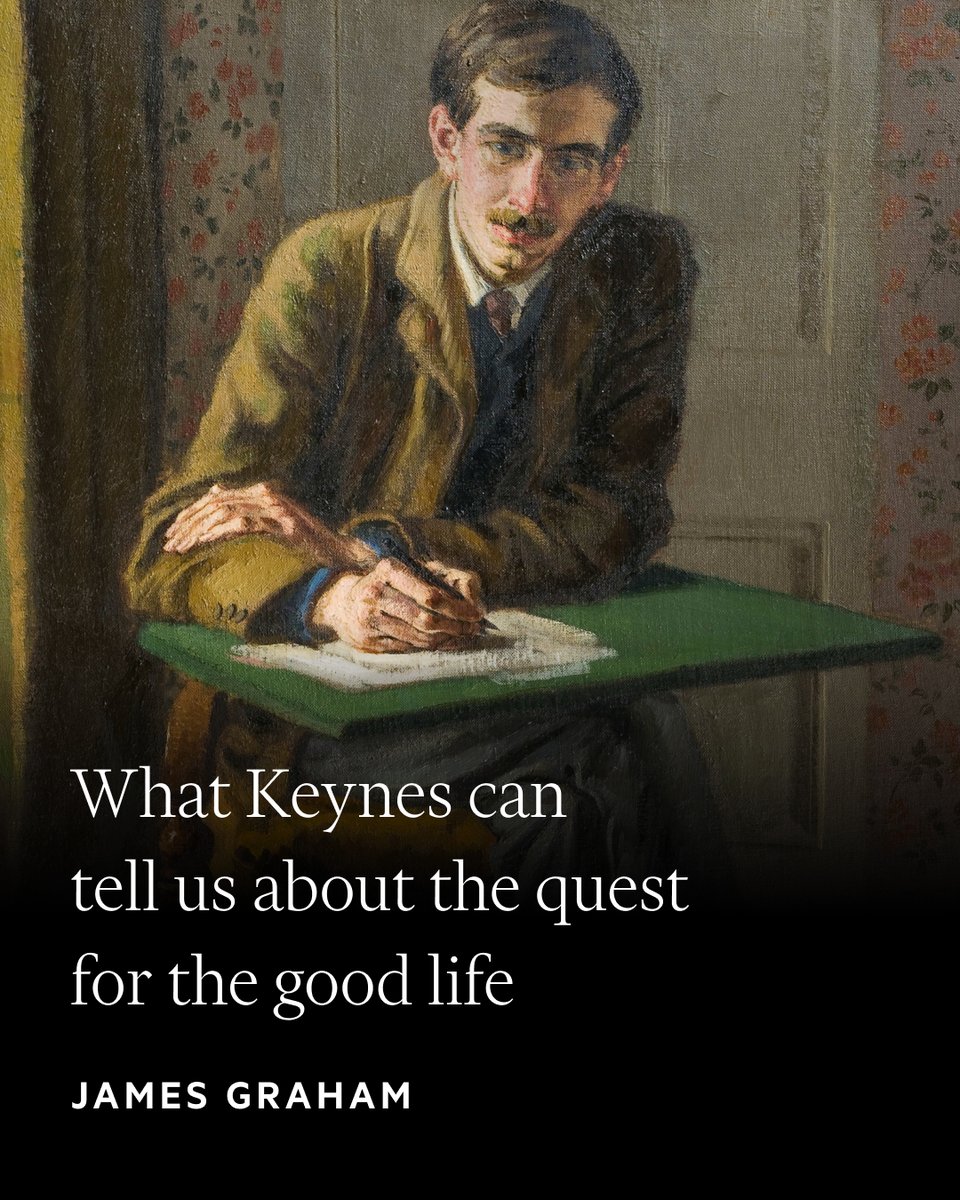
Read ‘Dear England’ playwright James Graham's column on writing a drama about the economist who saw that wellbeing could not be captured by an index: https://t.co/8wiTDQA5Ay
What Fukuyama failed to recognize is that the collapse of communism in the late 20th century never guaranteed the permanent triumph of liberal democracy or capitalism, writes Jeremi Suri.
https://t.co/2xkKvmCbBf
.@DAcemogluMIT’s new book argues that deindustrialization unraveled the coalition that once sustained liberal democracy. As workers lost leverage, liberalism became increasingly identified with elites and professionals, notes @LSEnews’s Gene Frieda. https://t.co/Vc1rdzw5jA
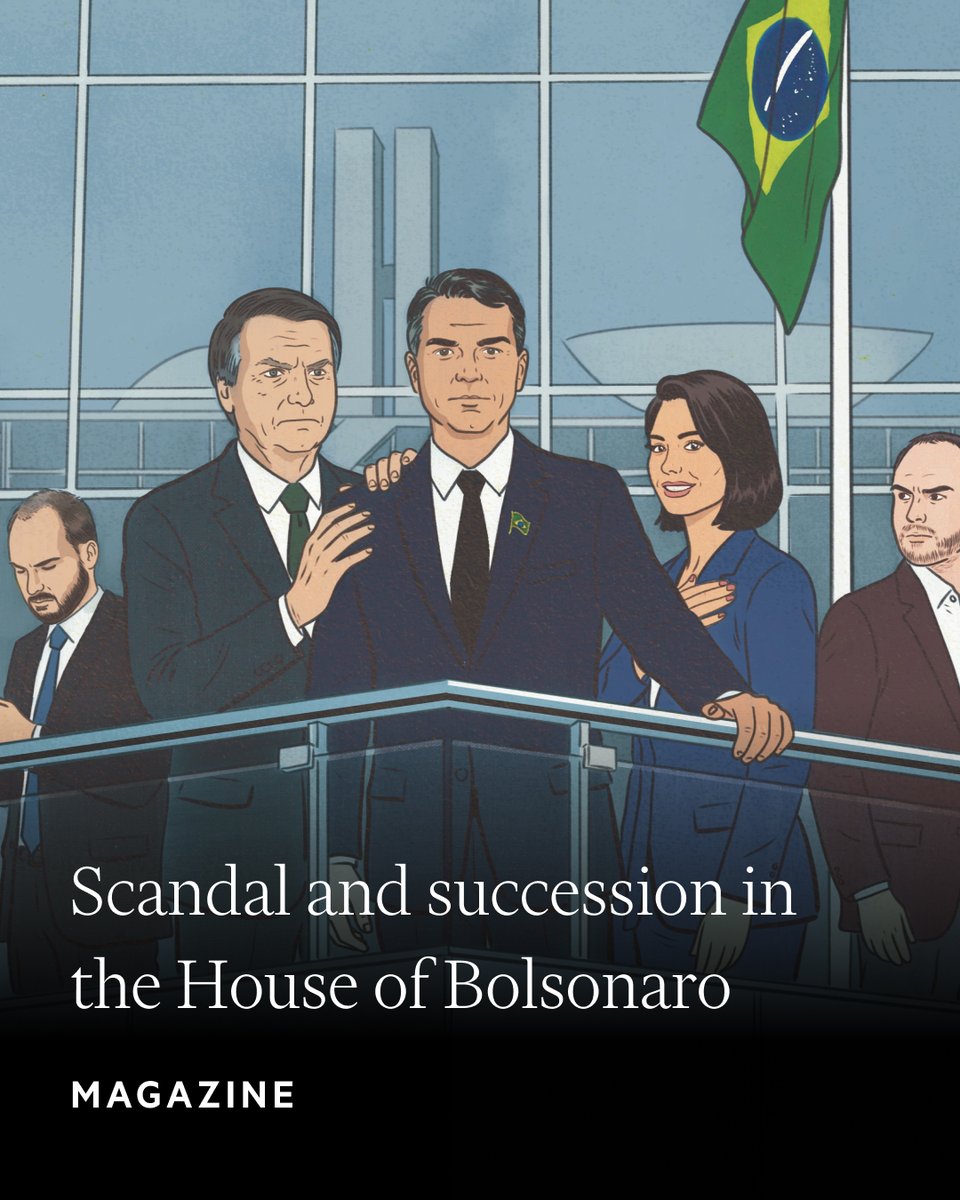
Jair Bolsonaro is imprisoned for plotting a coup, leaving his eldest son to run against his old rival.
Could Brazil’s first family of the radical right be on the verge of a comeback?https://t.co/FbRtV59lRs
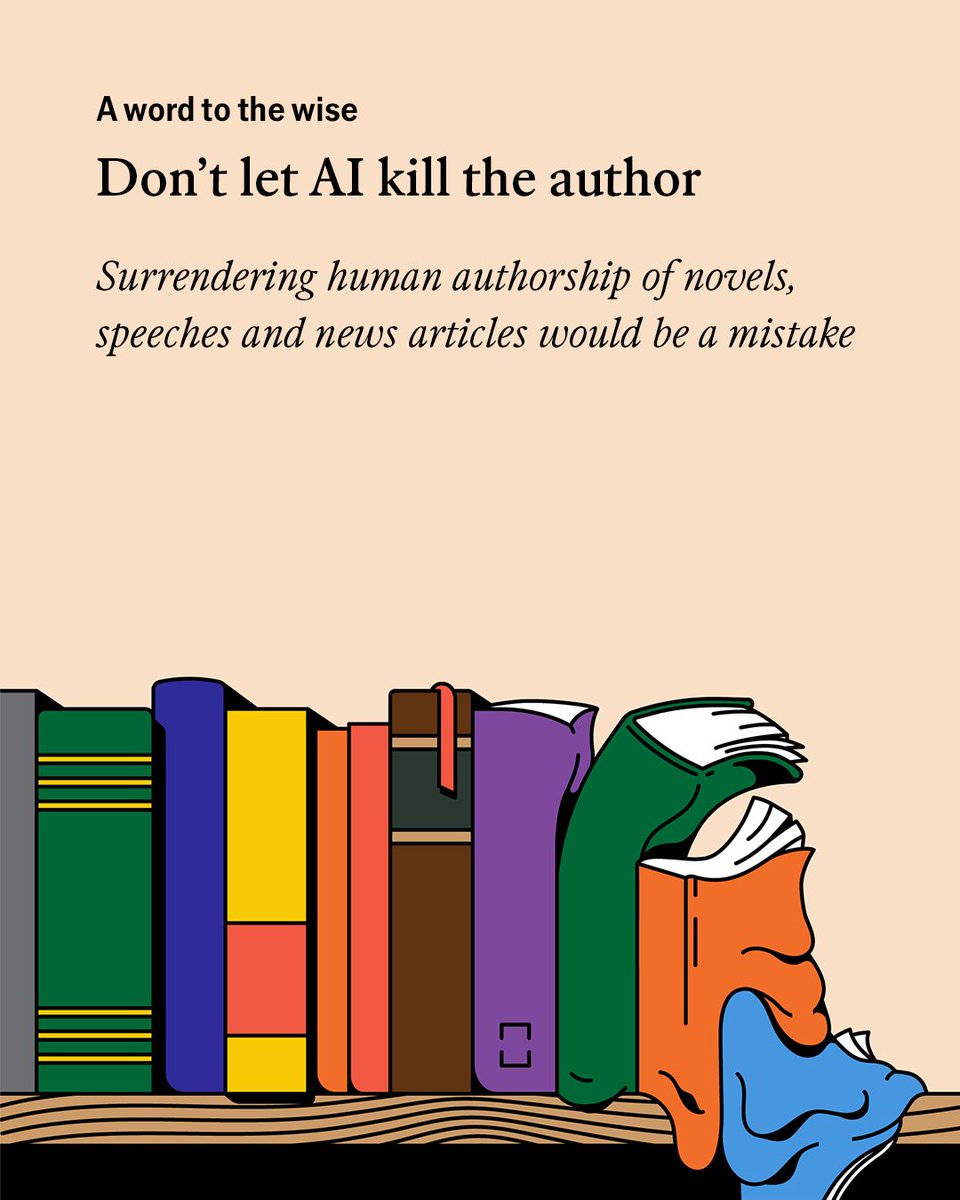
AI text is now winning literary awards, occupying op-ed pages and, as we report this week, filling the mouths of politicians. Both writers and readers should be wary of passing the pen to the bots https://t.co/g60nEiTacq
Illustration: Fortunate Joaquin
Luis de la Fuente led Spain to World Cup glory this summer.
But his first step on that path came about 14 years ago, when he was out of work and looking through job listings in the paper at his local bar.
He spoke to @polballus and @GuillermoRai_ on Lamine Yamal, what Zinedine Zidane and Jurgen Klopp should expect from international management, and how he got so stacked at the age of 65.
https://t.co/aK2bwowFvZ
Stacie Goddard argues that U.S. President Donald Trump’s vision of the world “is not one of great-power competition but of great-power collusion: a ‘concert’ system akin to the one that shaped Europe during the nineteenth century.”
https://t.co/qQzbw8y2oN
Russian President Vladimir Putin’s successor is likely to be shaped in his image than that of the opposition.
Here are seven leading contenders who fit that profile: https://t.co/bbKVC0YYqx
Sources close to the Kremlin say that, after several weeks of consideration over the summer, Russia’s president seems to have chosen to escalate his conflict. What might that entail? https://t.co/CqjTdbYxuS
Vladimir Putin is preparing to escalate his war against Ukraine, which includes attacks on Kyiv’s allies in Europe.
Western intelligence officials believe the Russian leader is laying the ground for a “stealth mobilisation” after elections this weekend, in which thousands of Russians could be drafted.
🔗 https://t.co/1ClPrhAzUp
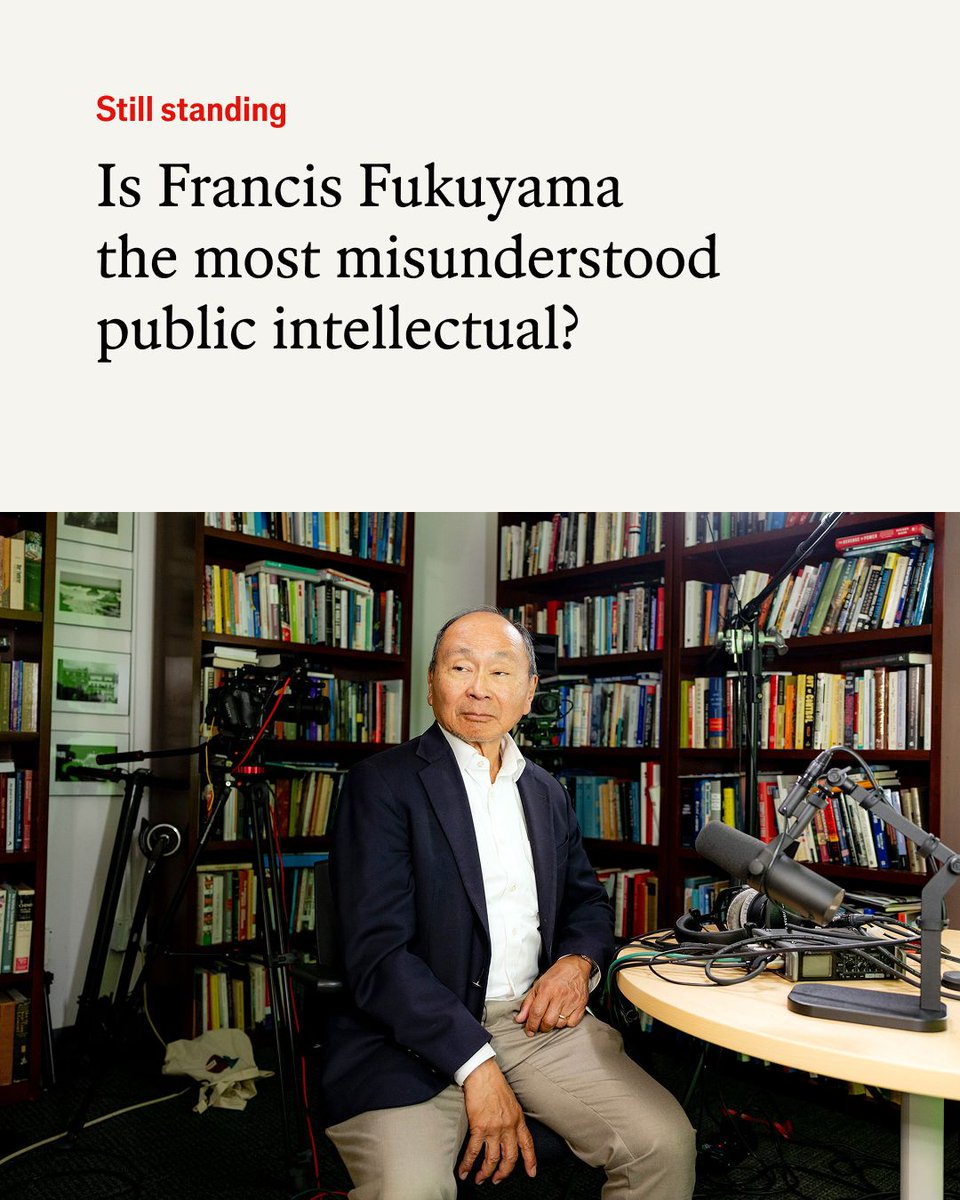
When Francis Fukuyama published “The End of History and the Last Man” in 1992, the book was met with acclaim. A quarter-century later, it became an emblem of liberal hubris. In a new memoir, the political scientist tries to set the record straight https://t.co/Nipj5KAbv6
American adults who buy real estate increasingly rely on financial help from parents and grandparents to do so. “There’s no way my friends—my peers!—have the money for a down payment on, say, a million-dollar apartment. Except: they do. It’s called generational wealth,” Anna Holmes writes. Holmes, who hasn’t been afforded the privilege of familiar wealth, reflects how it shapes our futures and friendships, whether we talk about it or not. Read her essay: https://t.co/cwTiOXoRsW