Jane Jacobs identified exactly this sentiment as a great destroyer of urban life. Cities aren’t works of art, they aren’t “the product of a single unifying vision.” Artists and architects are little tyrants that want to make cities into lifeless sculptures.
Cities are organisms.
almost every city in the country now sits atop a system in which a minority of highly-productive young people are expected to work away their best years around the clock, just to cover rent, while giving away half their income to crazy people, criminals, and bureaucrats.
@atlanticesque I think it’s hard to understand until you live in a major city with an admittedly empty/weaker skyline. Can help project confidence and strength about a city’s influence, size, power, health, etc.
I also view the skyscraper as quintessentially American
Never stop saying "dozen" and "half dozen". Never stop using the word you read in an old novella. Never stop using your regional jargon. Don't succumb to an internationalized English stripped of its whimsy and romanticism in the name of streamlining global commerce.
There’s one at the Minnesota State Fair. My ex’s sister made her family and myself ride it. I did not want to ride it because it seemed boring (I was correct). I sat in a boat with my ex and her mom right behind me.
This is the height of entertainment for Minnesotans.
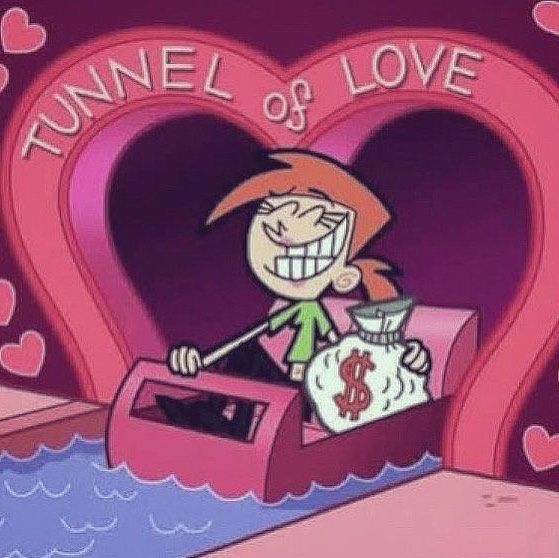
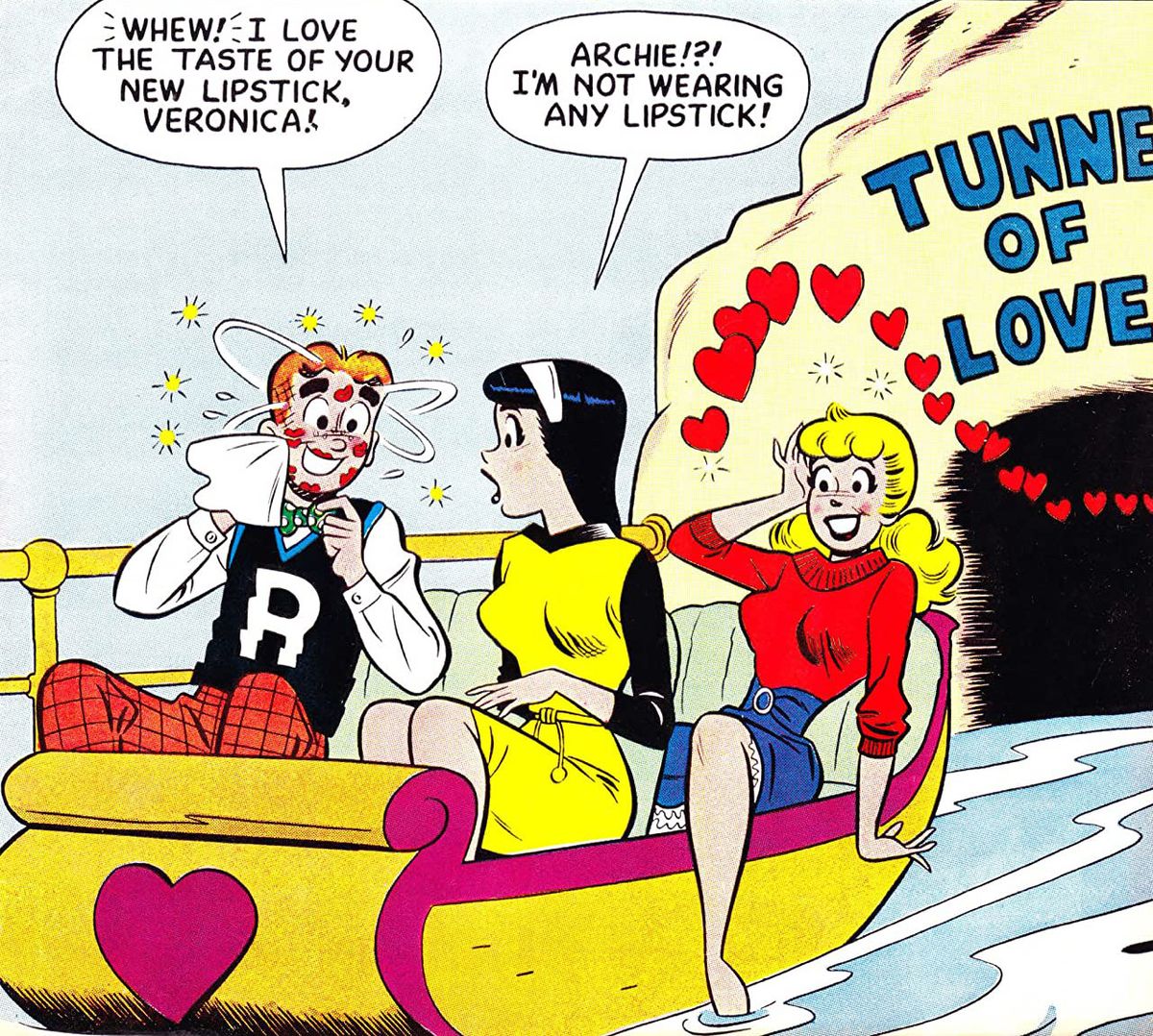
Cartoons really made me believe that water rides called The Tunnel of Love where you go into a little river boat to make out in some cavernous dark ride were just a part of life but I'm pretty sure they don't exist.
Many Americans think it’s natural that the “inner city” is full of poor people, but it’s actually the reverse. City centers are naturally wealthy, and ghettos naturally arise in the outskirts.
Inverting this was a massive project of social engineering by the American government