My dearest Abigail,
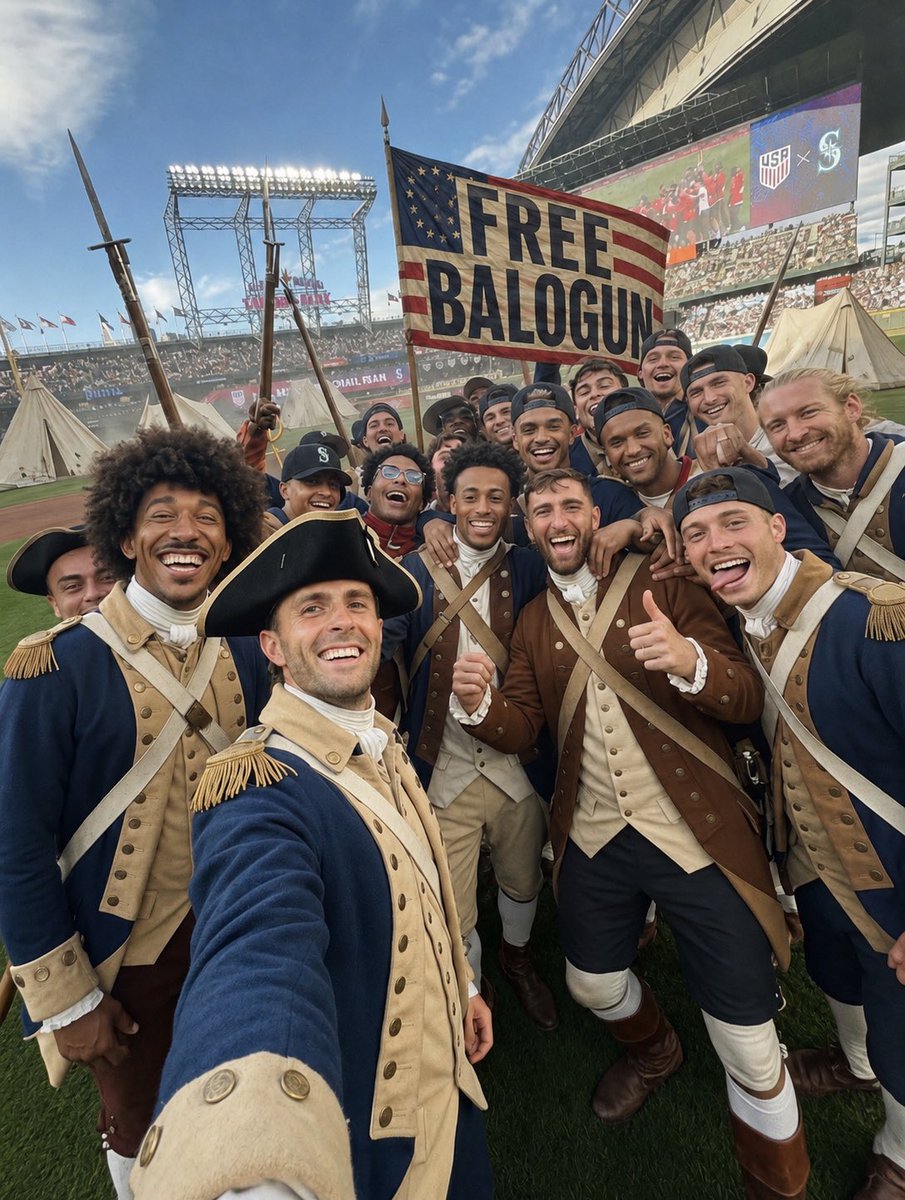
The Free Balogun campaign has succeeded.
After many hard marches through red tape, federation fog, and the cold stone walls of FIFA jail, young Balogun is at last liberated and marches under our colors.
The lads now ride for the Round of 16. One more victory, and they shall breach the quarterfinal frontier, a land our nation’s men have never conquered.
Tonight we feast on victory, orange slices, and dangerous levels of belief.
Yours in liberty,
Capt. Ream 🇺🇸⚽️
Breaking: Folarin Balogun will be available to play in USA's Round of 16 match against Belgium on Monday, FIFA announced.
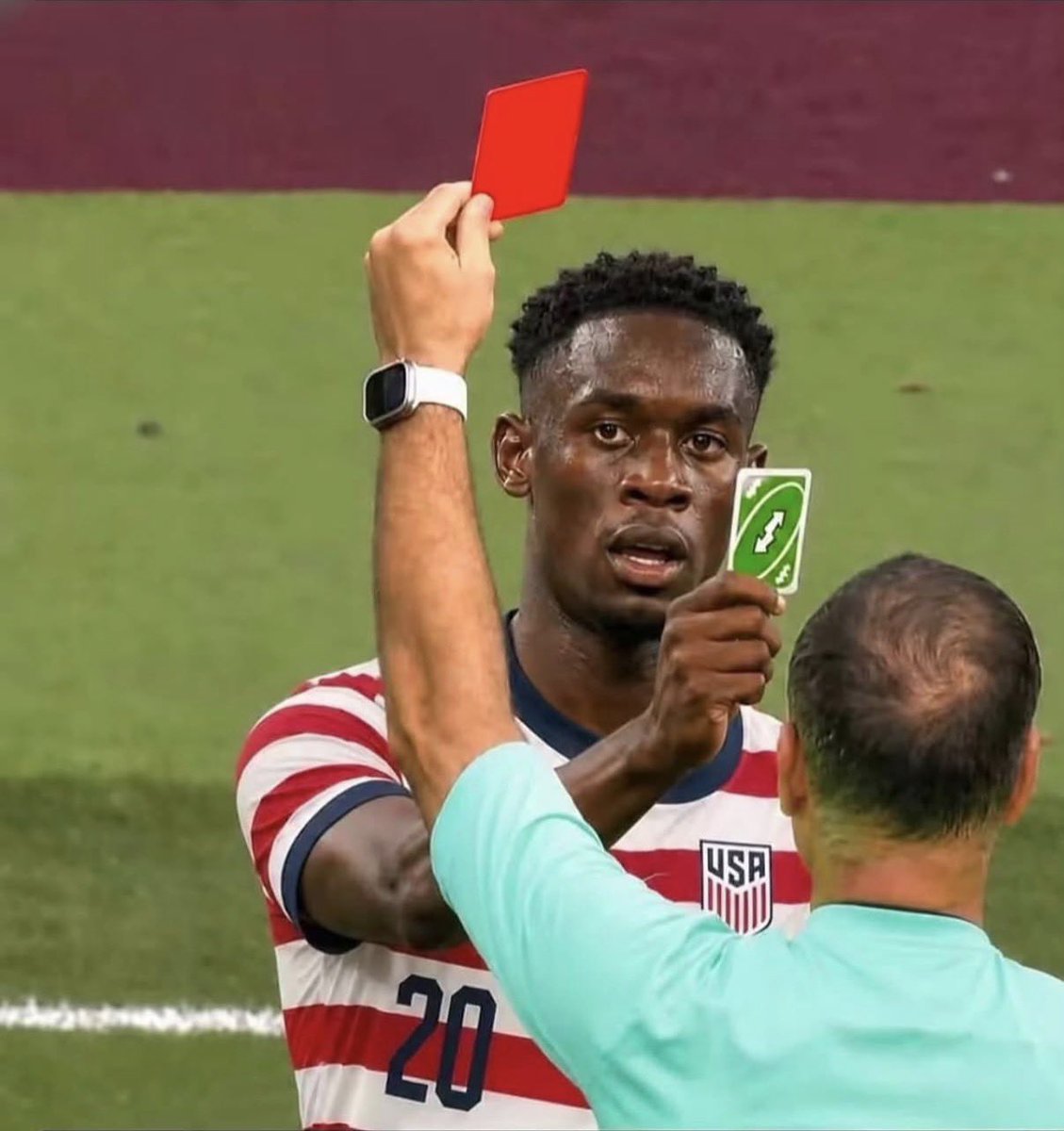
The FIFA Disciplinary Committee has suspended the red card issued to the USA striker during their Round of 32 win over Bosnia and Herzegovina.
Friendly reminder that this wasn’t a red card just a few weeks ago. What a horrible fucking decision that could cost the USA our World Cup run. This better be investigated.
All 15 saves from Curaçao’s @EloyRoom, the 2nd-most ever in a Men’s FIFA World Cup match 🇨🇼
The 37-year-old @USLChampionship goalkeeper for @TheMiamiFC was just one save shy of Tim Howard’s record 16 saves
⚽️🏈 Why Do Americans Call It Soccer? Blame England.
Americans get a lot of grief for calling it soccer. It is, the argument goes, a typically obtuse piece of American exceptionalism, a nation so convinced of its own importance that it renamed the world’s most popular sport just to be difficult. The rest of the world calls it football. The Americans call it something that sounds like a position in a law firm. How very them.
Except it isn’t them. Not originally, anyway.
The word soccer comes from Association Football, the formal name given to the game when the Football Association was founded in England in 1863. A few decades later, schoolboys at Rugby School and then Oxford, with that particular genius the English have for mangling perfectly good words, took “Assoc,” short for Association, and bolted on the suffix “-er,” a standard piece of Victorian public school slang used to make anything sound more cheerful. Rugby football became “rugger.” Association football became “soccer.”
The English invented the word. They used it cheerfully for decades. It appeared in British newspapers and formal writing well into the twentieth century without anyone apparently clutching their pearls about it.
There is a lovely wrinkle here, too. “Soccer” was largely the word of the upper class, while the working and middle classes preferred “football.” So when the upper class began losing its grip on British society from the 1960s onward, “soccer” went down with it, quietly dropped the way you abandon a phrase once it becomes unfashionable, and then pretend you never said it at all.
By the time America was building its own professional leagues, “soccer” had become entirely natural there, partly to distinguish the sport from American football, which had arrived earlier and planted its flag on the word “football” with the confidence of someone who got there first and has no intention of moving.
So the next time someone sneers that Americans can’t even name the sport correctly, you can point out that Americans are faithfully preserving a word the English coined, used for generations, then quietly abandoned and somehow turned into evidence of foreign stupidity.
Which, when you think about it, is a very English thing to do.
Stay connected,
Follow @Gandalv