The Rising Powers Initiative examines the identities and foreign policy debates of aspiring powers in Asia. The Initiative is hosted by the Sigur Center at GWU.
In this Policy Alert, the Rising Powers Initiative looks into how Asia’s three big powers (China, India, and Japan) have been impacted by and reacted to the Strait of Hormuz crisis. Read more here: https://t.co/nn6S7qk7z3
@sigurcenter@deepaollapally#China#India#Japan
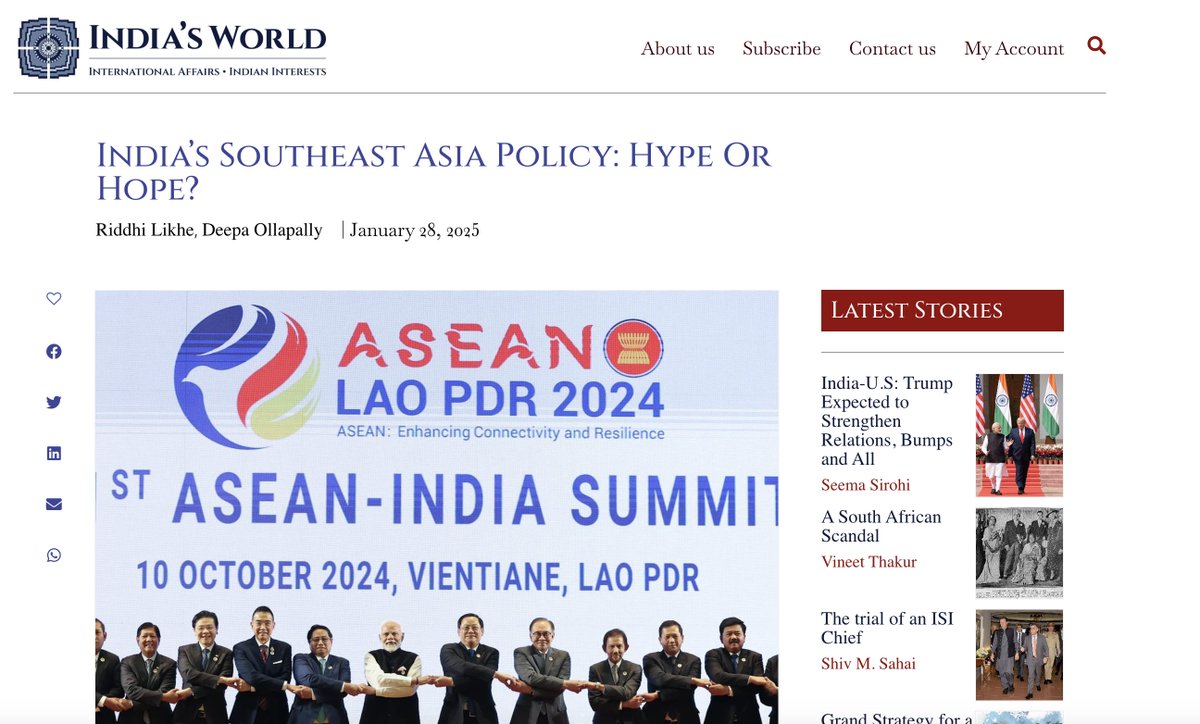
Riddhi Likhe and Deepa Ollapally analyze India’s Southeast Asia policy using the findings from the State of Southeast Asia 2024 Survey.
"Although India ranks low on the Lowy Asia Power Index metric of regional defence networks, its growing cooperation with ASEAN nations directly involved in the South China Sea dispute highlights its potential to expand its influence."
#India #SoutheastAsia #ForeignPolicy @ASEANstudies@ISEAS@DeepaOllapally@Riddhi_kyulikhe
As India readies itself for Indonesian President @prabowo's Republic Day visit, India's position in Southeast Asia remains ambiguous at best.
How much influence does India really exert in the region? Find out more in RPI's new policy brief:
https://t.co/RVe77bxjk6
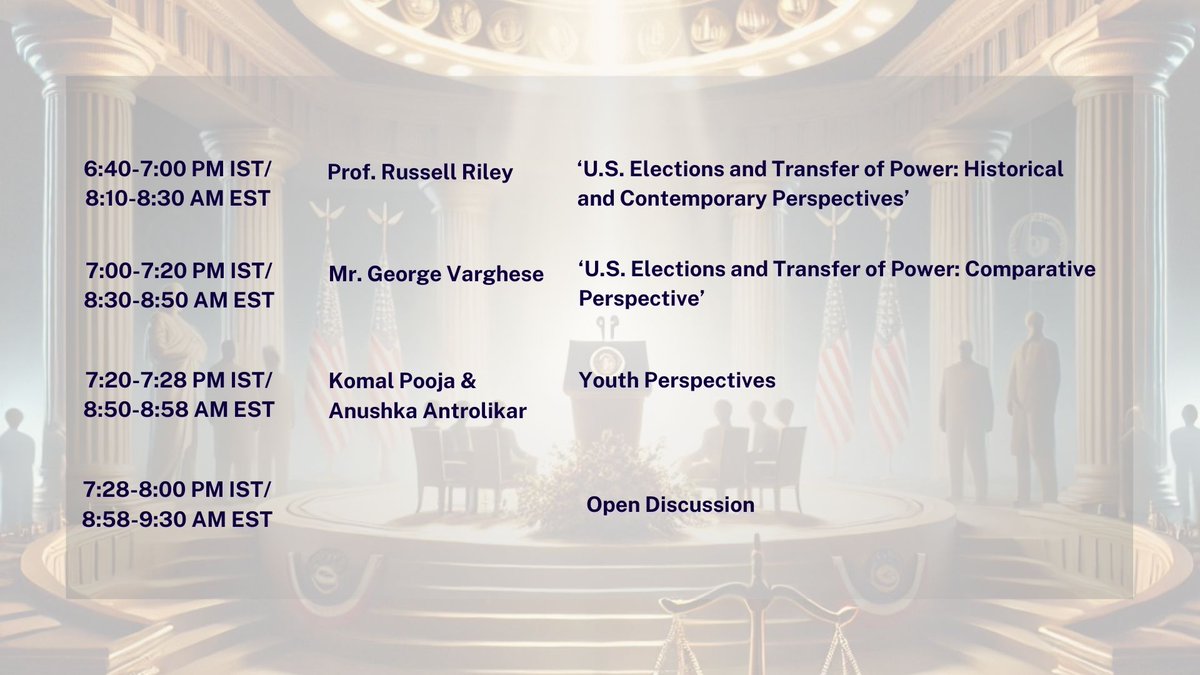
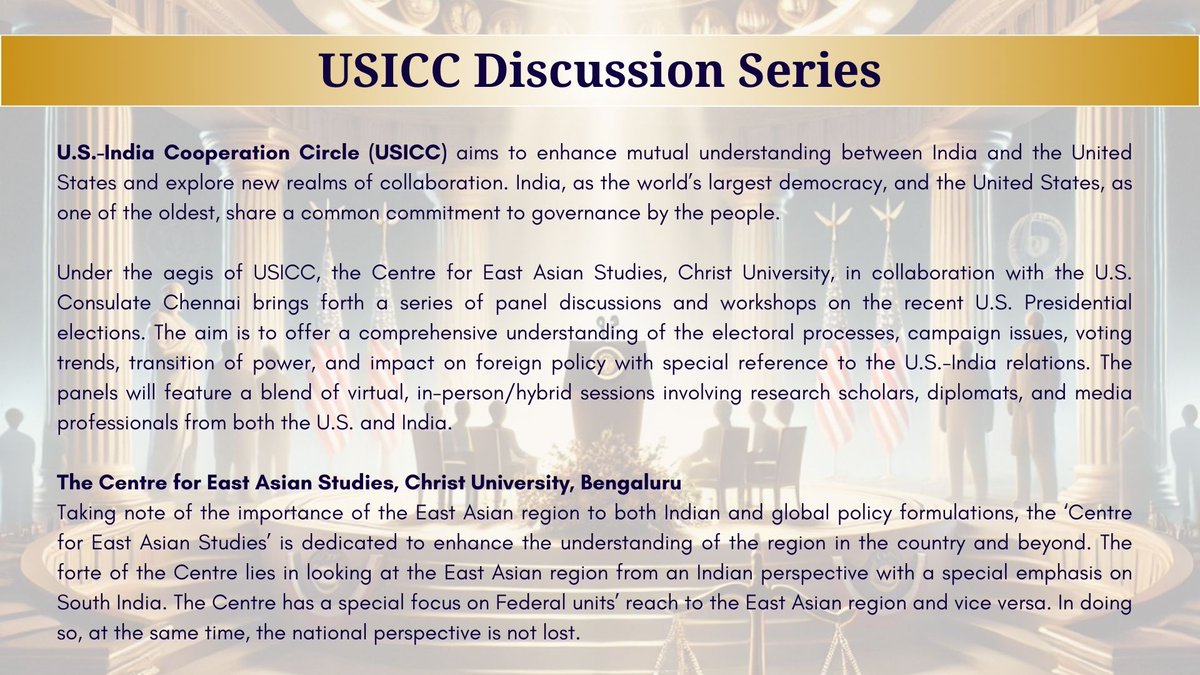
The CEAS, Christ University in collaboration with the U.S. Consulate General Chennai under the aegis of U.S.-India Cooperation Circle presents Panel Discussion on 'U.S. Elections and Transfer of Power: Historical, Contemporary and Comparative Perspectives' on 23 January 2025.
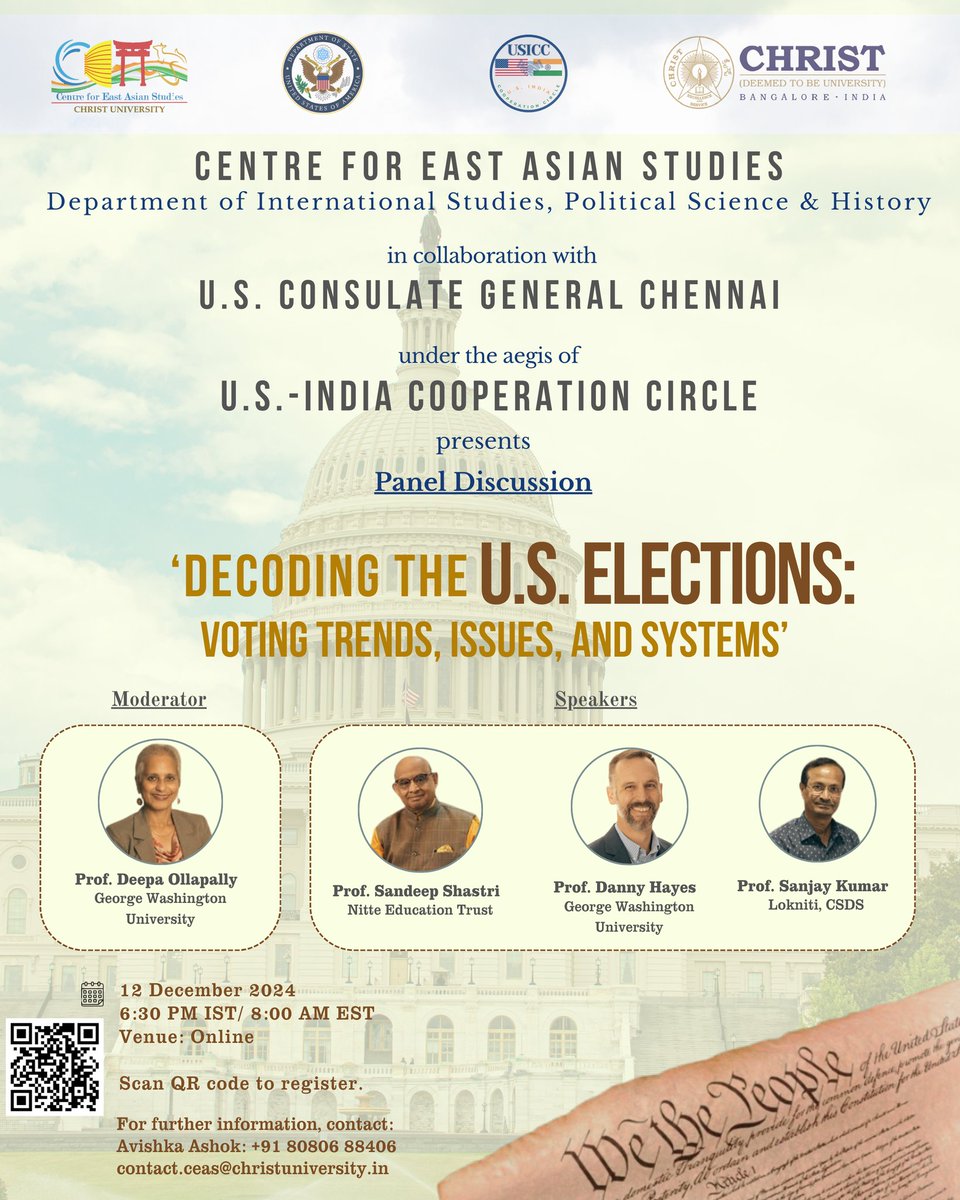
Christ University, under @USICC_, is hosting a panel discussion with @DeepaOllapally on 'Decoding the U.S. Elections: Voting Trends, Issues and Systems'.
@gwusigurcenter
The Centre for East Asian Studies, Christ University in collaboration with the U.S. Consulate General Chennai under the aegis of U.S.-India Cooperation Circle presents Panel Discussion on 'Decoding the U.S. Elections: Voting Trends, Issues and Systems'.
63.6% of Indian Gen Z university student respondents believe that @KamalaHarris is the better choice for US-India cooperation. Learn more about the positions of Indian Gen Z students from the results of RPI's new survey over the weekend: https://t.co/MhAq1TJuJl
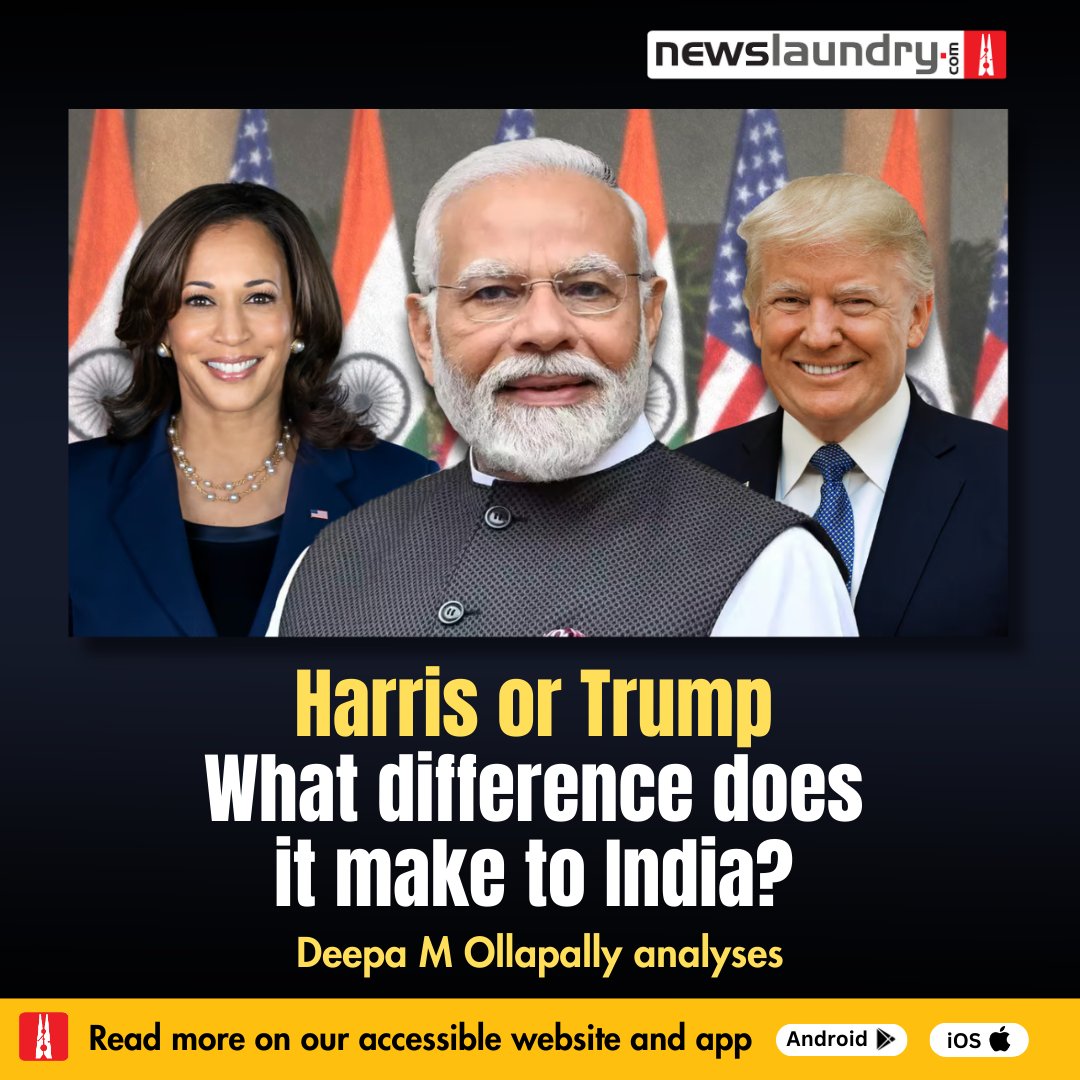
Read @DeepaOllapally's insights on the impact of this November's elections in the US on India, particularly technological gains, immigration and other aspects of the US-India partnership.
@gwusigurcenter
Regardless of who wins #USElections2024, India is likely to feel the “Trumpification”.
Both countries have much to gain from strengthening defence and strategic technology ties, which may help ease tensions in trade and immigration.
✍️ Deepa M Ollapally
https://t.co/Tcv0bAQvnf
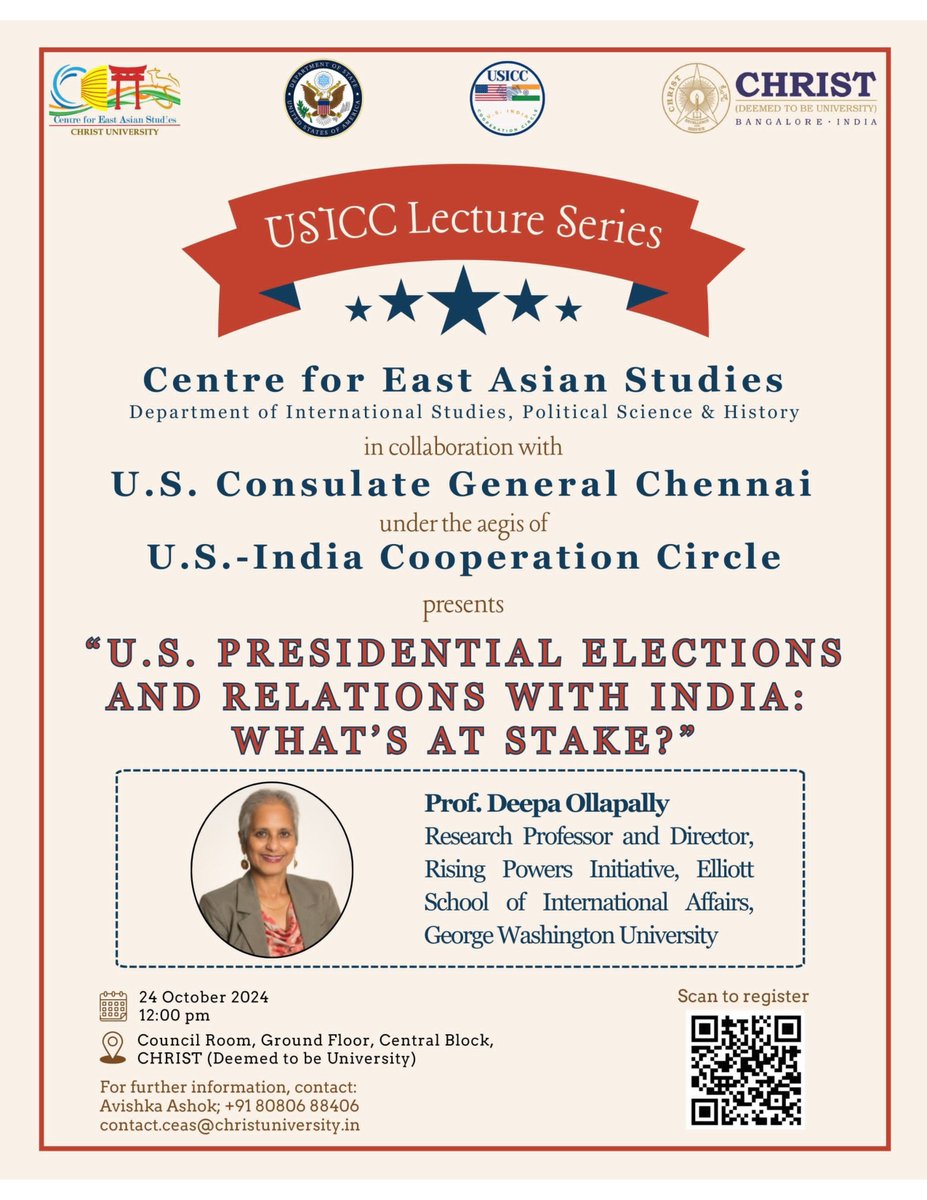
Christ University, under @USICC_, is organizing a Lecture Series on "U.S. Presidential Elections and Relations with India: What's at Stake?" by @DeepaOllapally at 12:00 PM IST on 24 October 2024.
To attend the event please register at: https://t.co/9weZNYXdnt
RPI is pleased to announce a new Series on Indian Influence in the Indo-Pacific. Read @DeepaOllapally and A.Siddiqui's insights on the ramifications of the Maldives tourism controversy as the President of Maldives visits India for the first time.
https://t.co/gVSt7sOlZI
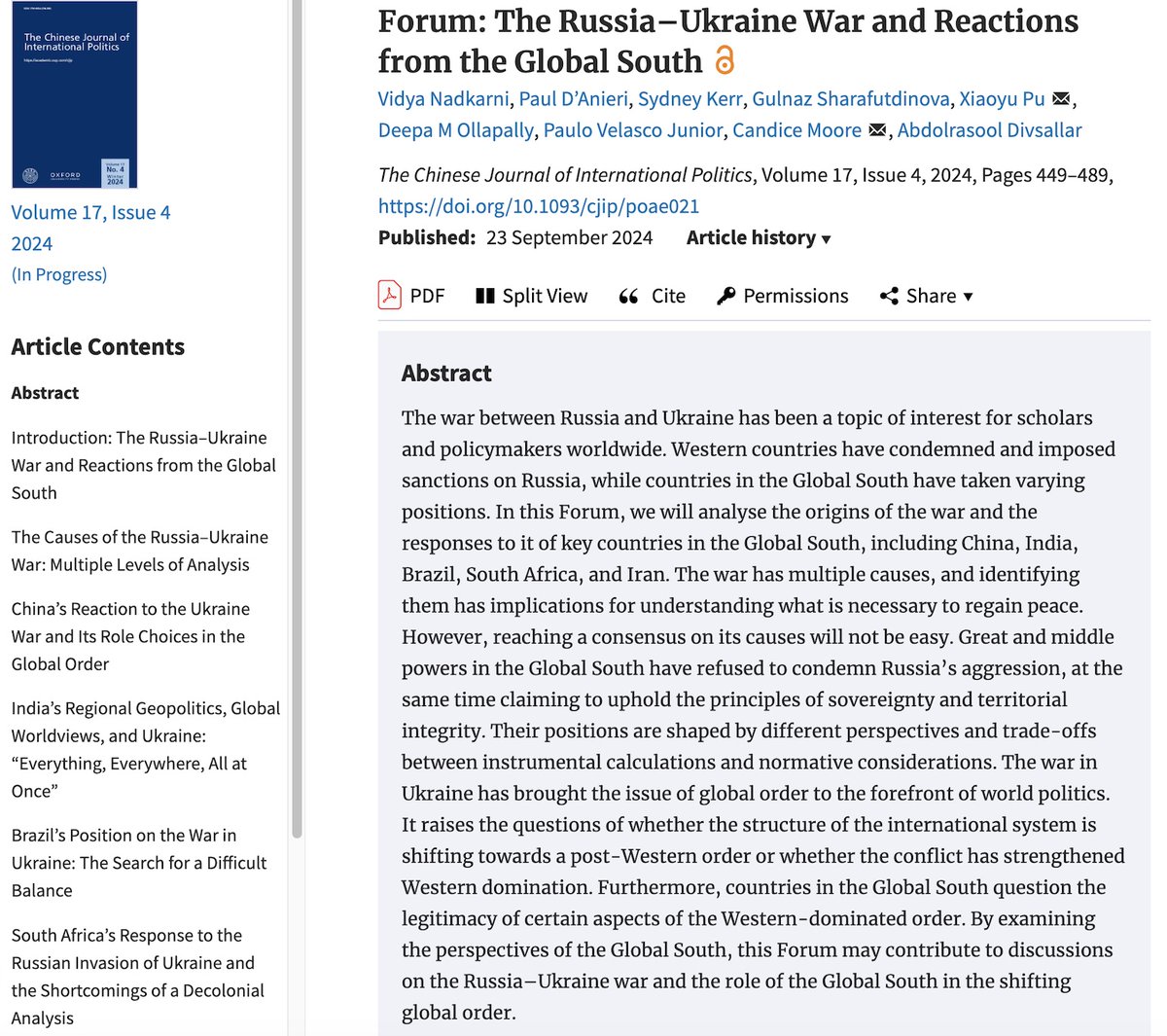
Our latest @cjip_journal long article explores how Global South countries, including Brazil, India, China, South Africa, and Iran, respond to the Russia-Ukraine War and how their reactions impact the global order (Open access) @unrpolisci@CWPColumbia
https://t.co/vJrs7XQ4kV
Sigur Summer Research Fellow @jittip_m 's article about Thai civil society originally published for the @risingpowers has been published in @diplomat_apac ! Read the article here and find out about how Thailand's civil society has impacted its elections: https://t.co/4yjW0nibK7
Challenges in technology transfer- the US has concerns about sharing high-end technology, while India's policy of self-reliance may hinder integration into global supply chains. Both nations must focus on the issue of technology transfers to realize their combined power.
Benefits of US-India military operational cooperation- India gains best practices and subject matter expertise from the US. The integration of liaison officers from both countries into commands and fusion centers helps them act in an integrated fashion during contingencies.
Challenges in the relationship can be viewed as opportunities- while there may be pinpricks in the relationship due to geopolitical strife, both countries have consciously taken a long-term view and are focused on improving interoperability.