We're now on #Bluesky!
We won't be leaving X completely, but if you've made the move, follow us for updates and discussions on everything #RiskKnowHow related
Connect with us 👉https://t.co/fo09Yzxsvi
Weighing up risks is something we have to do every day.
This article tells the stories of risk practitioners who use mathematics as a tool to think 'beyond the numbers', and help their communities navigate risk information.
Read to find out more 👇
https://t.co/QM7AUtJQi3
Meet Inilek Wilmot, marine biologist at Jamaica’s Oracabessa Bay Fish Sanctuary, a protected breeding ground conserving endangered species and boosting local fishing stocks. He spoke to us about communicating risk and gaining community support. Read more: https://t.co/AGzHkvn7Ug
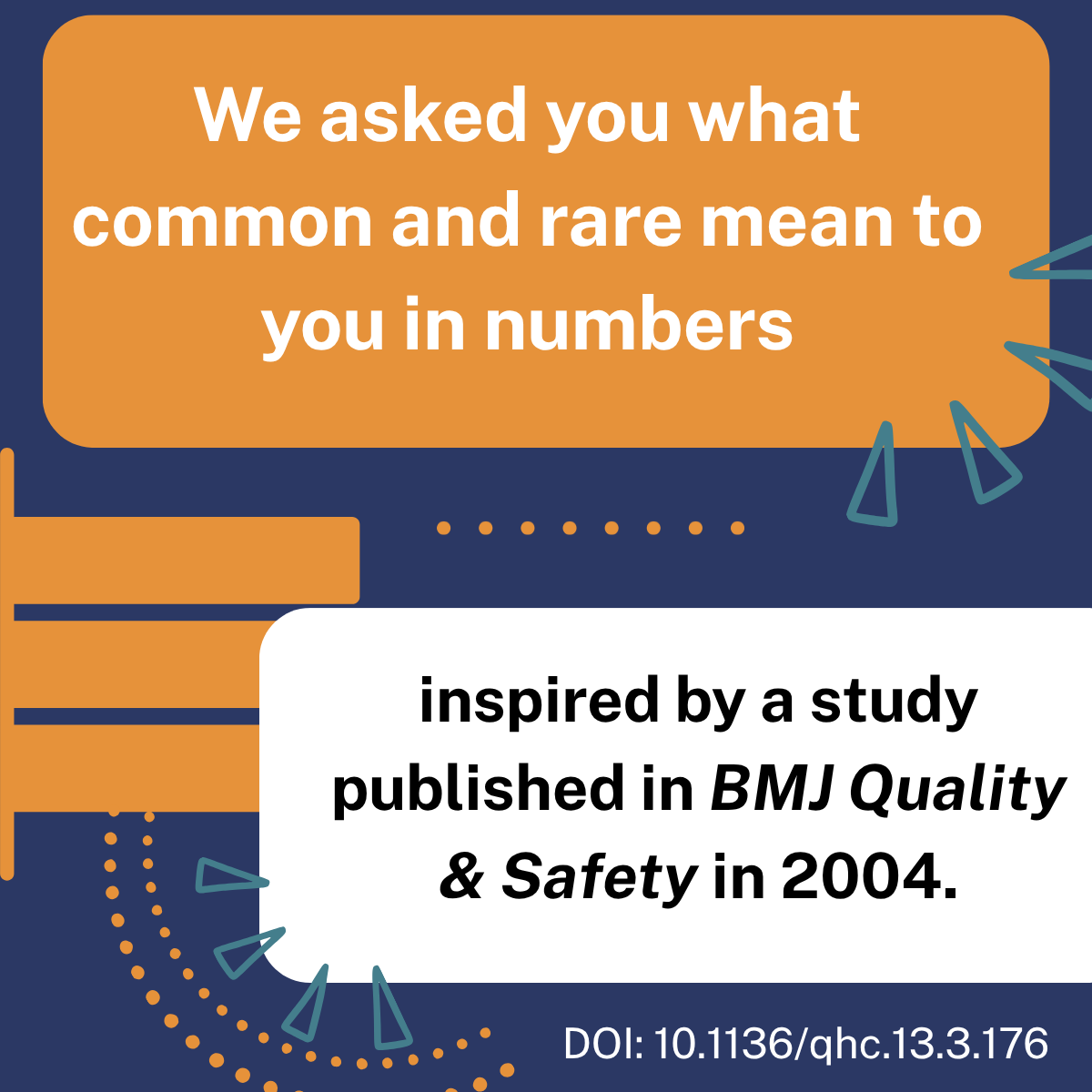
Over the past week, we asked what ‘common’ & ‘rare’ mean. People overestimated both: actual risks are 2.4% & 0.04%. Words can mislead risk perception; numbers help. Study: https://t.co/BDwD87VDlU More: https://t.co/0hFdguGRtS
Meet risk practitioner Amy Peden, an injury prevention lecturer and researcher at UNSW Sydney. She works to make drowning prevention messages clear and practical, and calls for better access to safety info in rural areas.
Discover her perspective 👉 https://t.co/KhqH2CjOJY
Meet Rebecca Blaylock, Research and Engagement Lead at the British Pregnancy Advisory Service. She spoke to Risk Know-how about how women understand risk and the challenges of framing it in clinical contexts. Read more here: https://t.co/vwFDmMOn7z
We’ve been introducing communities impacted by wildfires in Chile to the Risk Know-How framework (https://t.co/yLkWYl4q21). Workshops explored how concepts like uncertainty and the distinction between outcome and consequence could help people better understand risk.
Meet Monica Feliu-Mojer, a risk practitioner ensuring under-served communities can make informed decisions. Monica helps people understand probabilities, trade-offs, and uncertainty in everyday life. Find out more here: https://t.co/nTKRBG6og9
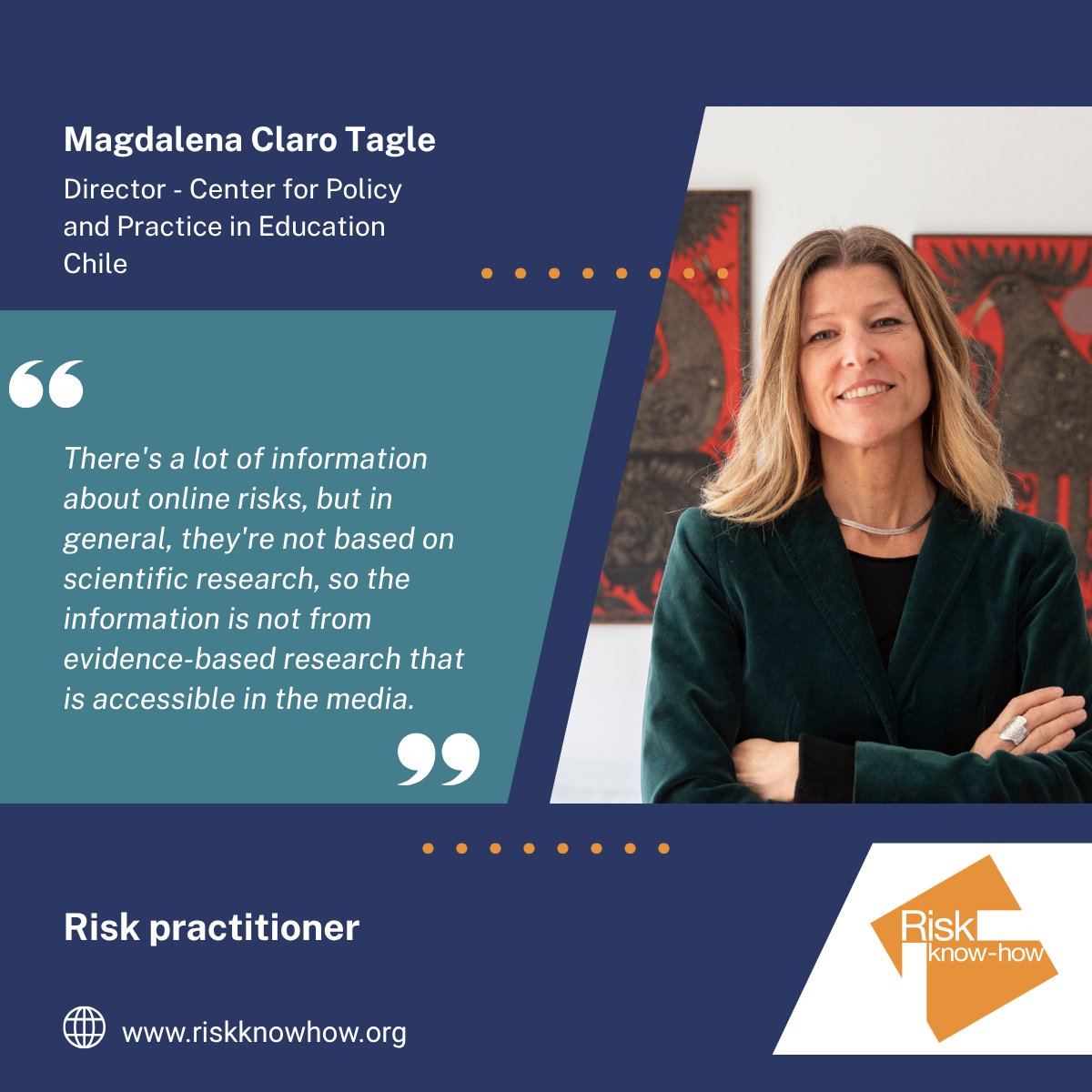
Meet Magdalena Claro Tagle, a Risk Know-How practitioner, researcher and policy leader in digital education. Her work shows that access to information is not enough — people also need shared language and the skills to find and interpret risk data. https://t.co/t2FISCQRno
Meet Sarah Whitaker, an outdoor educator. Sarah helps adults and children build everyday risk judgement, showing that learning to live with uncertainty is a key part of developing Risk Know-How. Find out more here: https://t.co/s2i05UKNOd
Meet Ben Bailey, who leads programmes for the safety and welfare of seafarers worldwide. He stresses that shared technical knowledge is not enough if people do not have a shared understanding of risk in their specific context. Find out more here:👉 https://t.co/vRO9OcCN83
Really excited to share that our exhibition has been extended for another week!
So if you are in the City of London in the next week and interested in finding out more about how good risk communication can empower people to make safer decisions, please pop in.
Risk Know-How is exhibiting at the Lloyd's Register building! Come and learn about the initiative, hear from our practitioners and see the future of Risk Know-How; open 9-5 on weekdays from 29 January-3 February. https://t.co/PGqXPCkoaE
Meet Gabriella D’Cruz, a marine conservationist working with India’s growing seaweed industry. Gabriella highlights how hard it is to communicate the urgency of long-term climate risks when people face more immediate pressures. Read more here: https://t.co/807J6cVQyA
Risk Know-How is exhibiting at the Lloyd's Register building! Come and learn about the initiative, hear from our practitioners and see the future of Risk Know-How; open 9-5 on weekdays from 29 January-3 February. https://t.co/PGqXPCkoaE
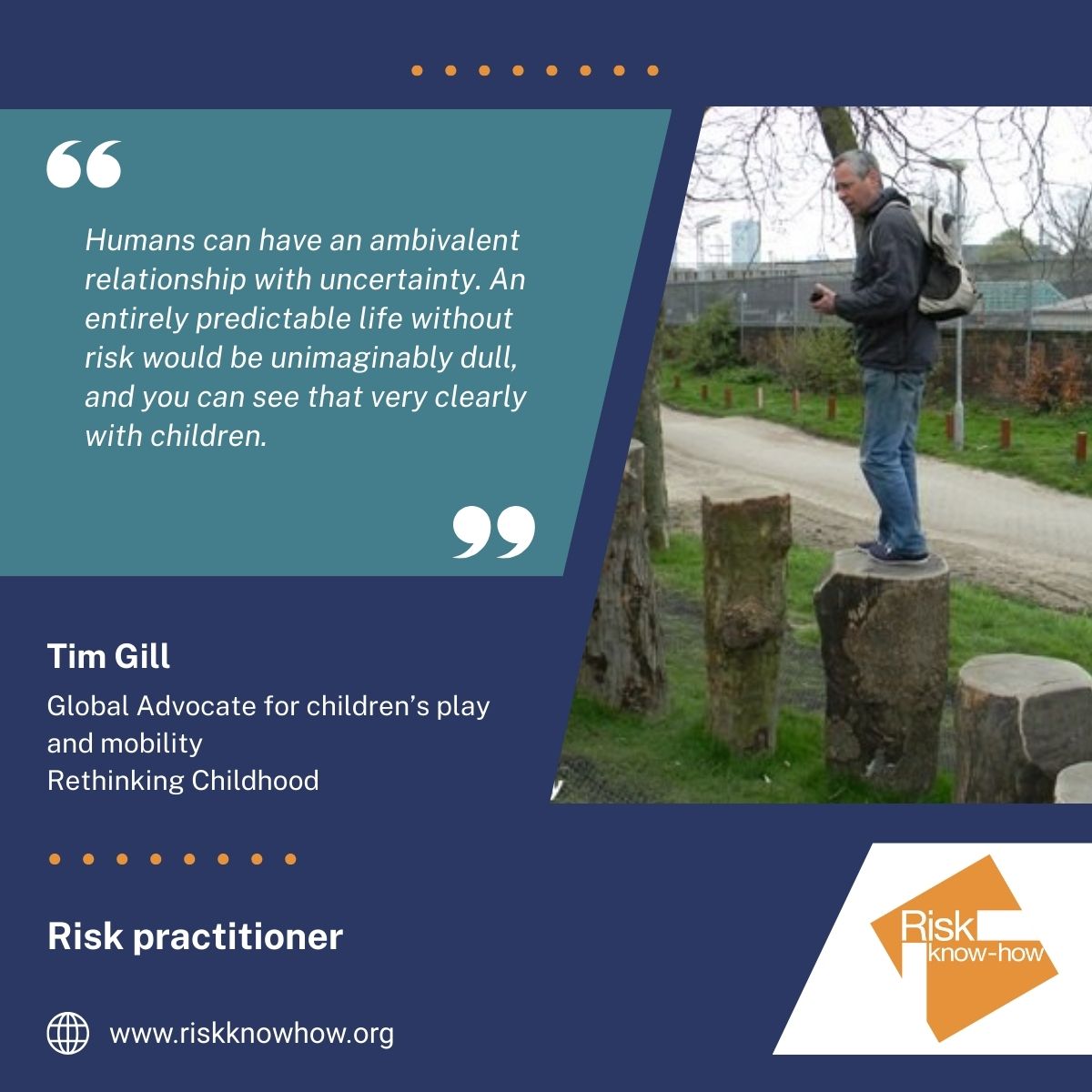
Meet Tim Gill, writer, researcher, and global advocate for children’s play and mobility, who spoke to Risk know-how about the importance of evaluating trade-offs in risk: https://t.co/jXptbYqrPW @timrgill
Meet Risk know-how practitioner, Professor Chioma Blaise Chikere. Her award-winning project harnesses the hydrocarbon-clearing ability of bacteria to reclaim oil-polluted farmland in the Niger Delta. Read her insights on risk communication: https://t.co/9QHDP9Yoms @ChikereDr
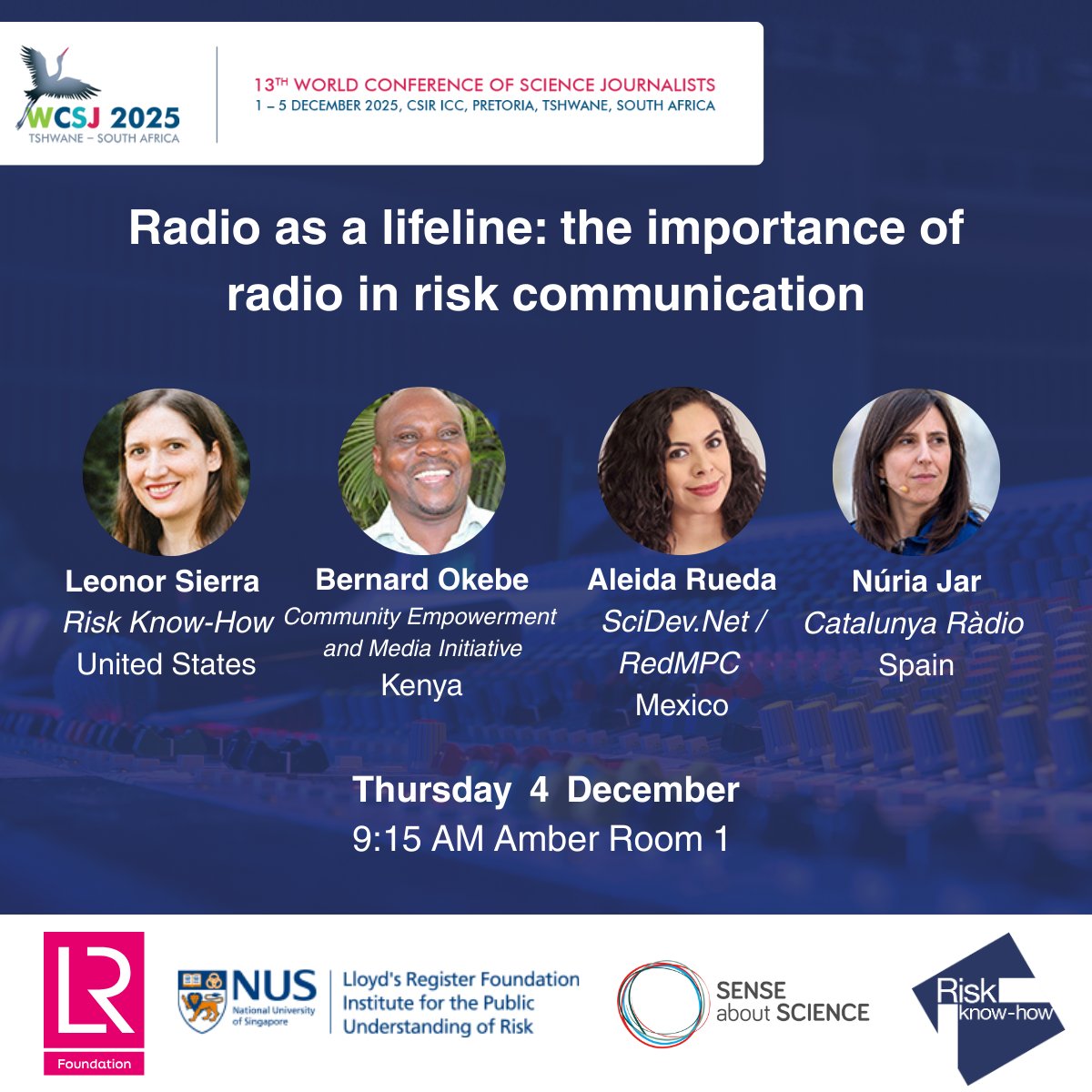
Hello @wcsj2025! Our session, Radio as a lifeline, will be tomorrow in Amber Room 1 ➡️ https://t.co/CCmTrqBfBB
What do you think makes radio especially good for radio risk communication? Share your thoughts with us below👇
#ScienceStories#ScienceJournalism#WFSJ#WCSJ2025
David was also on the panel titled ‘Professional knowledge and competences for an efficient EIPM ecosystem’. They discussed the need for knowledge brokers to receive training in communicating risk and uncertainty effectively.
On Friday @senseaboutsci Deputy Director Dr David Schley represented Risk know-how at the ‘Getting ready for trouble’ symposium in Brussels. The symposium focused on the communication process for evidence-informed policymaking in times of crisis.
On Friday @senseaboutsci Deputy Director Dr David Schley represented Risk know-how at the ‘Getting ready for trouble’ symposium in Brussels. The symposium focused on the communication process for evidence-informed policymaking in times of crisis.
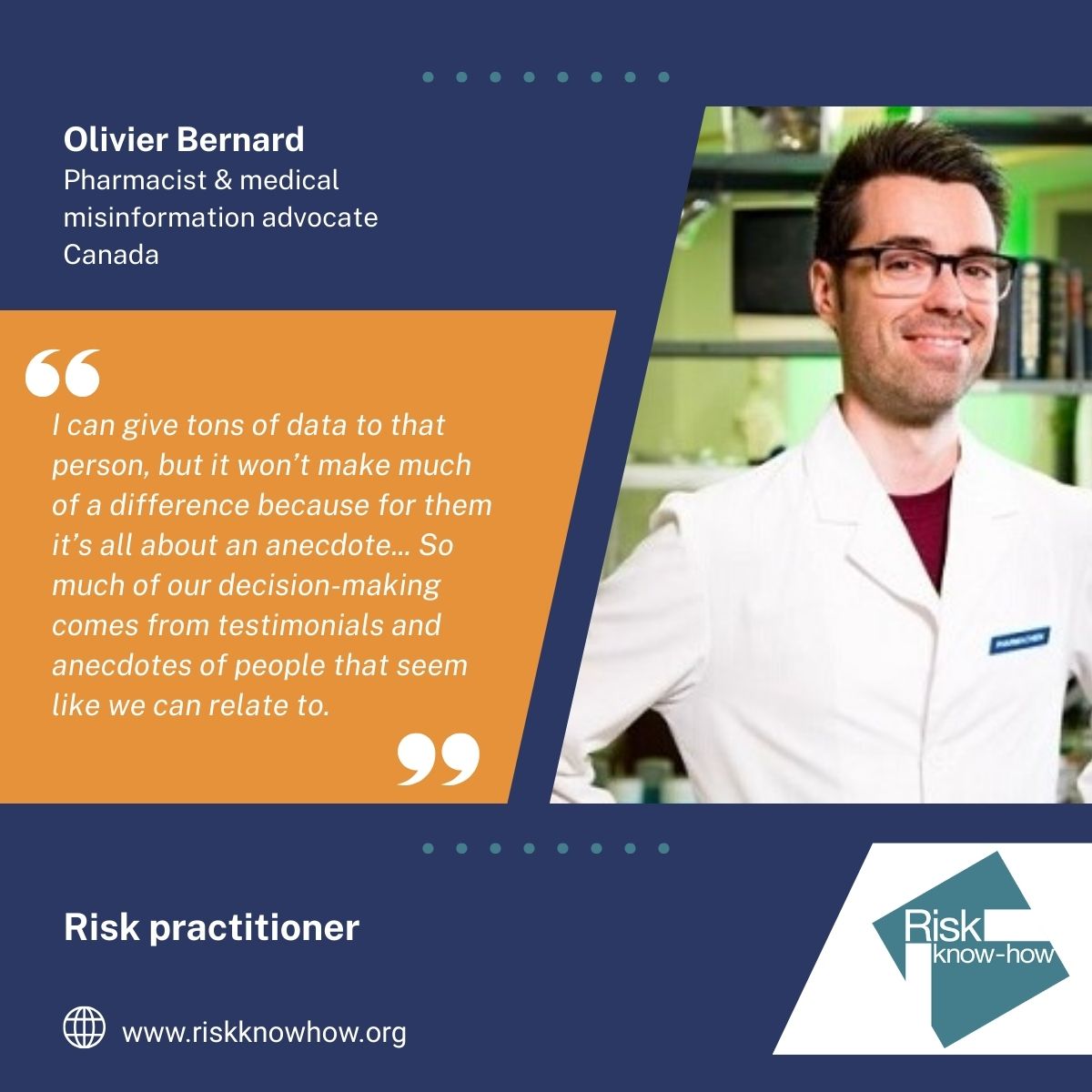
Meet Olivier Bernard- science communicator, author, pharmacist and 2019 winner of the early career researcher Maddox Prize. Read his insights into understanding other's perceptions of risk here: https://t.co/vO5Ont401V and about his prize win here: https://t.co/BjpHCd7dGD
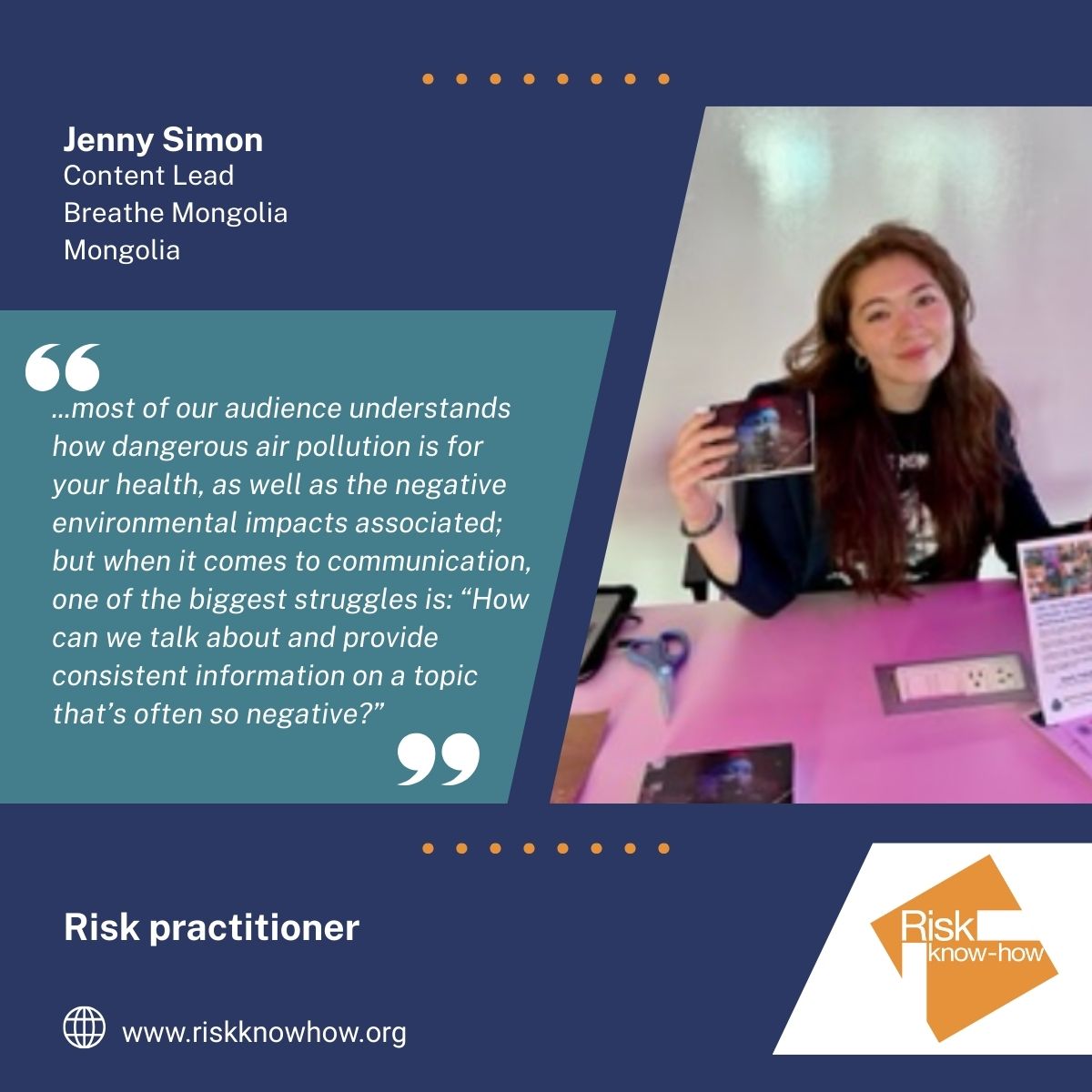
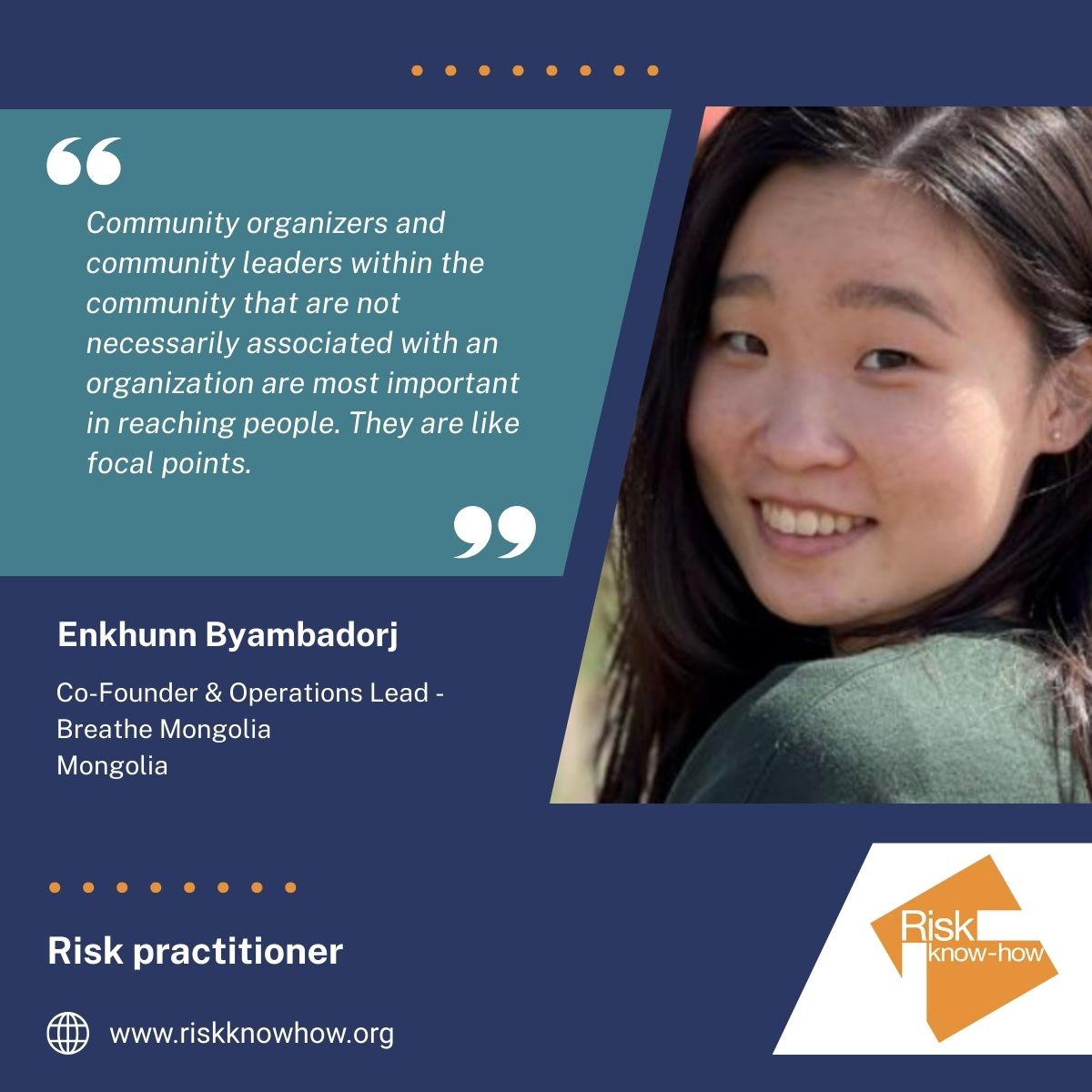
Meet Enkhuun Byambadorj, co-founder of Breathe Mongolia, and content lead, Jenny Simon. They spoke to us about how they are working to tackle deadly air pollution and communicate risk in a way that motivates action. Discover more here: https://t.co/suwTgGoNyP @BreatheMongolia