The new 10% tariff adjustment by the USA presents challenges that could disrupt Kenya’s export market and affect trade dynamics while offering opportunities to scale up trade and investments between the United States and Kenya
Here's KAM's statement on the 10% Reciprocal Import Tariff to Kenya imposed by USA
#KAMStatement
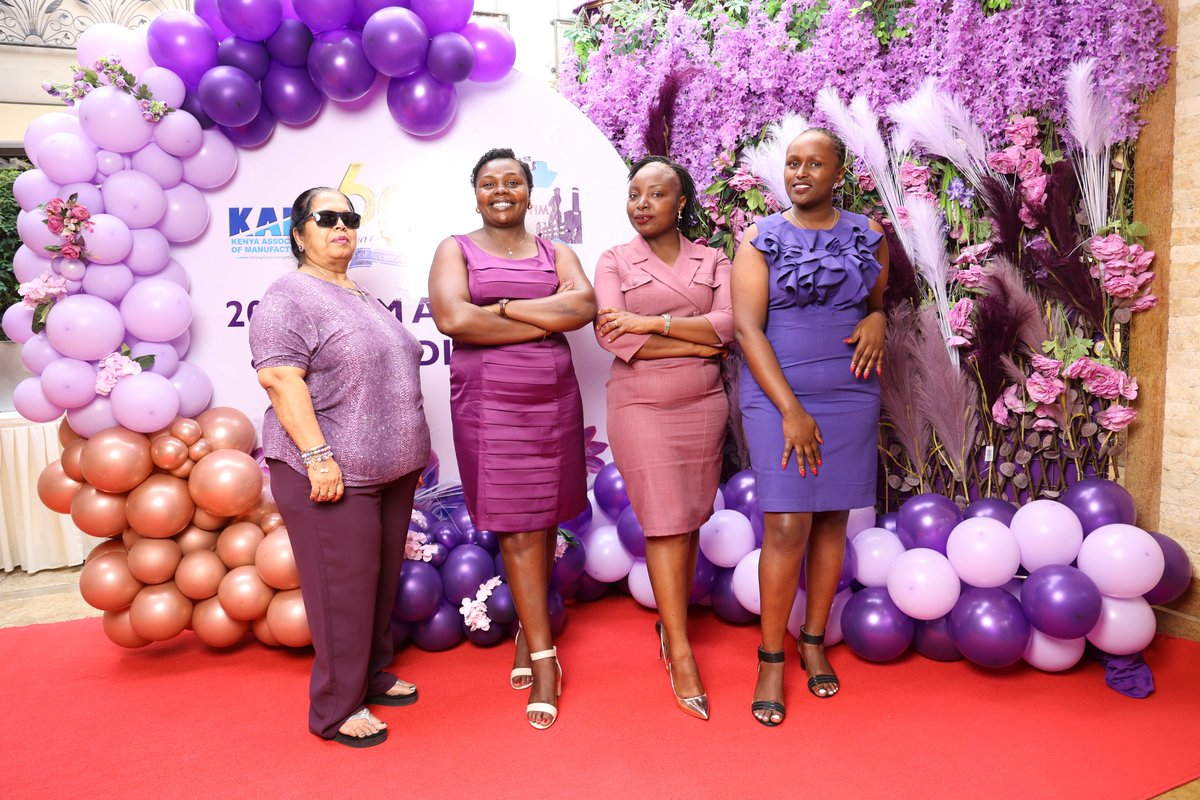
It's an evening of pomp and colour at the Women in Manufacturing Gala Dinner! We're thrilled to host the 2025 Women in Manufacturing Gala, where we'll be networking, dancing, celebrating, and honouring the trailblazing women in industry. Stay tuned for real-time updates on our X, or follow the event live on YouTube and Facebook. Don’t miss out!
Livestream: https://t.co/lhN5ExDTKx
#WIMAwardsKe
#WomeninManufacturing
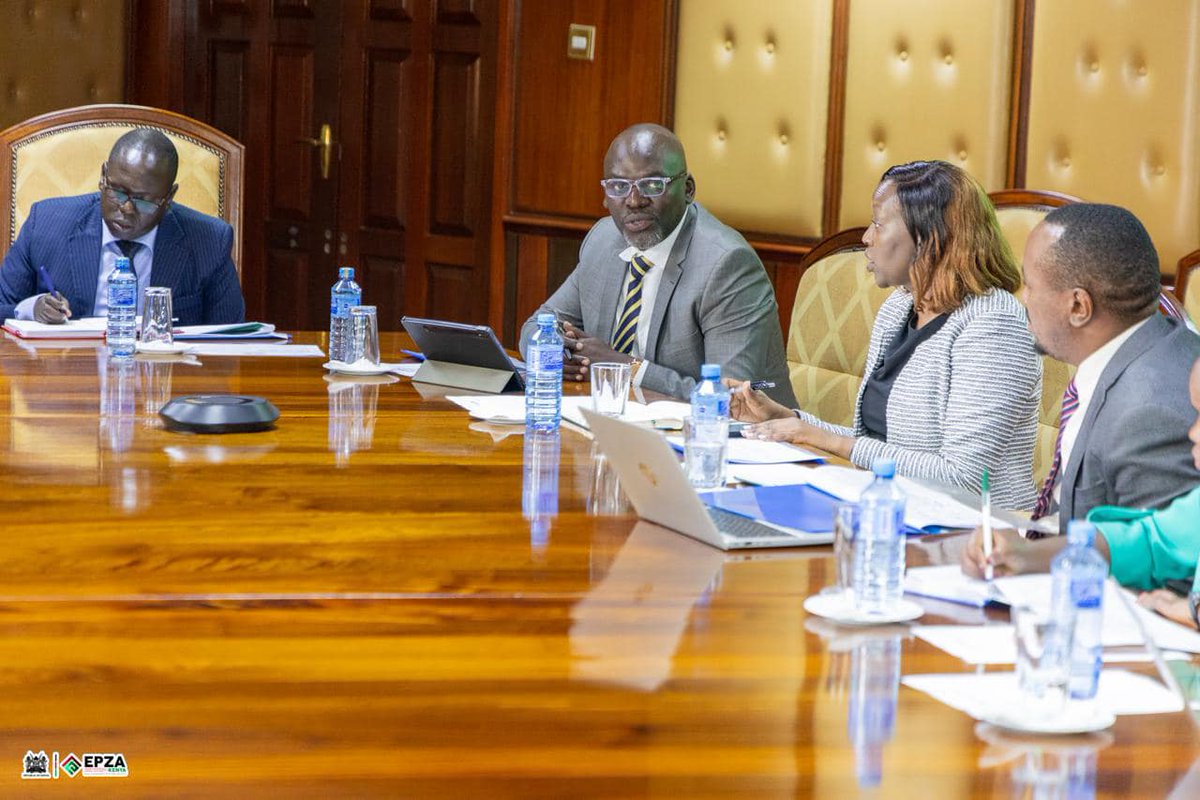
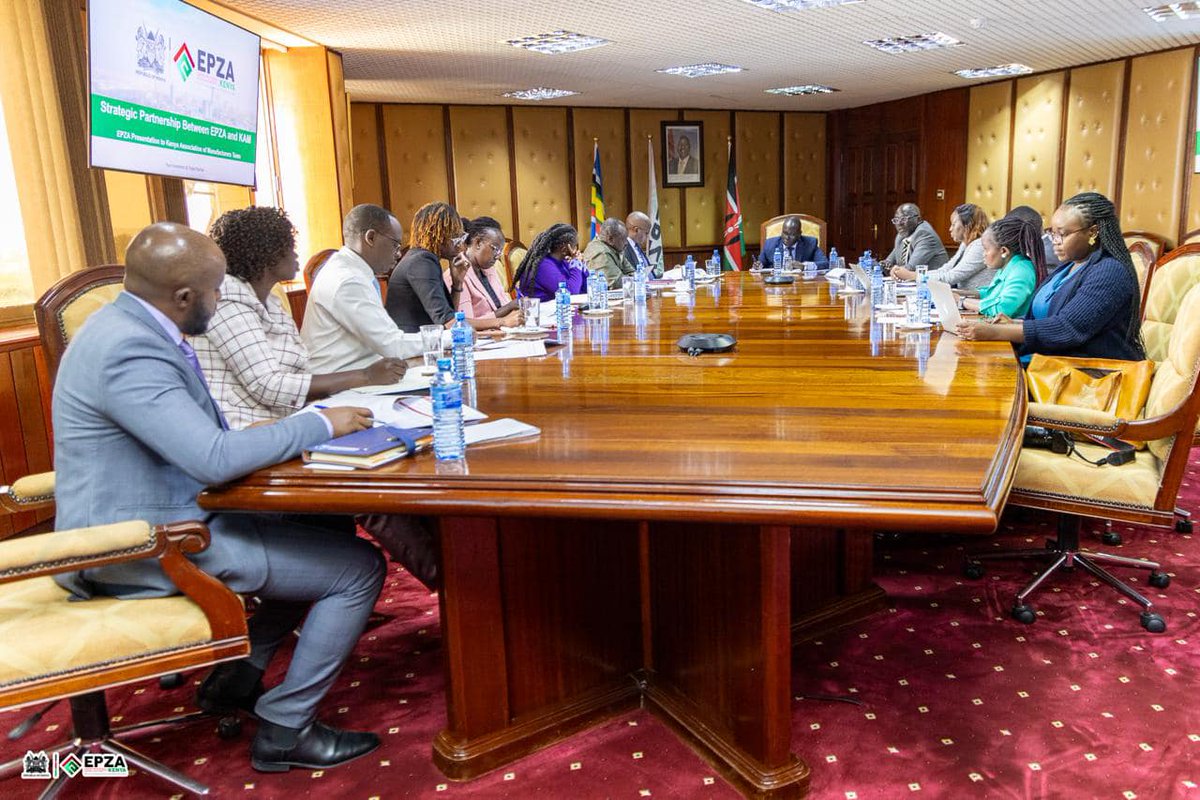
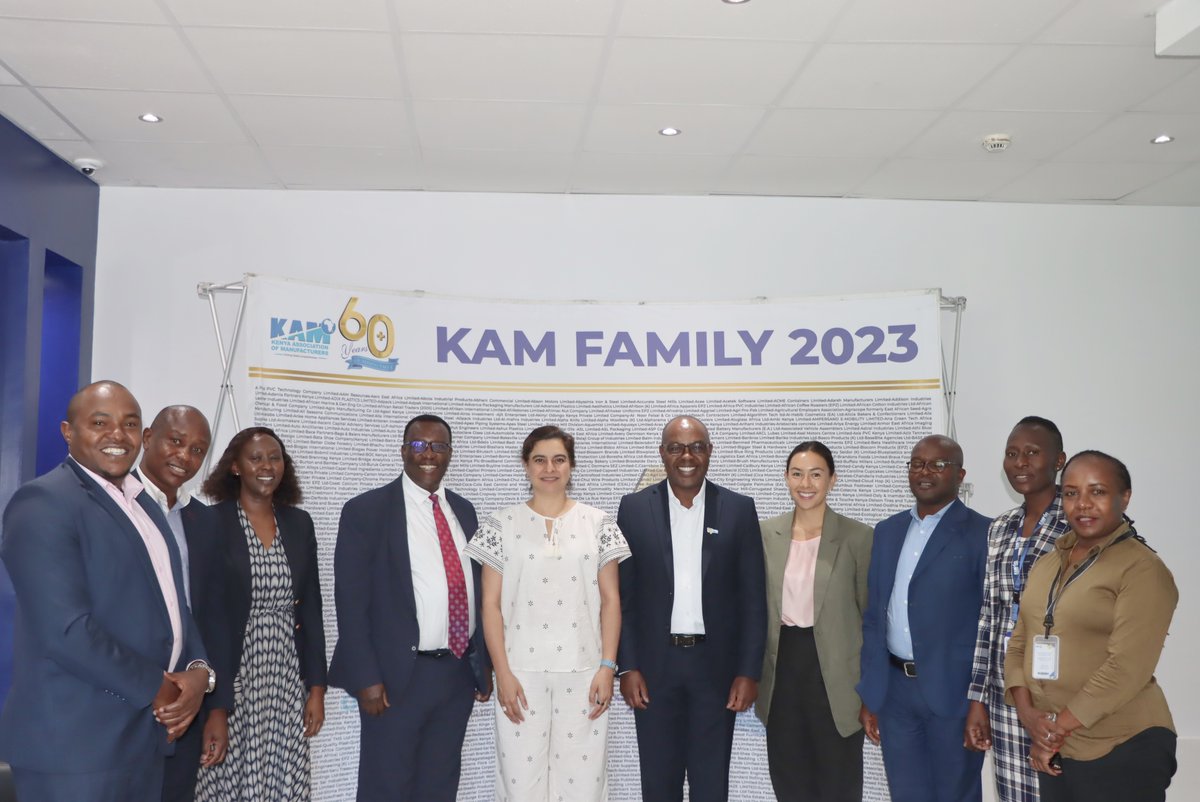
@epzakenya led by Mr. Richard Omelu, chief executive officer met a team from @KAM_Kenya to explore potential areas of collaboration aimed at driving Kenya's industrialization and export growth.
The @KAM_Kenya delegation was led by Mr. Tobias Alando, chief executive and Ms. Miriam Bomett, head of policy, regulatory and advocacy. The discussions centered around market access for EPZ companies, with a particular focus on the extension of the African Growth and Opportunity Act (AGOA), which is crucial for sectors like apparel. Infrastructure challenges, such as water, roads, and electricity, were also discussed as critical areas for improvement.
Mr. Omelu reaffirmed @epzakenya commitment to working with @KAM_Kenya to boost economic growth. He highlighted the shared goal of increasing the manufacturing sector’s contribution to GDP from 7.6% to 20% by 2030, alongside attracting foreign direct investment (FDI) and promoting local procurement through backward integration @GovLeeKinyanjui@PSAhassan@AlfredKOmbudo@KenyaAuthority@MITIKenya@KenInvest@MakeItKenya
At Kenya Association of Manufacturers (KAM), we go above and beyond to support our members' growth and success. From advocacy to capacity building, KAM provides an array of benefits that empower your business to thrive in Kenya and beyond.
#KAMAtWork#AboveAndBeyond #EmpoweringManufacturers #CustomerServiceWeek
#UpholdingAuthenticity
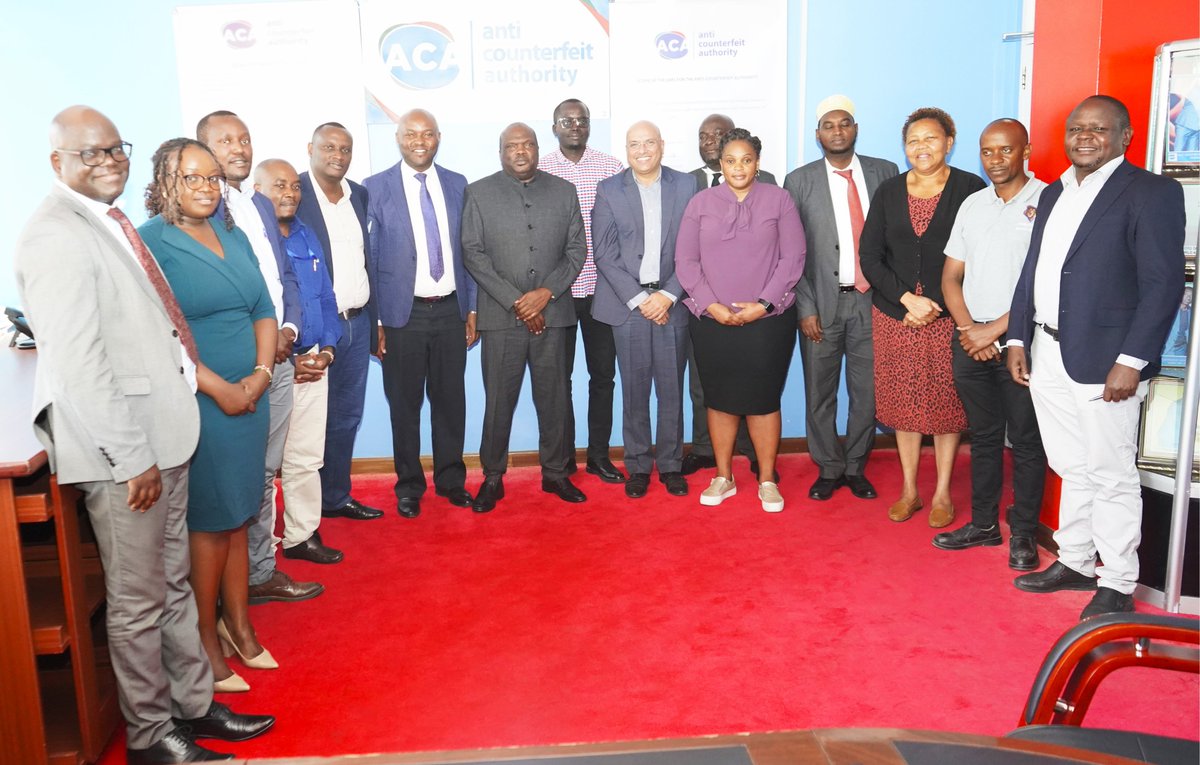
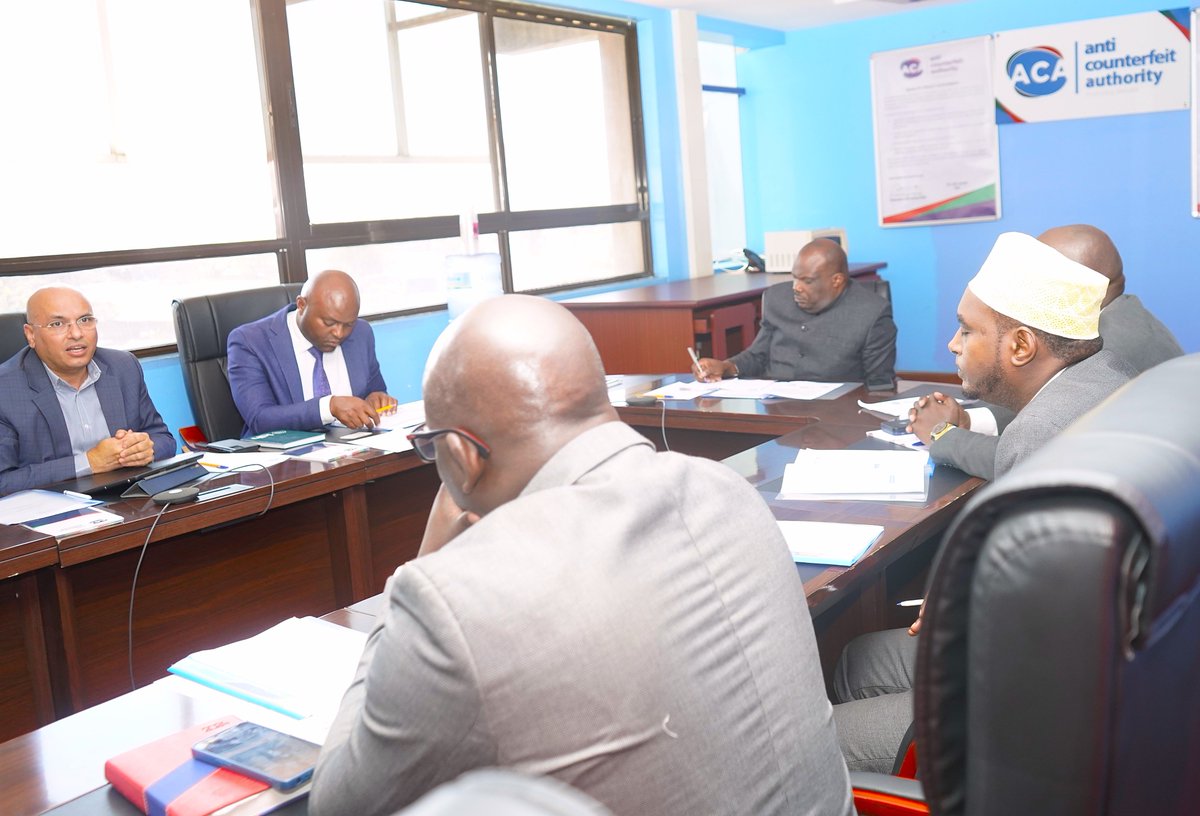
Today @ACA_Kenya Executive Director, Dr. Robi Mbugua Njoroge, held a meeting with leaders of the Kenya Association of @KAM_Kenya Cement Manufacturing Subsector, led by Chair Mr. Mohit Kapoor, to address rising concerns over counterfeit cement.
@EAPC_PLC
The sunset date for mandatory onboarding on the electronic tax invoice management system (eTIMS) is here.
As at March 26th, 190,000 tax payers had been onboarded on eTIMS, 26,000 of whom onboarded via the informal economy targeted channels of USSD & eTIMS lite.
This means that starting April 1st, any tax payer who is required to & does not issue an electronic invoice will face the steep penalty of two times the tax due as per the provisions of Sec86(2) of the Tax Procedures Act.
Next on @ntvkenya's #BusinessRedefined, a deep dive into eTIMS, what appears to be low uptake, & tax administration.
April 2nd, 7:30 - 9:00pm.
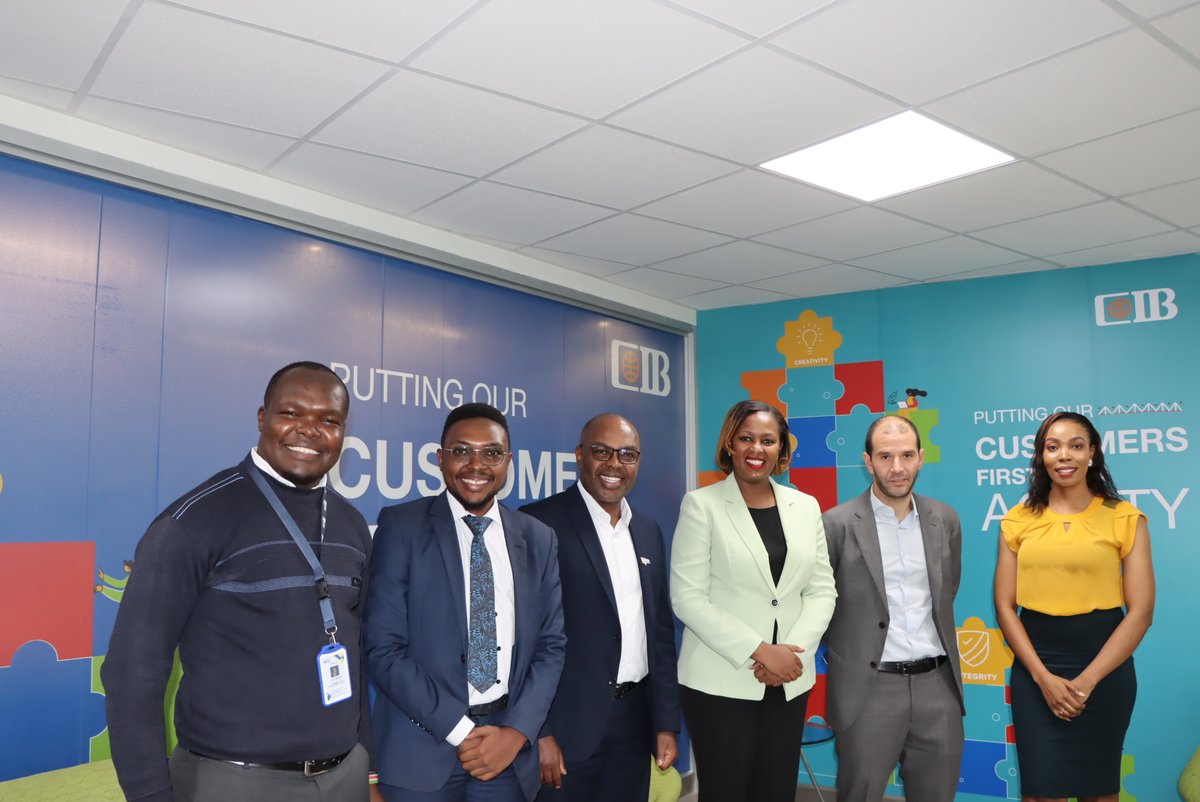
This afternoon, KAM Chief Executive Anthony Mwangi paid a courtesy call to the leadership of Commercial International Bank (CIB Kenya) to explore potential partnerships aligning with export-led growth.
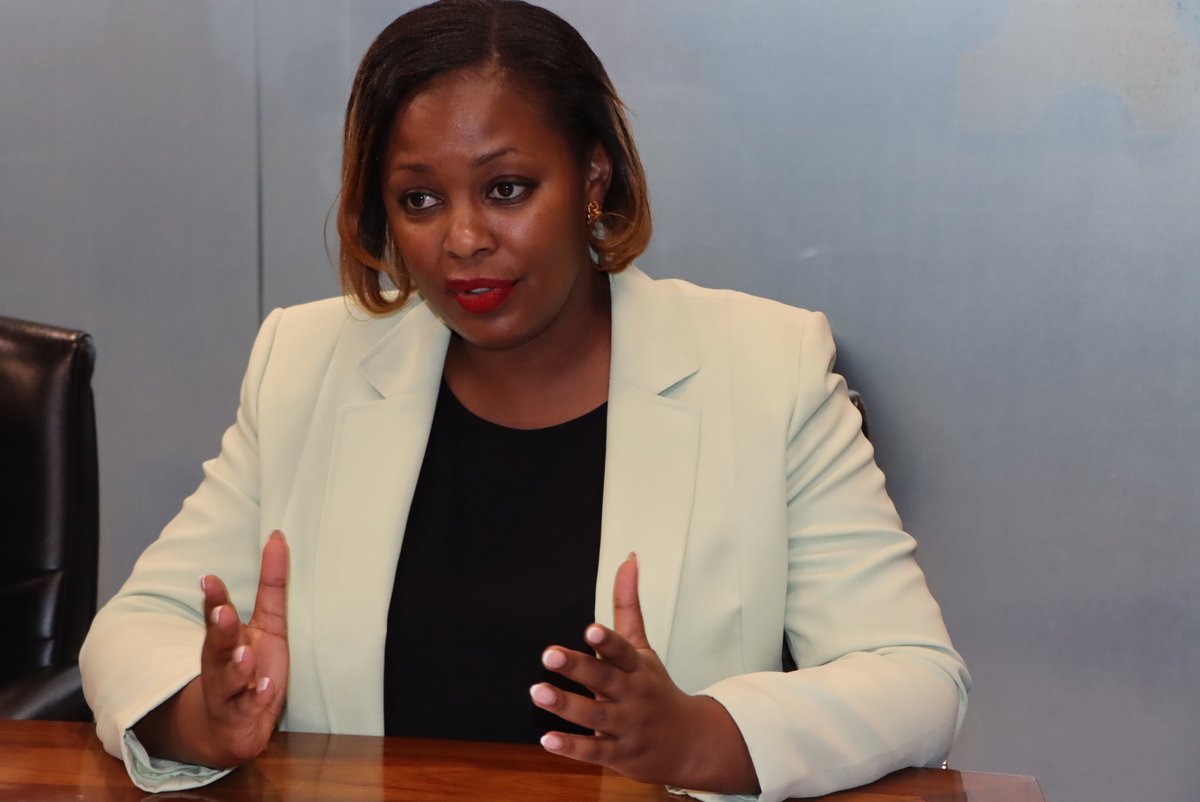
Ms Daphne Maina, Acting Chief Executive of CIB, highlighted the bank's prominence as the largest private sector bank, trading on the New York and London stock exchanges. Notably, CIB achieved an 85% digitization rate for customers in Egypt, with a net profit of $958 million in the financial year 2023. While currently operating 7 branches in Kenya, their focus is on digital expansion while emphasizing trade finance and digitization as their key strengths. In addition, Ms Maina mentioned CIB's distinctive offering - a new interest-bearing current account, showcasing their commitment to innovative financial solutions.
KAM Chief Executive Anthony Mwangi underscored the manufacturing sector's contribution to GDP and the importance of financial support to enhance competitiveness, both globally and domestically. He emphasized the importance of trade financing, citing the challenges faced due to the dollar shortage in 2023. Given Kenya's heavy reliance on imports for raw materials and intermediate goods, he pointed out that access to trade facilities is crucial for sustaining production.
Soliman El Ashkar, CIB's Assistant Vice President - African desk, highlighted the bank's familiarity with managing risks associated with accessing dollars, particularly evident in Egypt's experience in 2016. He expressed CIB's interest in supporting medium-sized companies, fostering connections between Egyptian and Kenyan manufacturers, and exploring value chain financing opportunities.
#KAMTakesYouThere
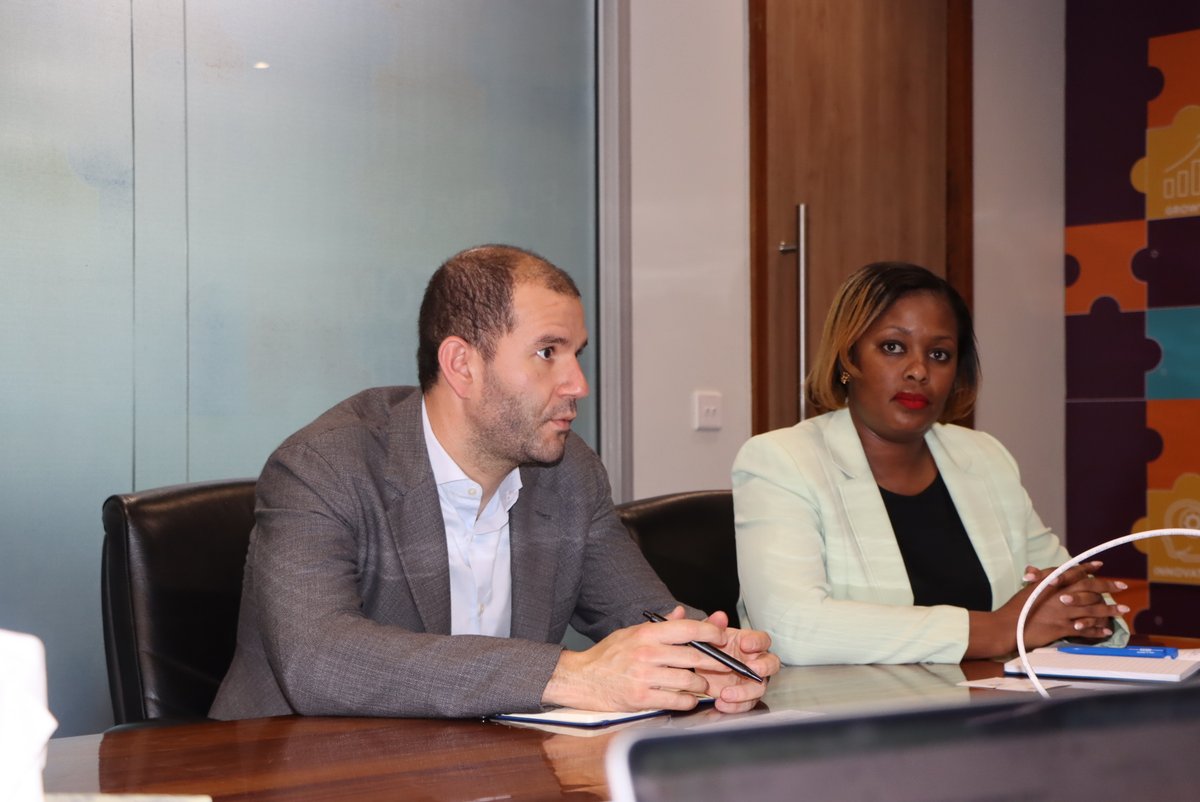
Earlier this morning, the Kenya Association of Manufacturers (KAM) held a meeting with a team from the International Finance Corporation (IFC) led by Amena Arif, the Country Manager for East Africa and Malawi, to discuss potential collaboration opportunities.
#KAMTakesYouThere
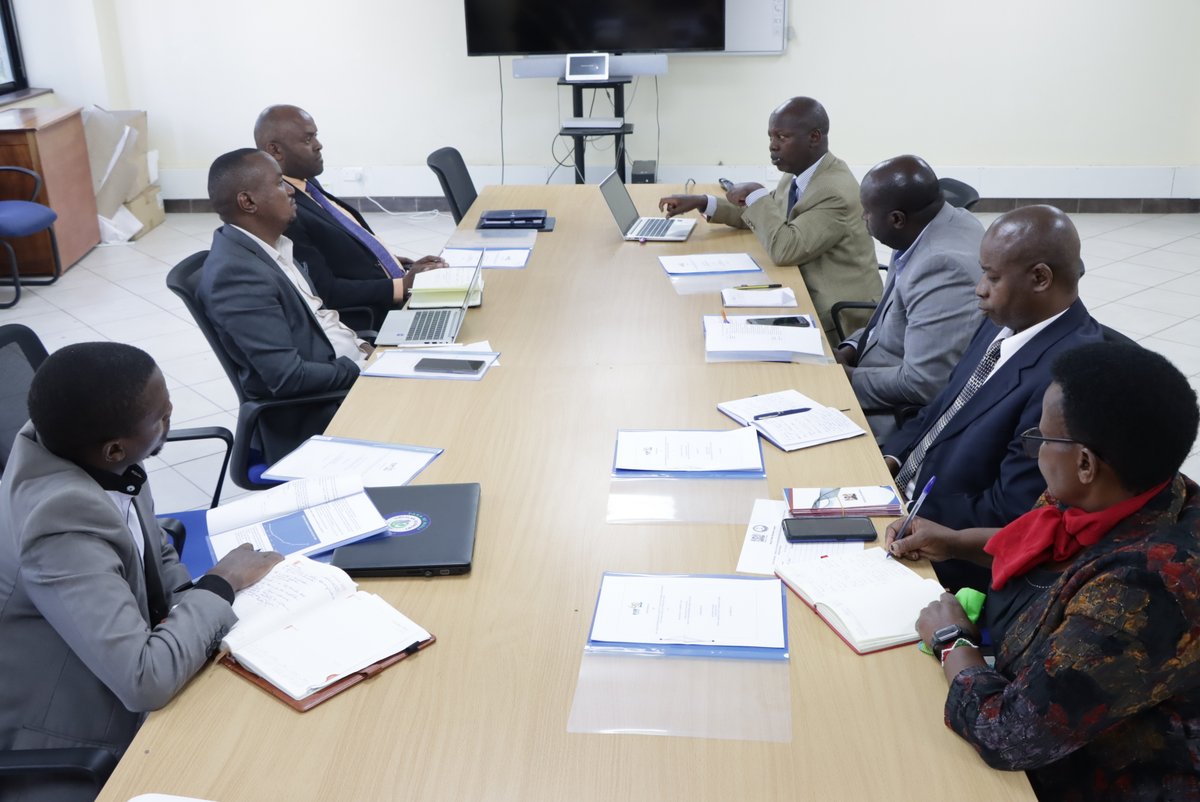
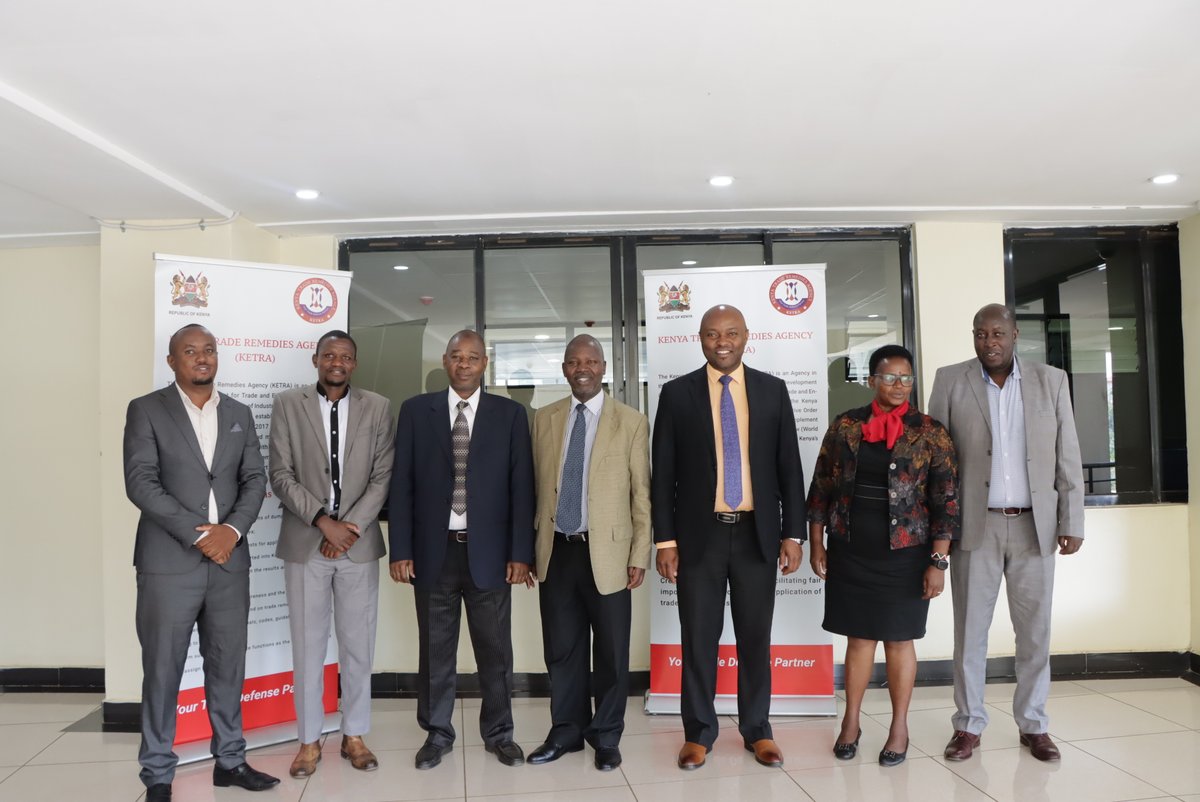
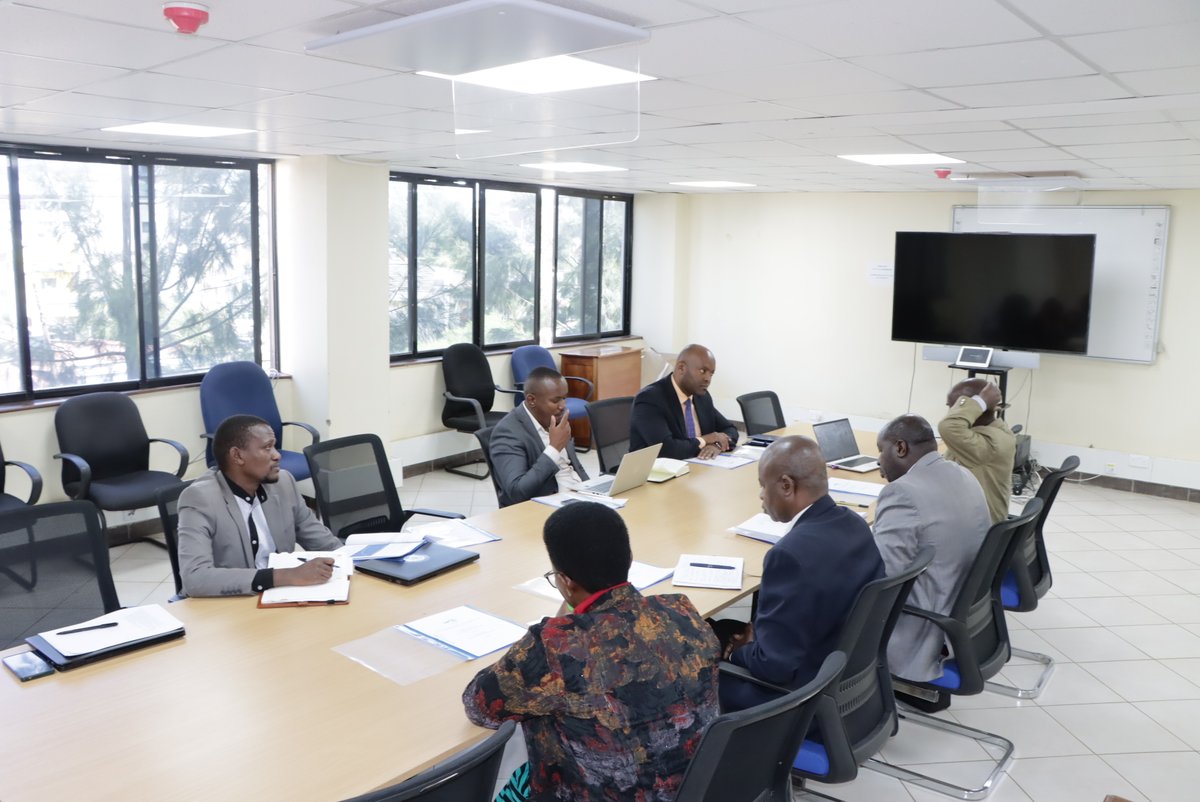
Consultative Meeting between KAM and KETRA on Trade Remedies Issues facing Manufacturers
KAM and the Kenya Trade Remedies Agency (KETRA) held a consultative meeting to discuss trade remedies issues faced by manufacturers, specifically those in the plastics and rubber, energy, electrical, and electronics sectors. The discussion delved into unfair practices, including dumping, subsidies, and special "countervailing" duties, along with emergency measures aimed at protecting local industries.
KETRA, a state corporation under the State Department for Trade, implements trade remedies in Kenya in accordance with the World Trade Organization (WTO) Law on Trade Remedies, domesticating WTO agreements on anti-dumping, subsidies and countervailing measures, and safeguards. This aligns with Kenya's efforts to protect against unfair import trade practices causing harm to its domestic industry.
During the meeting, various topics were discussed, including boosting global competitiveness and fostering export-led industrialization. Raising awareness about illicit trade among specific groups, like users, producers, and government bodies, is crucial. This requires improving collaboration among agencies like Kenya Bureau of Standards (KEBS), Anti Counterfeit Authority (ACA), Kenya Revenue Authority (KRA), enhancing coordination, and ensuring accountability. Additionally, advancing export-driven industrialization entails investigating dumping activities and actively engaging in the creation and enforcement of anti-dumping laws.
KAM Head of Policy, Research and Advocacy, Job Wanjohi stressed the importance of Kenya re-evaluating its cost and ease of doing business. He emphasized the necessity of defining a path toward sustained growth in anticipation of increased competition from both the region and the continent.
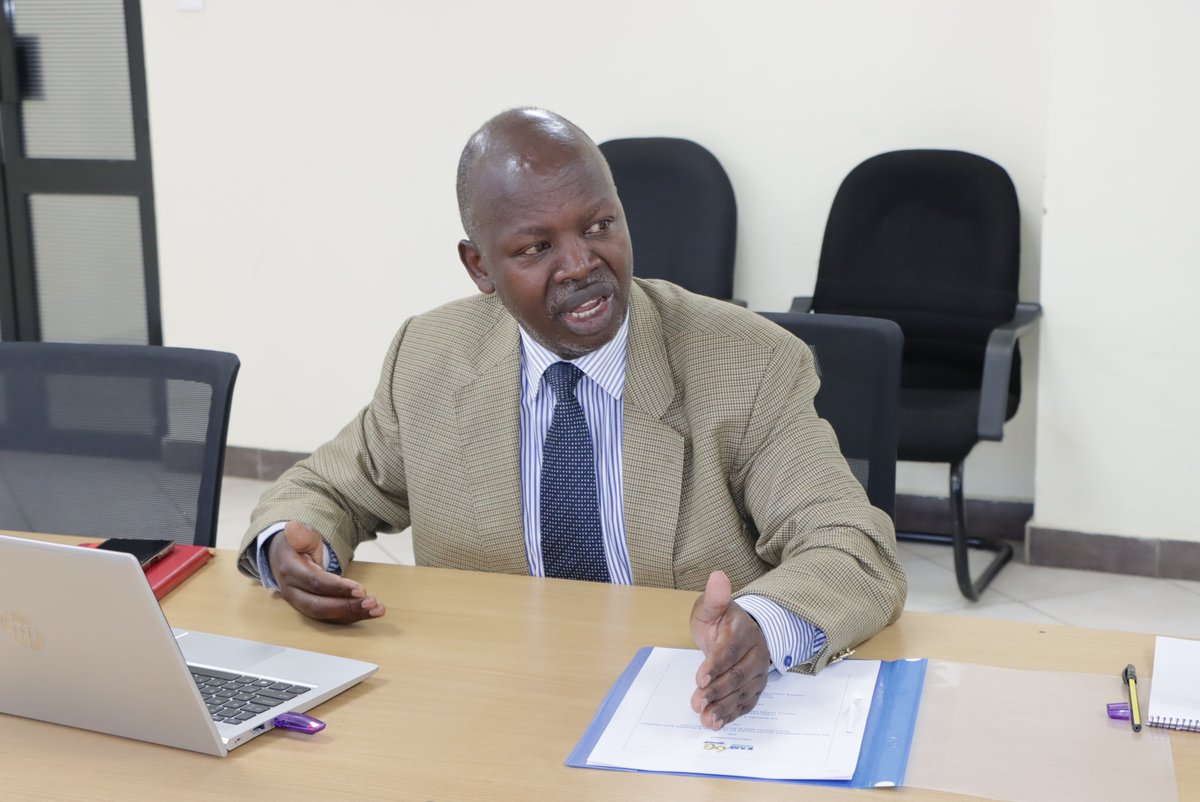
Mr Samuel Chemisto, HSC, the Acting CEO of KETRA, underscored the challenges associated with economic liberalization, emphasizing that while it fosters economic openness, it also leads to heightened competition. He stressed the temporary nature of safeguards, clarifying that they are designed to provide short-term relief. However, he emphasized the necessity of these measures being structured to address not just the immediate threats but also the long-term competitiveness of the industry.
The meeting concluded with an agreement on the need for a joint investigation into affected sectors to inform remedial measures. This includes the development and enforcement of countervailing and anti-dumping duties and measures against products harming Kenyan manufacturers. Additionally, a collaborative multi-agency framework involving organizations that promote the competitiveness of local industries shall be established.
#KAMAdvocacy
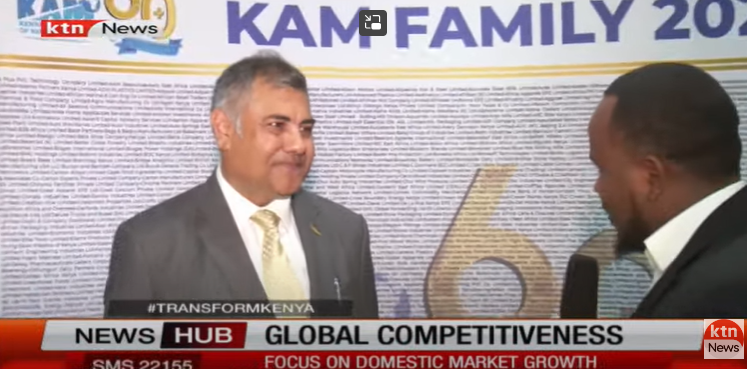
On the sidelines of the panel discussion, KAM Chair Rajan Shah is speaking to KTN's Jimmy Mbogo on the same front.
"The manufacturing sector is a capital-intensive industry," Rajan Shah emphasizes. "We find ourselves in a very challenging situation with interest rates on the rise. It's our hope that these high-interest rate environments are temporary because, as manufacturers, we are faced with the imperative to increase productivity and simultaneously lower costs. This dual challenge necessitates a stable and favorable financial environment."
#KAMAdvocacy
KAM as a Business Member Organization (BMO) represents 1,300 active members, of which 52% are SMEs. SMEs offer significant opportunities for the socio-economic transformation of Kenya's economy - @_CEOKAM, Anthony Mwangi
#KAMAdvocacy
Second only to the public sector, the manufacturing sector in Kenya employs the highest number of wage earners, with 352,000 people - @_CEOKAM, Anthony Mwangi
#KAMAdvocacy
The manufacturing contribution to the GDP has been declining from 11.16% in 2011 to 7.8% in 2022. While the sector hasn't decreased in actual numbers, other areas like telecommunications, financial services, retail, and wholesale have experienced faster growth compared to manufacturing - @_CEOKAM, Anthony Mwangi
#KAMAdvocacy
In October 2022, KAM in collaboration with the government, made an ambitious plan to grow the manufacturing sector's contribution from the current 7.8% of Gross Domestic Product (GDP) to 20% by the year 2030 - @_CEOKAM, Anthony Mwangi
#KAMAdvocacy
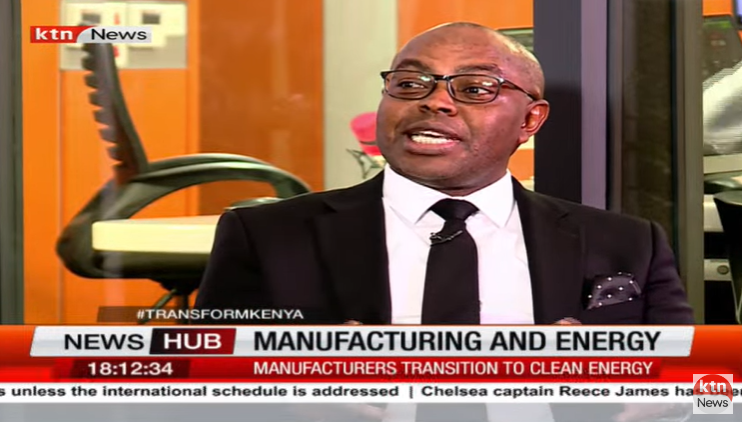
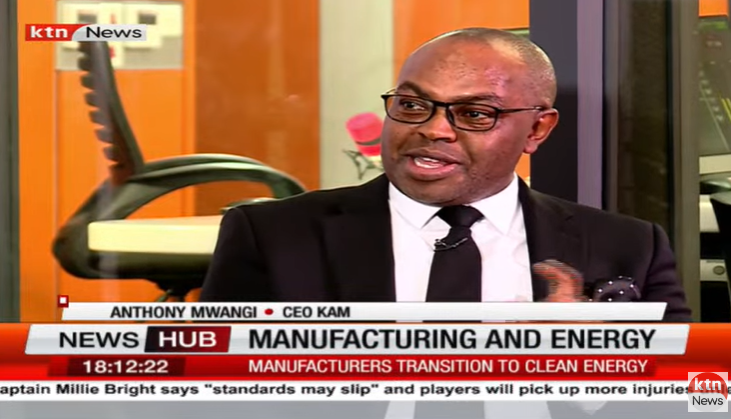
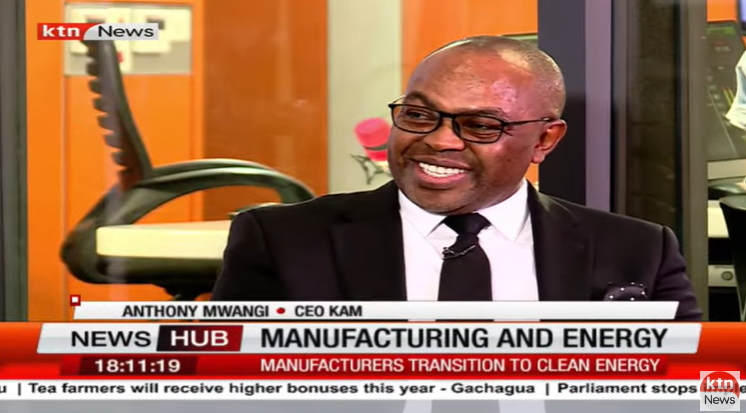
@KTNNewsKE@MrNoahkipkemboi Kenya has made significant strides in recent years, but there is still a need to steer economic growth to ensure a prosperous future for all Kenyans - @_CEOKAM, Anthony Mwangi
#KAMAdvocacy