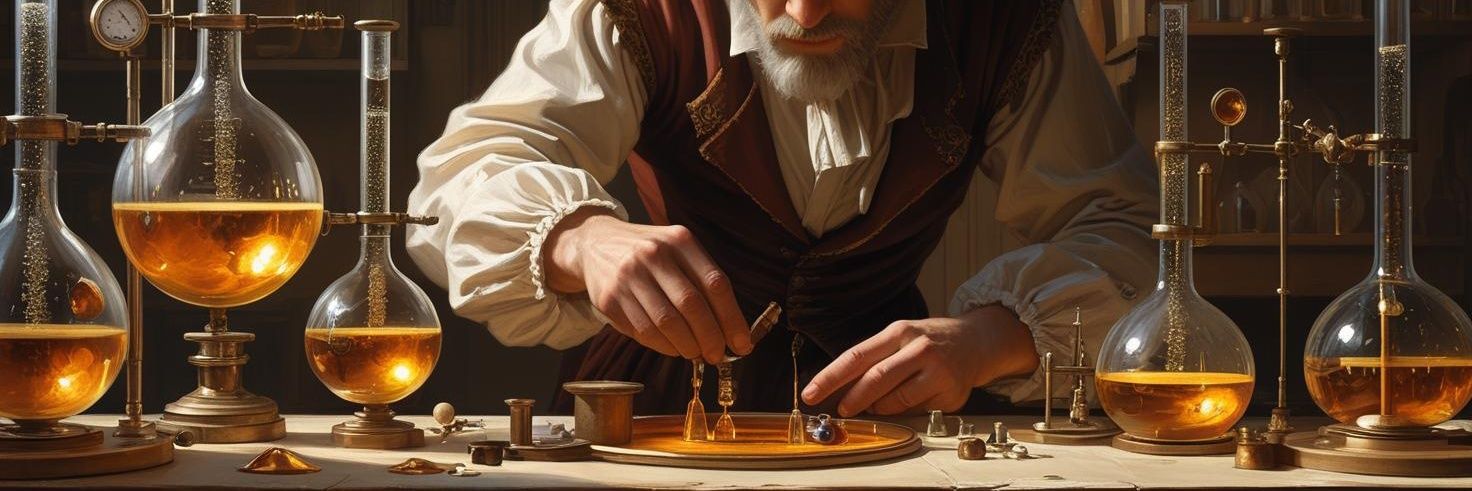
Through the development of metal–organic frameworks, 2025 chemistry laureates Susumu Kitagawa, Richard Robson and Omar Yaghi have provided chemists with new opportunities for solving some of the challenges we face.
Following the laureates’ groundbreaking discoveries, researchers have created numerous different and functional metal–organic frameworks (MOF). So far, in most cases, the materials have only been used on a small scale. To harness the benefits of MOF materials for humanity, many companies are now investing in their mass production and commercialisation. Some have succeeded. For example, the electronics industry can now use MOF materials to contain some of the toxic gases required to produce semiconductors. Another MOF can instead break down harmful gases, including some that can be used as chemical weapons. Numerous companies are also testing materials that can capture carbon dioxide from factories and power stations, to reduce greenhouse gas emissions.
Some researchers believe that metal–organic frameworks have such huge potential that they will be the material of the twenty-first century.
#NobelPrize
Por si os interesa, todos los juegos que he creado con Vibe Coding de Química, Física y Biología, por fin en la web https://t.co/gJh6pUV8c7 distribuidos por temas. Si os gustan y queréis los archivos para tenerlos en local sólo hay que pedirlo. Aprender puede ser divertido
¿Cómo cambia la trayectoria del sol en el cielo dependiendo de la época del año?
Nos lo enseña @elfisicobarbudo con un heliodón...
(Sí, es tan molón como suena😂)
#ÓrbitaLaika
@One_clen3@abc_es De vergüenza, el mayor productor de aceite de oliva del mundo. Que haya que pagarlo a 6,50€/kg. Primero pagas las subvenciones a los olivares y después por un aceite que compras a Italia
@elmundoes Las mismas bacterias inmunes que tienes en tu cuerpo cuando no haces caso cuando te recetan antibióticos. Sin embargo, la gente se sigue automedicando.