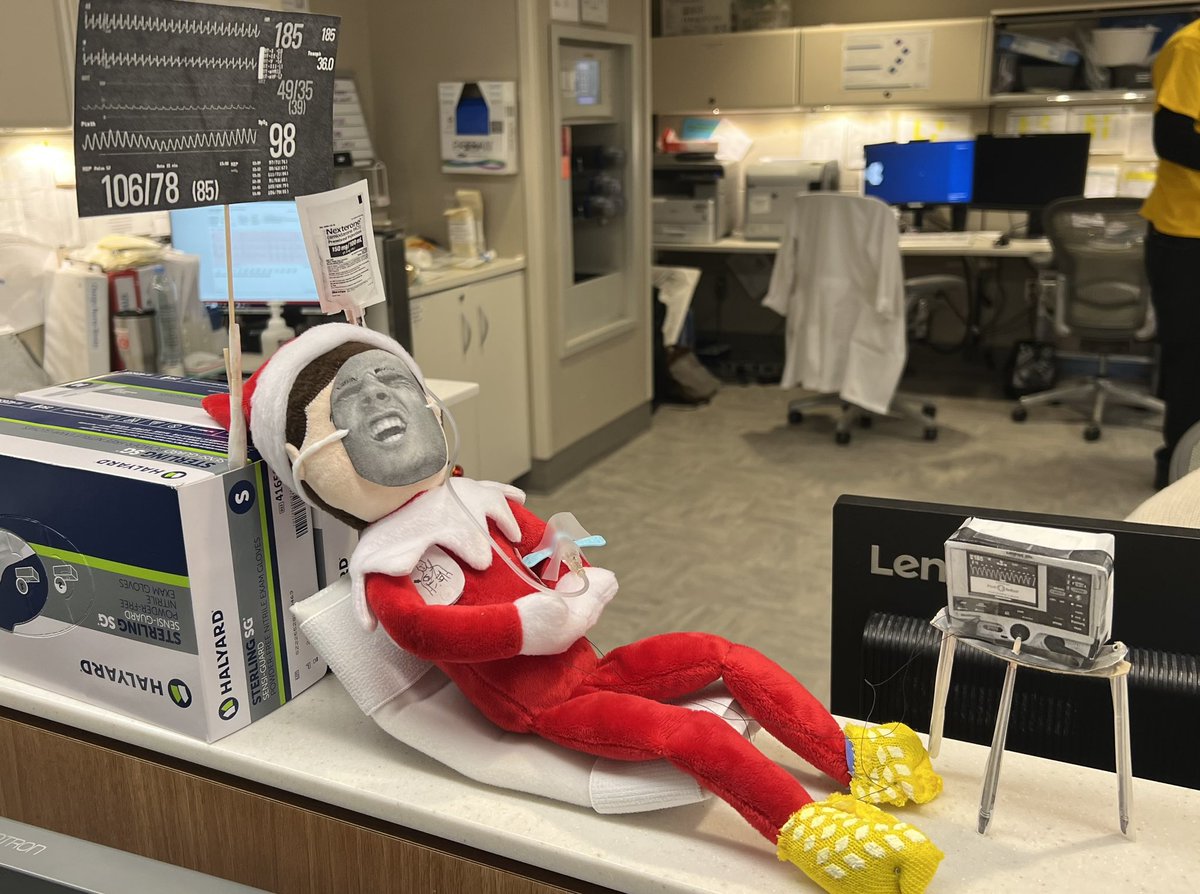
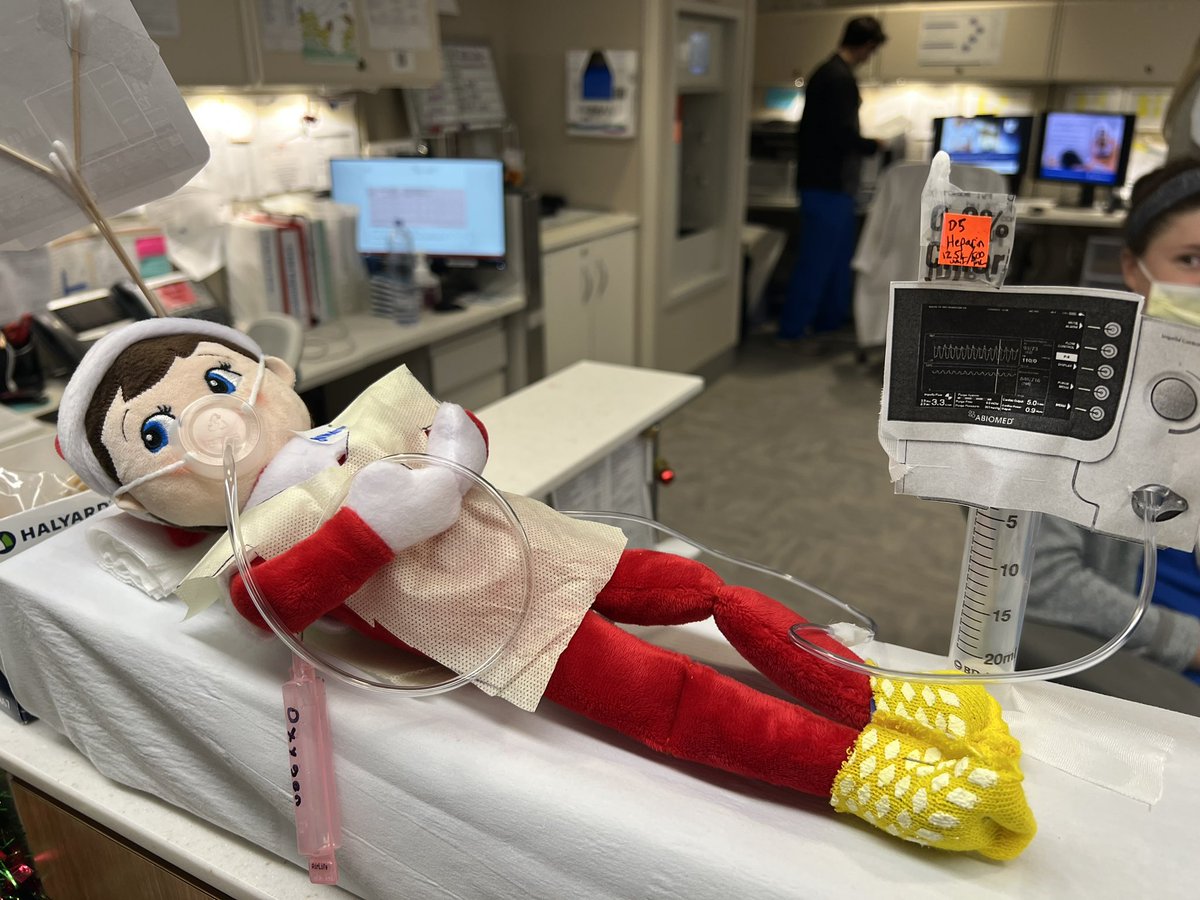
@ElliottMillerMD@andishahu@seanvandiepen@carlosalviar @WApplefeld @PennyRampersad@TariqAliMD My approach with dex is that if you think the patient could be started on a low dose of beta blocker, ie recovered from cardiogenic shock or other CV indication for intubation, then they are probably stable enough to trial dex. What is your approach?
@ElliottMillerMD@andishahu@seanvandiepen@carlosalviar @WApplefeld @PennyRampersad@TariqAliMD Excellent review! I am definitely going to add this to our CICU core teaching materials. I am curious about the relatively soft caution on dex as a sedative. I avoid it in cardiogenic shock which was only a small % of subjects in the referenced study.
Do you know what to do in an emergency? This 2-minute video demonstrates Hands-Only CPR and using an AED.
There are two simple steps that can save a life:
1. Call 9-1-1, ask someone to get an AED, if available.
2. Push hard and fast in the center of the chest.
@SudarRajagopal I can’t imagine the challenges of dealing with cardiac arrest on a football field. How long did it take to check a pulse and to get the pads off to do cpr?
@kylegeurink@SudarRajagopal Best thing in that situation is high quality cpr and defibrillation. I think that is compromised while attempting transport.
@akhadilkarMD Make sure you familiarize yourself on driving restrictions as well. In my experience, counseling on this is often forgotten when seeing patients with syncope in clinic or discharging them from the hospital or ER.
@mdlizs I used to think it rude to type while patient talking. But I think it is less weird than having a scribe in the room. And with time I’ve gotten better at typing without staring at the screen and being able to really focus attention on the patient.
@mdlizs I focus time/energy on the A/P; use copy forward for return pt; start notes for morning clinic at end of work day prior; start notes for afternoon session during lunch. Type in room while patient talking. Sign before seeing next patient. Rinse and repeat.