Using measurable benchmarks; maintaining a goal-driven management culture; and identifying a set of key advisers and employees to regularly review cow health, production and forage metrics are three steps dairies can take to improve financial performance.
https://t.co/EZywR8jHYC
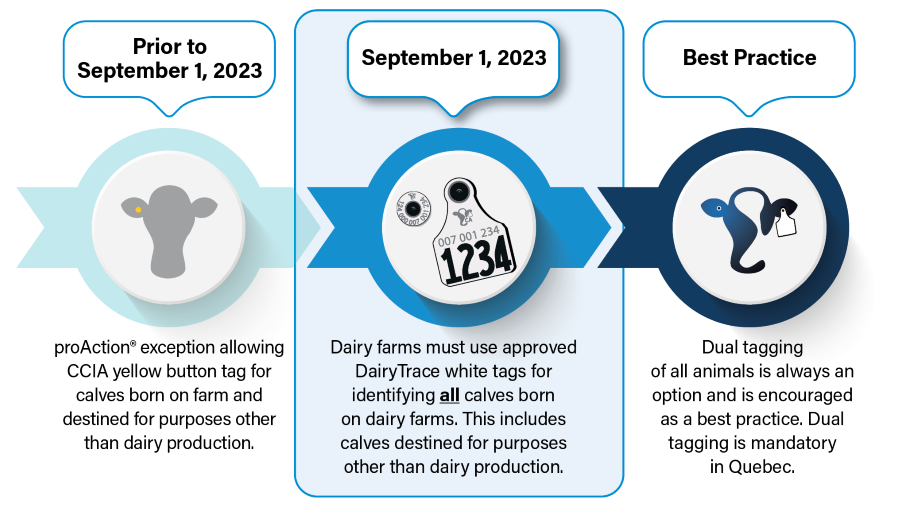
For provinces outside Quebec, tag requirement changes are coming September 1, 2023. As of this date, DairyTrace white tags are required for identifying all calves born on dairy farms. This includes calves destined for purposes other than dairy production.
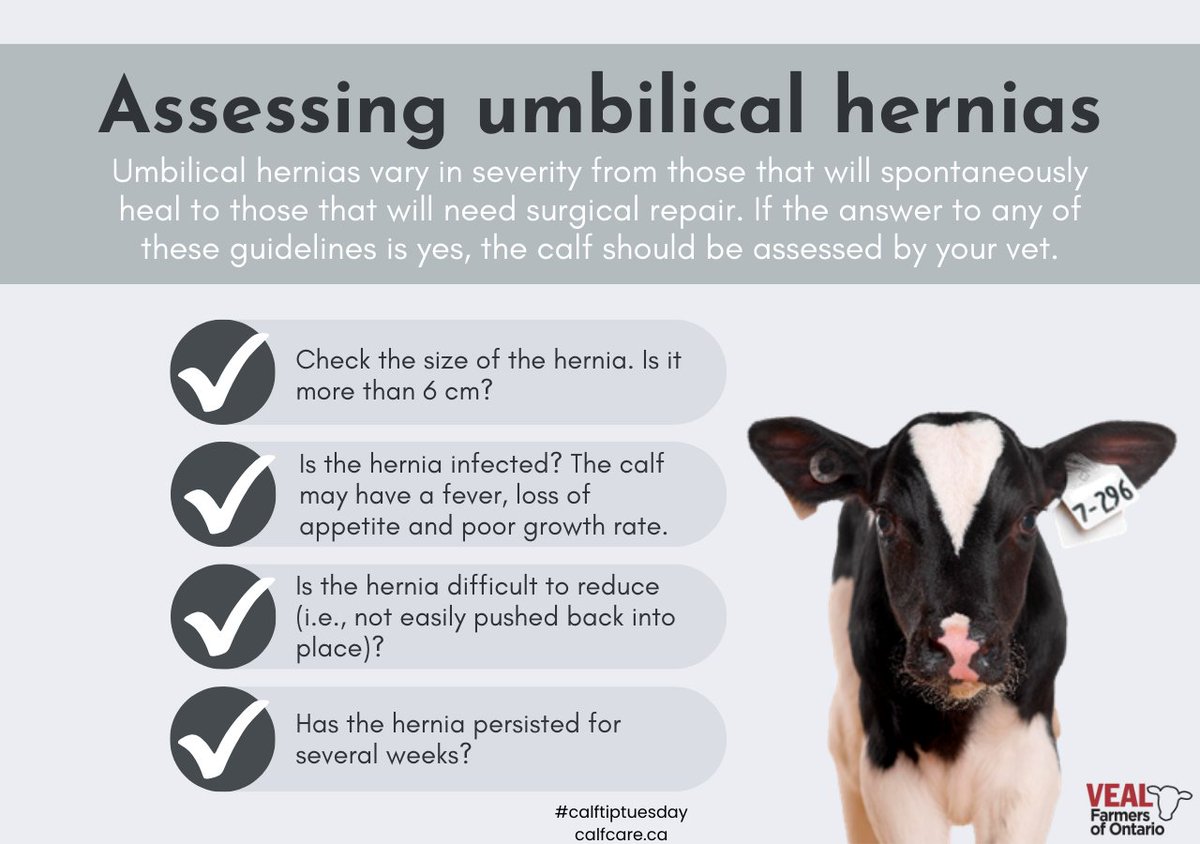
Umbilical hernias are the most common birth defect in calves. They occur when the umbilical ring fails to close after birth, allowing abdominal contents to protrude through the opening.
Read the full article here: https://t.co/C0mNgr9JEa
#calftiptuesday
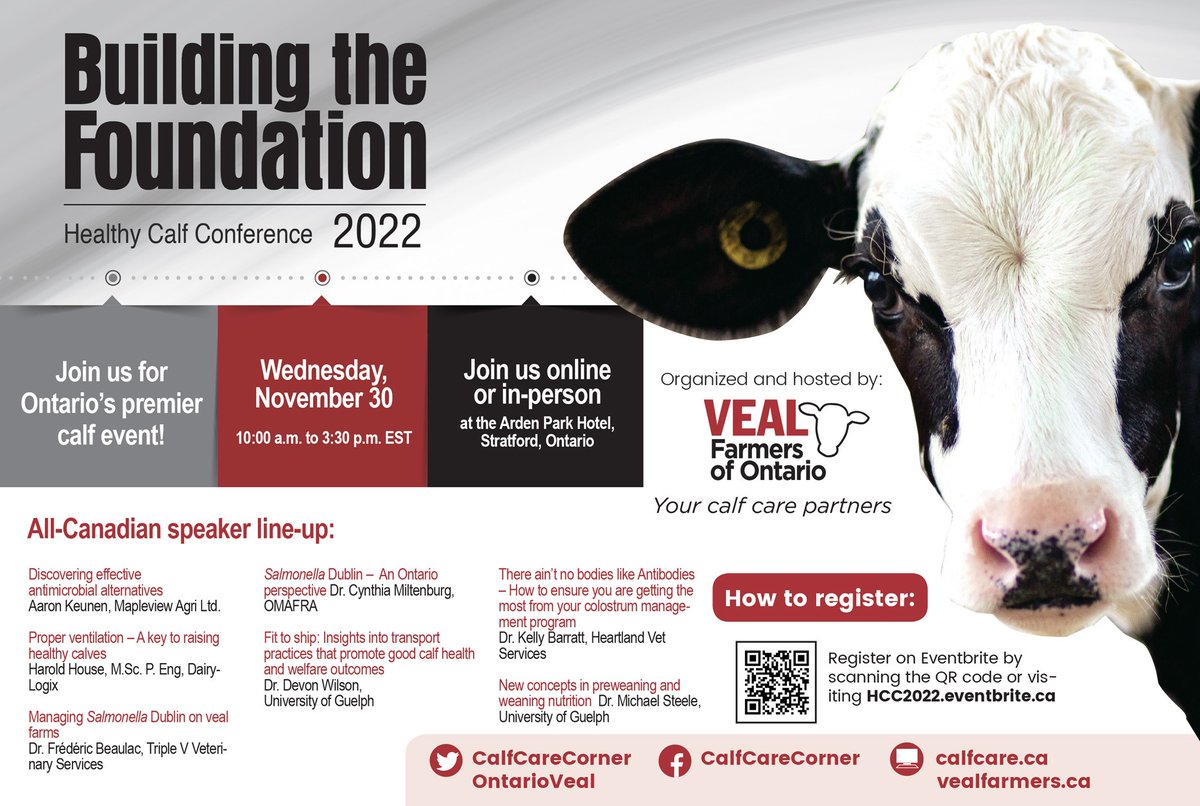
Last chance! Register now to join us for the 2022 Healthy Calf Conference from your farm or workplace. Ticket sales for the interactive live-stream close Monday, November 28, 2022 at 4:00 p.m. EST.
Register here: https://t.co/9KMhUAfrt8
#HCC2022
@drstaceyangus I wish I lived closer. That sounds like an awesome meeting with very helpful talks. Maybe you should consider doing a speaking circuit with those. I would hire you to come talk to our clients! On both of those topics
Your vet is another set of eyes that can employ their animal health expertise to help inform decision-making and foster continuous improvement based on your personal goals.
Learn more about incorporating calf health into herd health here: https://t.co/VdFE3Qtx9p
#calftiptuesday
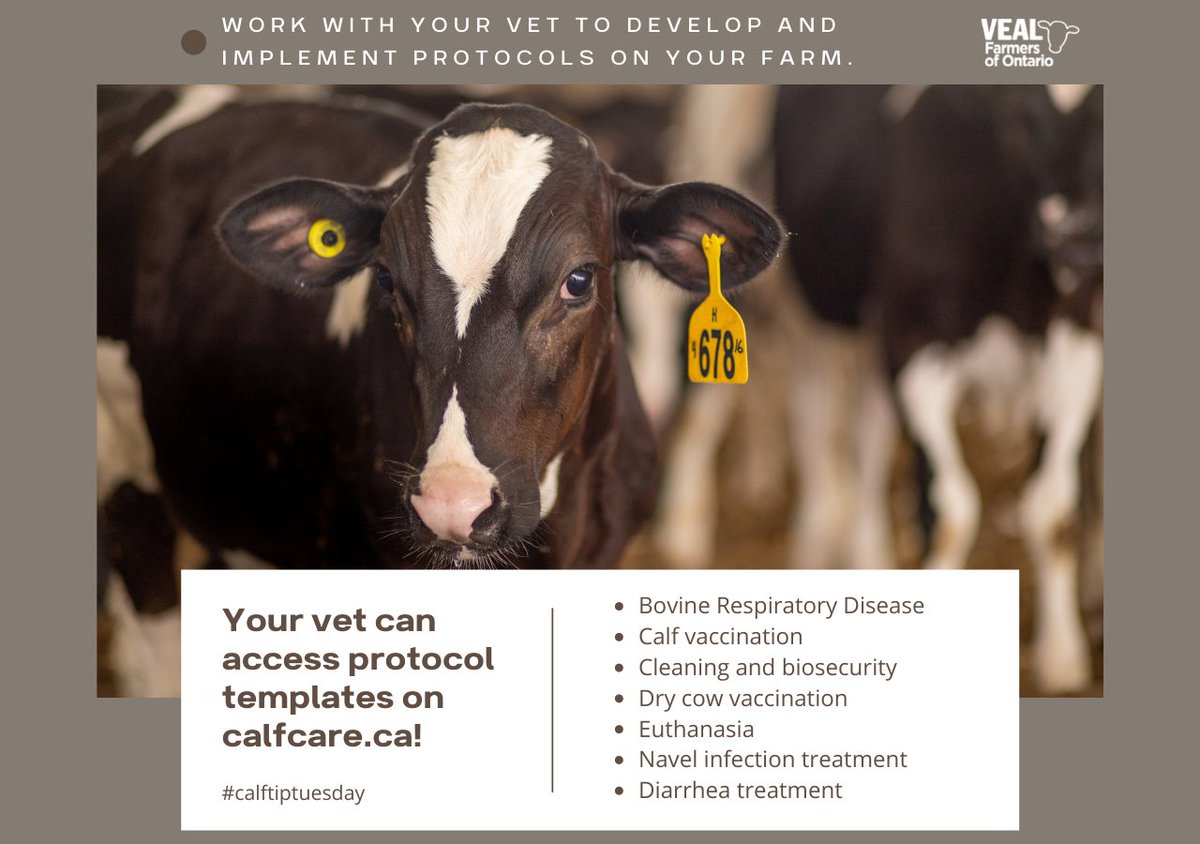
The key to the best possible outcomes in all aspects of raising and managing calves is consistency—and one of the best ways to achieve that is by developing a strong and detailed set of protocols.
Learn more here: https://t.co/jS1I4iFsom
#calftiptuesday
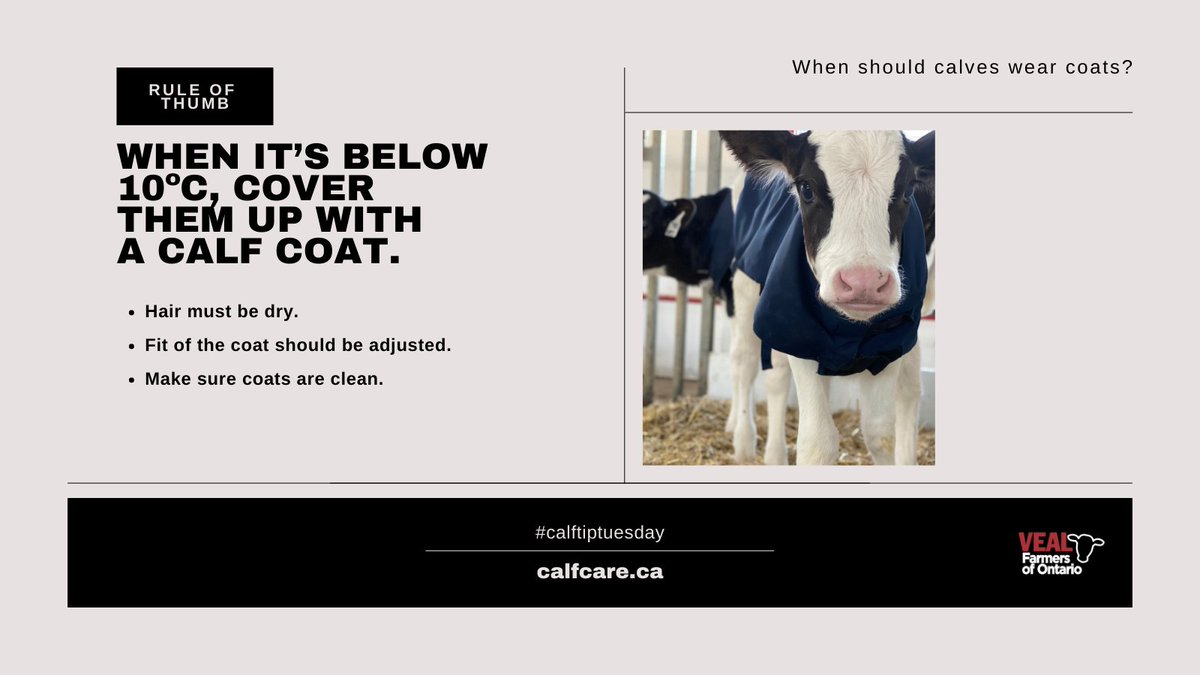
The first signs of snow are appearing, which means it's time for our annual reminder about calf coats.
Check out this great article by Dr. Jodi Wallace to learn more about when and how to use calf coats effectively: https://t.co/hy4UABDpy4
#calftiptuesday#calftipwednesday
The Healthy Calf Podcast Series focuses on taking a proactive approach to reduce disease and improve performance.
Learn more about ventilation for calf housing systems and how to optimize it in our newest Podcast: https://t.co/q4HNEWyTDE
#calftiptuesday
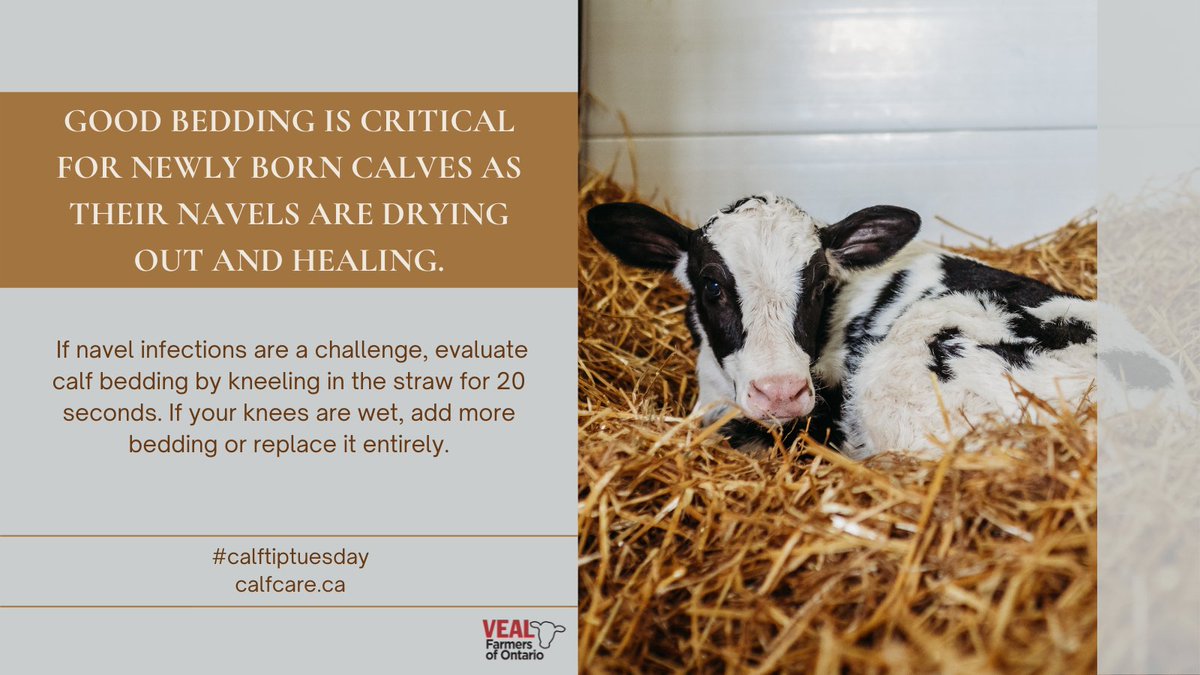
Straw provides the best insulation for calves and it’s also very absorbent—both characteristics that are key to encouraging good calf health. Make sure straw bedding is at least 3" (8 cm) deep and clean and dry.
Learn more here: https://t.co/dYHLOCiP0E
#calftiptuesday
Calf managers want simple and economical solutions to their calf health challenges, and deep straw bedding can be an easy preventative measure.
Check out our newest resource and learn more about how to know if you're using enough: https://t.co/zk7cFcEnHt
#calftiptuesday
@farawayfarmboy Just took out the straw pack and going to try a compost pack. This was worth taking a picture since the shavings will likely never look this clean again. Right now it’s about 10-12 inches of shavings on a gravel base surrounded by a cement walk way
It was a funny comment at 7 pm. “The cows will be so comfortable the robot will call for too long between milkings...” At 4am when the robot calls it is much less funny🥴 #comfortablecows
In winter calves need 4 room air changes/hr, and in summer 40+ air changes/hr. The challenge with calves is to provide the small amount of winter ventilation needed evenly, and without drafts.
Learn more in February's Calf Care Corner: https://t.co/APwJHHzRDk
#calftiptuesday