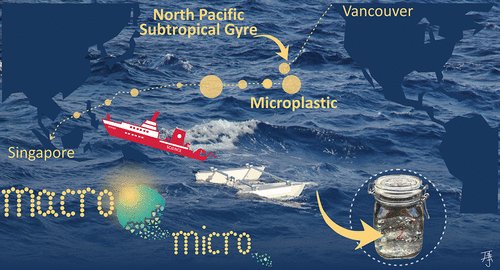
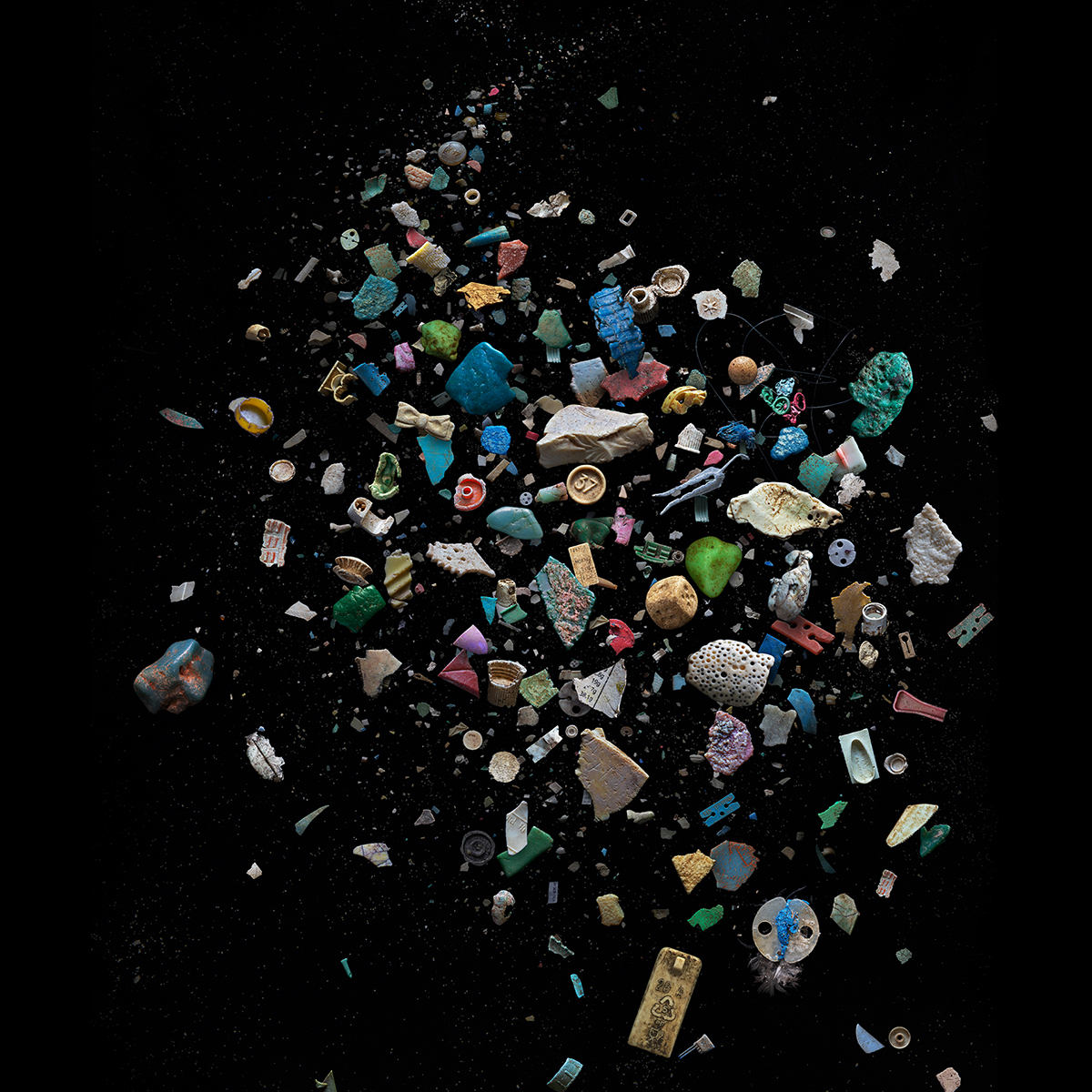
Ein Team von #UFZ/@AWI_de hat in einem entlegenen Meeresschutzgebiet im Pazifik ebenso große Mengen Plastikmüll/Mikroplastik nachgewiesen wie in einem der größten bekannten Müllstrudel. Das zeigt: #Plastik ist viel großräumiger verteilt als vermutet.➡️
https://t.co/JOtp5GYmTS
In 2019 Annika Jahnke, Elisa Rojo Nieto & others were on the expedition ship "Sonne" in the North Pacific. The publication about large accumulations of plastics in the ocean, even outside so-called garbage patches is now online.
https://t.co/JsJtQG41gK
Our study on #plastic and #microplastic pollution in the North Pacific Ocean is finally out. Sadly, we found high levels even in a marine protected area.
1/2 Our new study on #plastics & #microplastics distribution throughout the North #Pacific, led by @RobbyRynek@UFZ_de, is out 🤗! We found it everywhere (not only in so-called garbage patch) plus an unexpected 2nd hotspot not projected by ocean models 👇
https://t.co/CYNPoLpJOK
Meine Meinung bei @NDRinfo zu Systemen,die #Plastik aus dem Meer fischen sollen: Wir müssen zuallererst den Hahn zudrehen, statt den Boden aufzuwischen-wie bei einer überlaufenden Wanne-& wir brauchen Umwelt-verträglichkeitsprüfungen um ökologische Schäden auszuschließen!
Job announcement. We are looking for a postdoc in our group who will take elemental analysis projects using ICP-MS. Metals, metals in #nanoplastics etc. (Please share).
Only a couple of days left. The deadline is 15/09/2022.
https://t.co/OhMnERD89k
Last day at #SETACCopenhagen. Was really nice to see people in person and talk about #microplastics. I'm really happy about the very nice and interesting presentations and discussions about the extraction and analysis of MPs from environmental samples.
Current research on microplastics is the stuff of nightmares-
They’re dangerous, they’re spread through our food, they're in the air... they’re everywhere
Thread 1/x
#health#ClimateCrisis#PlasticPollution#food
Unsere PCR-Labore sind überlastet. Deutschland gehört neben Ungarn, Rumänien und Polen zu den Schlusslichtern in Europa, wenn es um die Anzahl der PCR-Tests geht.
Five popular myths about #plastic and #plasticpollution are thoroughly debunked in this new, exciting, @washingtonpost piece by the always excellent @rebecca_altman!
Absolutely essential reading. Highly recommended.
https://t.co/XwpvjdbxR3
No title…
no words…
(marine #plasticpollution that once existed in the stomachs of Flesh-Footed Shearwater seabirds on Lord Howe Island) My sole aim is to stimulate an emotional response in the viewer leading to #change & #action
@ADME_Ian @wastefreephd From personal experience with an Agilent FT-IR microscope I can say that "quantify and analyze samples at the same time" sounds much easier than it is. :D
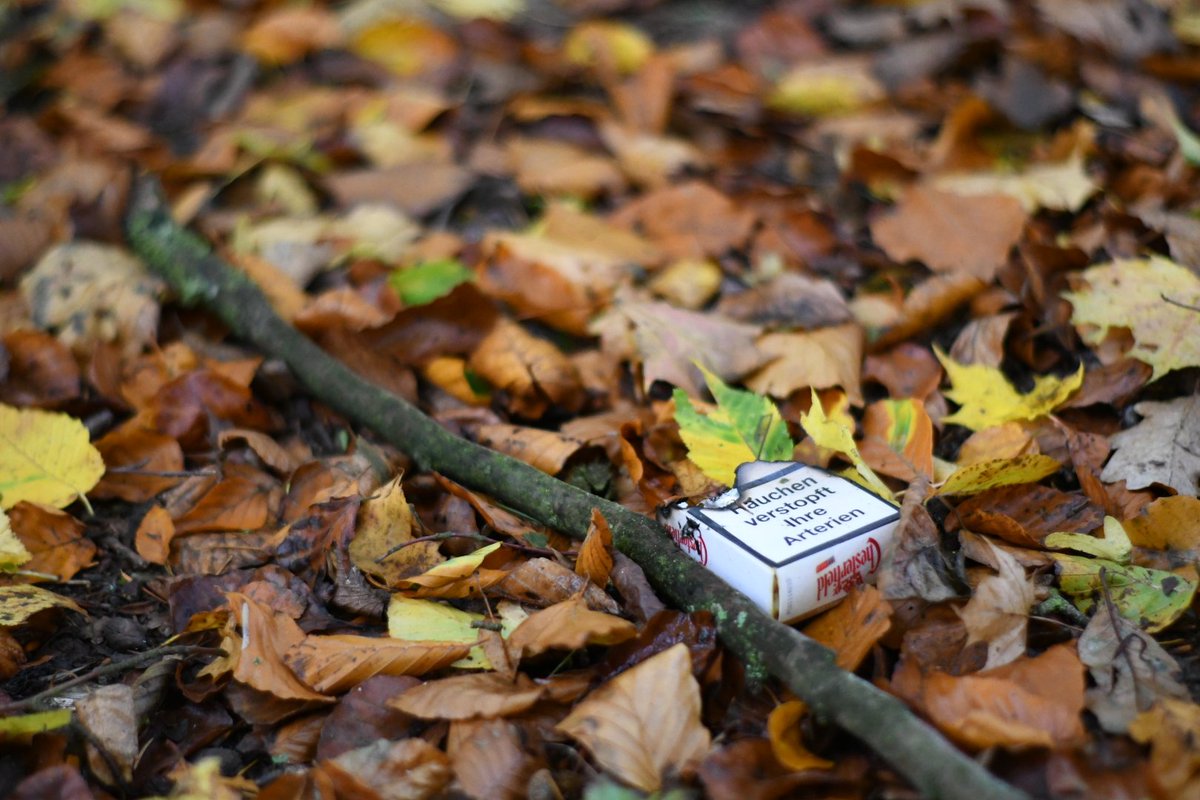
The fact that I am doing my PhD in the field of #PlasticPollution has led me to perceive (almost exclusively) the bad influence of humans on nature. This is also reflected in my photos from the beautiful Weserbergland today. It really feels kind of sad.
Why does this matter?
Industry advocates for a risk-based approach- i.e. only act to keep levels below a threshold to avoid harm.
The issue is that #microplastics are extremely complex, diverse, and persistent. We may never know how much is "too much" until it's *too late*.