Employee: Excuse me sir, may I talk to you?
Boss: Sure, come on in. What can I do for you?
Employee: Well sir, as you know, I have been an employee of this prestigious firm for over ten years.
Boss: Yes.
Employee: I won’t beat around the bush. Sir, I would like a raise. I currently have four companies after me and so I decided to talk to you first.
Boss: A raise? I would love to give you a raise, but this is just not the right time.
Employee: I understand your position, and I know that the current economic down turn has had a negative impact on sales, but you must also take into consideration my hard work, pro- activeness and loyalty to this company for over a decade.
Boss: Taking into account these factors, and considering I don’t want to start a brain drain, I’m willing to offer you a ten percent raise and an extra five days of vacation time. How does that sound?
Employee: Great! It’s a deal! Thank you, sir!
Boss: Before you go, just out of curiosity, what companies were after you?
Employee: Oh, the Electric Company, Gas Company, Water Company and the Mortgage Company!
In a system where the officiating and VAR failed to provide a fair contest, the walk-off served as a manual override.
By stopping the game for 17 minutes, Senegal broke the momentum of bias.
It forced the world to look at the screen. It effectively iced the kicker.
Brahim Díaz’s subsequent missed Panenka is blamed on the delay, but a supporter would say the delay simply restored the natural pressure of the game that the referee’s bias had tried to remove.
Banning Senegal from the World Cup for this would be the ultimate gaslighting by FIFA.
Senegal was the team that had a goal wrongly disallowed. Senegal was the team that faced a dubious last-minute penalty.
To ban the winners of the tournament because they dared to protest a systemic breakdown is essentially FIFA saying: You must sit there and let us take the game from you, or we will destroy your future.
Critics call the walk-off shameful, but the team actually returned and won.
They didn't forfeit; they protested, regrouped under Sadio Mane's leadership, and proved they were the better team by winning in extra time.
A ban would punish a team for a 15-minute protest that they self-corrected, while the refereeing errors that caused the chaos would likely go unpunished.
If FIFA bans Senegal, they aren't protecting integrity; they’re protecting incompetence.
Senegal didn't walk off because they were losing—they walked off because the officiating was an insult to the sport.
They came back, they faced the penalty, and they won on the pitch.
Banning a team for refusing to be robbed is just FIFA admitting they care more about optics than fair play.
“THE TRIBUTE”
(Honouring an Absolute Legend)
Kalidou Koulibaly is the captain of the Senegal national team. In his absence through injury, Idrissa Gana Gueye, the vice-captain, led the team in the final with authority and composure.
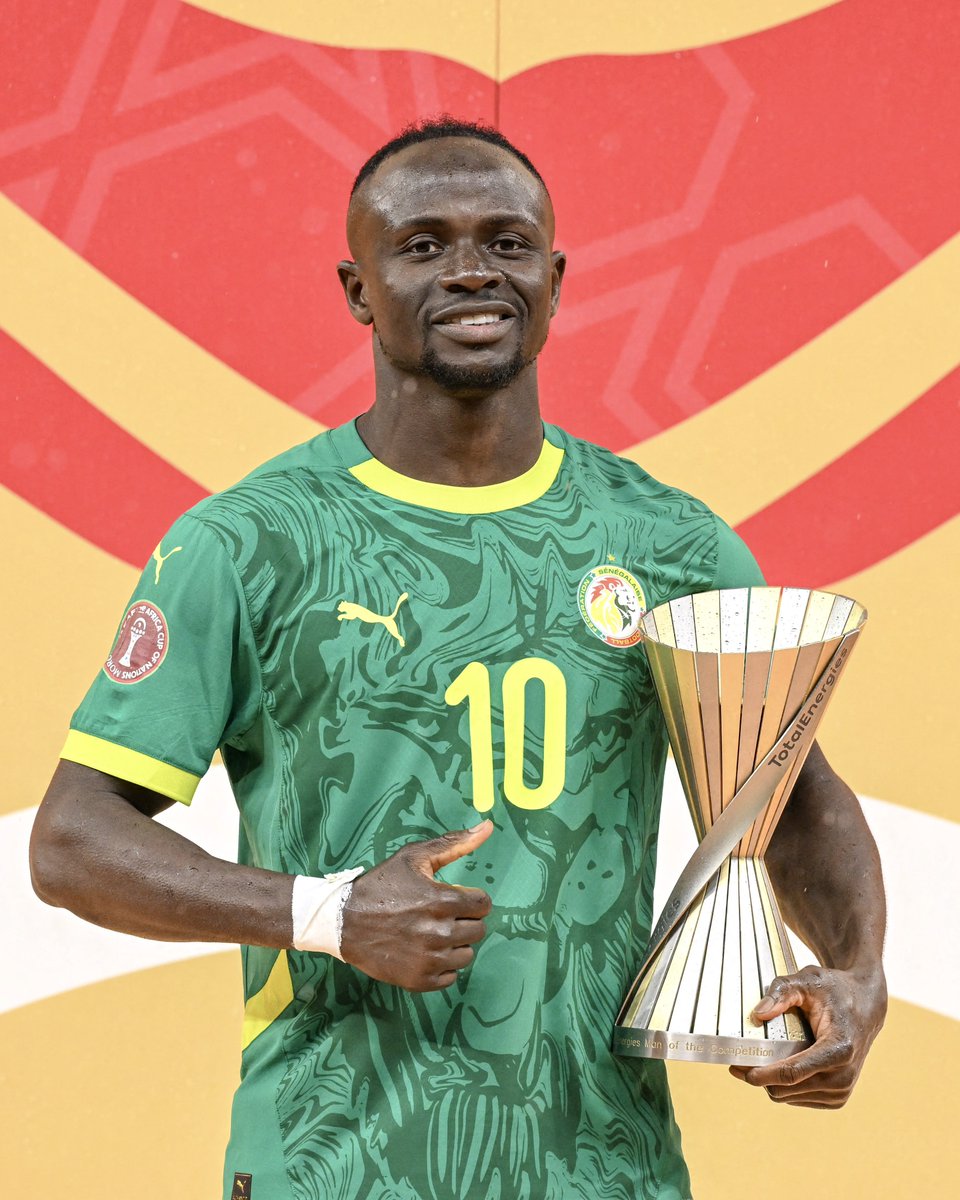
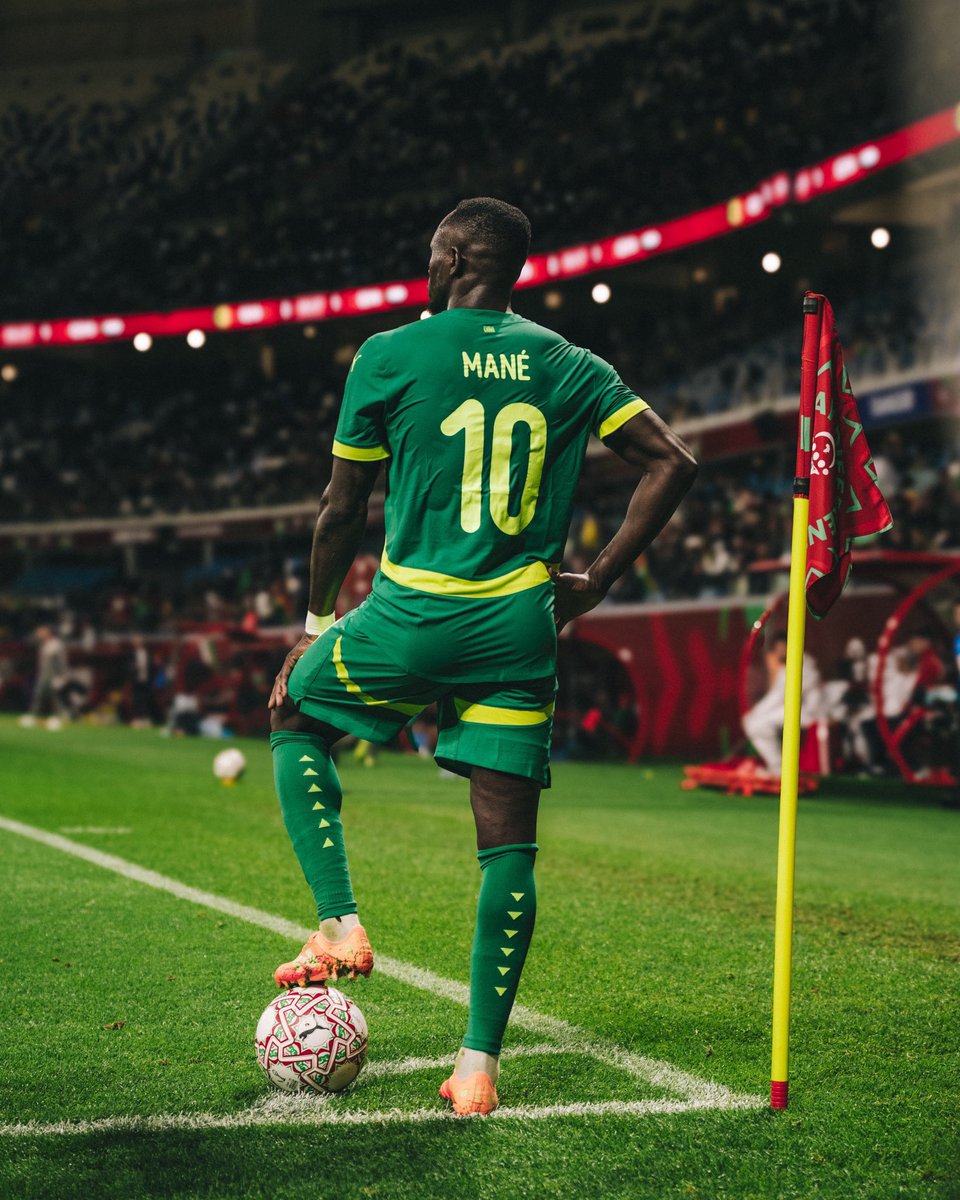
But when the moment demanded true leadership on the pitch, it was Sadio Mané who stepped forward. He sought counsel from the experienced Claude Le Roy, took the advice to heart, and called his teammates back onto the field, choosing unity over chaos, focus over emotion.
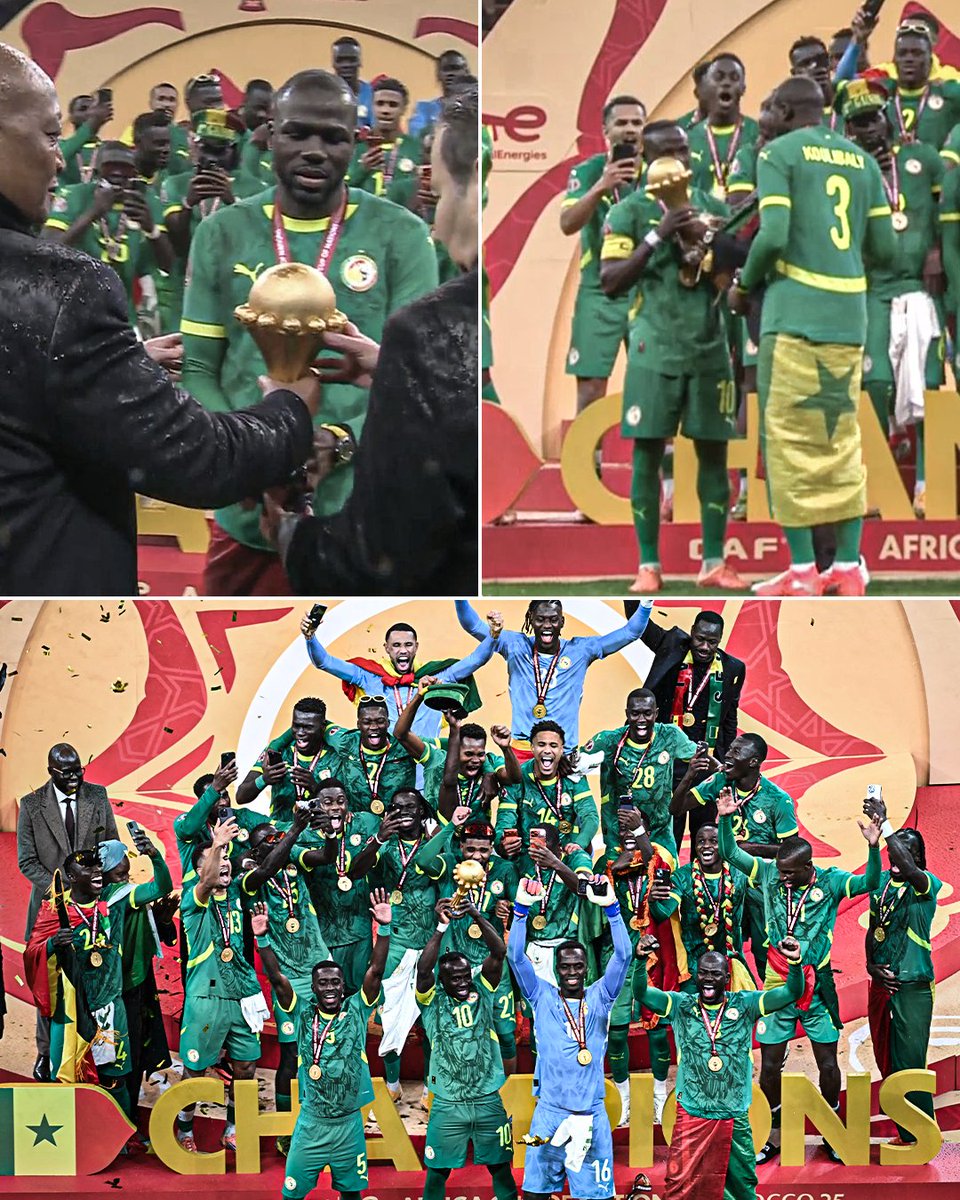
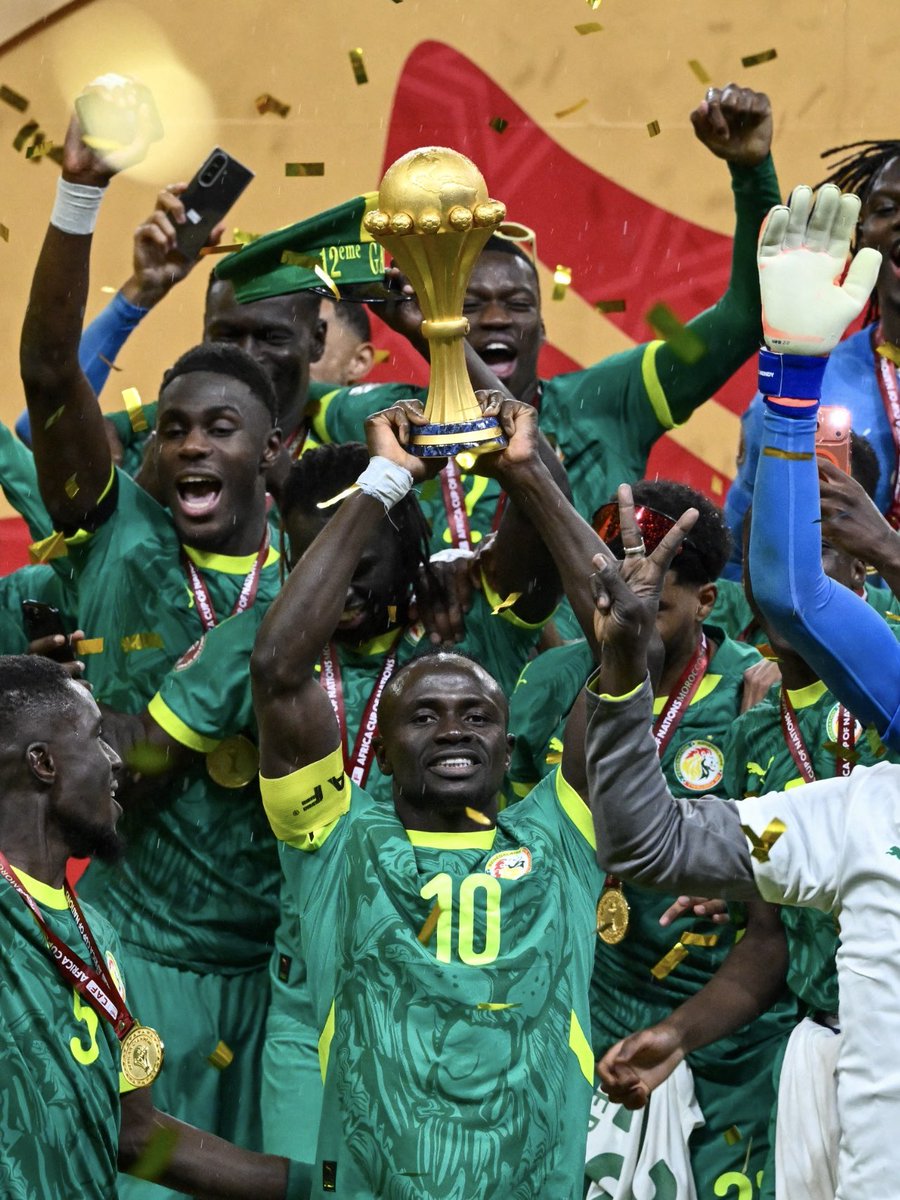
Then came a moment that said everything. During the trophy presentation, Koulibaly handed Mané the trophy, and Gana Gueye placed the captain’s armband on his arm, ensuring that he would be the one to lift the title.
It was more than a gesture, it was recognition. A tribute to a footballer who showed the world that leadership isn’t worn, it’s lived.
A salute to the man whose influence transcends roles and titles.
A fitting honour for the greatest Senegalese footballer of all time.
“You don’t need an armband to lead, you need courage, clarity, and heart.”
#AFCON2025
• Why did you refuse to go inside like your teammates?
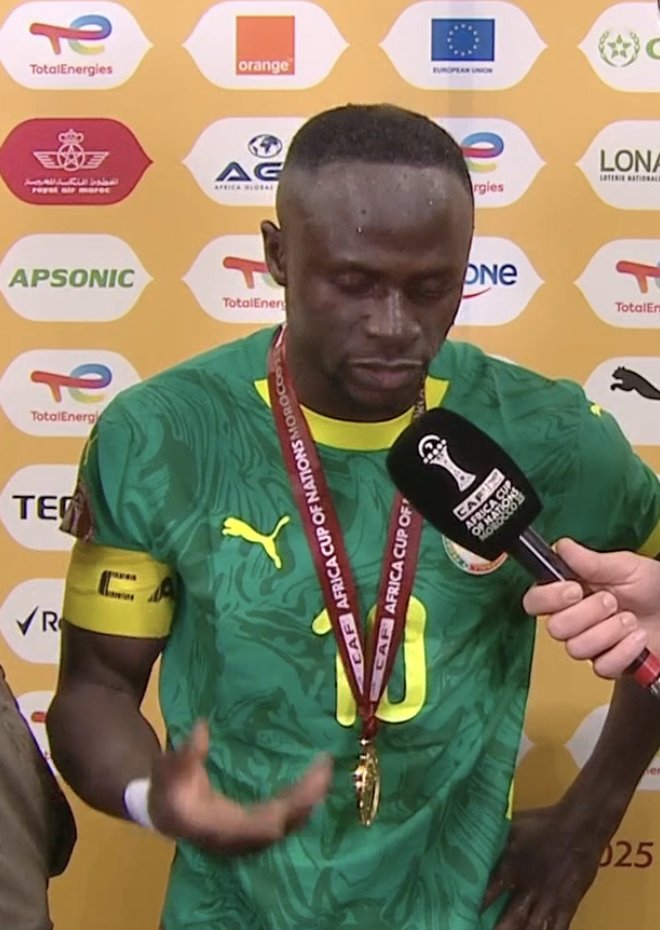
🚨🗣️ 𝗡𝗘𝗪: Mané: "Because the referee can make a mistake, it's not fair to judge him. And most importantly, I did it for the people in the whole world, they wanted to watch the game."
Sadio Mane asking his Senegalese teammates to come back to the pitch against Morocco in Rabat.
This will be the video of this Afcon.
It will be watched by many generations.
The exceptional leadership of one man saved African football.
Senegal score in the final minutes but the goal gets ruled out. Morocco wins a last-minute penalty. Senegal players protested and walk off the pitch. Sadio Mané calls them back on. Morocco misses the controversial penalty and Senegal score to take the lead in extra time. This is AFCON!!
Sadio Mané is the hero of this AFCON final. Not just for what he did with the ball, but for the maturity he showed in what felt like an open festival of bias against clubs facing the host country. Had Senegal insisted on boycotting the match, a ban would almost certainly have followed. It might have been a costly stand, but also a powerful sacrifice for the sanity of future AFCON tournaments, one that would have cast a long shadow over Morocco’s claim to first place, even a hundred years from now. Still, returning to the pitch was the wiser choice. They stayed, they endured, and they fought like the lions they call themselves. Congratulations, Senegal! 🇸🇳
A candidate joined the interview without turning on his camera.
The boss messaged HR:
“Unprofessional. Should we drop?”
HR asked him to wait.
HR called the candidate separately.
He said:
“Ma’am, I’m sitting in a shared room with 6 people.
I don’t want to look disrespectful.”
That hit hard.
We continued audio-only.
No bias. No assumptions.
He cleared the interview.
Got the offer.
Joined last week.
Sometimes professionalism isn’t about cameras, suits or backgrounds.
It’s about showing up even when circumstances aren’t ideal.
Before rejecting someone for how they appear,
check why they’re there.
Empathy doesn’t lower standards.
It reveals talent. 💙
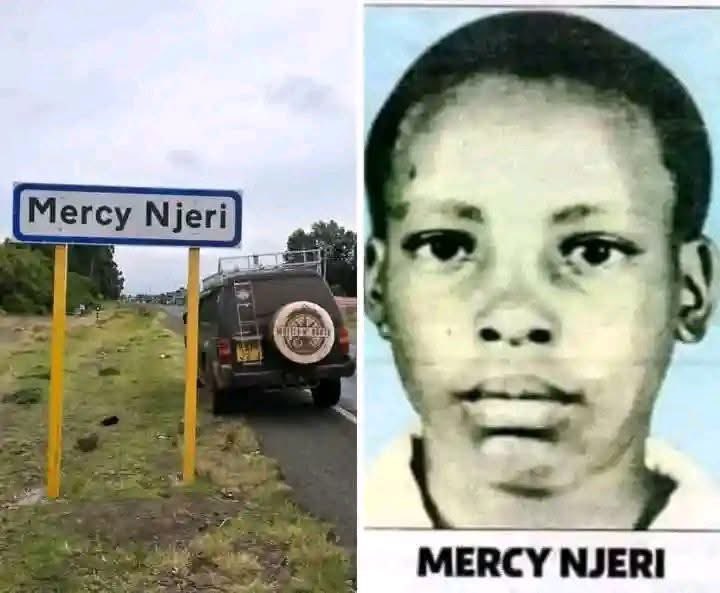
Along Kabarak Road, a few kilometres from Nakuru City, stands Mercy Njeri Shopping Centre. In the middle of this busy centre is Mercy Njeri Primary School, formerly known as Kiamunyi Primary School. Many people assume the name belongs to a powerful leader or a wealthy person. But Mercy Njeri was neither.
She was just a child.
Born in Kiamunyi in 1975, Mercy was healthy until she was about six years old. She then started suffering from breathing difficulties and frequent illnesses. Doctors later diagnosed her with rheumatic heart disease, commonly referred to as a “hole in the heart” condition.
In 1985, doctors recommended urgent heart surgery in the United Kingdom. The cost was KSh 500,000, money her family did not have. Several fundraisers were organised, but only a small amount was raised. The family slowly lost hope.
Then, on 4th February 1985, President Daniel arap Moi made a stop at Kiamunyi Primary School, where Mercy was a Standard Three pupil. The head teacher explained Mercy’s condition and shared her dream of becoming a doctor. The story deeply touched the President.
President Moi immediately mobilised funds and invited Mercy’s father to State House Nakuru. He paid for the surgery and travel expenses. On 14th March 1985, Mercy flew to the UK full of hope.
On 29th March 1985, Mercy underwent a long and delicate 12 hour heart operation. Sadly, she passed away that same night.
Her burial took place on 6th April 1985 at her family’s home in Kiamunyi. In a rare gesture, President Moi attended the funeral. During the service, the head teacher requested that the school be renamed in Mercy’s honour. The President agreed.
Today, Mercy’s name lives on through Mercy Njeri Primary School, Mercy Njeri Secondary School, Mercy Njeri Shopping Centre and Mercy Njeri Road. An entire community carries the name of a child.
Prof Wangari Maathai on a stretcher [ I was assisting others wheel her either into, or out of, court]. She and a few others had been severely beaten by police a few days earlier- still had to ‘appear’ in Court! We shall never forget her sacrifice. ##WangariMaathai80
This is my take Okayo, as someone who has lived in the village. And having also preached and visited all parts of Rarieda from Luanda Kotieno to Kamito to Madiany, shelter means different things to many people. SC @OAmollo through the Ondoa Nyasi Initiative has done so much to remove mostly very elderly families priority on widows from Grass thatched houses where they are being rained on. That to you may not be best, but to them is a big step. Also note that housing has a lot of dynamics, it would be illogical for the Good MP to build everyone in Rarieda a 2M house. My point is this, sometimes ELLITISM & SCHOOL disconnects us from the ground realities. If you want to test this, organise a public meeting at WIOMINO centre and campaign against ondoa Nyasi. You will witness for yourself.
NB: I have deep roots in Siaya but live elsewhere, my above opinion is limited to my ground interactions vide both court cases & mission activities in Rarida.
~Village intellectual.




![kaari_murungi's tweet photo. Prof Wangari Maathai on a stretcher [ I was assisting others wheel her either into, or out of, court]. She and a few others had been severely beaten by police a few days earlier- still had to ‘appear’ in Court! We shall never forget her sacrifice. ##WangariMaathai80 https://t.co/j3WXbAGuLo](https://pbs.twimg.com/media/EUiOsqTXYAE3H5e.jpg)





